
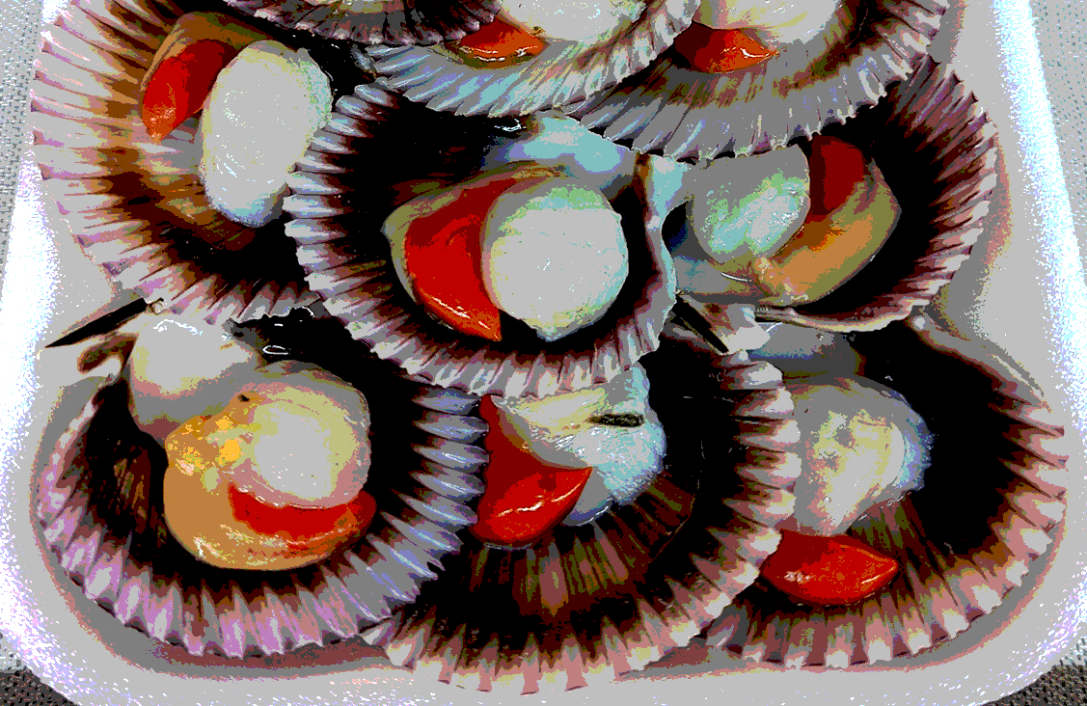

Above: Zamburinas for sale in Mercado de Abastos
During temperate seasons, approximately 280,000 pilgrims strike out on one of the Portuguese routes to Santiago de Campostela, passing through Pontevedra on their way. Pilgrims from around the world walk Camino de Santiago, collecting shell stamps as proof of stops and actual scallop shells as souvenirs. Long ago, it is said these shells served as scoops for food offered at the door of inns along the way.
Myths surround this symbol of Saint James, from his saintly remains being borne ashore at Campostela atop shells to miraculous legends of loved ones who drowned emerging alive from the sea covered in scallop shells. The ridges of the shell symbolize diverse pilgrimage routes, all converging upon Santiago de Compostela.
Whatever the religious symbolism, the zamburinas of the region are famed for their distinctive texture and flavor. Like eggshells for cascarones at Fiesta San Antonio, someone has to empty those shells for the pilgrims. So, we try to do our part by pursuing those delectable Galician zamburinas wherever we can, which translates to every couple of years. (Read about their red “commas” in an earlier postcard sent from Zaragoza in 2022.)
For all of those walkers in Pontevedra arriving tired and hungry yet spiritually recharged, we’ll take a detour before scallops because my alphabetical listing of restaurants dictates it.
We are partial to Moroccan food, and DuKela ranks highly among our recent forays in that direction. Falafel arrived piping hot, but not dry, with an assortment of condiments, including tomato confit. Dusted with the traditional powdered sugar, savory and sweet flavors were well-balanced in DuKela’s chicken pastel. The vegetable tagine included more than the expected standards. In addition to caramelized onions, there were beans, mushrooms and regional black olives.
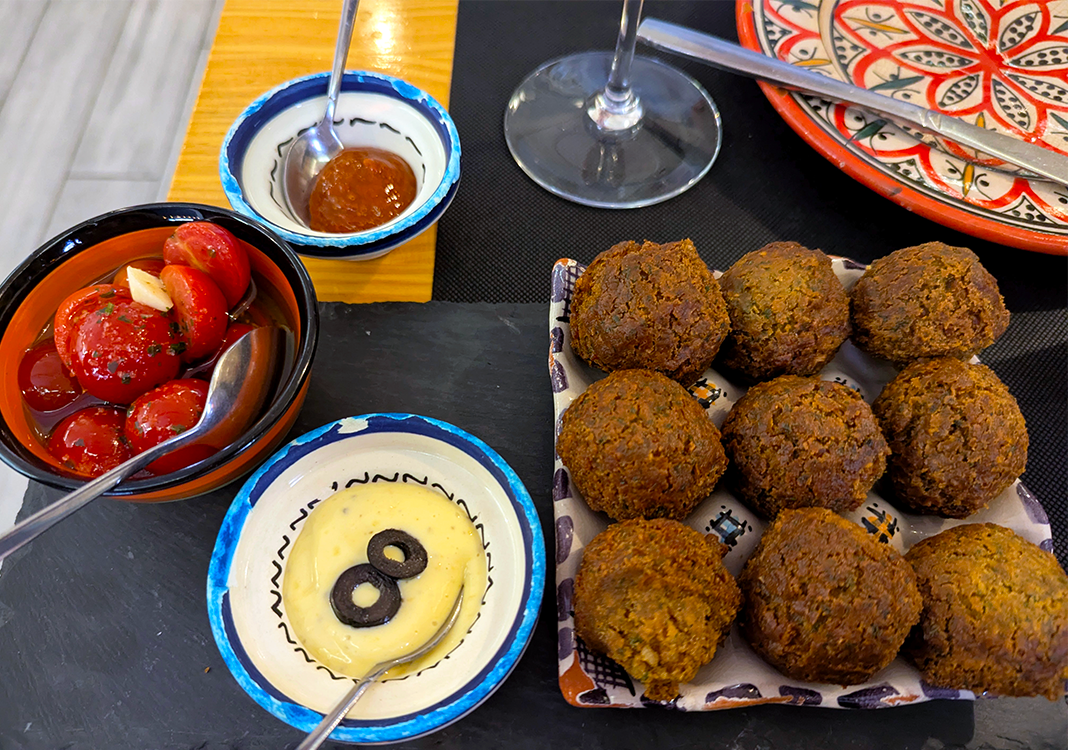
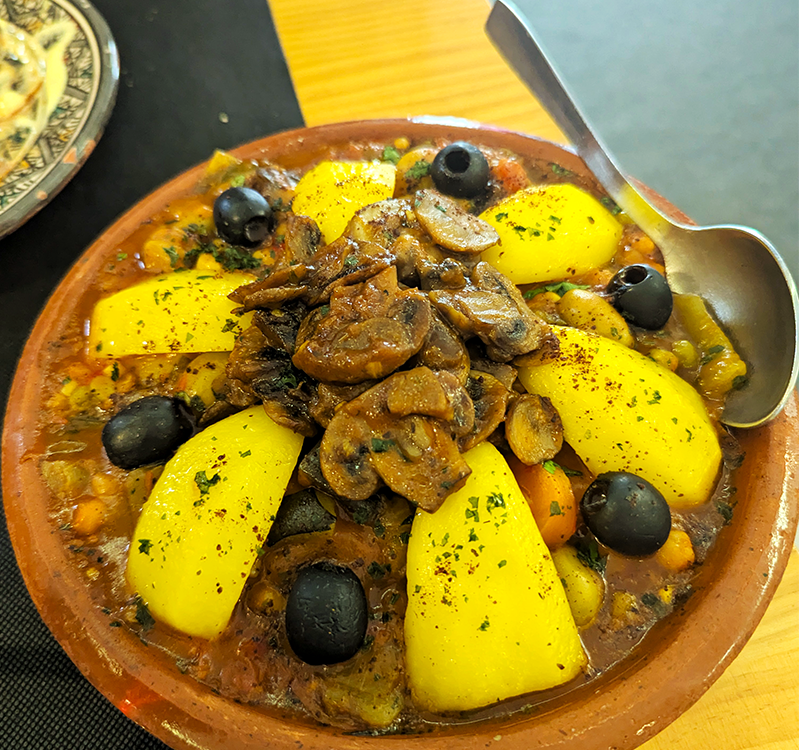
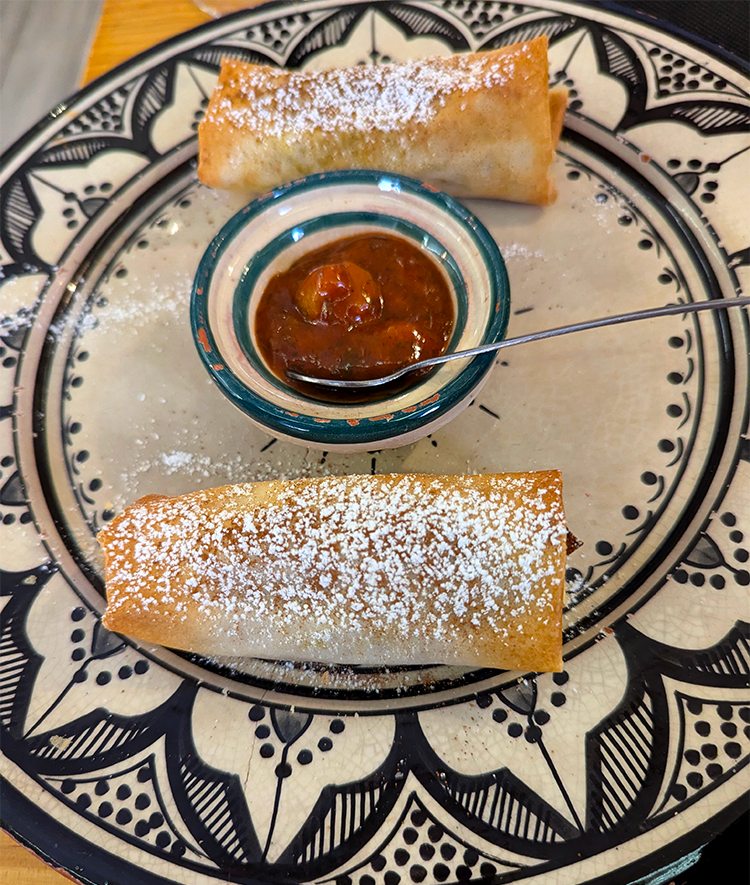
Above: DuKela
Gumer taps into fresh Galician ingredients, but the uninhibited kitchen is not hamstrung by traditional preparations. The vibe is contemporary. Sea greens accented a substantial platter of bonito tartare. I would have been willing to devour several orders of fresh red tuna nigiri atop fried beds of rice. An unusual combination of tomatoes, passion fruit and sliced anchovies made a refreshing salad. Chocolate cake was offered in a totally deconstructed state.
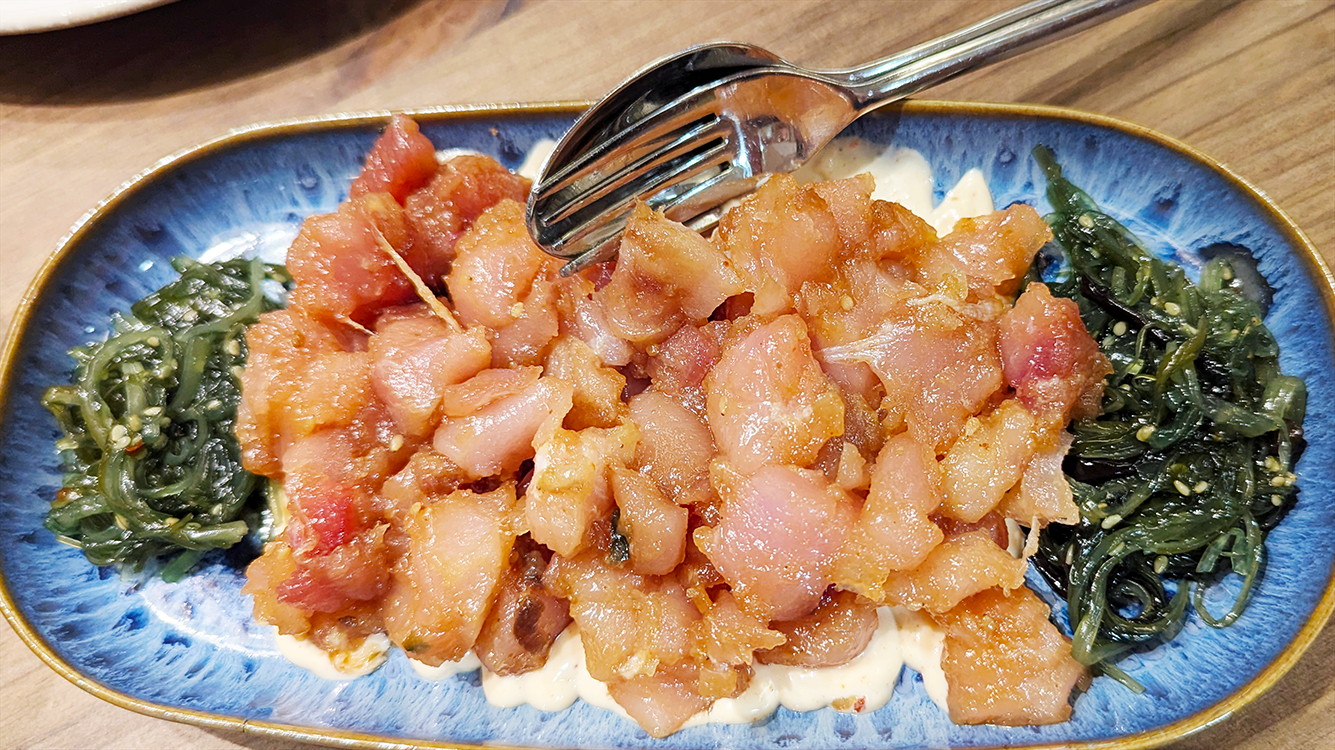
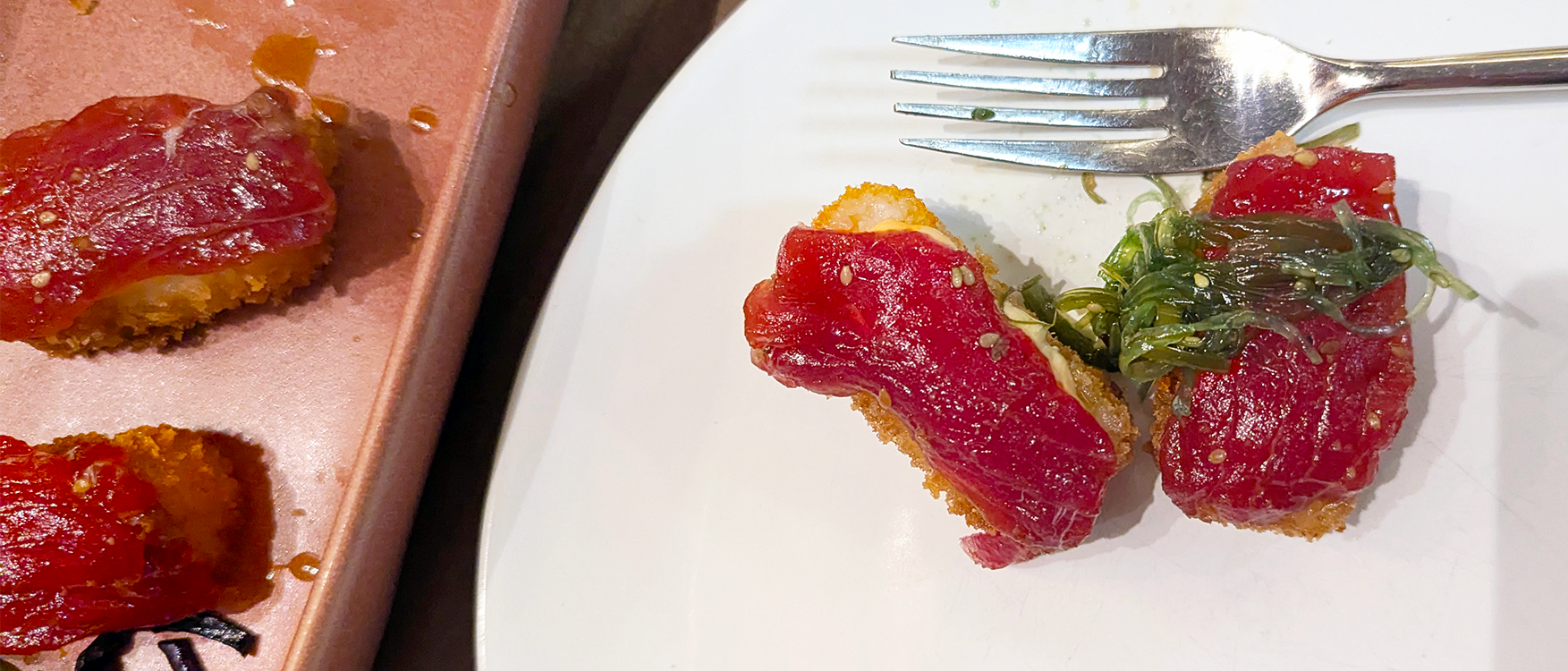
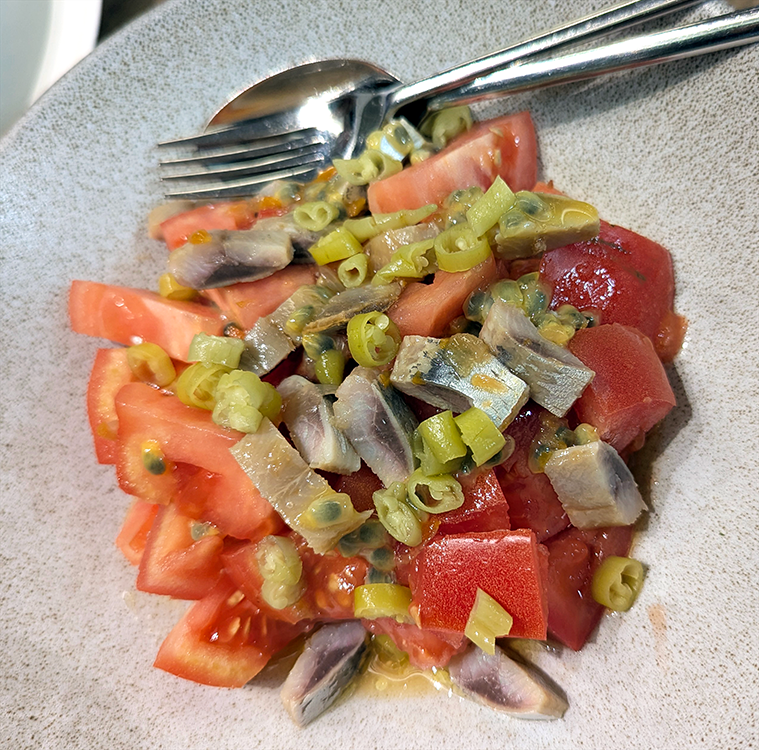
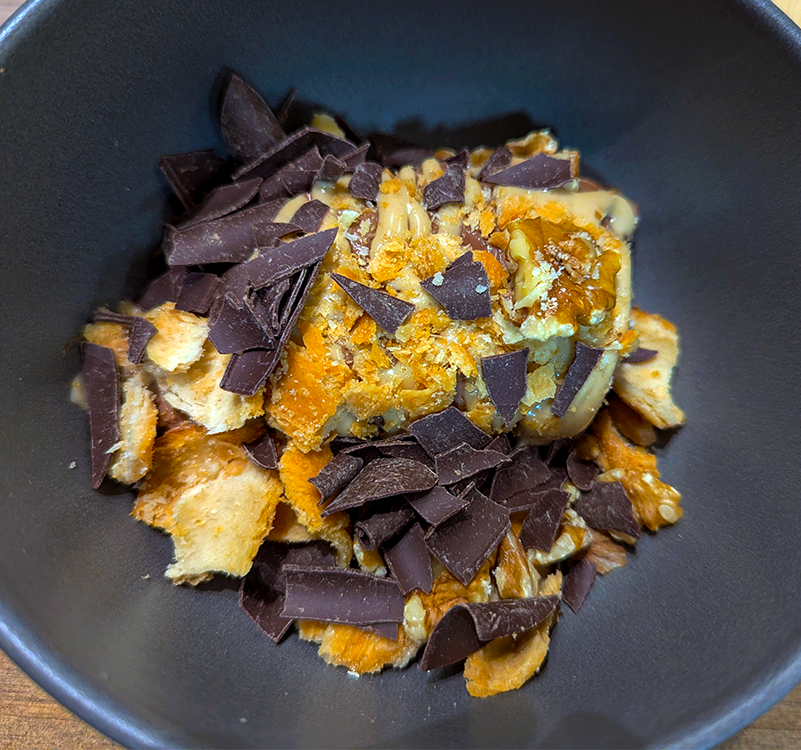
Above: Gumer
The traditional dishes featured at La Casa de las Cinco Puertas are popular with locals, a bit older set than those drawn to Gumer. This trip, we discovered how well the regional Albarino white wines mate with seafood dishes. Croquetas and cigar-shaped fried shrimp were generous and tasty. Tender grilled octopus surrounded smoothly whipped potatoes. Zucchini “canelones” filled with vegetables and shrimp sounded promising but were overwhelmed by sauces.
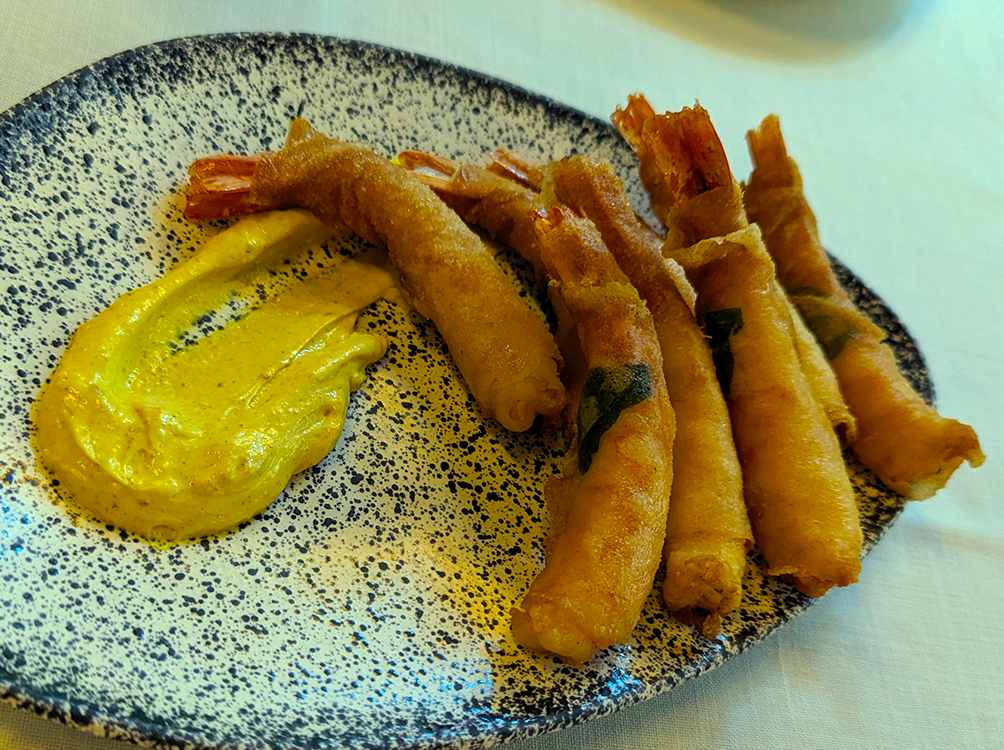
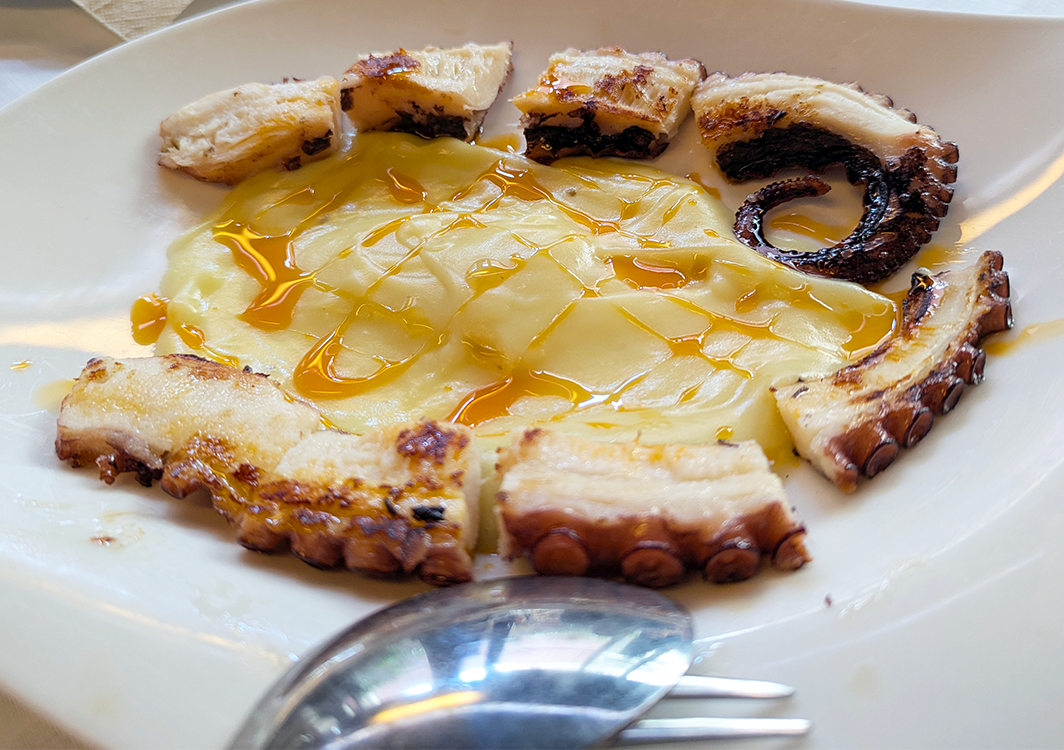
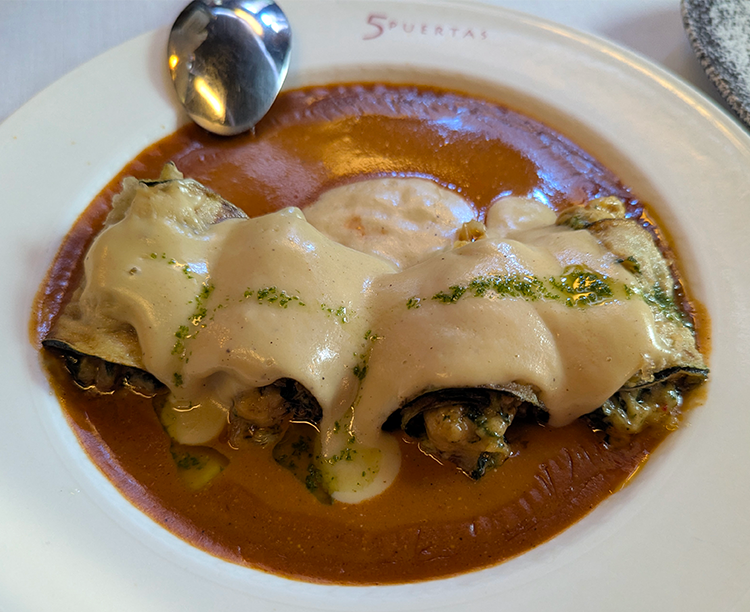
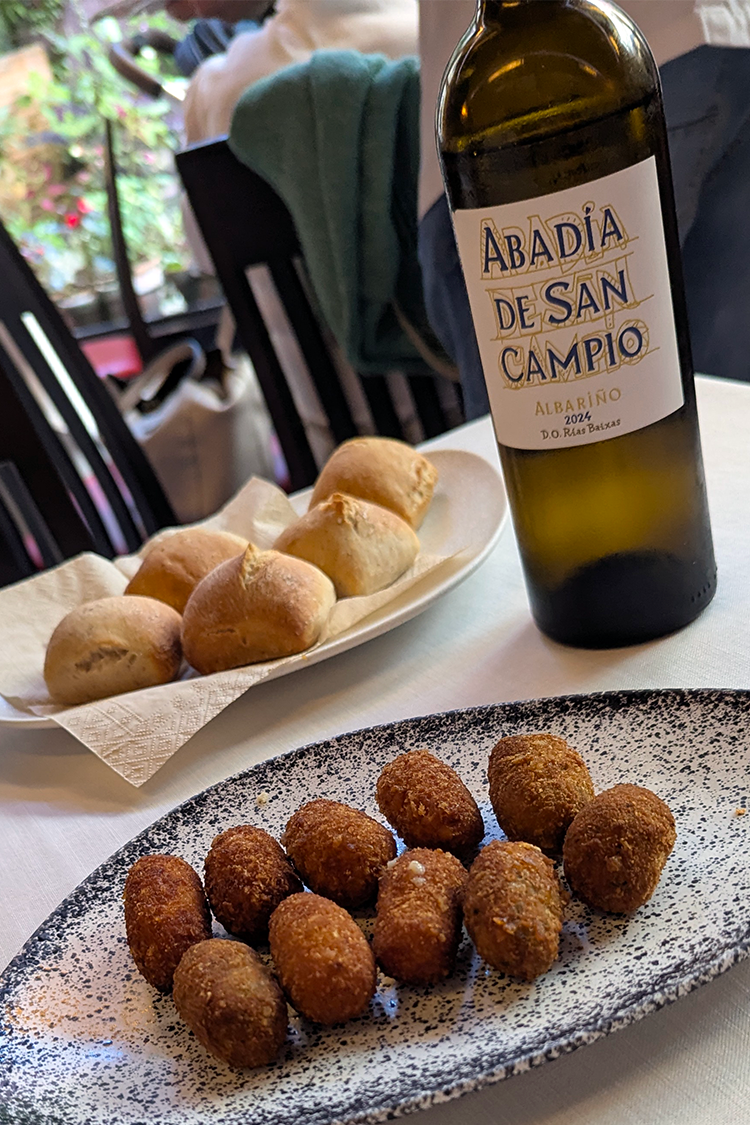
Above: La Casa de las Cinco Puertas
The pleasant patio of Taberna de Felix has been welcoming pilgrims for more than four decades with cold beer and wine. It’s a comfortable spot for pilgrims from everywhere to meet and exchange tales from the trails in a United Nations of languages.
A generous portion of tuna topped a mixed salad, but, alas, the croquetas were burnt and dry. Several zamburinas suffered the same fate, rendering them tough and dry. We didn’t care for almejas a la marinera, but that might be the fault of Galician sailors credited with developing the traditional method for cooking clams. The tavern’s preparation of garlic, onion, tomato, paprika and white wine or sherry was thick and heavy, overwhelming any flavor of the shellfish.
Even though we had arrived by bus just as the kitchen was on the cusp of closing, the waitstaff agreed to serve us. For that we were extremely grateful, and it possibly accounts for the state of the dishes delivered to our table. Definitely, it’s a recommended spot for pilgrim-watching, eavesdropping and hearing groans about painful reasons I do not walk the trail.
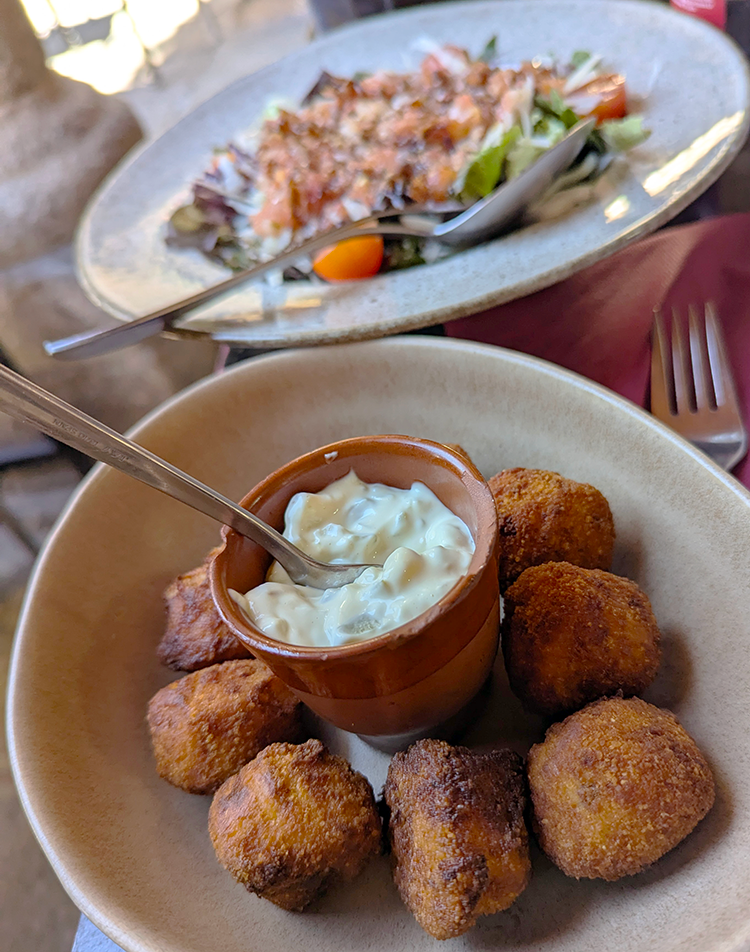
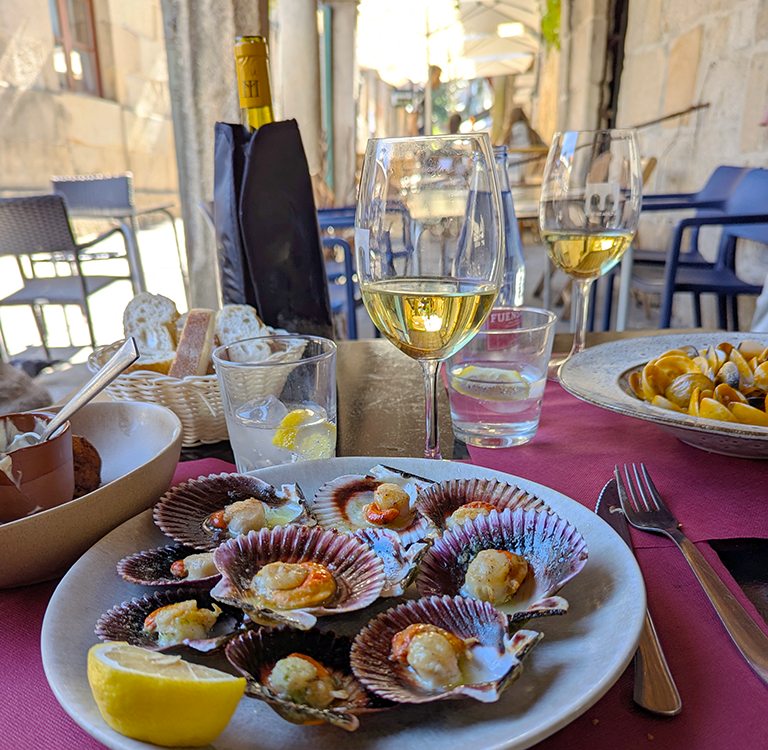
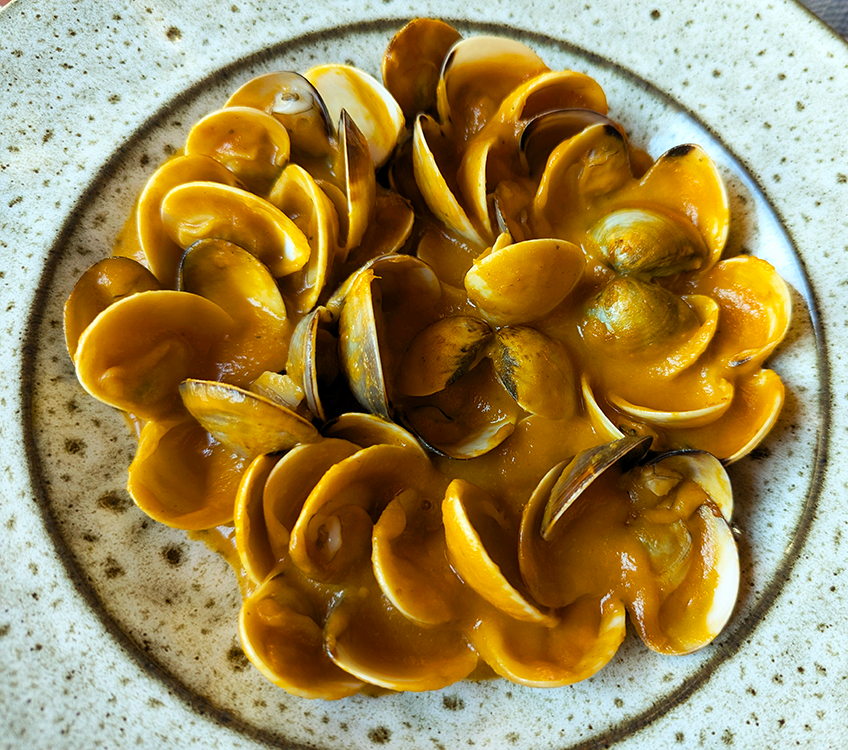
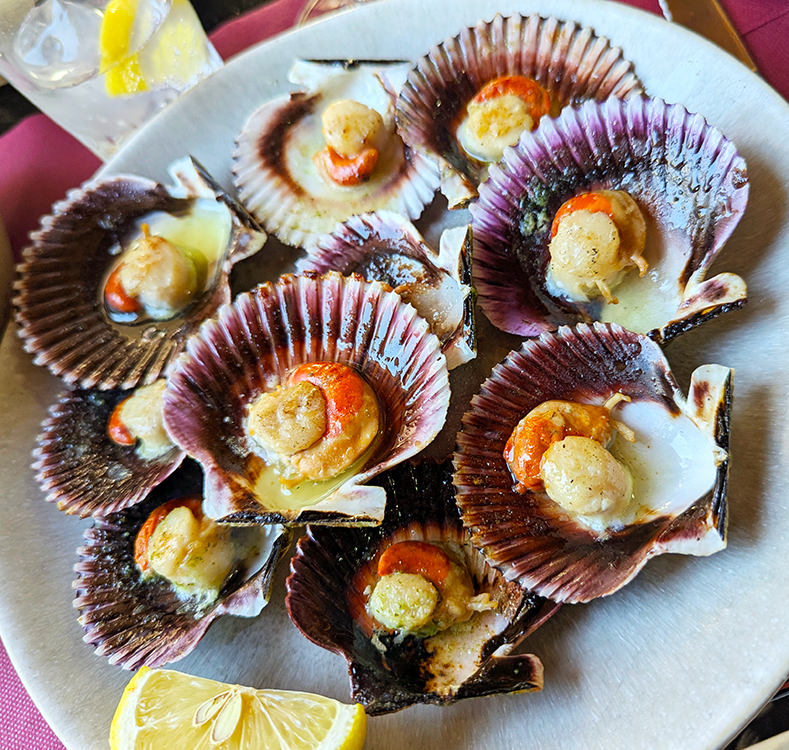
Above: Taberna de Felix
A typical example of small-world-dom occurred one afternoon. A young woman at a nearby table recognized our accents (Did I pick up an accent in San Antonio?) as similar to home. Introducing herself, Angela only recently had relocated with her husband, a native of Pontevedra. Right before moving, they enjoyed a dinner with Mimi and David, former neighbors of ours in River Road.
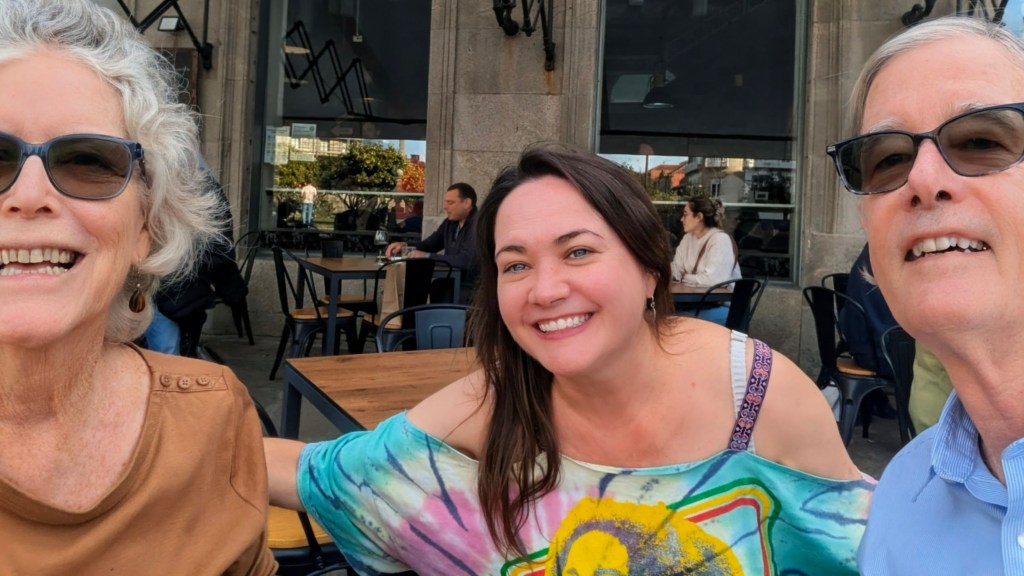
Even for those not hiking to their destinations, connections amongst fellow andariegos and peregrinos occur along the camino.
 Postcards from Barton Springs