
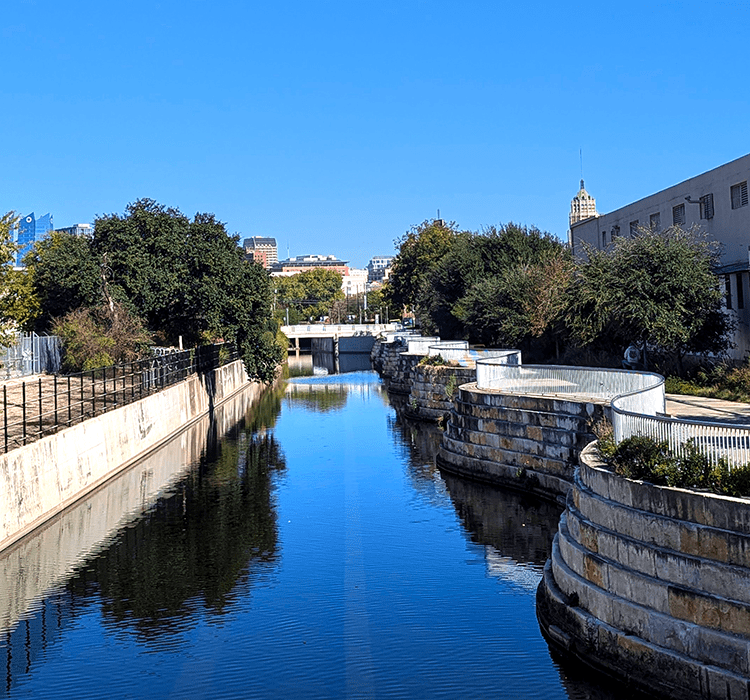
Above: Looking northward to downtown from San Pedro Culture Park pathways
If you follow the ruta of San Pedro Creek, you are on a pilgrimage rooted in the past, destined for the future. As in some ancient legend, a city emerged out of these waters. A city bubbled forth out of this spring-fed stream, running from long before there was anyone here to witness it – or drink from it…. If this creek could speak, in whispers of song, or poetry, it might tell the story of the city that it birthed, brought to the light of history, its most extraordinary, and perhaps unexpected, progeny. Whispers of memories, echoes of song, rhythms of poesy, drumbeats and bugles, punctuated by cannonades – and long intervals of peace.”
“A Creek Tells Its Story: The Mythic Narrative of San Pedro Creek,” John Phillip Santos
Our rare quick trips to San Antonio tend to involve friends and family, so exploring the two miles of improvements along San Pedro Creek is taking a while. In December, we walked a small segment of the former degraded ditch that has been transformed into San Pedro Cultural Park.
Rather than repeat the background, here are links to my earlier blogs: first post, 2018; second post, 2024. Below, find images taken along a newer stretch.
‘A Place of Origins’ is inspired by A Creek Tells its Story by John Phillip Santos. In it, Santos writes that the Aztecs called their original homeland ‘The Place of Herons.’”
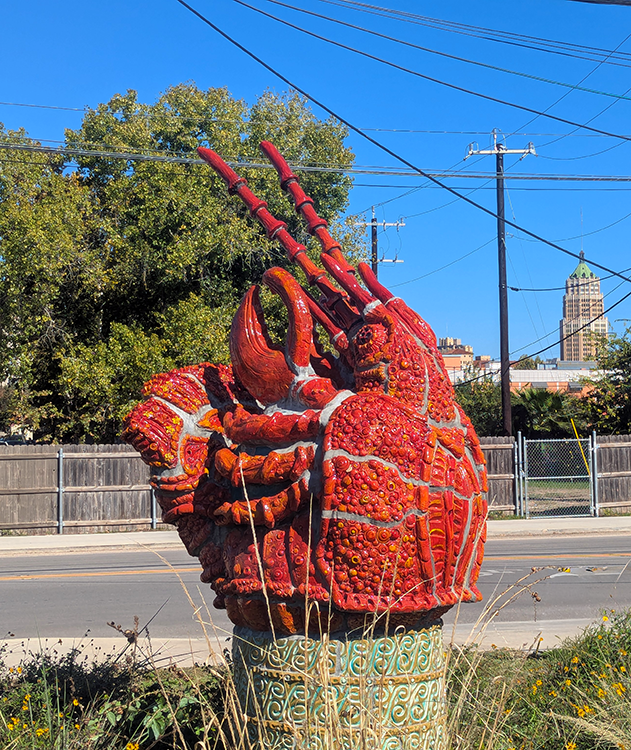
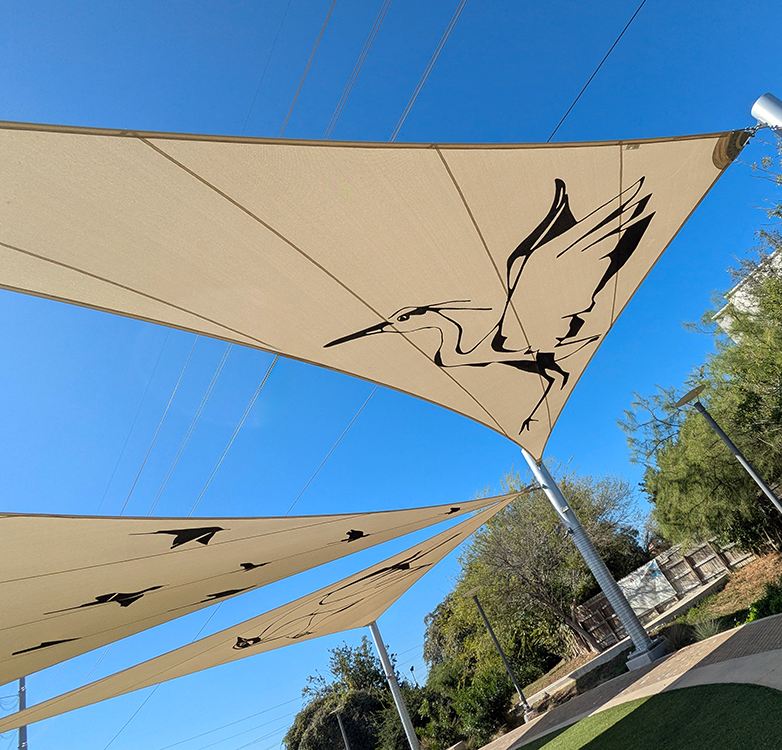
Above left: “Pedro Antonio Crayfish,” Diana Kersey. Right: “A Place of Origins,” Rikkianne Van Kirk.
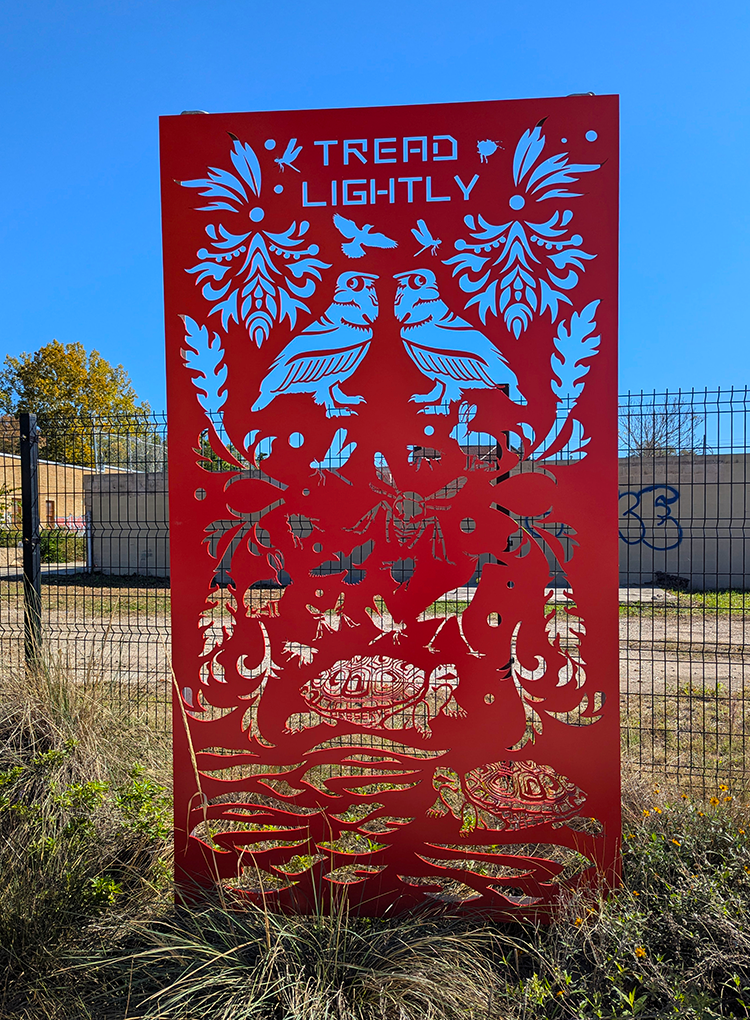
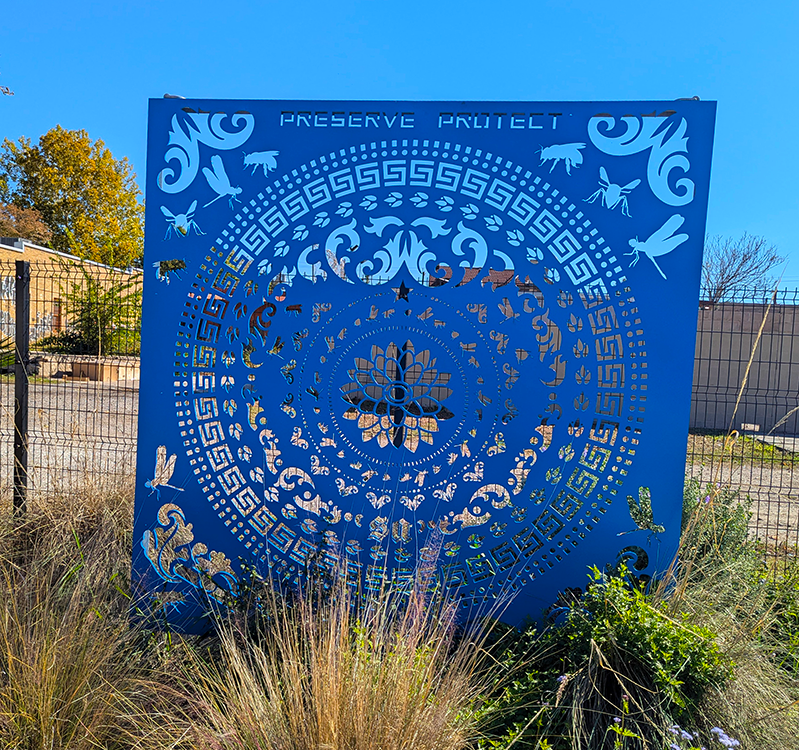
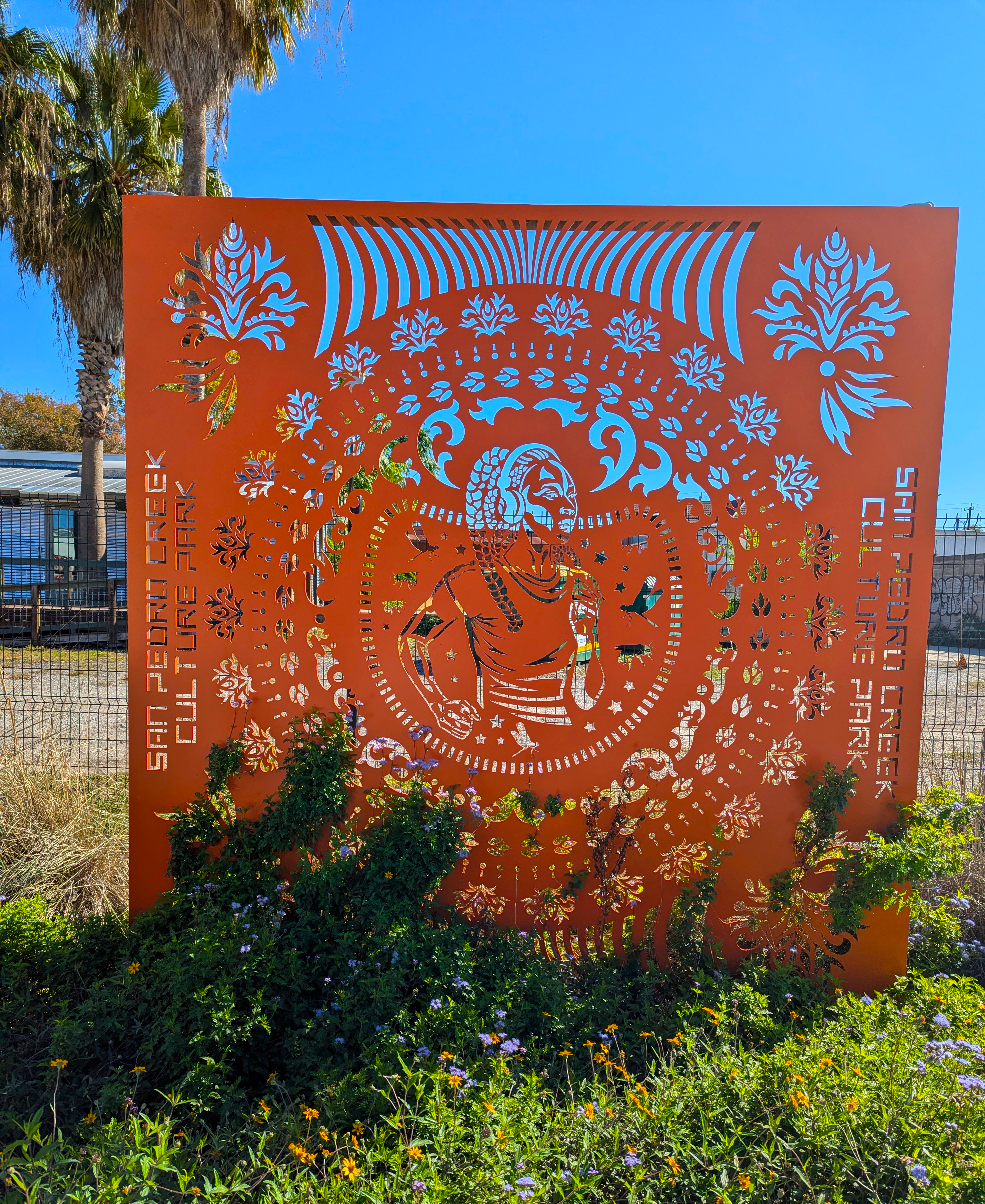
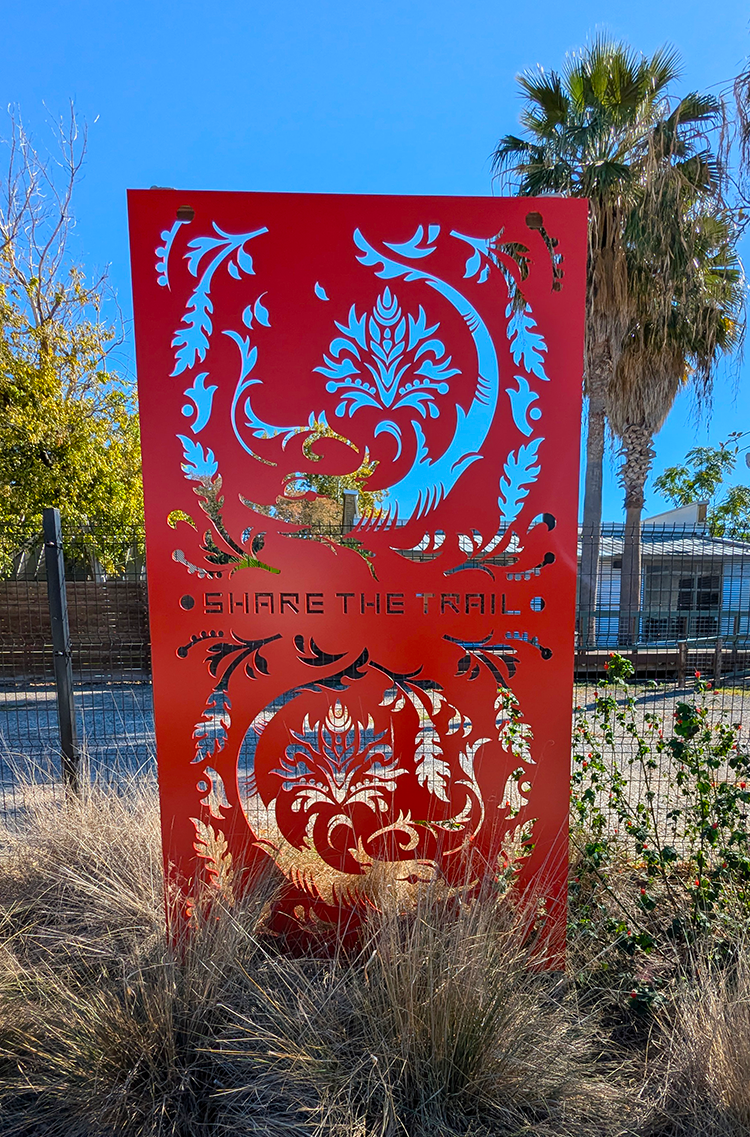
Above: “The Spirit of San Pedro Creek,” Elizabeth Walker Carrington.
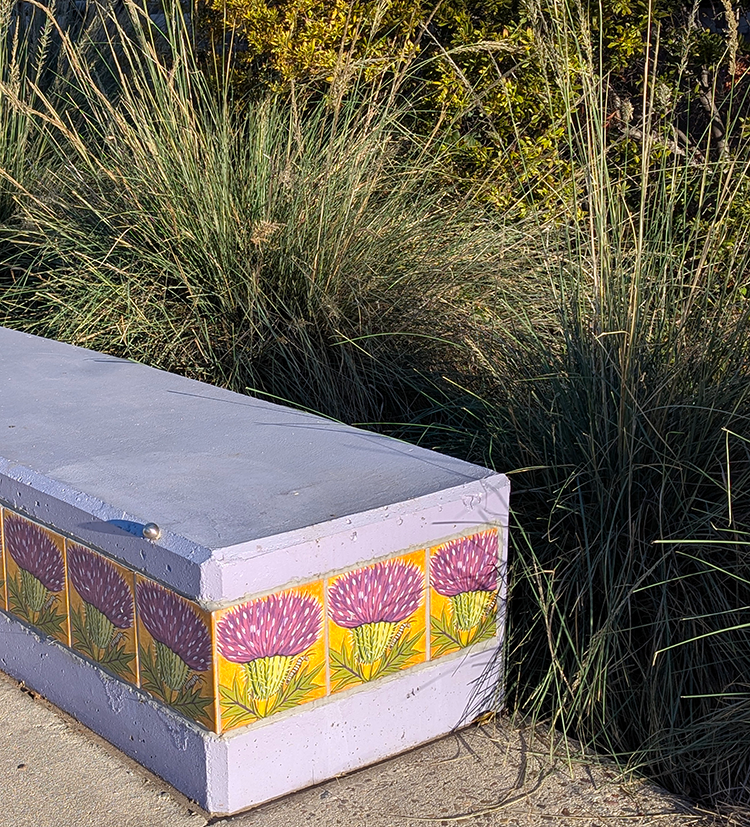
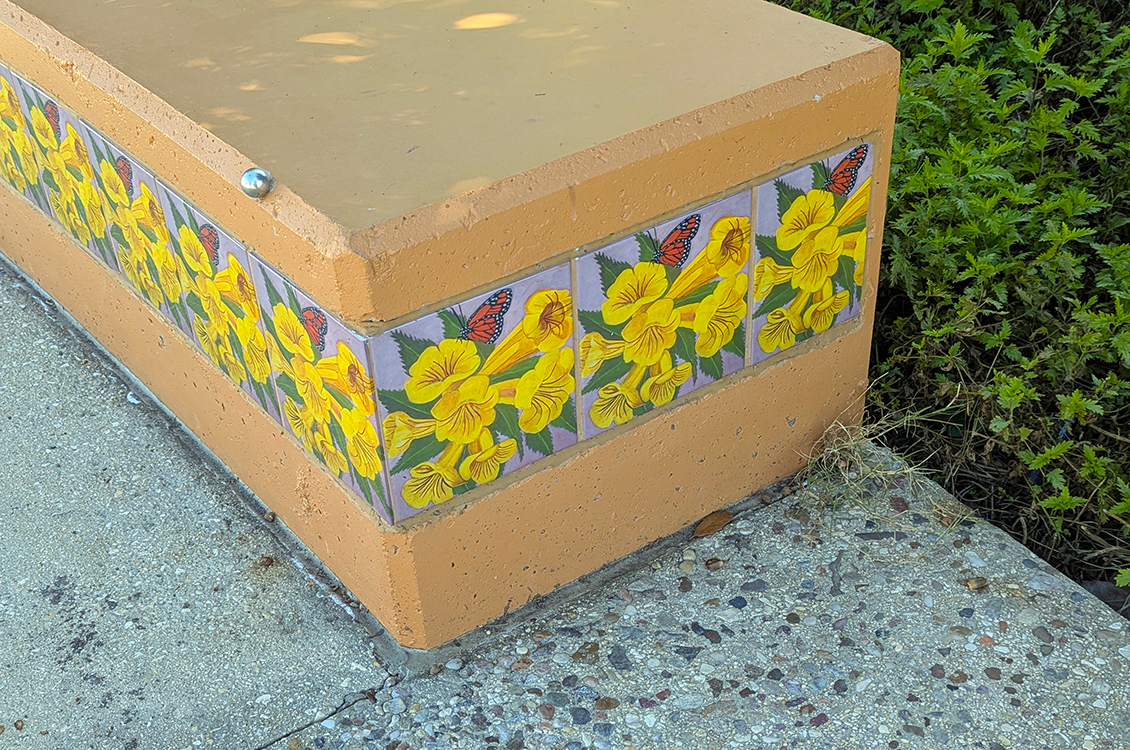
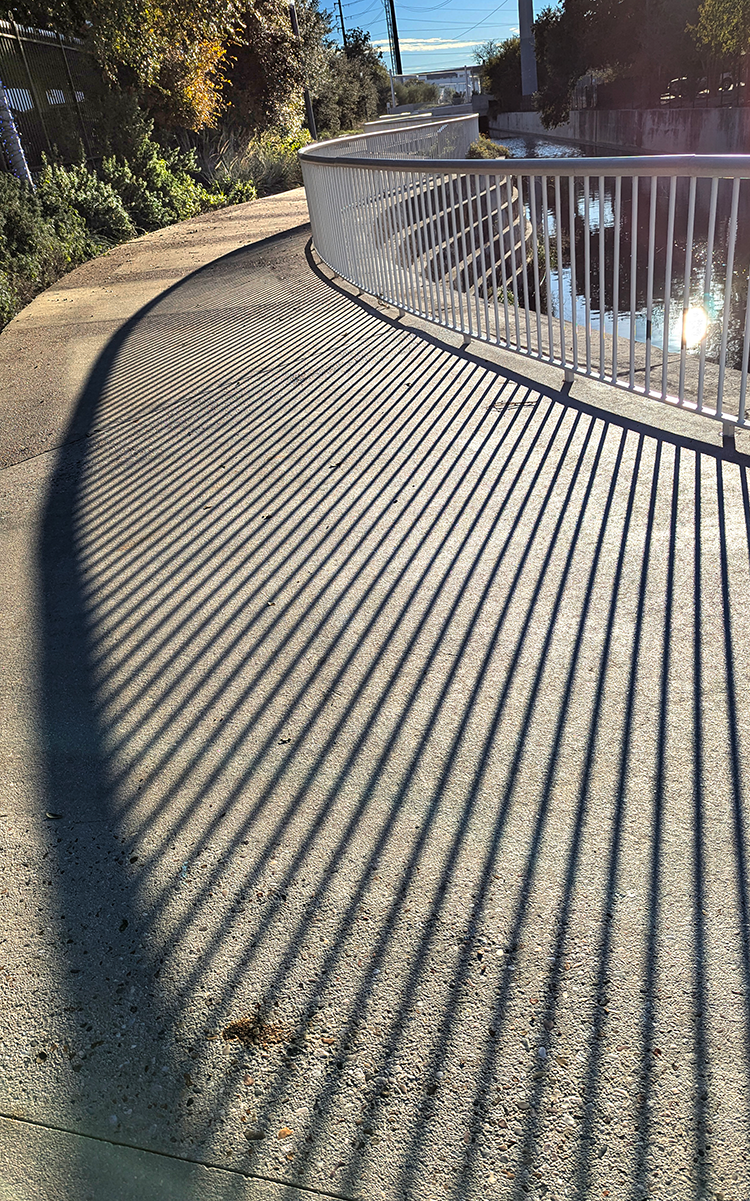
Above left: “San Antonio Flowers,” Leticia Huerta Studio. Right: Heading southward from downtown along San Pedro Creek.
Detour time. Thirst and hunger inspired us to walk over for brunch at Leche de Tigre, a Michelin-listed restaurant on Cevallos Street that opened after we moved to Austin. Don’t expect to find any Michelin stuffiness at this Peruvian cevicheria. We greedily partook of holiday pisco sours; grilled scallop skewers; mixed fish tirradito bathing in leche de tigre; and a not-too-miss fennel salad.

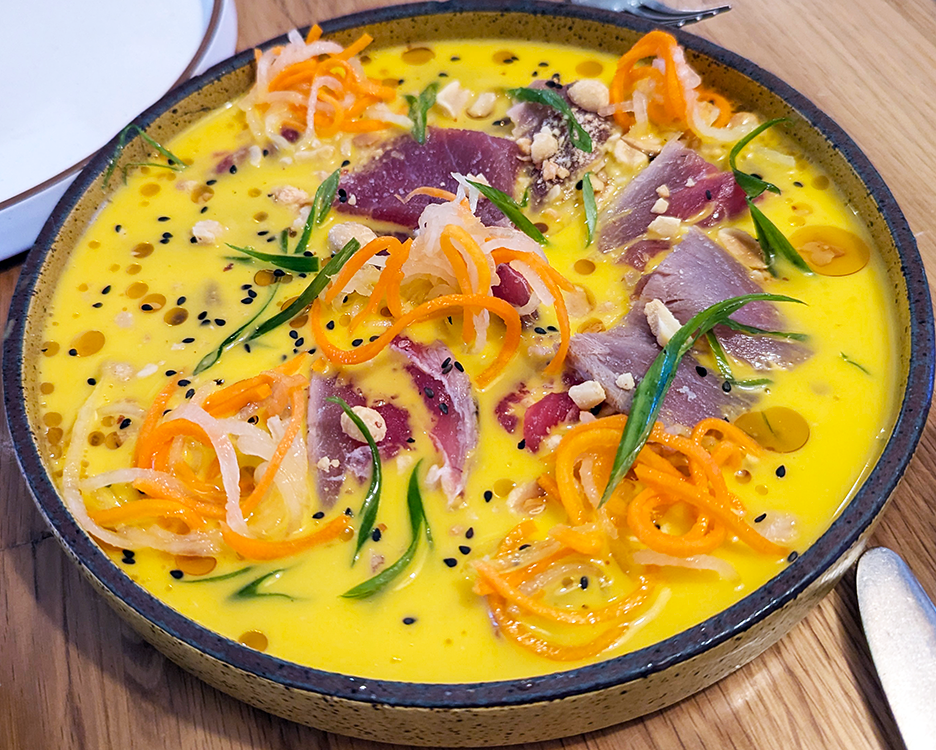
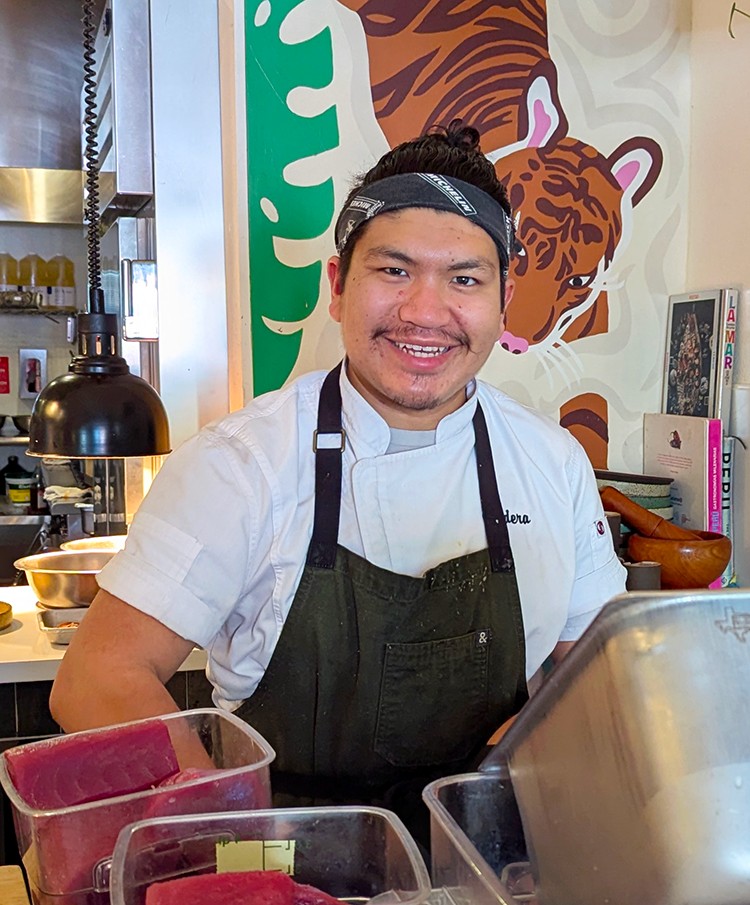
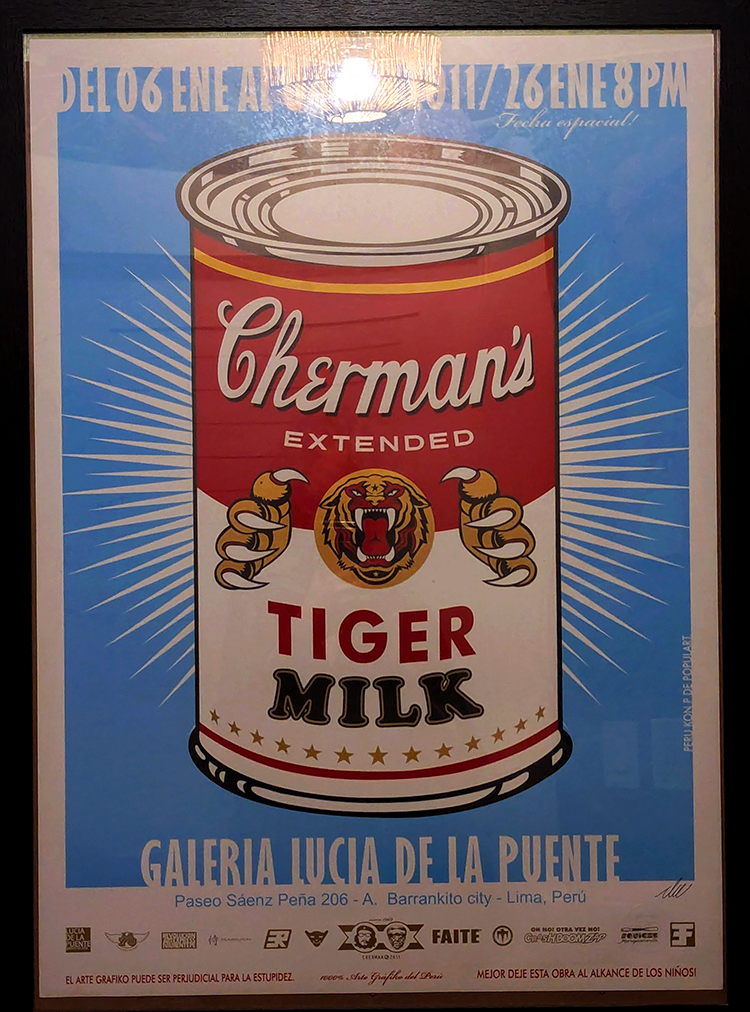

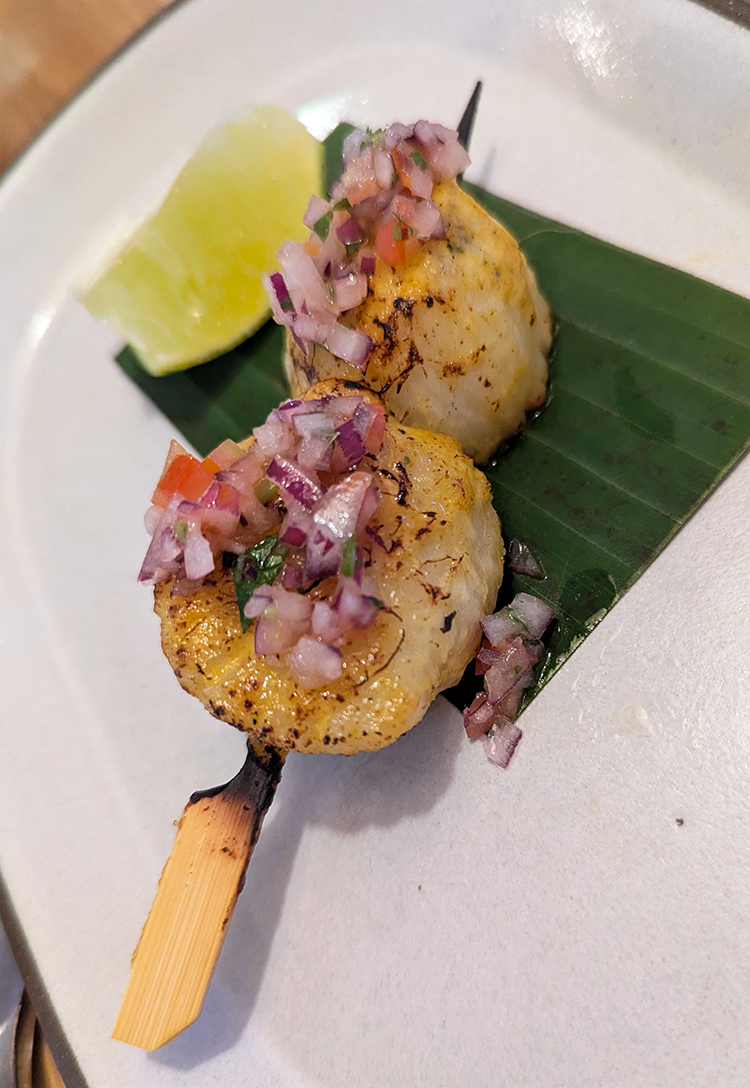
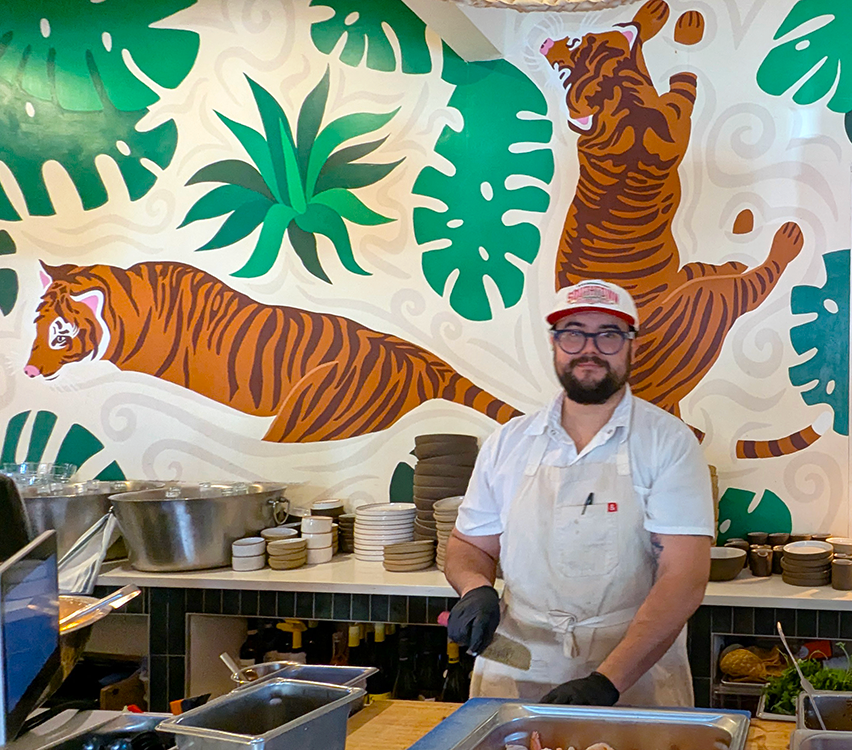
Above: Leche de Tigre
Once on Cevallos, we decided we might as well saunter over to Contemporary at Blue Star, where we encountered 160 pieces of art displayed for the gallery’s annual Red Dot fundraiser. While we enjoyed seeing new work by artists with whom we had been familiar for years, it was exciting to be introduced to many artists whose work we had never encountered before.
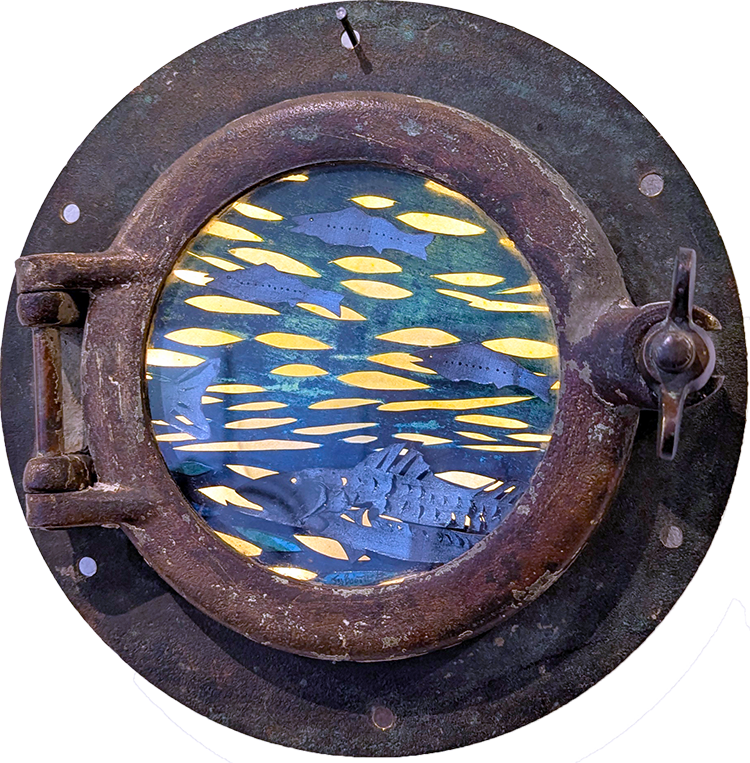
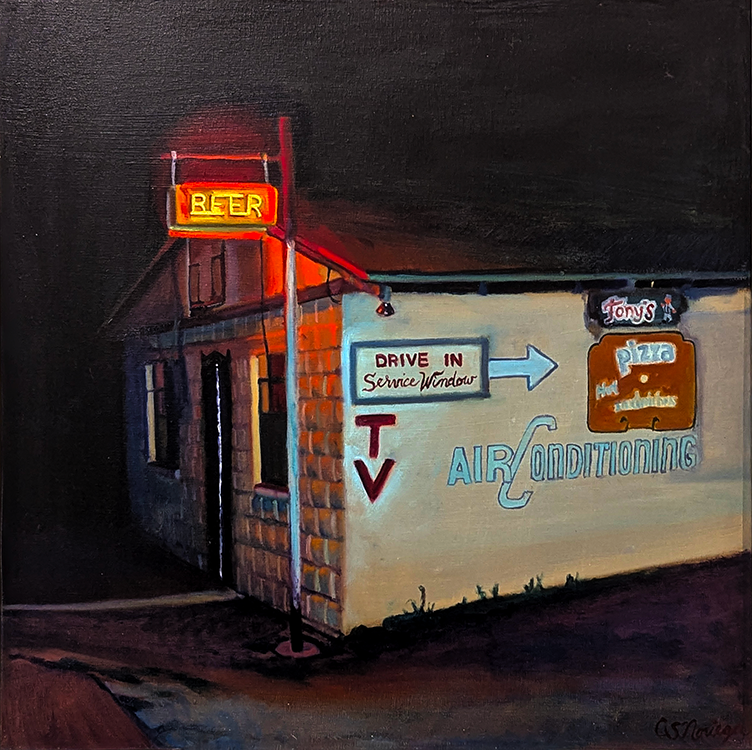
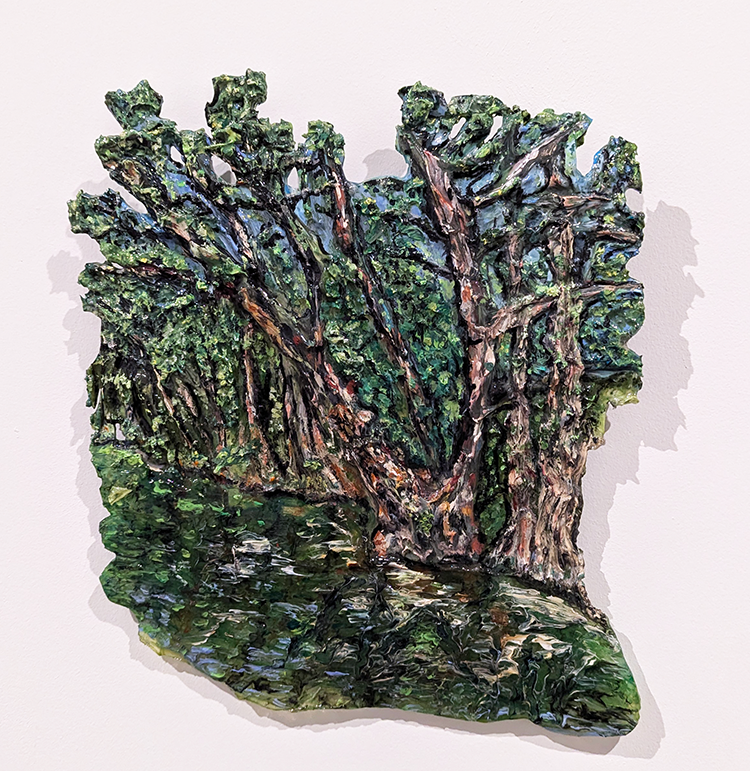
Above left: “Protogynous Pisces,” Sabra Booth, 2023. Top right: “Ray’s Bar Marfa,” Cristina Sosa Noriega, 2008. Bottom right: “Wimberley Blue Hole Super Impasto,” Julene Franki, 2022.
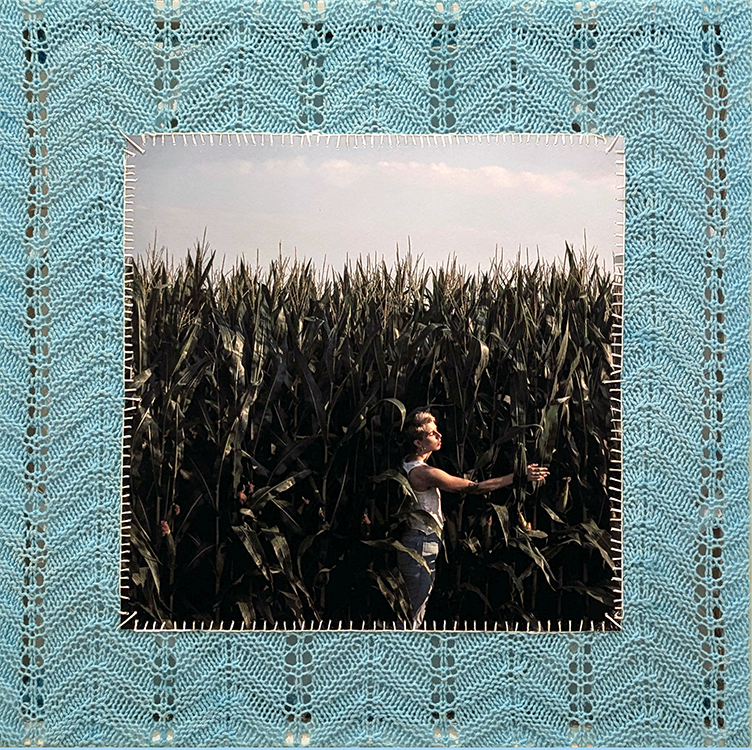
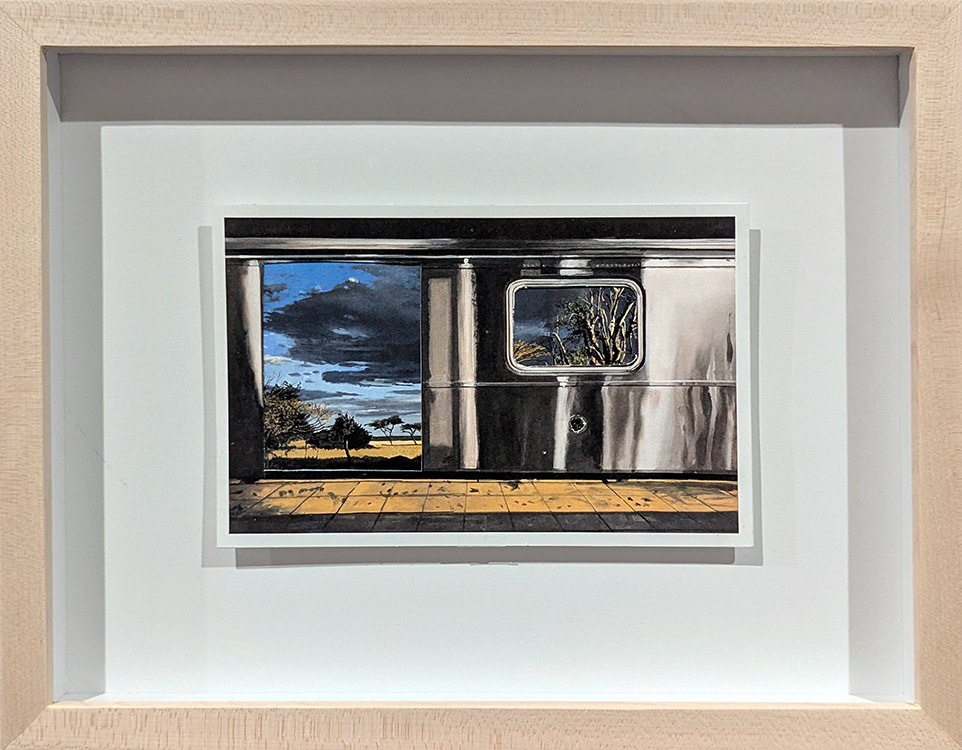
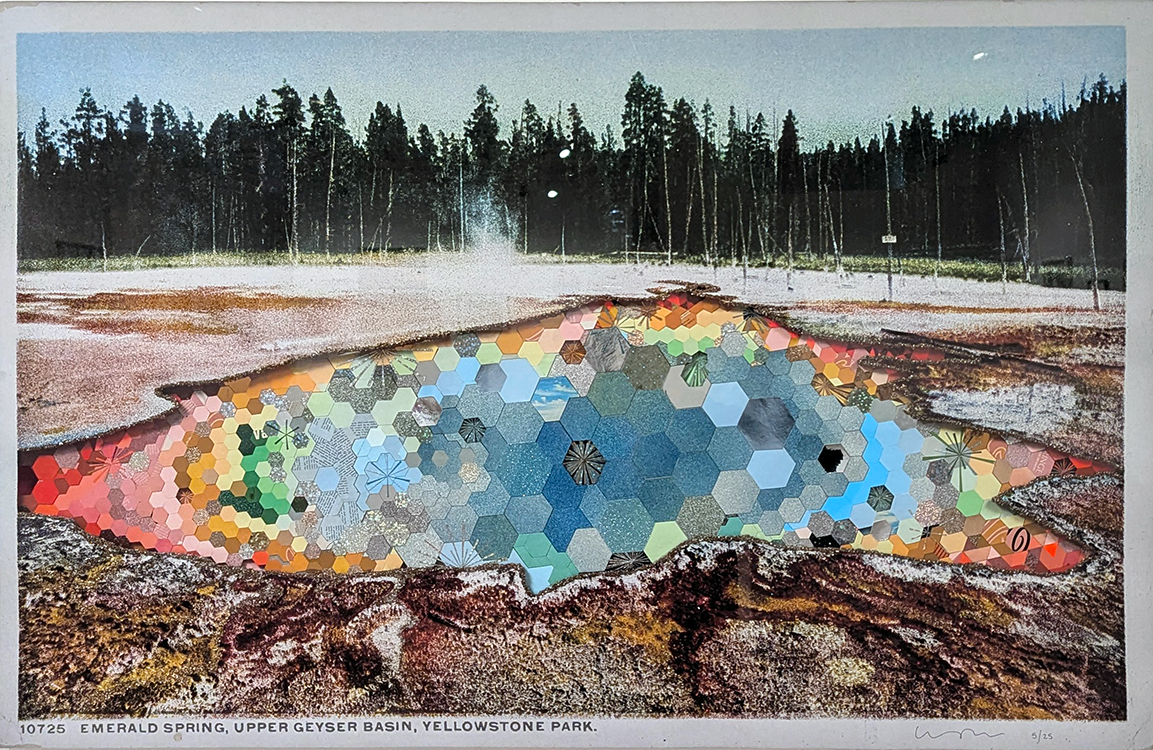
Above left: “Reaching,” Jo E. Norris, 2023. Top right: “Harambe,” Raffael Fernando Gutierrez, Jr., 2023. Bottom right: “Plunge Pool: Yellowstone, Emerald Springs Geyser,” Kelly O’Connor, 2022.
The fourth in my series interpreting the figure of the Anima Sola (or Lonely Soul) in traditional Catholic devotional iconography, ‘The Gate’ depicts a soul trapped in the fires of purgatory, serene but captive and alone.”
Artist Statement, Lauren Raye Snow, Contemporary Red Dot Sale
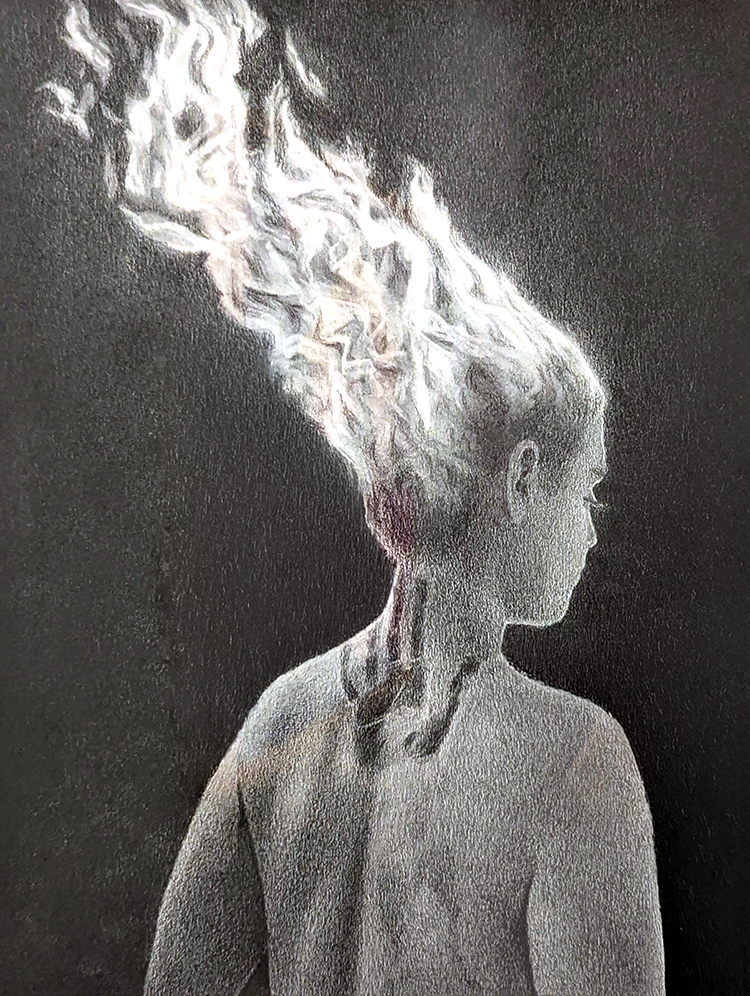
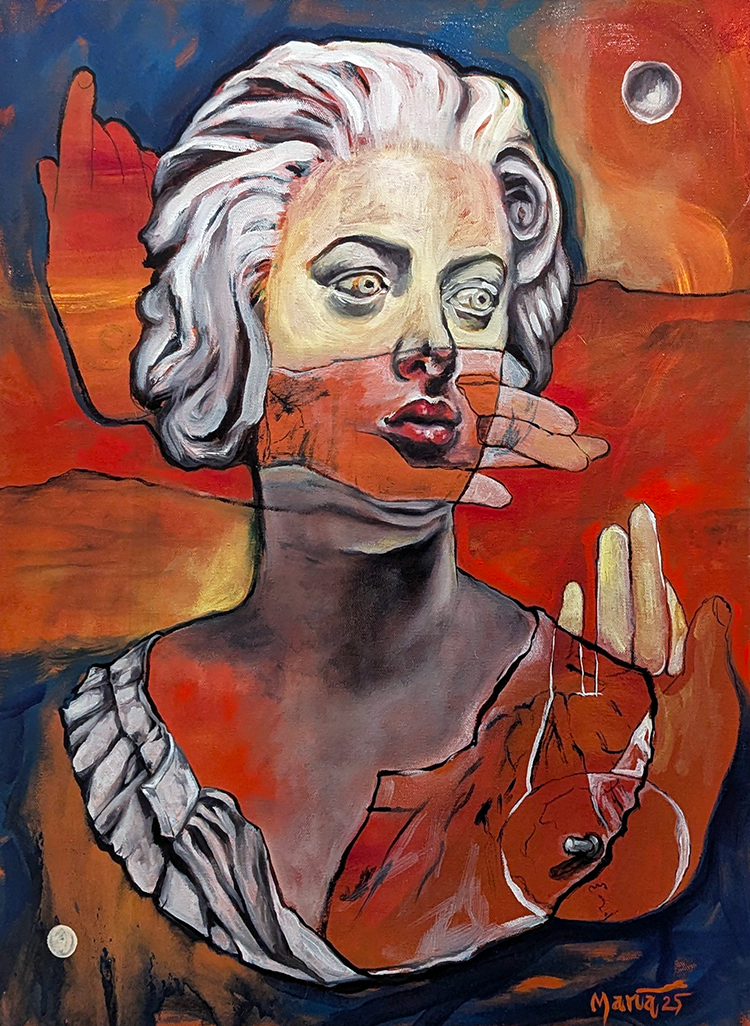
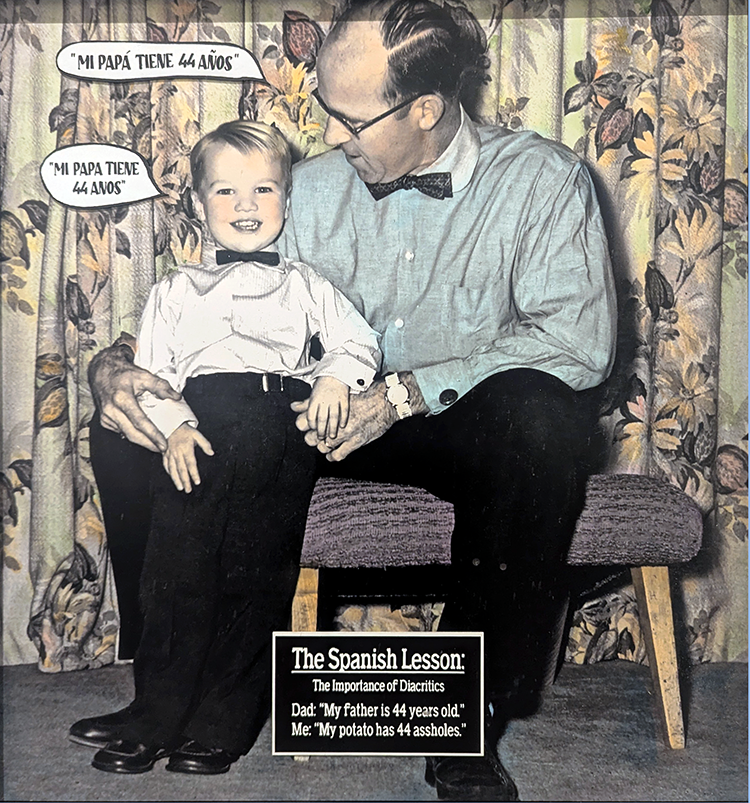
Above left: “The Gate (Anima Sola IV),” Lauren Raye Snow, 2023. Middle: “Stone Cold,” Maria Jessica Brown, 2025. Right: “The Spanish Lesson,” Gary Sweeney, 2025.
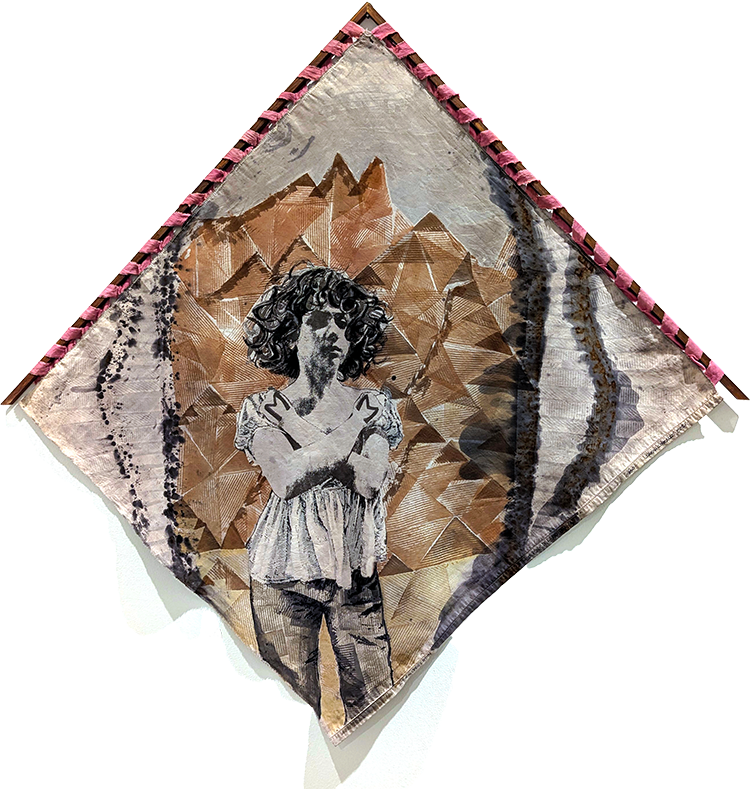
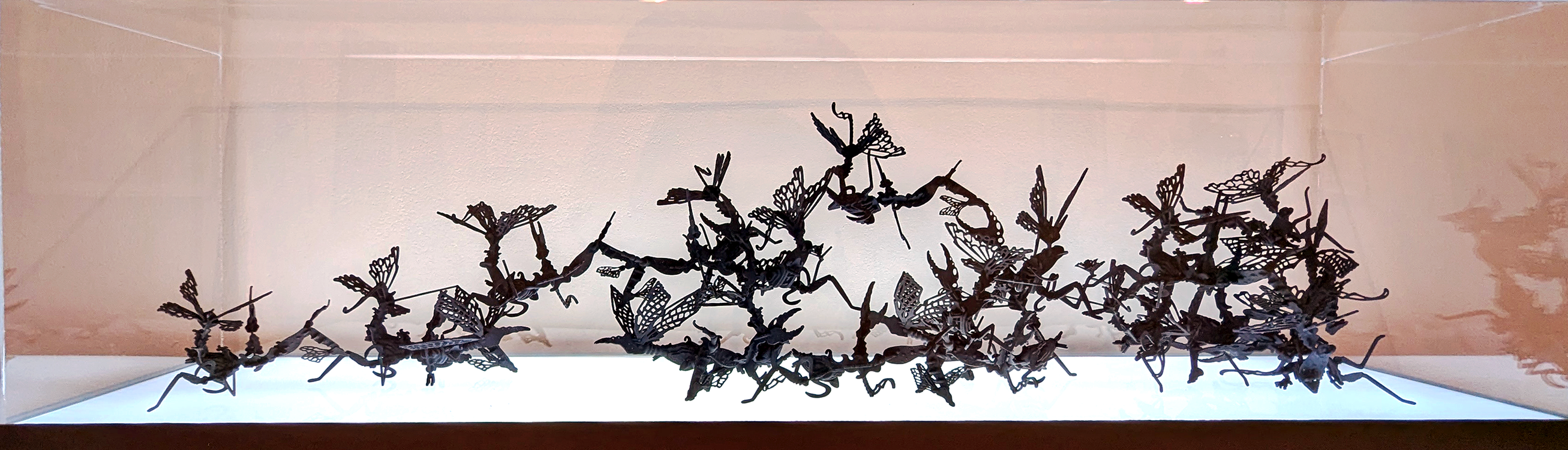
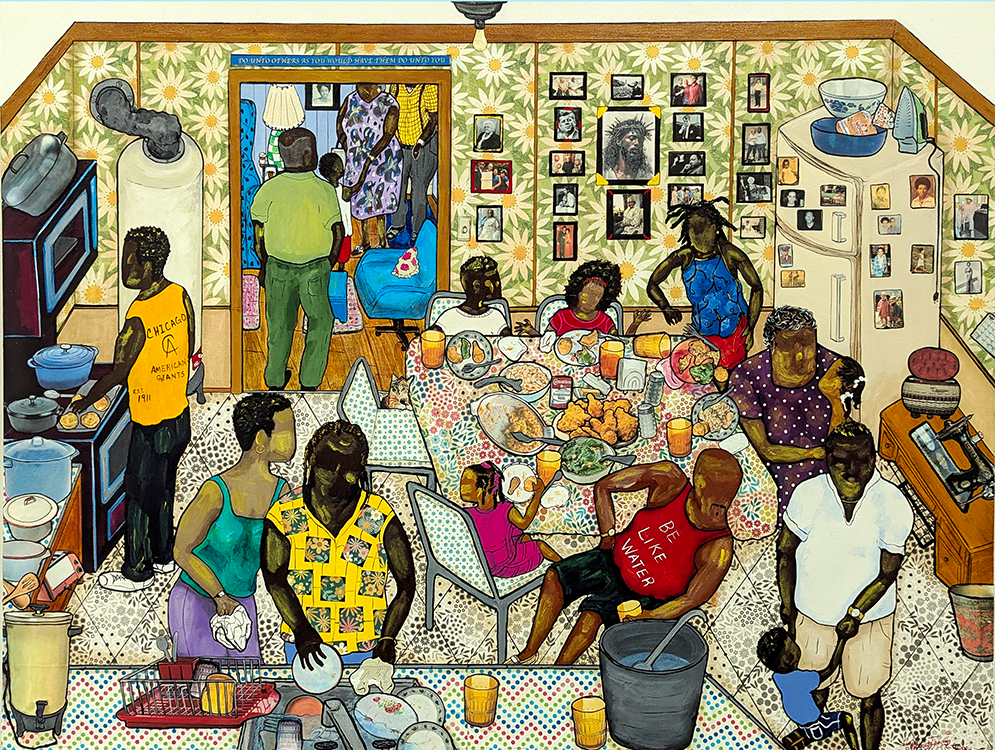
Above left: “Musa Punk Rio Brava,” Sarah Gonzales Busse, 2025. Middle: “On the Move,” Jayne C. Lawrence, 2015. Right: “People in the Kitchen,” Carmen Cartiness Johnson, 2024.
And, hey, it’s not too late. The website page offering Red Dot works for sale is still operational.
Next we headed back across SoFlo to where we originally parked.
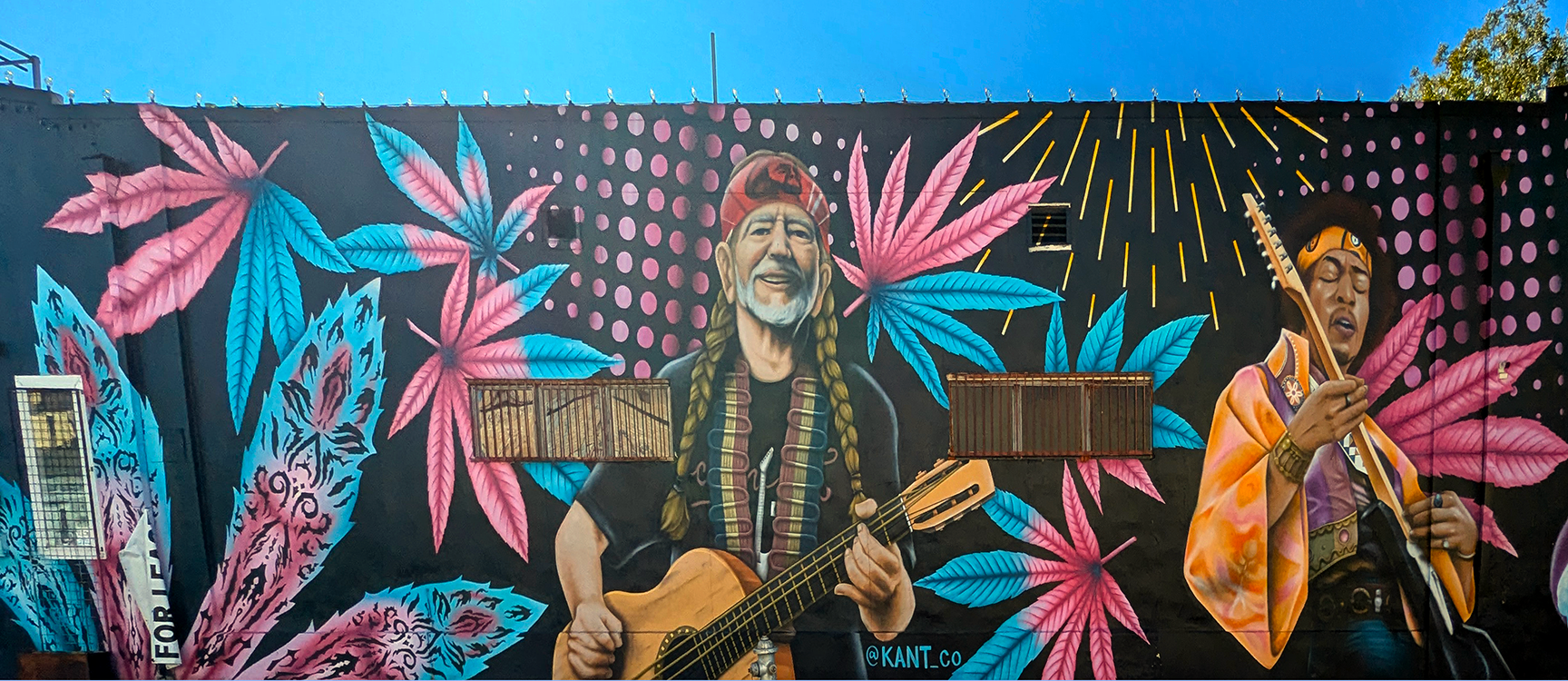
Above: Portion of “Powder,” 2024 mural by Alberto Garza, known as KANT_Co, at the corner of South Flores and Guadalupe Streets.
Upon reaching our car, we realized we could duck into Ruby City for one more dose of art.
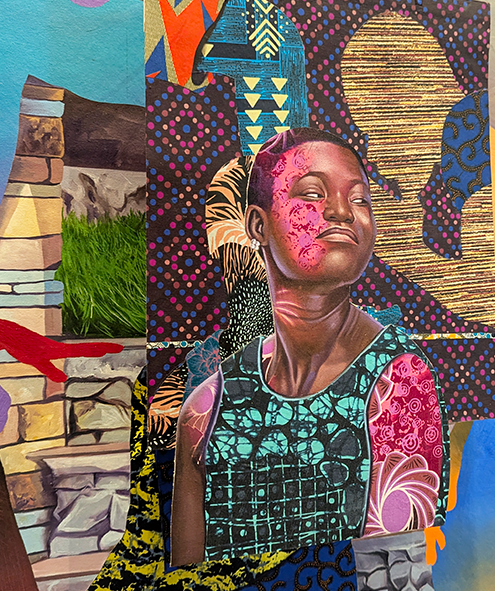
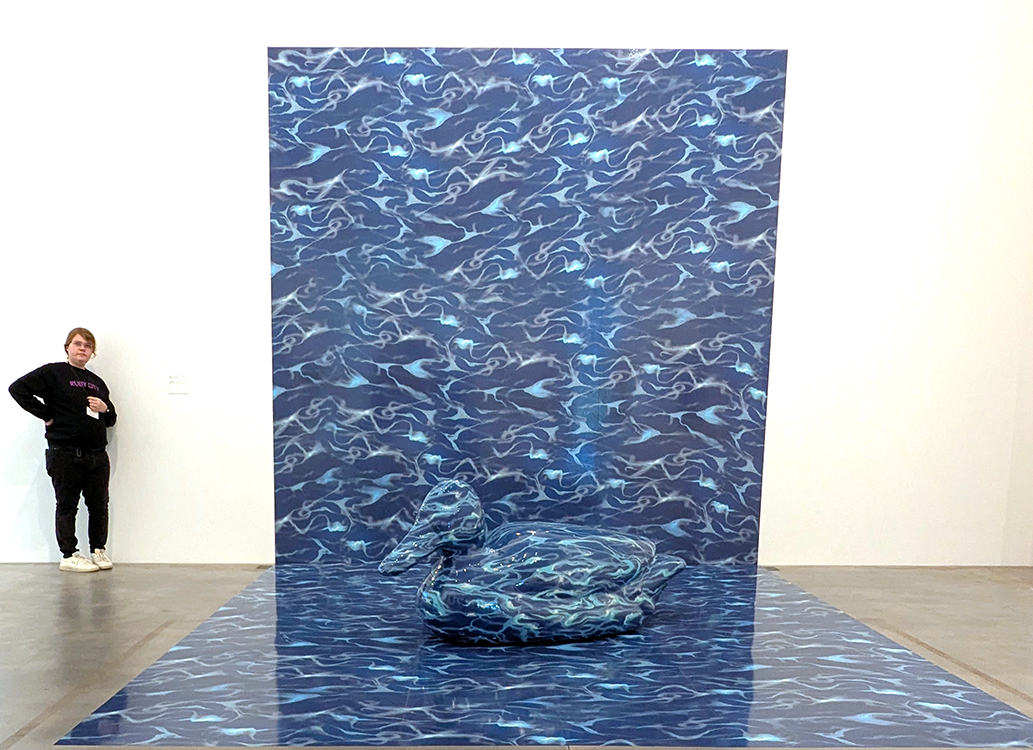
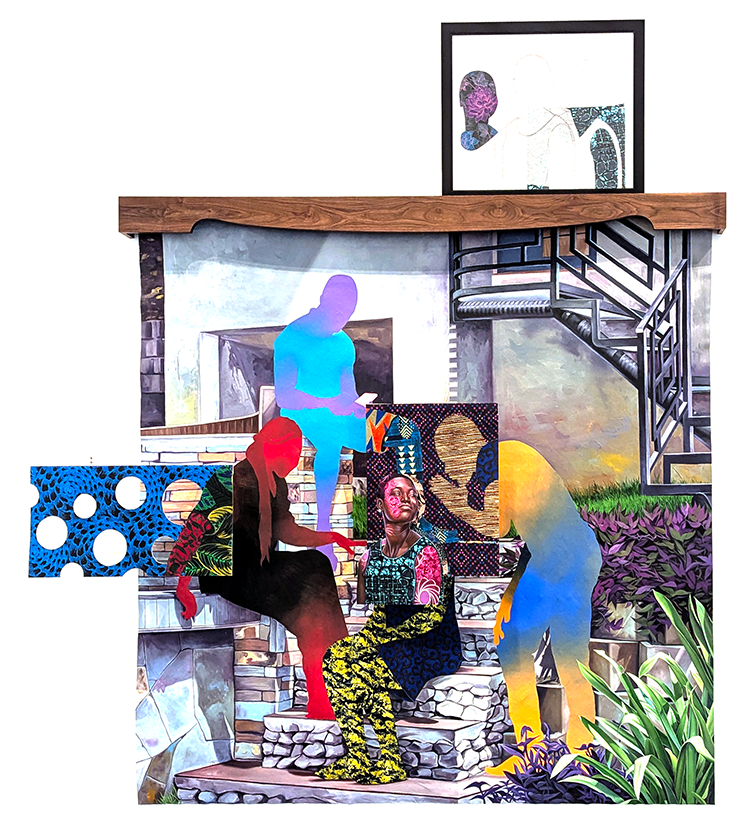
Above left and bottom right: “Historical Gossip,” Patrick Quarm (1988-), 2024. Top right: “Decoy,” David Jurist (1959-), 2002.
At the heart of the exhibition is a four-channel video, Bedroom Paintings (2024), in which 18 of the artist’s friends and family members perform nightly rituals…. Organized around four themes—sleeping, thrashing, pill-taking & water-drinking, and dreaming—the piece invites viewers into an intimate, layered narrative shaped by collaboration, family, and memory.”
“Joey Fauerso: Bedroom Paintings,” Ruby City Website
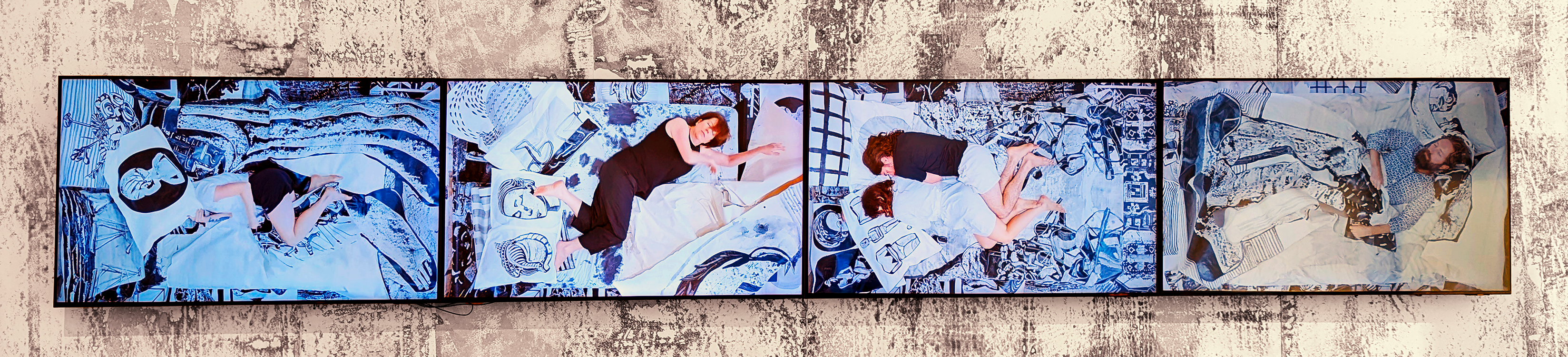
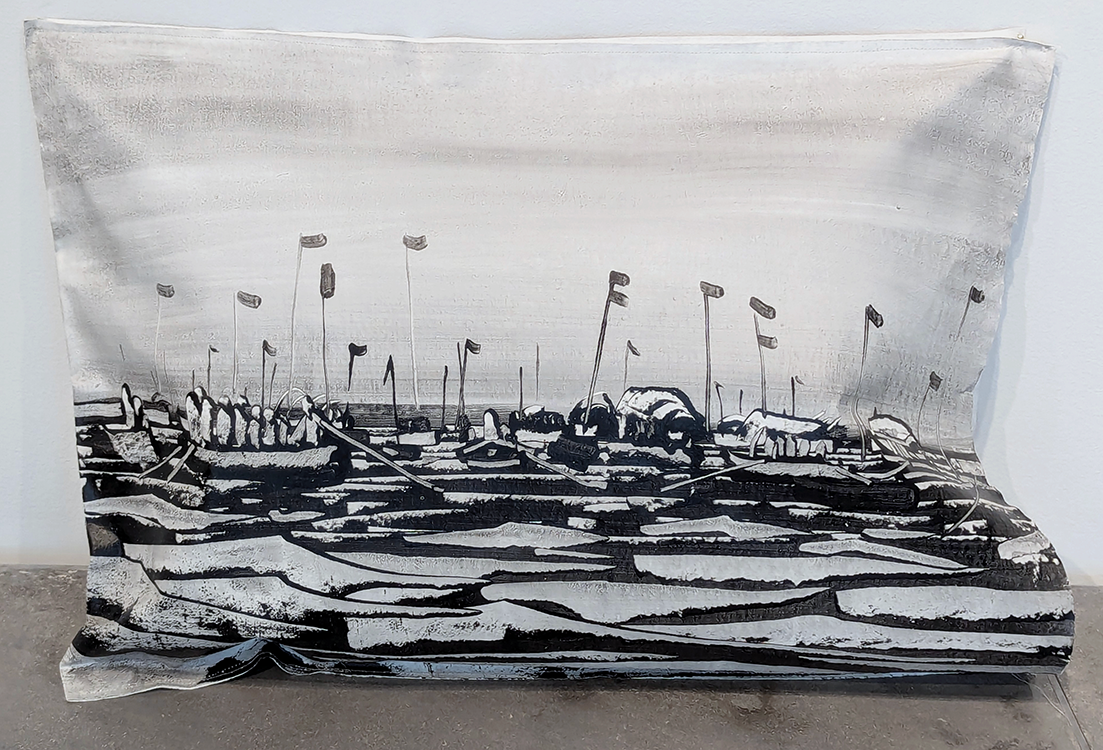
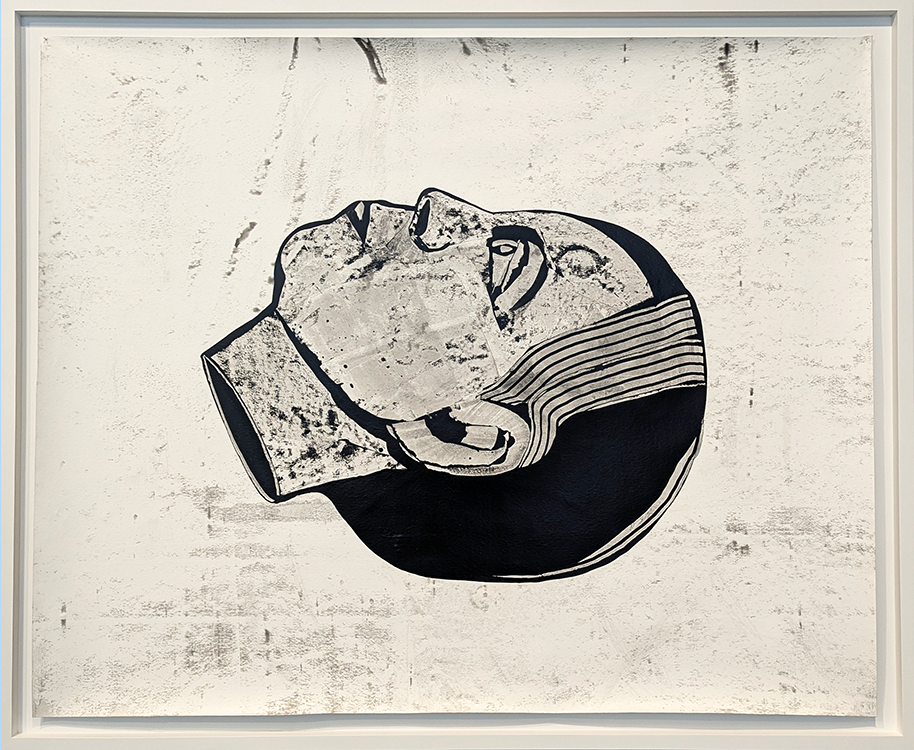
Above top: “Bedroom Paintings,” video, 2024. Bottom left: “Bedroom Pillow,” 2024. Right: “The Crack-Up,” 2024. All by Joey Fauerso and on display at Ruby City until May 10.
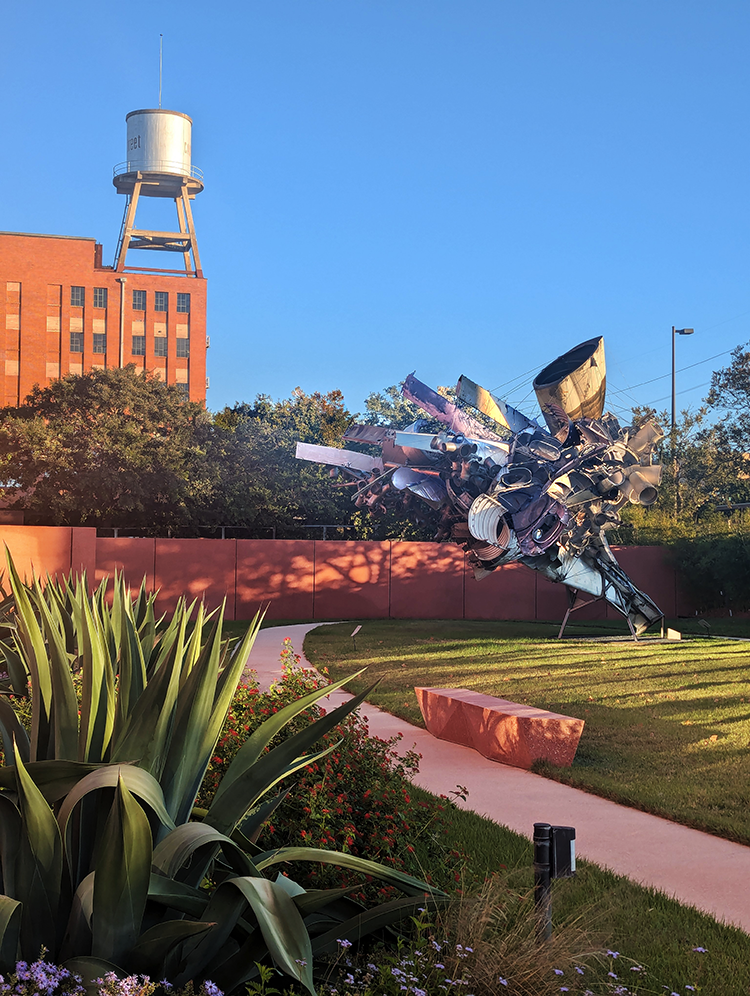
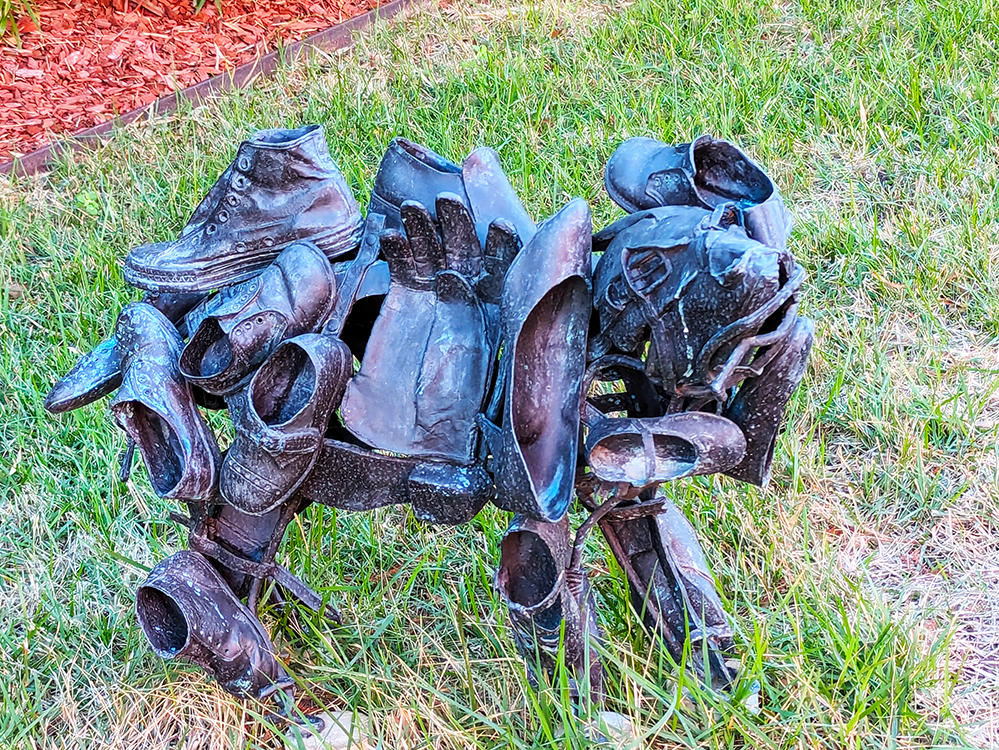
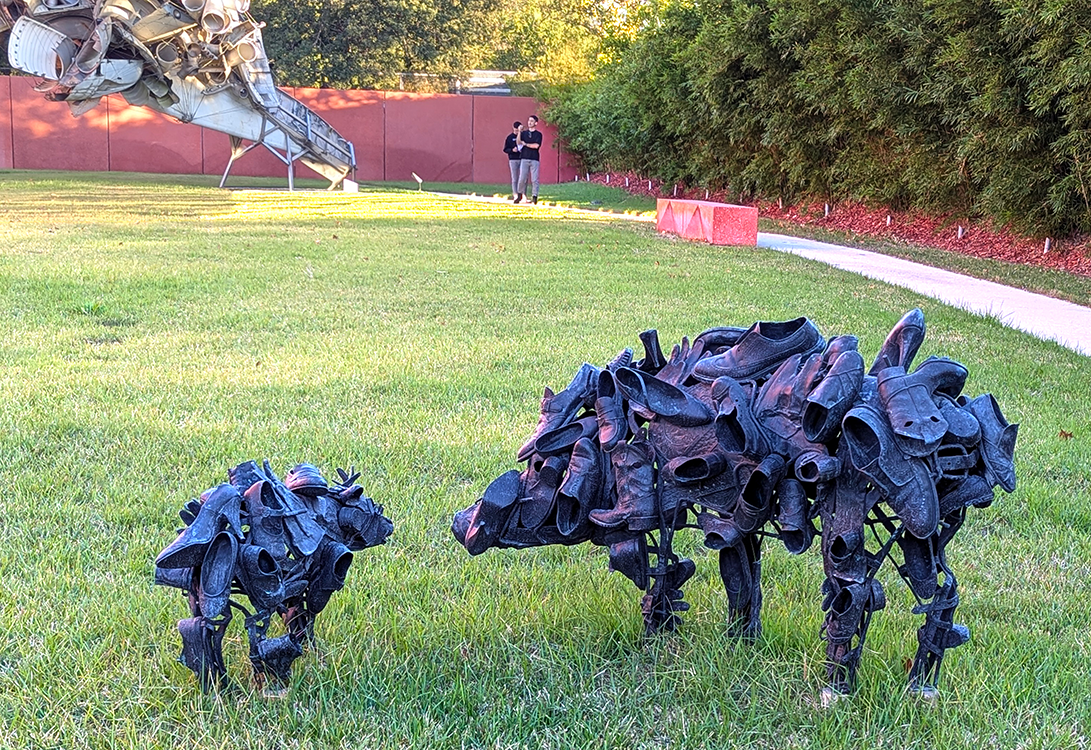
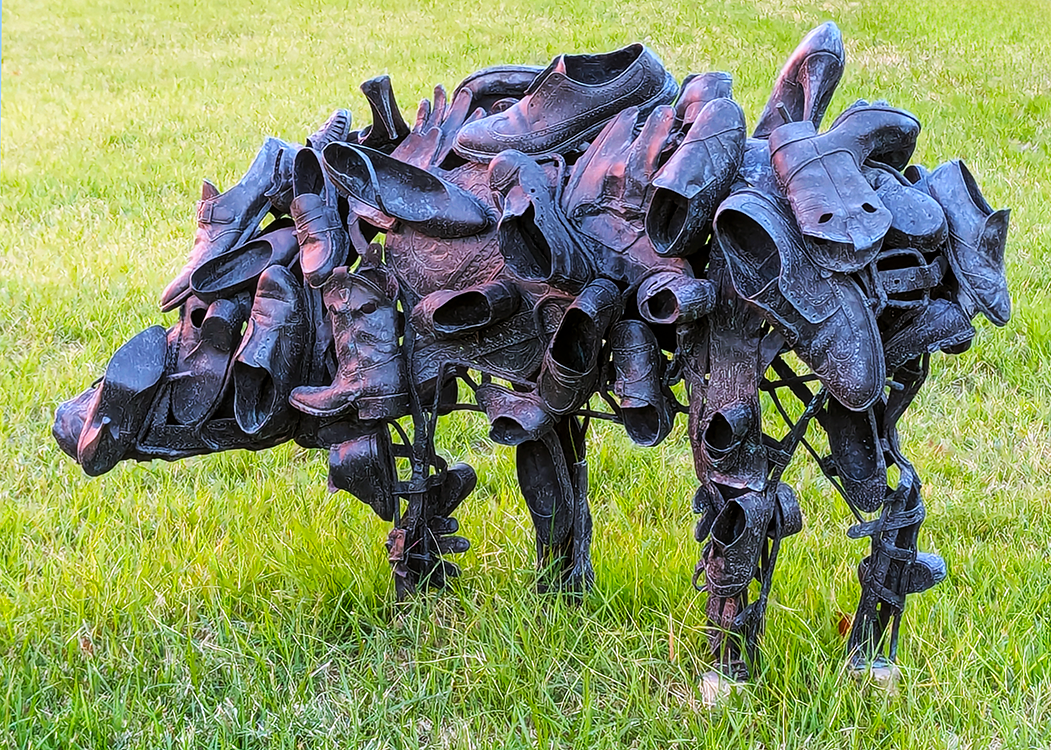
Above left: Ruby City Sculpture Garden with piece by Nancy Rubin (1952-). On right: “Jefa” and “Boss,” bronzed shoe sculpture by Ken Little (1947-), 1994-1995.
Our visit ended with a festive party at Maria’s Cafe on Nogalitos. All the years I spent proofreading river publications at San Antonio Press, how come no one ever steered me to Maria’s for lunch? Coincidentally, after taking photos of the javelina sculptures at Ruby City earlier, we bumped into artist Ken Little at Maria’s.
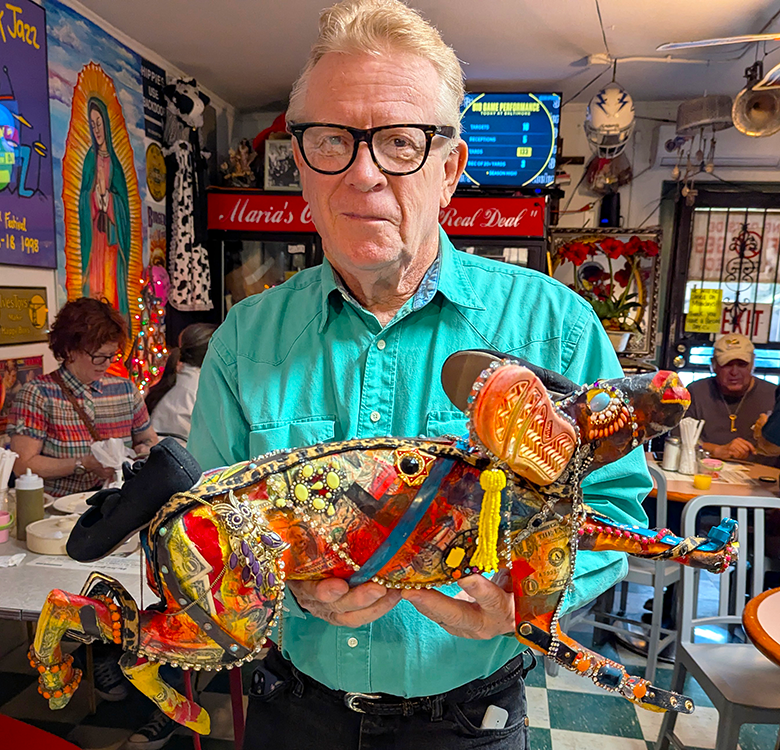
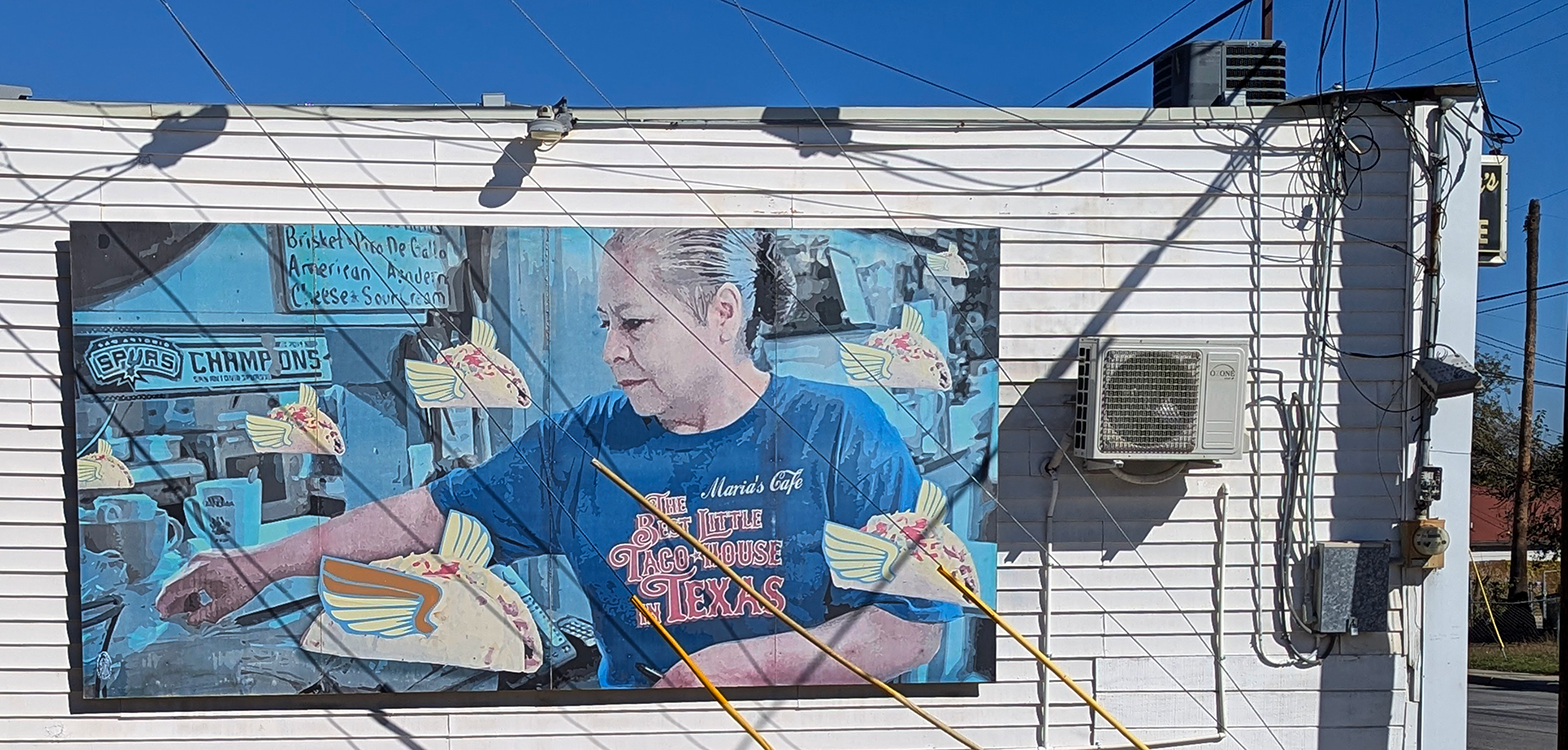
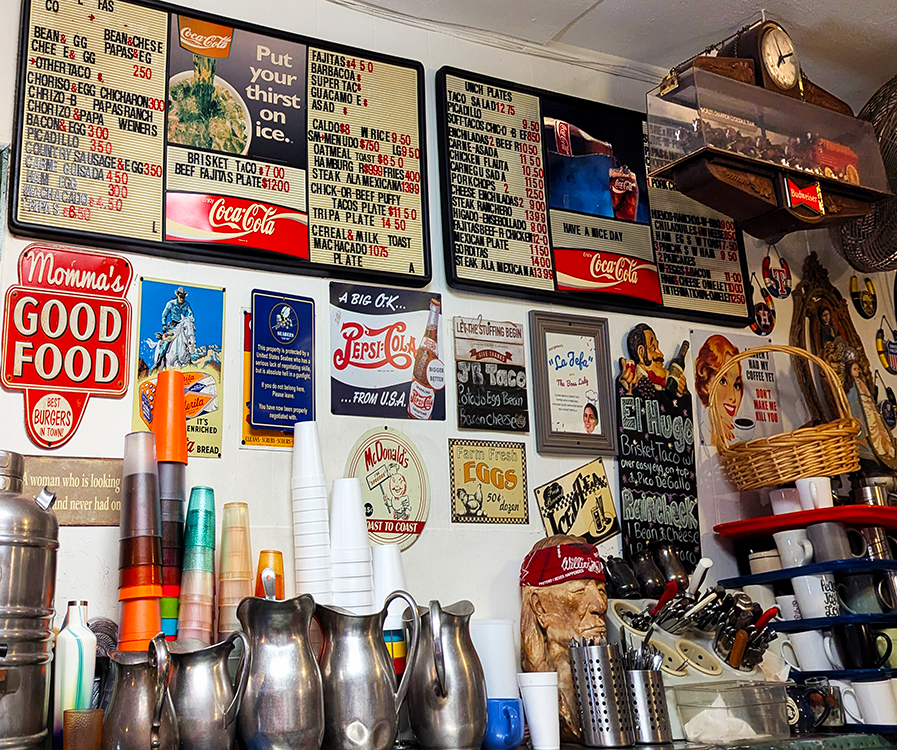
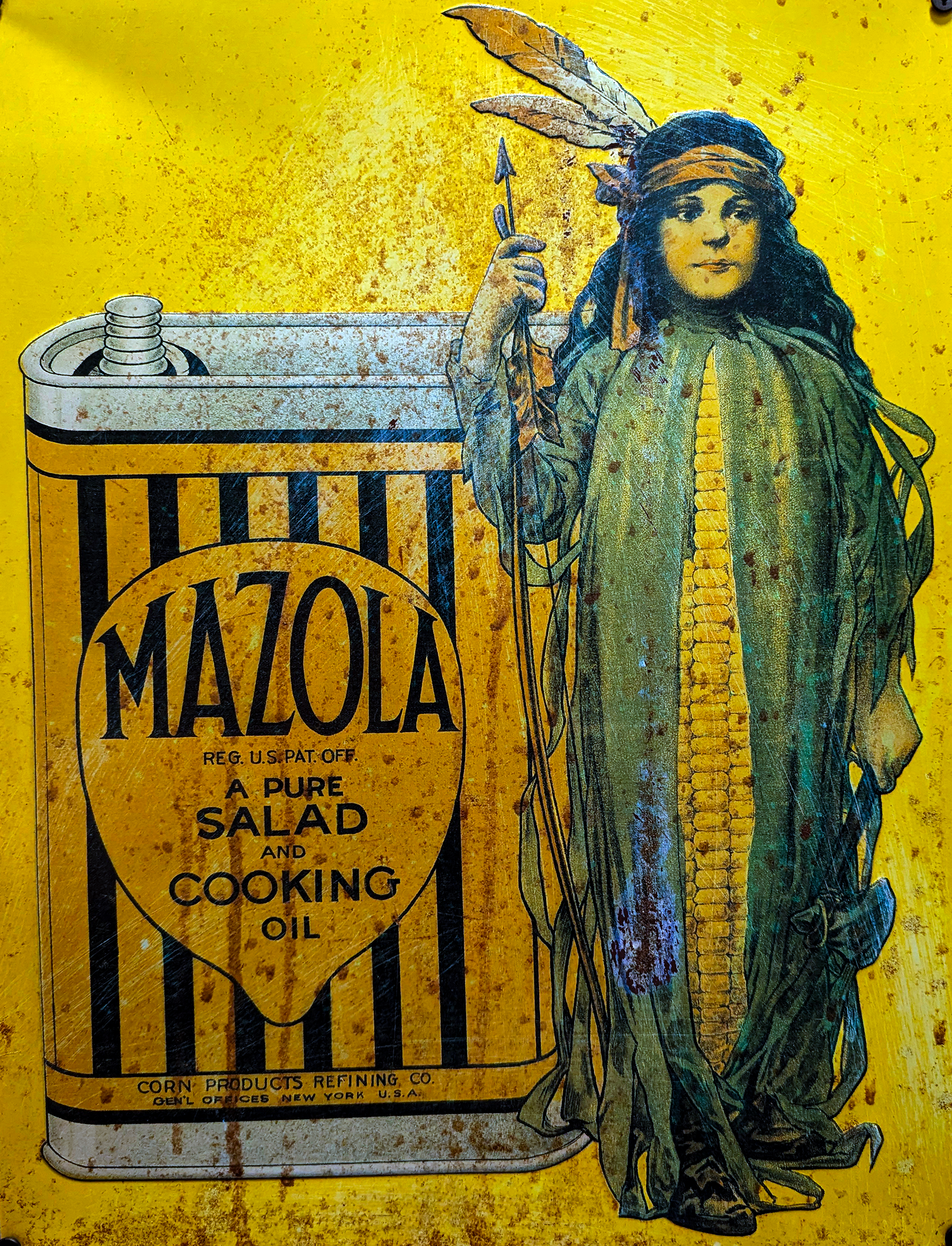
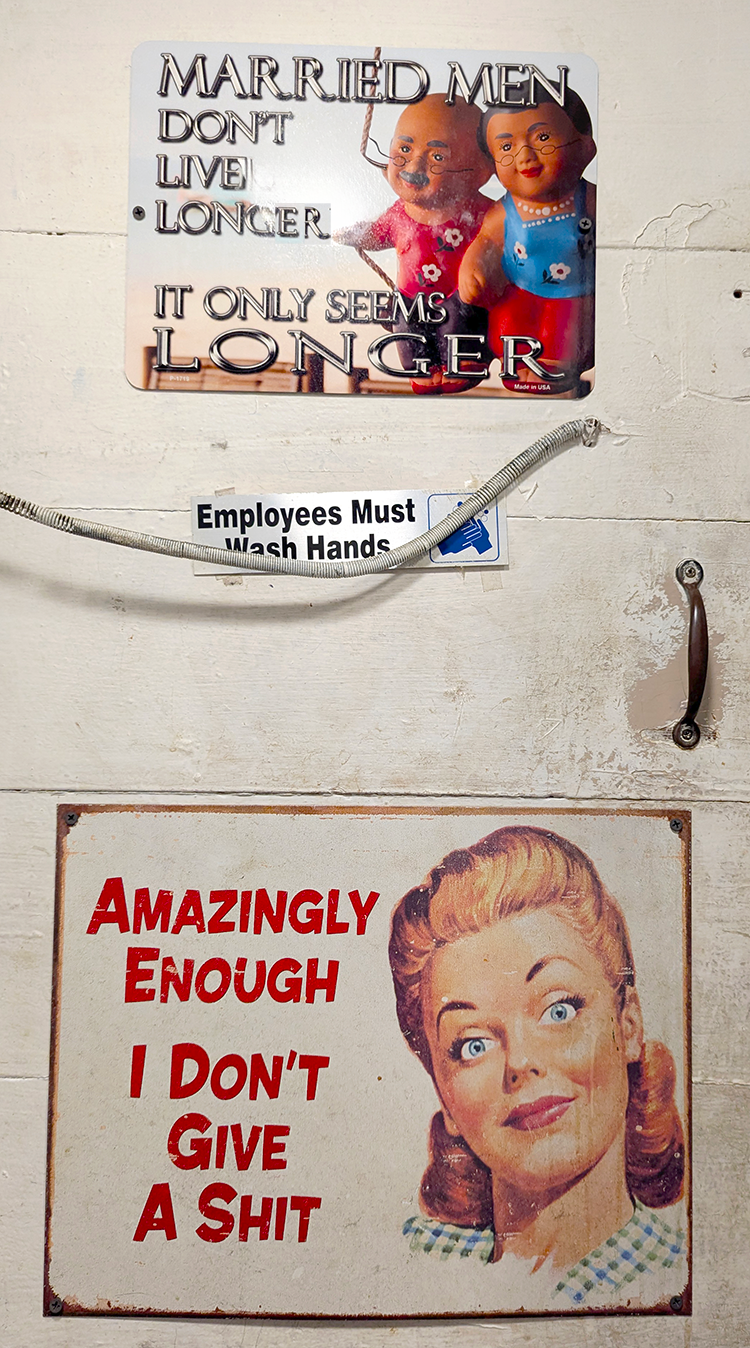
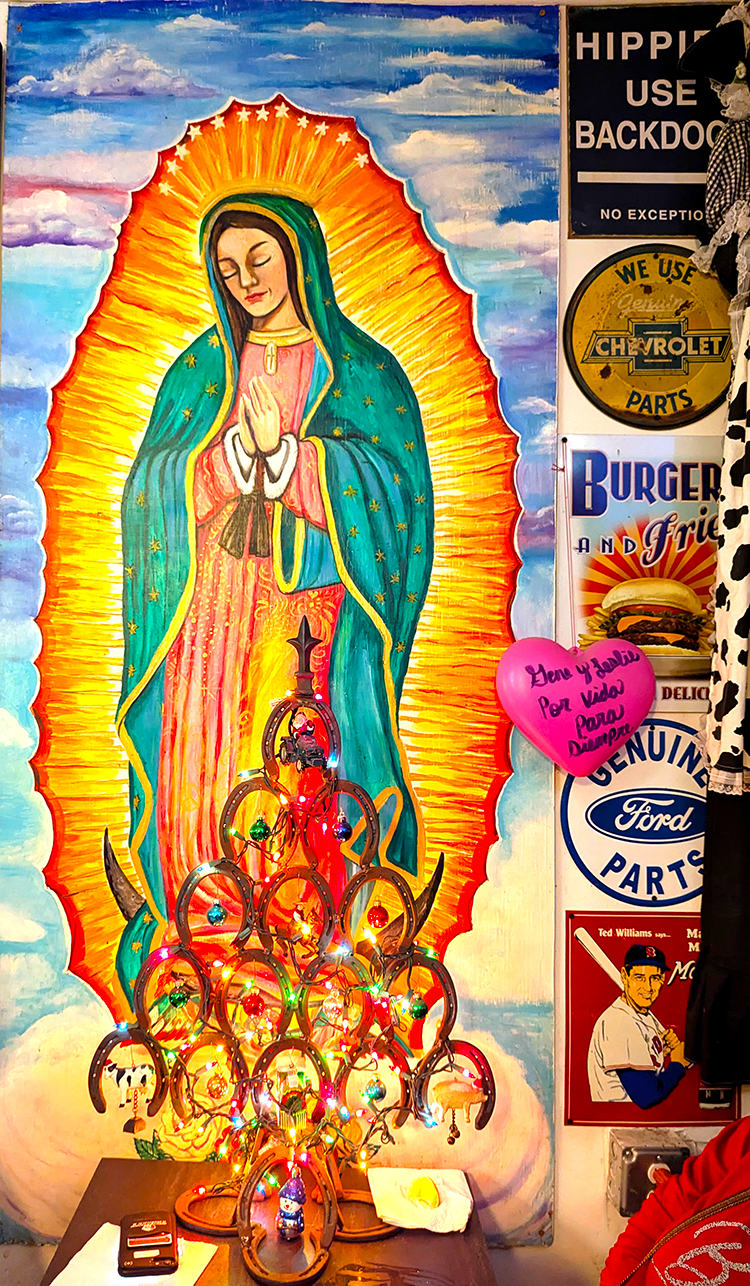
Above top left: Artist Ken Little with one of his bejeweled shoe-mount pieces at Maria’s Cafe. Top right: Maria depicted on the exterior of Maria’s Cafe. Bottom: Photos snapped inside Maria’s Cafe.
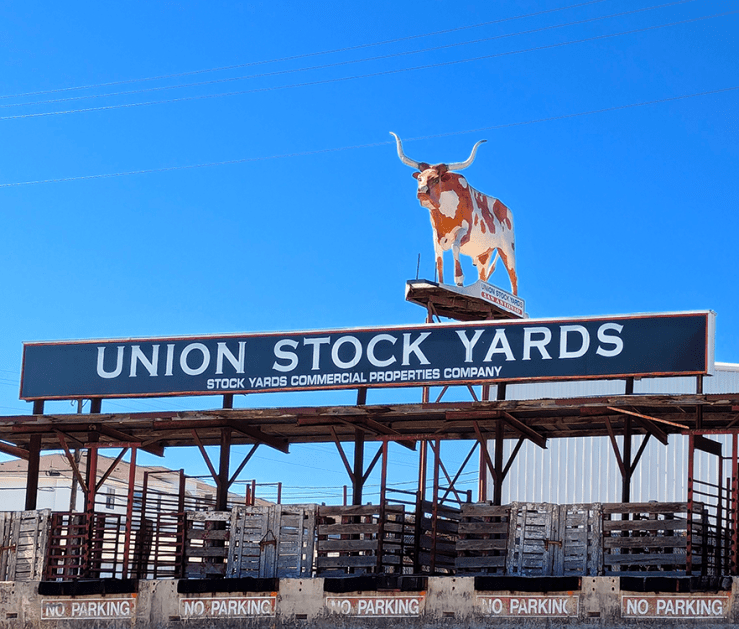
And that’s all we had time for before taking the modern-day Chisholm Trail, known as I-35, northward back home to Austin. While traveling 35 generally is a snarled mess, at least it’s faster than the post-Civil War cattle drives. Those cowboys could only push those longhorns about 10 to 12 miles a day. Our 80-mile drive would have taken close to a week. I’ll remind myself of that in the future when we’re stuck in traffic.
After living there for most of our decades, we still haven’t run out of things we want to see and do in San Antonio. One day, we’ll manage to finish exploring southward along San Pedro Creek.
Wherever you journey this year, happy trails to you!
 Postcards from Barton Springs