
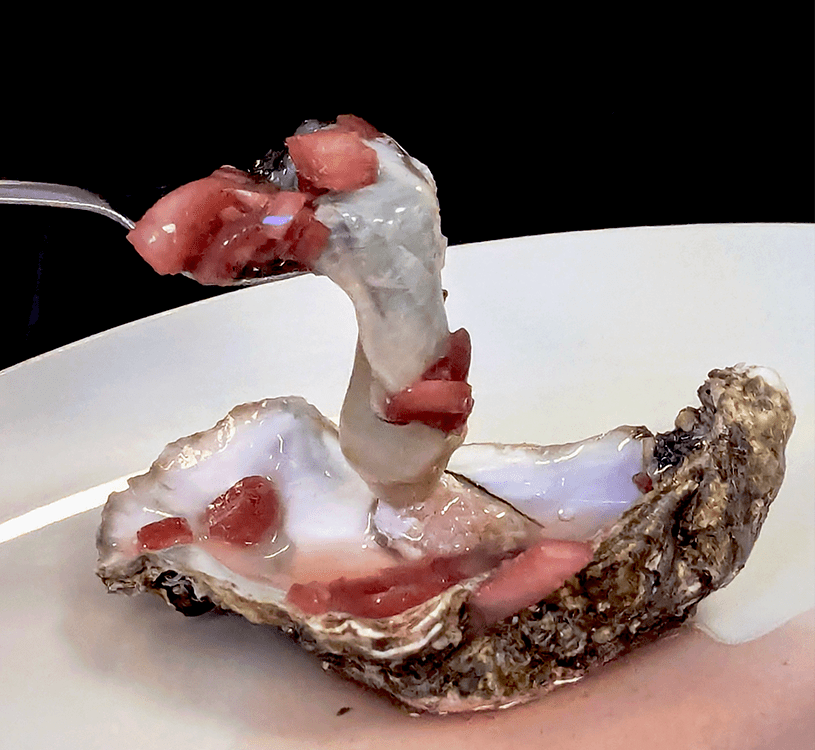

Above: A no. 2 oyster, probably a Charente Maritime, dressed with a dash of vinegar at Le Gambetta
And I had my first oyster. Now, this was a truly significant event. I remember it like I remember losing my virginity – and in many ways, more fondly….
I took it in my hand, tilted the shell back into my mouth as instructed by the now beaming Monsieur Saint-Jour and with one bite and a slurp, wolfed it down. It tasted of seawater…of brine and flesh…and somehow…of the future. Everything was different now. Everything. I’d not only survived – I’d enjoyed.”
Anthony Bourdain, Kitchen Confidential: Adventures in the Culinary Underbelly, 2000
Anthony Bourdain credits an oyster tasted in France when he was ten years old for propelling him toward a lifetime obsession with flavor. While this Virginia Beach native loves oysters now, it certainly was not love at first swallow. I didn’t learn to enjoy them un-fried or un-Rockefellowed until late in high school.
In his memory, I’m kicking off the alphabetical restaurant recognition from our stay in Nice with oysters devoured in a brasserie known for its seafood since 1923. Reaching Brasserie Le Gambetta requires a walk inland, away from the tonier French Riviera areas. It’s located in the midst of the bustling Liberation Market, a foodie destination in its own right.
Seafood this fresh doesn’t need a lot of tinkering, and Le Gambetta lets its natural flavor carry their dishes. The oyster shucker, or ecaillier, wasn’t afforded any breaks, and it was difficult to spot any tables without oysters. Grapefruit and avocado added a refreshing touch to a gamba salad. Loup de mer, or sea bass, was grilled whole, rendering it sweet, moist and tender.

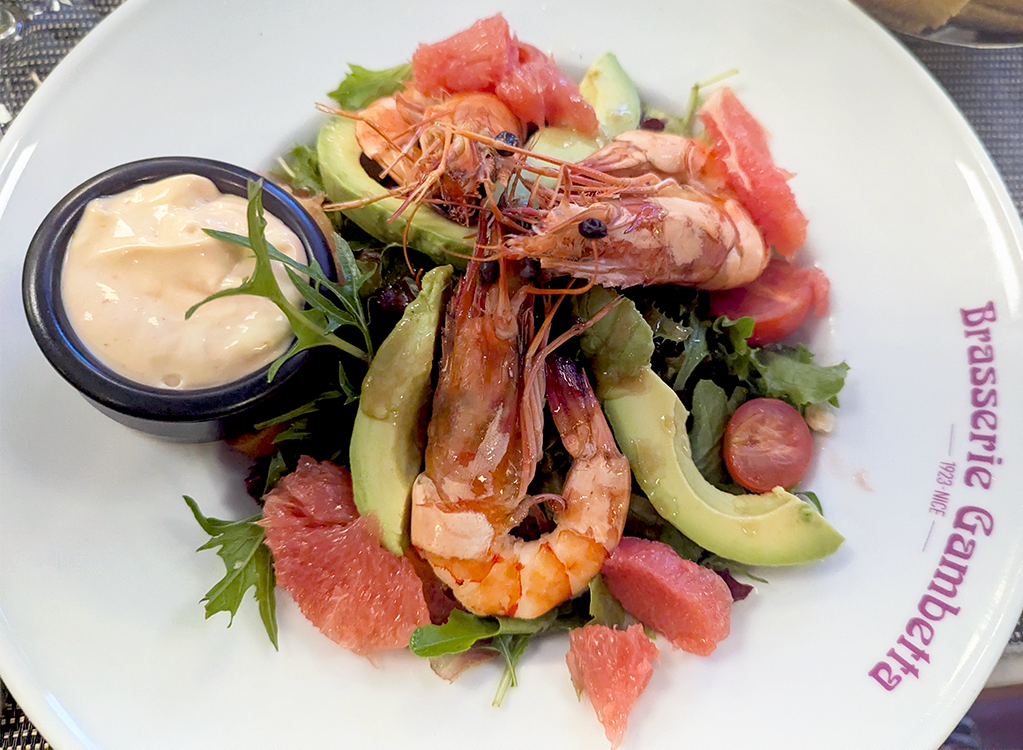
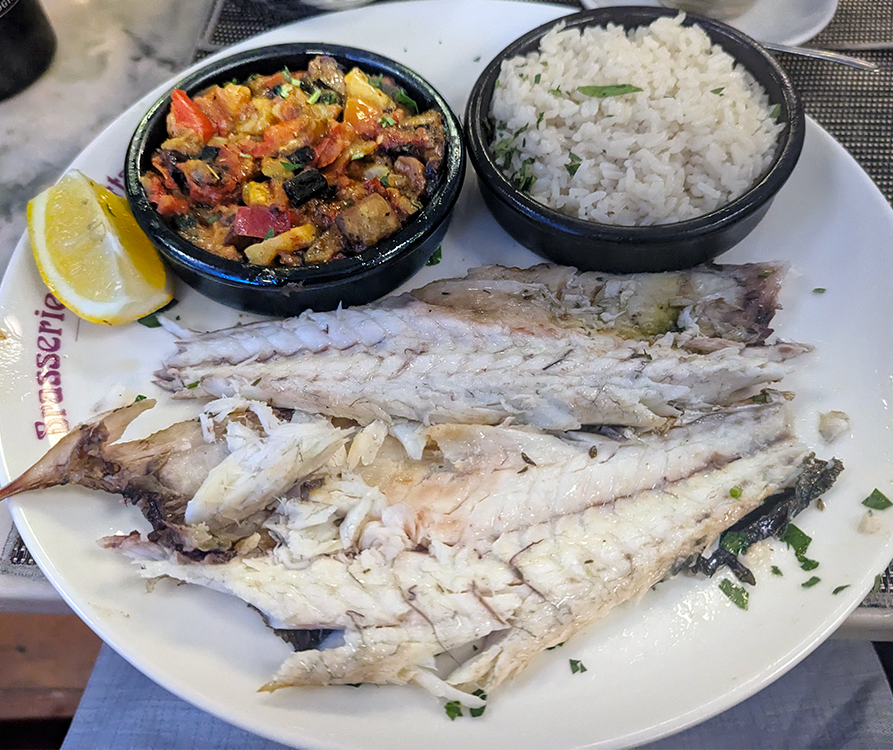
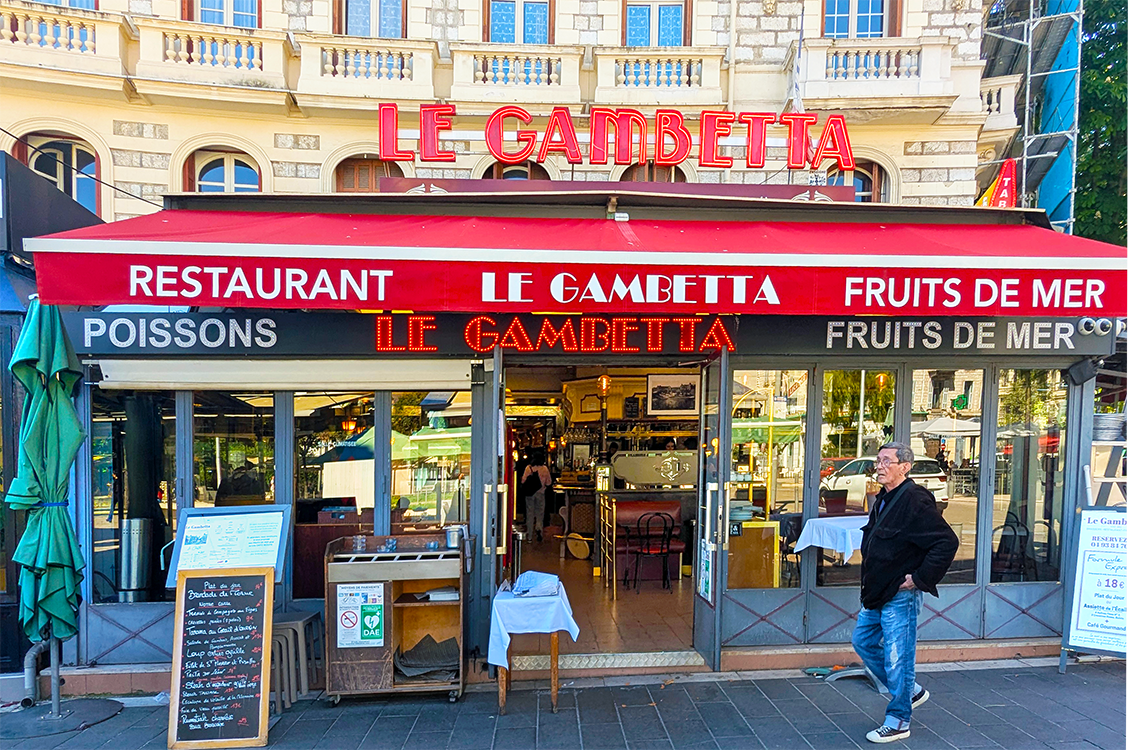
Above: Brasserie Le Gambetta
Diving back into the heart of the tourist zone transported us to Indian Lounge, a place with such over-the-top stereotypical kitschy decor that it works. No surface is spared from ornate additions or pops of color; you will find your face and food take on a yellow-orange hue.
Plump vegetable samosas made a nice starter. Accompanying chutney perked up the flavor of the shrimp with chickpea batter, spinach paneer and vegetable biryani. Lemon ice cream would be refreshing on its own, but we ordered it vodka-spiked – even better.
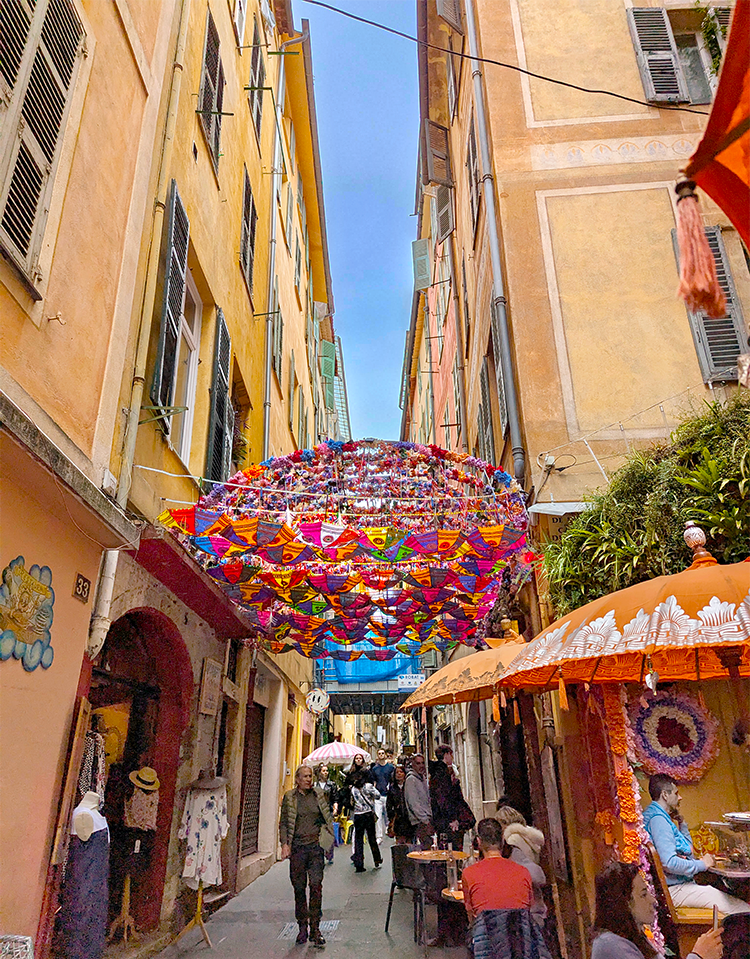

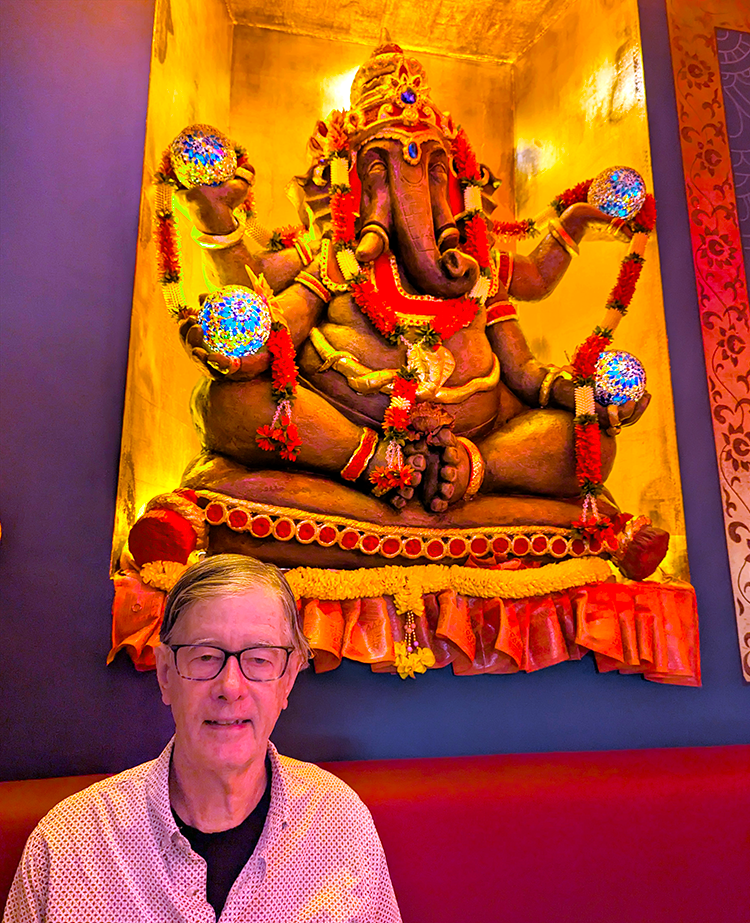
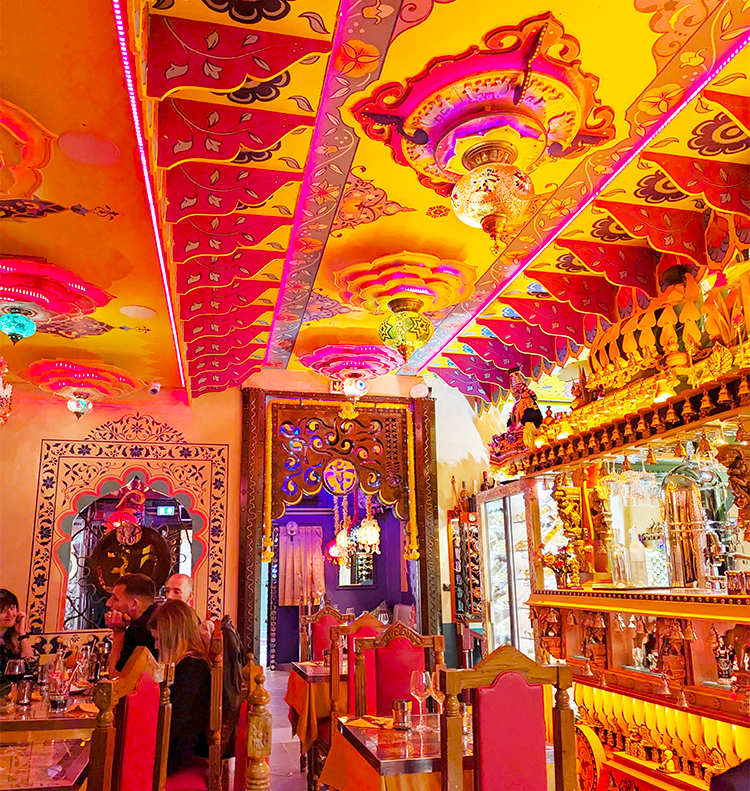


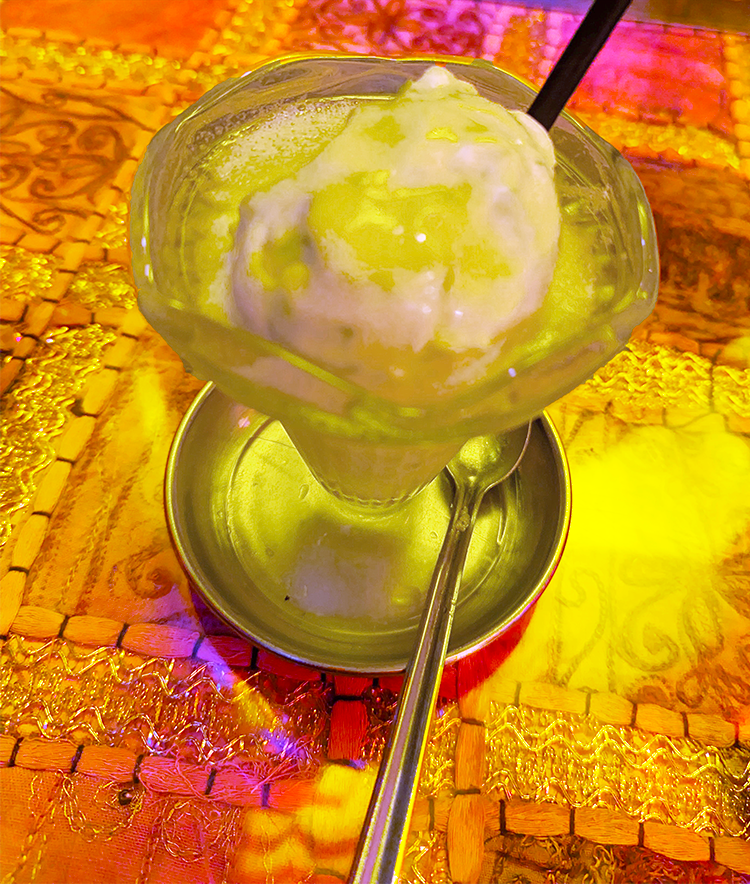
Above: Indian Lounge
The menu at L’Alchimie varies depending on what’s in season, with three choices for each course. I doubt there are ever any wrong choices. Our starters were a large shrimp raviole afloat in a foamy coconut Tom Ka Kai bouillion; and a Cesar salad with chicken. Rolled salmon was nicely sauced alongside seared zucchini. Citron confit brightened up a luscious bowl of creamy risotto.
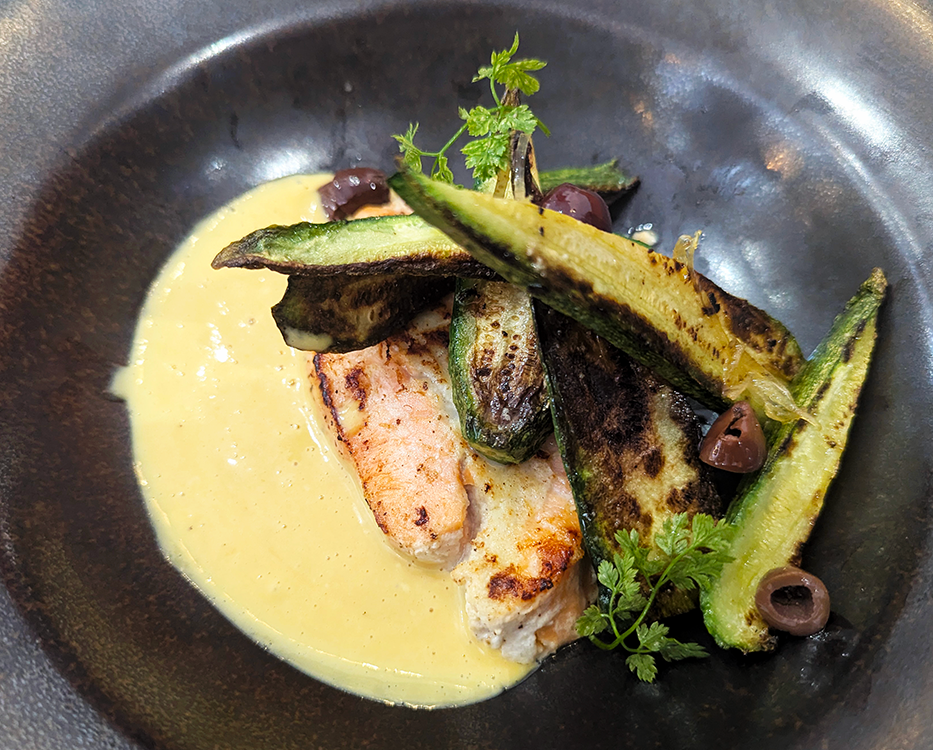
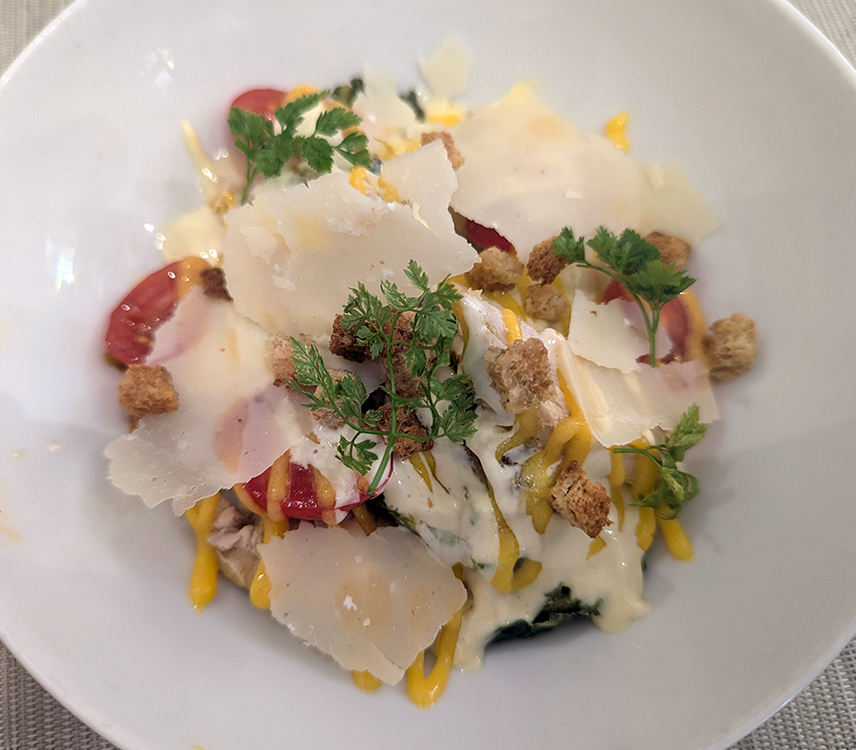

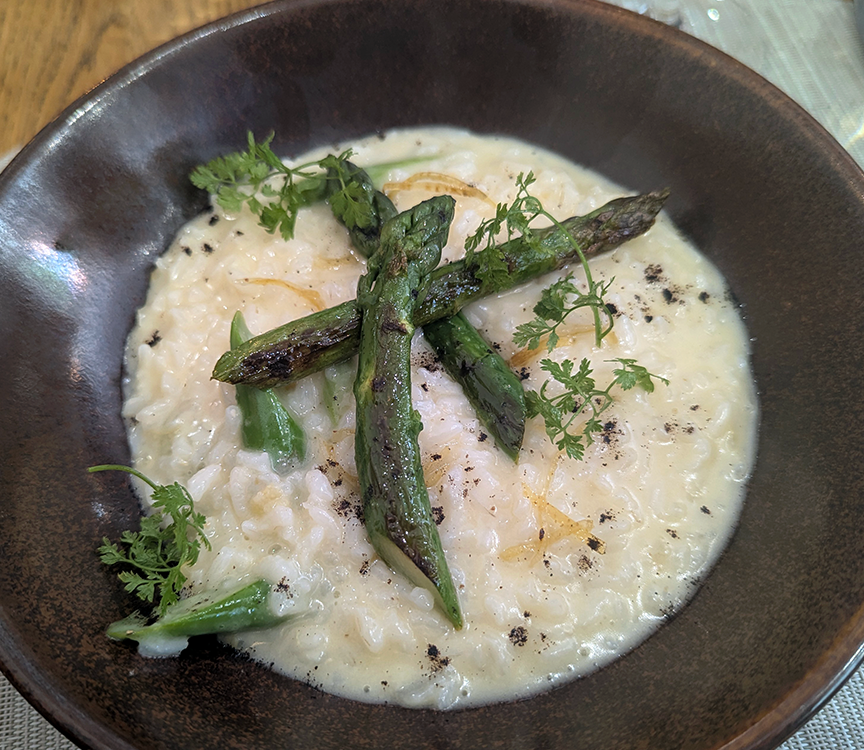


Above: L’Alchimie
If you enjoy dining surrounded by other visitors from around the world, Le Safari is a bustling spot for dishes al Nicoise. Traditional stuffed vegetables, petits farcis Nicois, were nicely paired with arugula. The grilled red peppers with olive oil and anchovies were addictive. I opted for a demi-portion of a classic salade Nicoise, good and fresh even if a bit awkward to consume.
Discovering ravioli a la Nicoise was a classic regional favorite shocked me. The chard-filled ravioli arrives sauced with a rich beef stew. Safari does this well, but it seems more a hearty northern winter combination than a sunny Riviera one. We felt the box was checked on trying it so there was no need to order it anywhere during the rest of our stay in Provence.


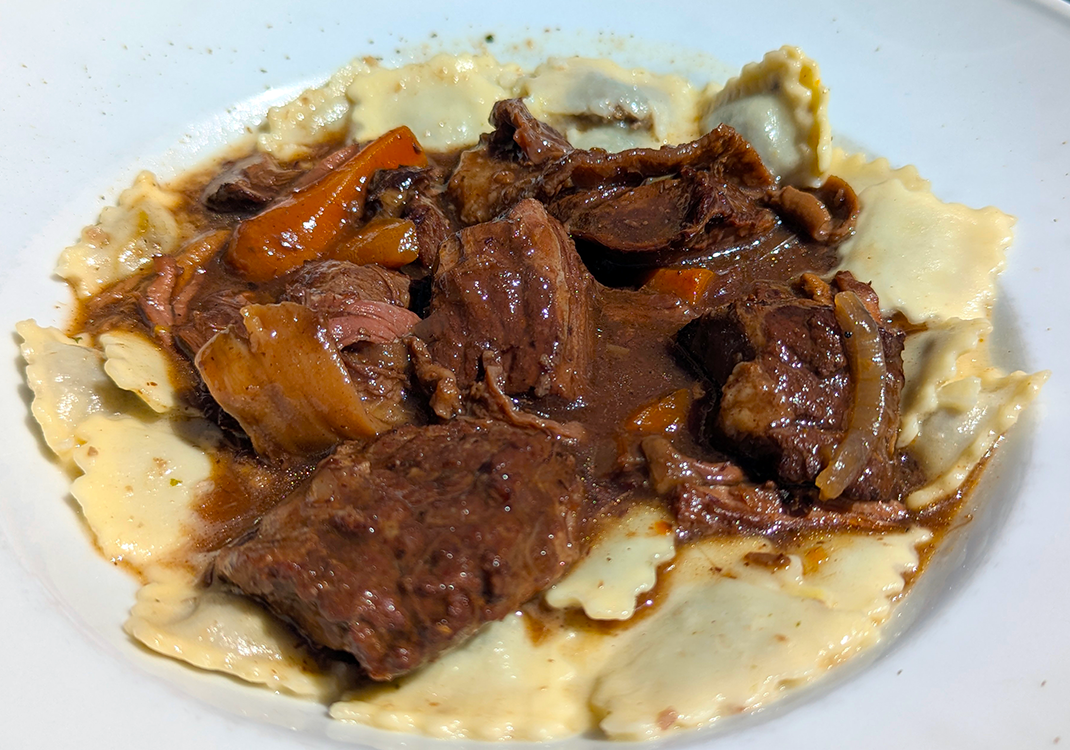

Above: Le Safari
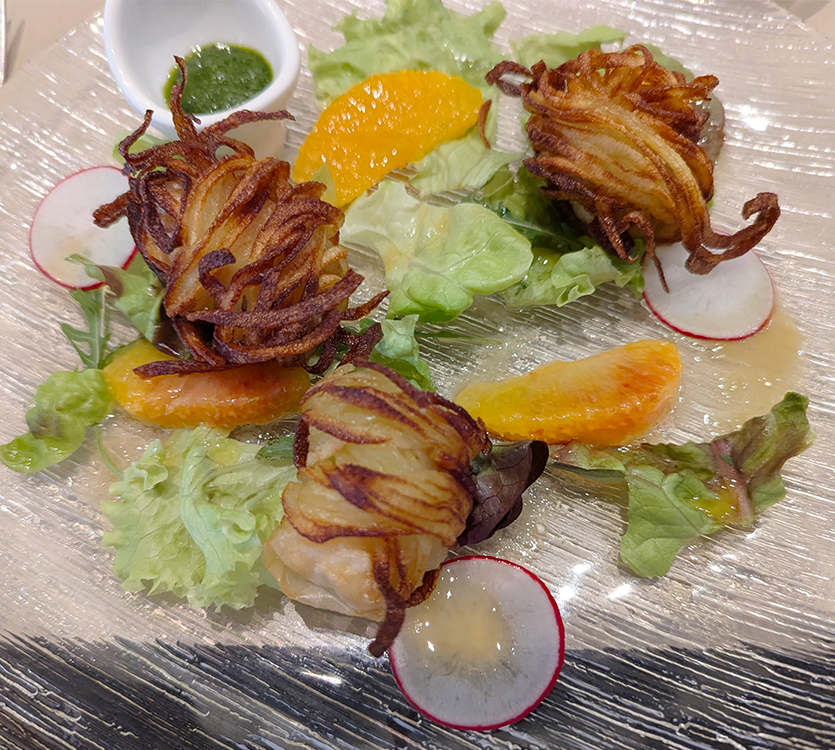
There’s a refined Asian touch in atmosphere and presentation that belies the name of the restaurant Les Deux Canailles, or The Two Scoundrels. Mixed seafood sushi amused our bouches, while we awaited our entrees. A delicate, crispy potato crust robed a shrimp starter. The second entree we selected was a carpaccio of a duo of fish du jour, with sweet, thinly sliced fish crowned with a fennel citron salad and marinated eggplant.
The balance of flavors in a grilled scallop bouillabaisse was amazing. Lamar still raves about his fillet of daurade, or sea bream, lightly poached in a sea of shellfish broth and olive oil. We almost returned for a second lunch, even though the three-options per-course offering had not reached its weekly rotation. Definitely recommend putting the Scoundrels on your list of must-tries.


Above: Les Deux Canailles
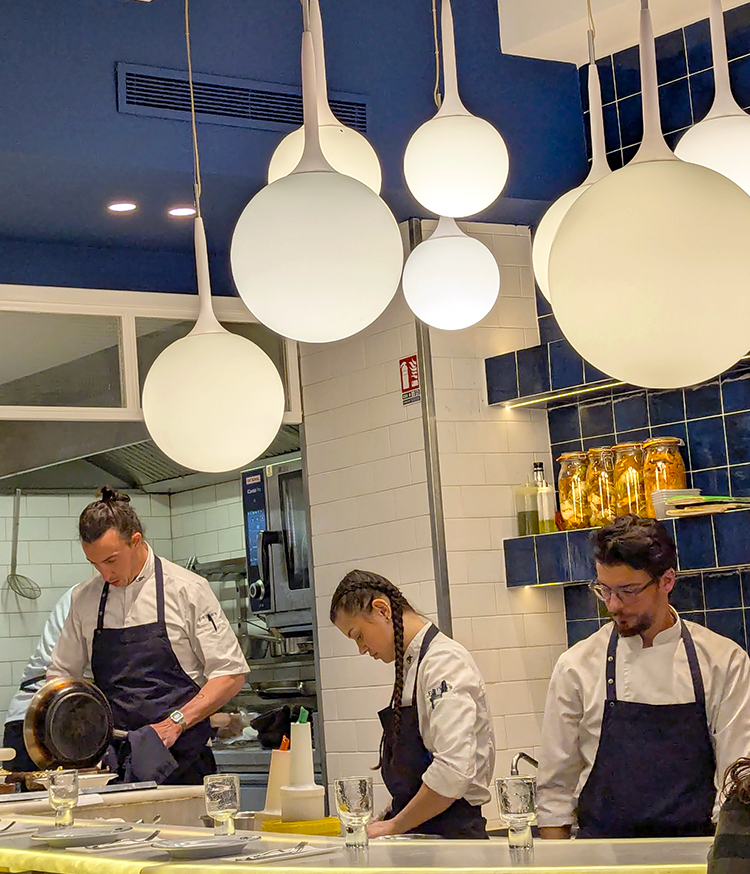
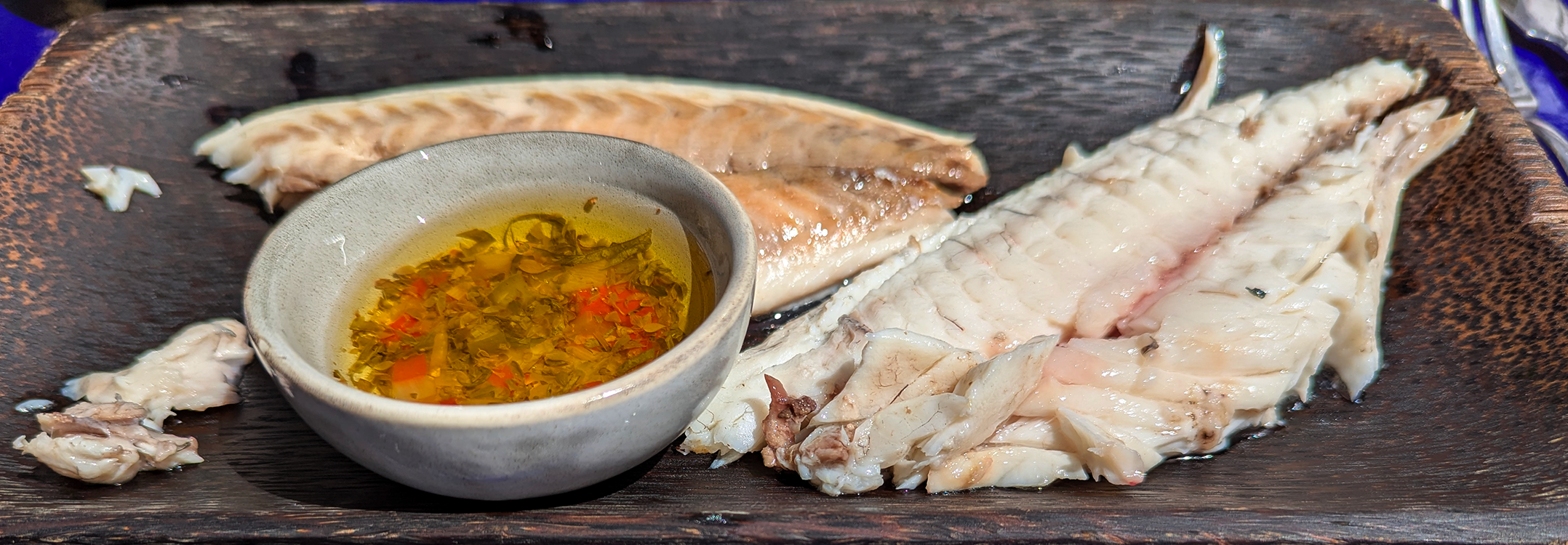
The Portuguese name of Peixes reflects the South American accent applied to Mediterranean seafood. There are two locations, and we were pleased with the freshness of the output at both. We didn’t manage to work our way completely through the menus, but I’ll list things we sampled that are pictured below: oysters Fine de Claire; white fish ceviche; fried little whitefish; and wonderful acras de morues, or cod fritters.
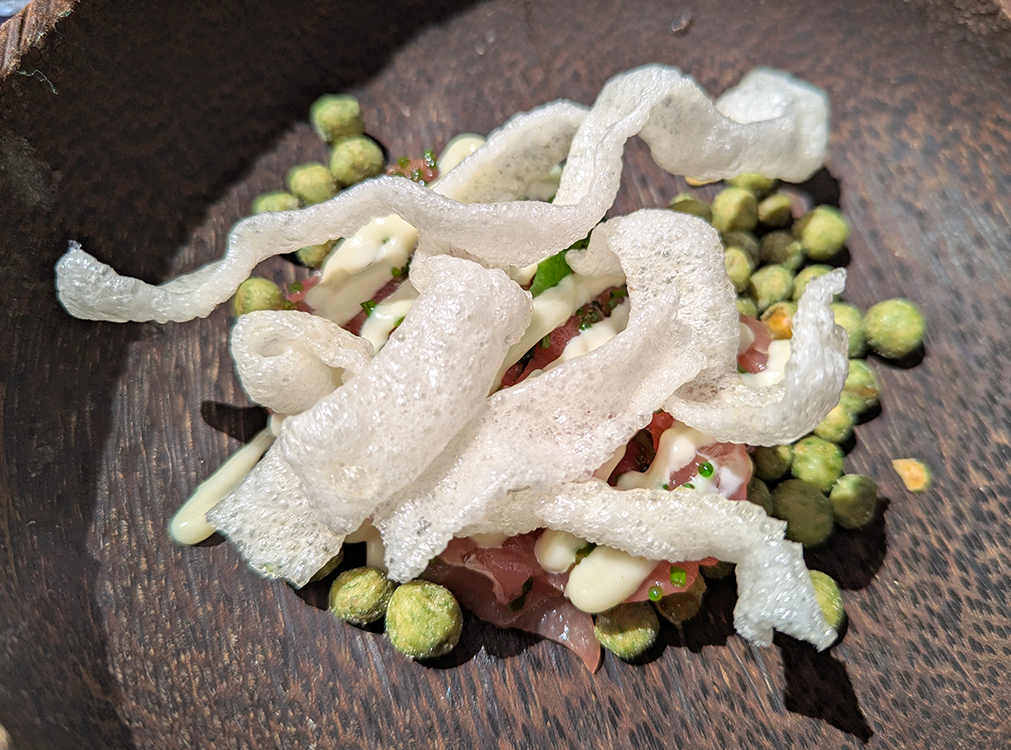
Whole grilled daurade, filleted tableside, was flaky and moist. Wasabi peas and rice chips added crisp textures to the tuna tartare. A side of fresh vegetables exceeded expectations, but we should have skipped what was billed as a broccoli puree.
I know some would consider this a plus, but an avalanche of whipped cream buried our caramelized apple tart. Hey, we went for seafood. And Peixes delivers.




Above: Peixes
Located by the Port Lympia, Rouge has the atmosphere of a where-everyone-knows-your-name-or-soon-will wine bar. The focus is on small plates. Pictured below are padron peppers; grilled asparagus with Granny Smith apple vinaigrette; cigar-shaped barbajuans filled with chard and ricotta; ham croquettes; and tempura zucchini flowers.
The plates we chose ranged from five to 11 euros, which sounds reasonable, yet adds up if you expect this to serve as your main meal of the day. But all were good, and it’s definitely a fun way to eat.


Above: Rouge
Pizza au charbon noir at Type 55 shatters every Neapolitan rule defining pizza. With dough blackened by charcoal, Type 55 assembles each individual piece in its distinctive deconstructed style. Take the one below: avocado cream, mango, shrimp, fresh sorrel and smoky whipped stracciatella cheese. The kitchen also turns out non-charbon pizzas as well.
Offerings were far more sophisticated than one would expect in such a laid-back space. Grilled squid was tender and well-seasoned. The seasonal fare included a velvety carrot soup; and cooked mushrooms served chilled in a light herbal sauce. With more whipped stracciatella. Was Type 55 good? We went there twice.
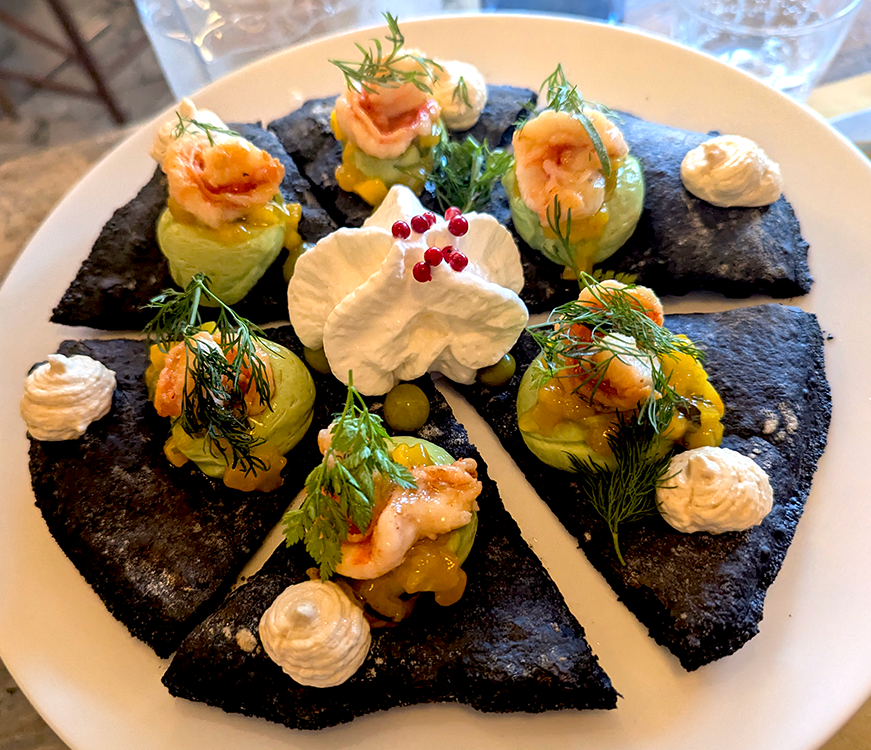


Above: Type 54
Yose shakes up perfect pisco sours, as one should expect from a Peruvian restaurant. Tender fried yuca was enhanced with a traditional huancaina sauce of aji amarillo chiles and fresh cheese. A Japanese marinade and fresh cilantro proved marvelous for a side of sauteed mushrooms, ordered on two different occasions.
We sampled three ceviches. Ceviche maracuya consisted of salmon with a passion fruit leche de tigre. Tartare Nikkei featured tuna, ponzu mayonnaise, cucumbers, avocado and fried nori, or seaweed. Daurade in ceviche ruibarbo was flavored by a rhubarb leche de tigre and popped quinoa. A double chocolate dessert with dulce de leche and cocoa-chocolate crumble was on the sweet side for us. Thinly shaved pineapple with a yogurt ice cream and candied lime peel was just right.


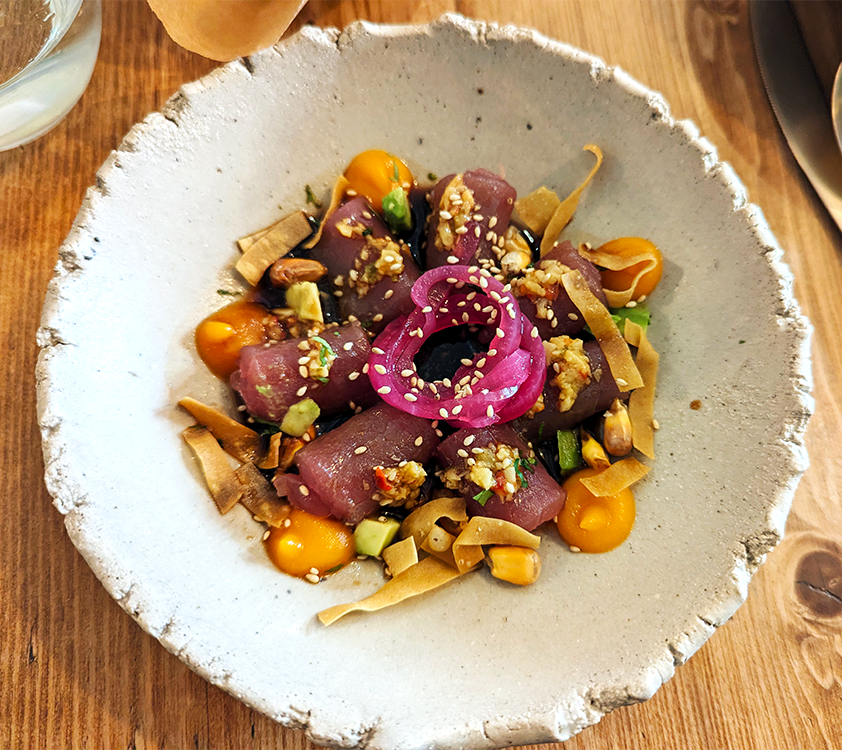


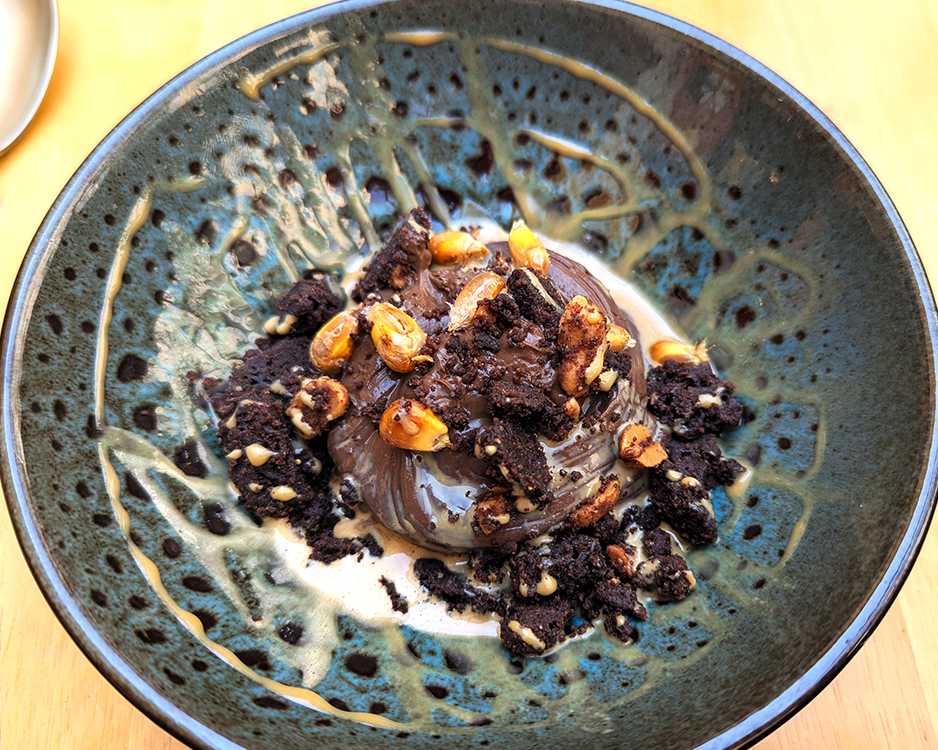
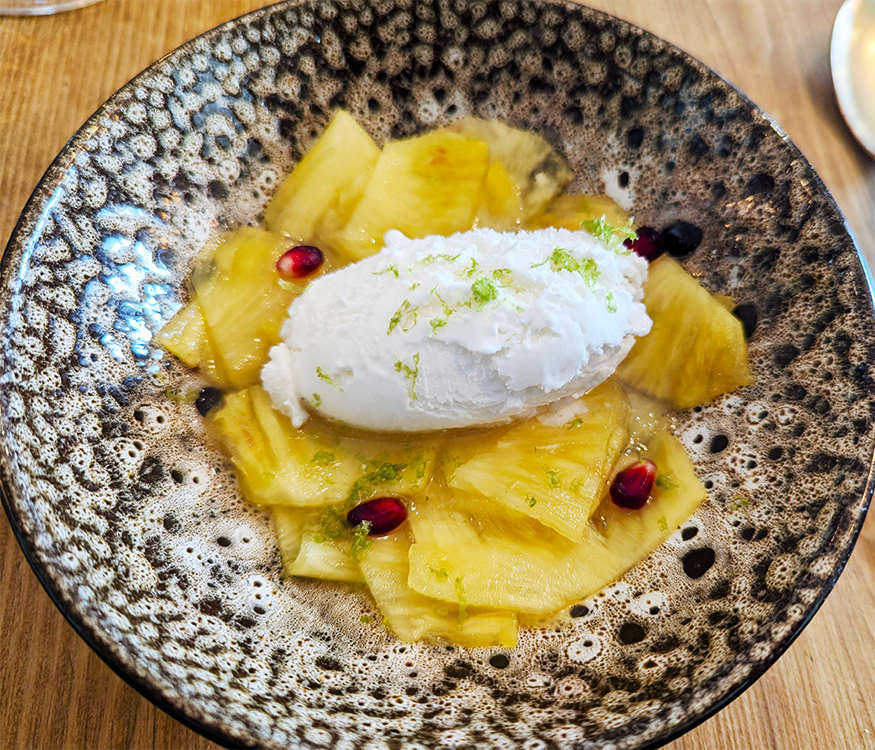
Above: Yose
The world’s mine oyster.”
The Merry Wives of Windsor, William Shakespeare, 1599
 Postcards from Barton Springs