
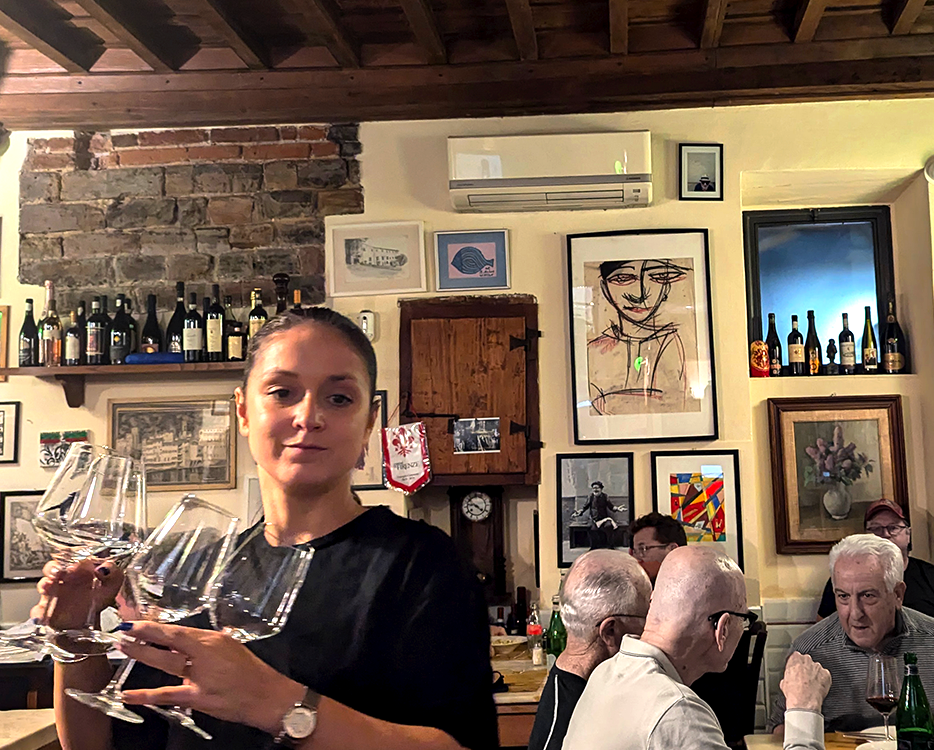

Above: Osteria Vini e Vecchi Sapori
We hate both jet lag and the expense of flying to Europe, so when we go, we stay. When we hit Florence this past fall, we already had been in Italy for a month. This means our restaurant quests vary greatly from someone who only has a few nights in Florence. Don’t expect a listing of the top 10 restaurants according to Michelin or TripAdvisor on this blog. This is a personalized list of places we found. Hopefully, the photos will help you decide if any fit your palate.
First, following the so-called healthy Mediterranean diet in Florence would present challenges. That’s not what Florentine cooking is about. Florentines like meat from head to tail, and many restaurants possess a butter-is-better attitude. Market stalls overflow with gorgeous produce, yet locating restaurants reflecting that bounty requires major excavation. With an absurd number of visitors, restaurants tend to cater to their demands to the point that menu after menu almost identical offerings. Here are our finds, mentioned alphabetically.
On the prowl for seafood, Boccadarno was on the same street as the apartment we were renting in the Oltrarno neighborhood. Although extremely popular with locals, our experience was mixed. Swordfish ceviche was excellent. But the pricey appetizer of sauteed scallops did not work at all. The vegetable combination did not bring out their flavor, and the scallops were overcooked, rendered too tough to enjoy.
Tuna tataki was perfect, while gnocchi with pulpo ragout suffered from its unappetizing appearance. Fritti di mare let the seafood flavors reign through the frying process. A zucchini and brandy sauce on paccheri scampi was nice, but with one lonely lobster prawn should have been called scampo. Gelato al croccatino is recommended.

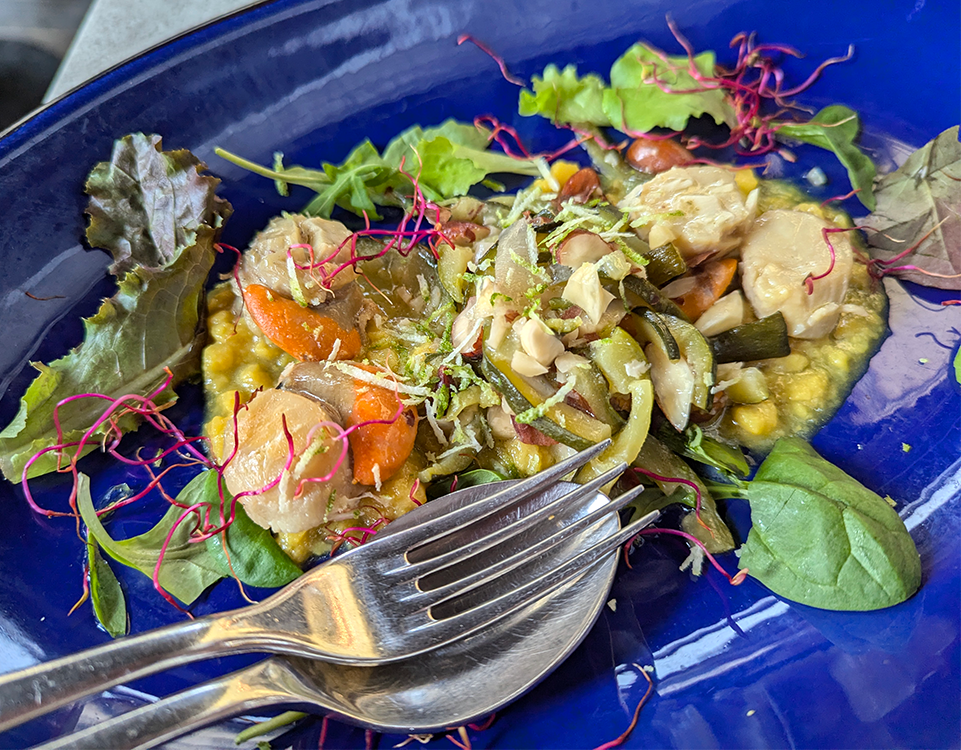


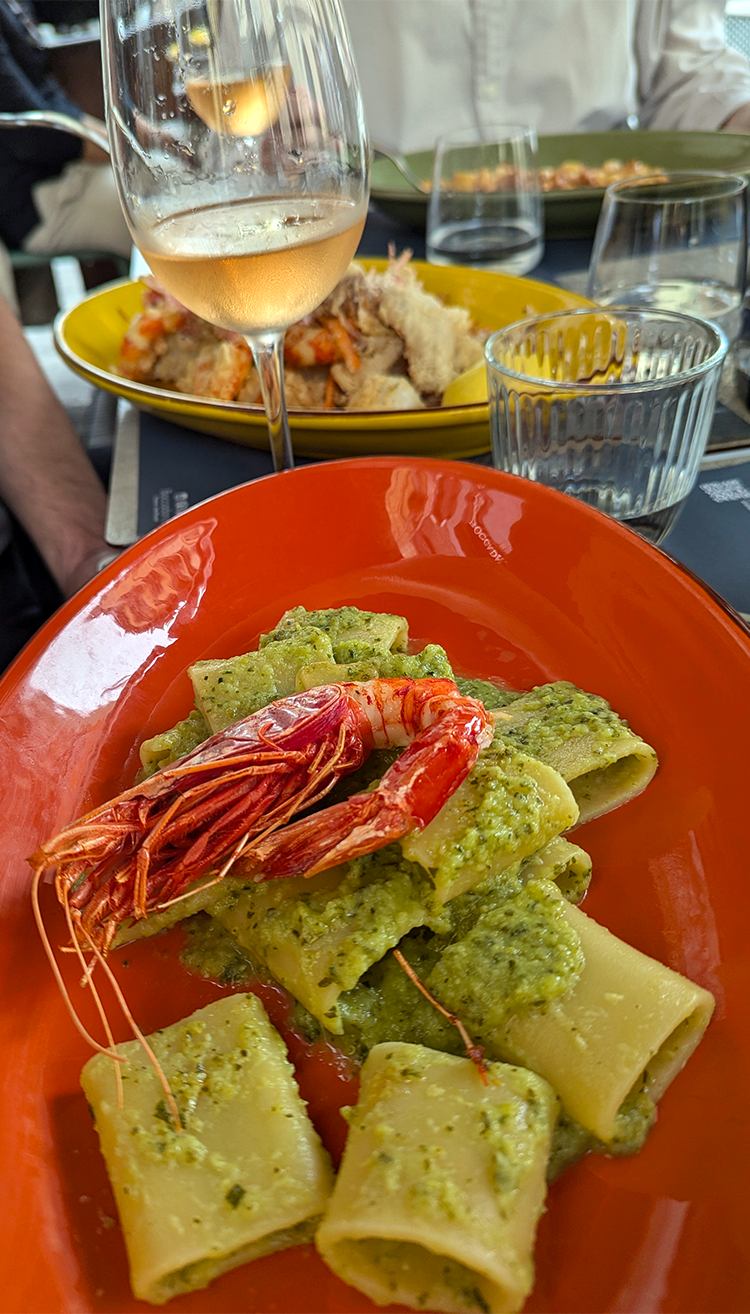

Above: Boccadarno
Brac is a comfortable independent bookshop on the outside, completely camouflaging its cafe turning out incredible vegetarian dishes. Please ignore the odd-looking plating below. You choose your own combinations from an assortment of enticing ever-changing menu of Mediterranean offerings, and we were so excited about the vegetable emphasis we over-ordered on our first visit. Well, maybe on the next two as well.
The kitchen has a mastery of blending seasonings to instill individuality to every dish, no matter its national origins. Cabbage, apple and pomegranate salad; pattzaria beet salad; avocado carpaccio; gorgonzola and smoked orange tortelloni; tagliatelle with zucchini and lemon; chickpea tempeh with seasonal vegetables – all great. If a dosha is on the menu, snag one. The long rice-flour crepes were stuffed with a concoction of potatoes, pumpkin and leeks topped with a passion fruit sauce.
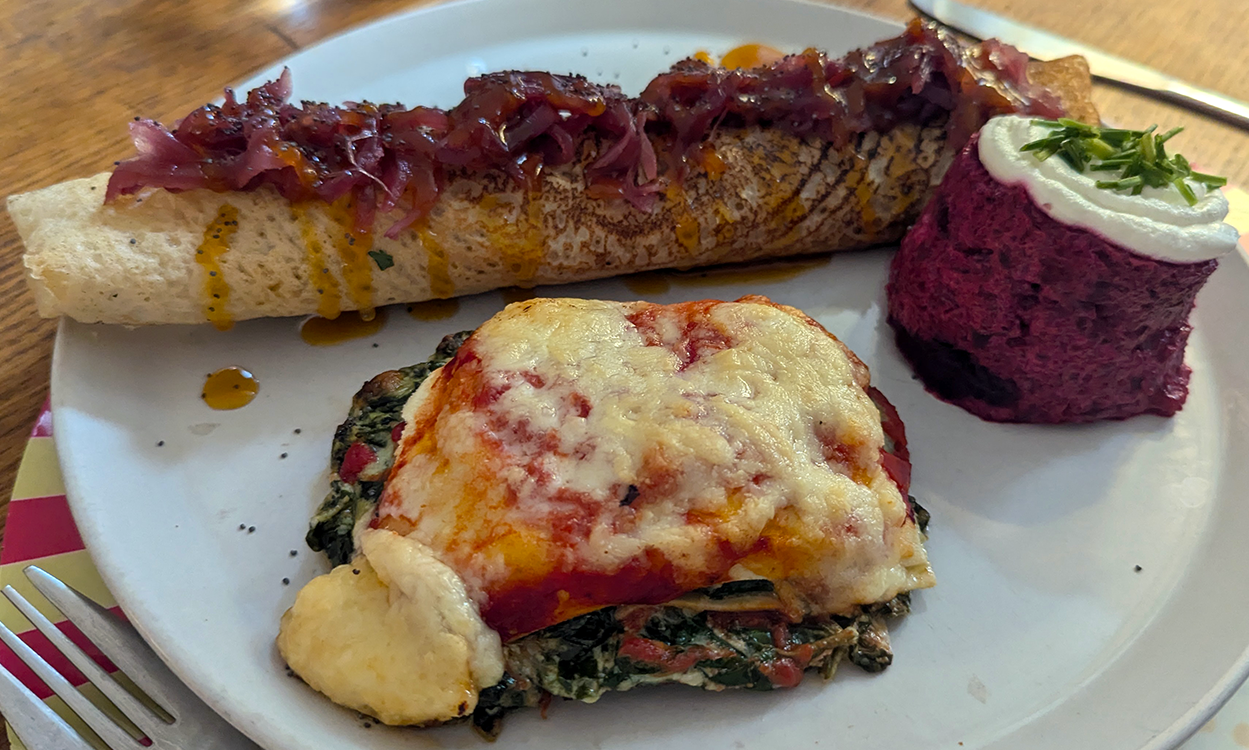
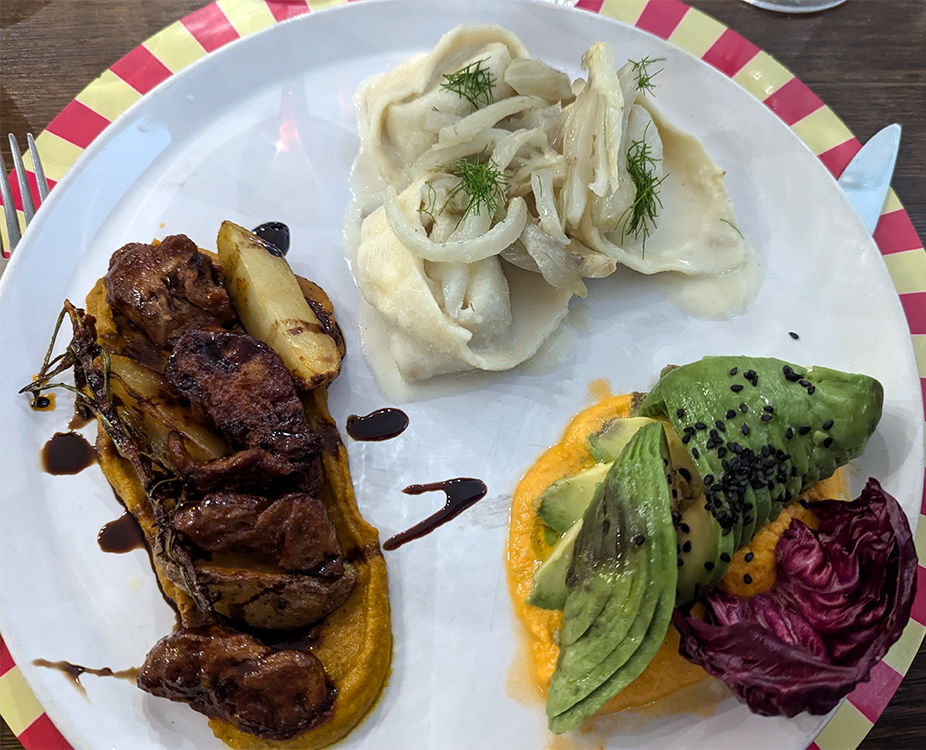


Above: Brac
Few classic Florentine recipes are devoid of butter. Good butter. But anchovies in the name drew us into Burro e Acciughe. And true to the name, butter and anchovies are the base for its signature dish. Sounds absurdly simple, but, wowsers, was it eye-popping delicious due to the high quality of the three ingredients on the plate.
The restaurant is tucked away a bit off the main tourist routes and was packed with locals who seemed to all know one another. Should be a good sign, yet nothing between that first-course and the wonderful biscotti with vin sante at the end compared.
The grilled octopus appeared appealing, and our personal appraisal of it might send you sprinting to order it. To me, finishing off pulpo on the grill works well because the layer of fat is seared to the point of caramelization. This was not the case at Burro e Acciughe. To a true gourmet, this might represent bliss. For me, the fat was texturally unpleasant to the degree most of it was left untouched.
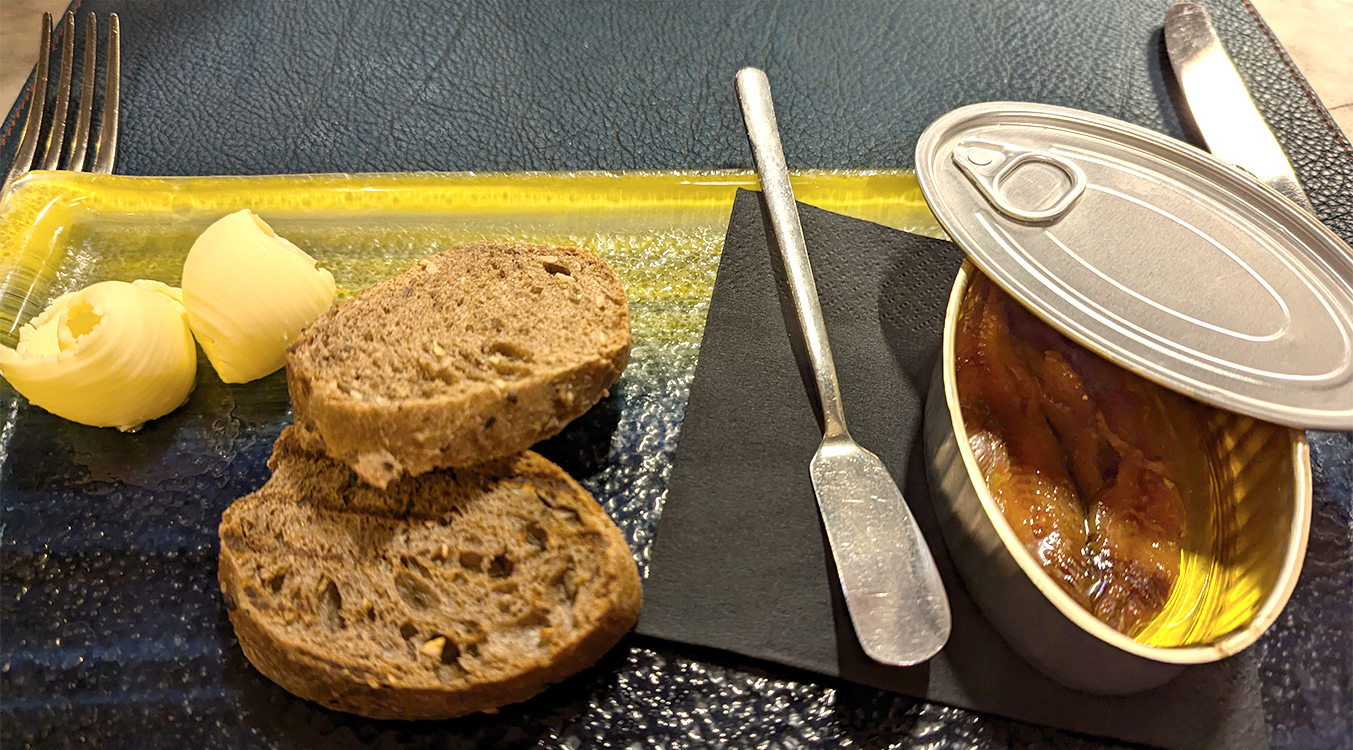
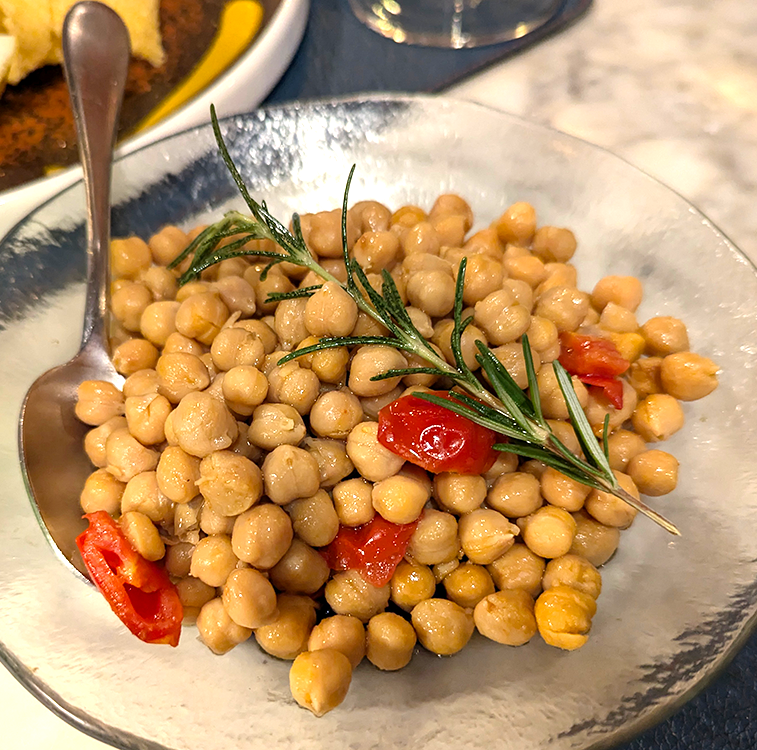


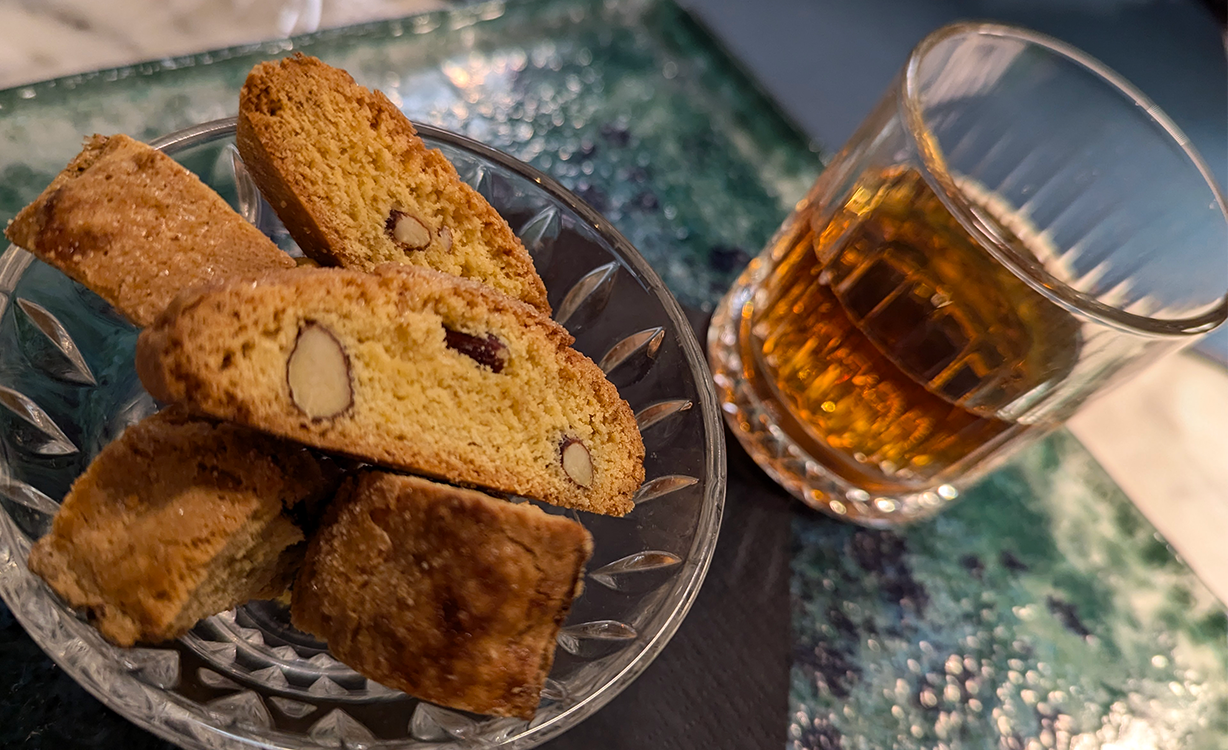
Above: Burro e Acciughe
Cheese plates at Formaggioteca Terroir truly provided an opportunity to explore some of the unfamiliar French and Italian ones. Accompaniments, including wine, are as well-curated as the cheeses. An onion jam proved magical. We found ourselves returning several times to purchase some for home-consumption. The online descriptions of cheeses Formaggioteca stocks make the website a valuable reference for exploring cheese markets in either country.
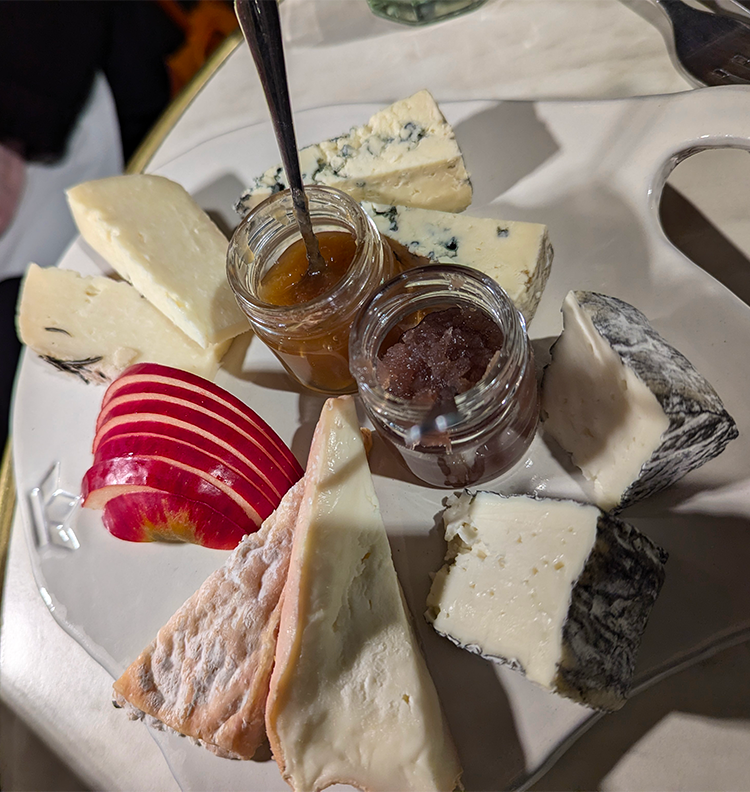

Above: Formaggioteca Terroir
Know this sounds basic, but Il Santo Bevitore was one of the few places that presented us with an order of fresh greens on the side that were not cooked to death. And perfect pasta – one order with zucchini, red onions and sweet cherry tomatoes; and the other a wild boar ravioli in rich, dark broth. We would have returned had we discovered it earlier in our trip.


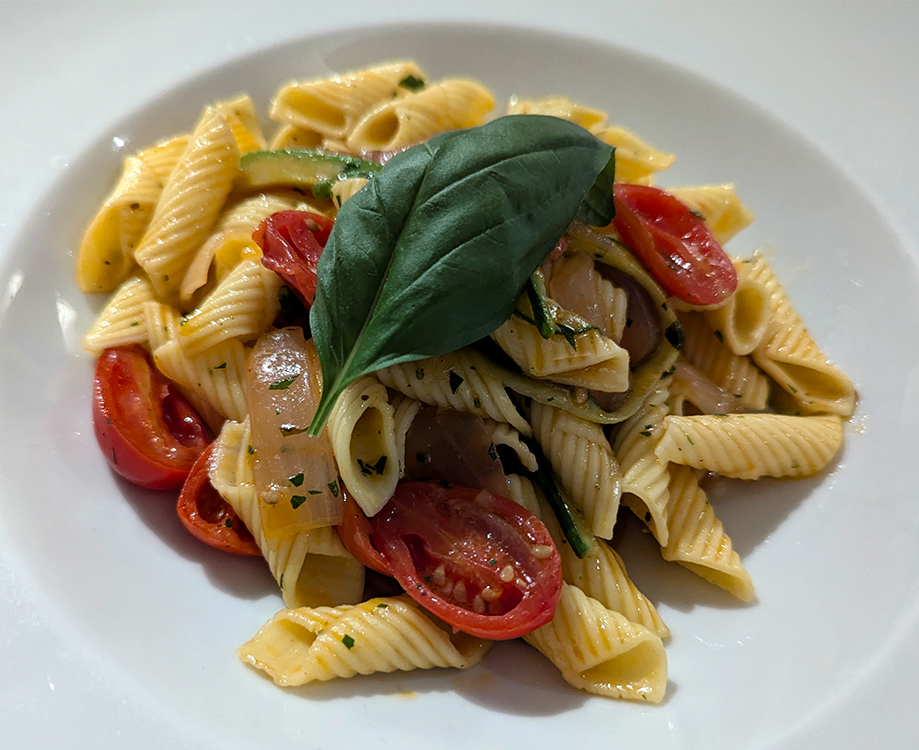

Above: Il Santo Bevitore
Gustapanino rehabbed a former garage opening onto Piazza Spirito. A nice Asian pear and walnut salad was refreshing in this city with a tendency to make major amounts of protein dominate salads. A foccacia sandwich with eggplant and spicy gnudi was delicious, but the chicken stuffed with spinach served as a reminder to stick with the panini for which the spot is known. As always, a meal finished with semifreddo, this one with caramel, leaves a nice taste in your mouth.


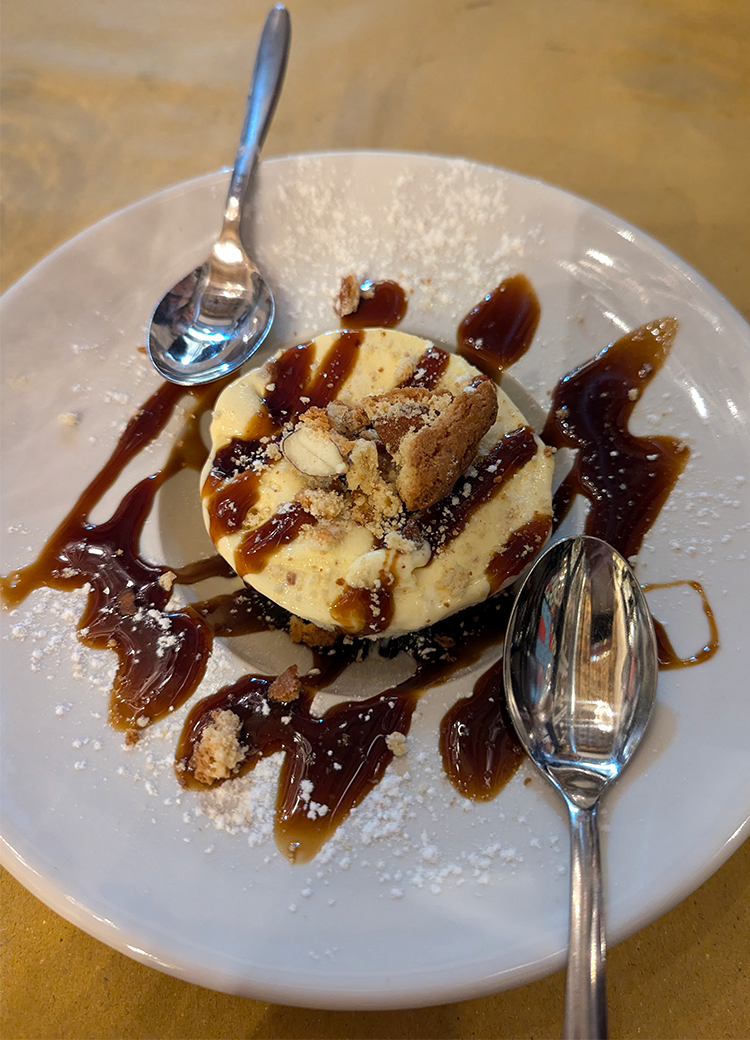
Above: Gustapanino
La Grotta Guelfa sits smack dab in the thick of the prime tourist district, which lowered our expectations. We left with our opinions elevated. The restaurant is a better-than-average place to sample the Florentine classic ribollita. Cannellini beans, cavolo nero greens and bread are the most common ingredients in this hearty vegetable stew. The stew emerged from cucina povera, traditional home-cooking making the most of humble and inexpensive ingredients and leftovers.
As far as sides, the grilled vegetables were plentiful, and the zucchini flan with crispy prosciutto was outstanding. Other dishes sampled by our family group included ravioli with butter and sage; an osso bucco; ravioli with a wild boar ragu; and spaghetti carbonara. Pistachio semifreddo is a dessert not to be skipped.

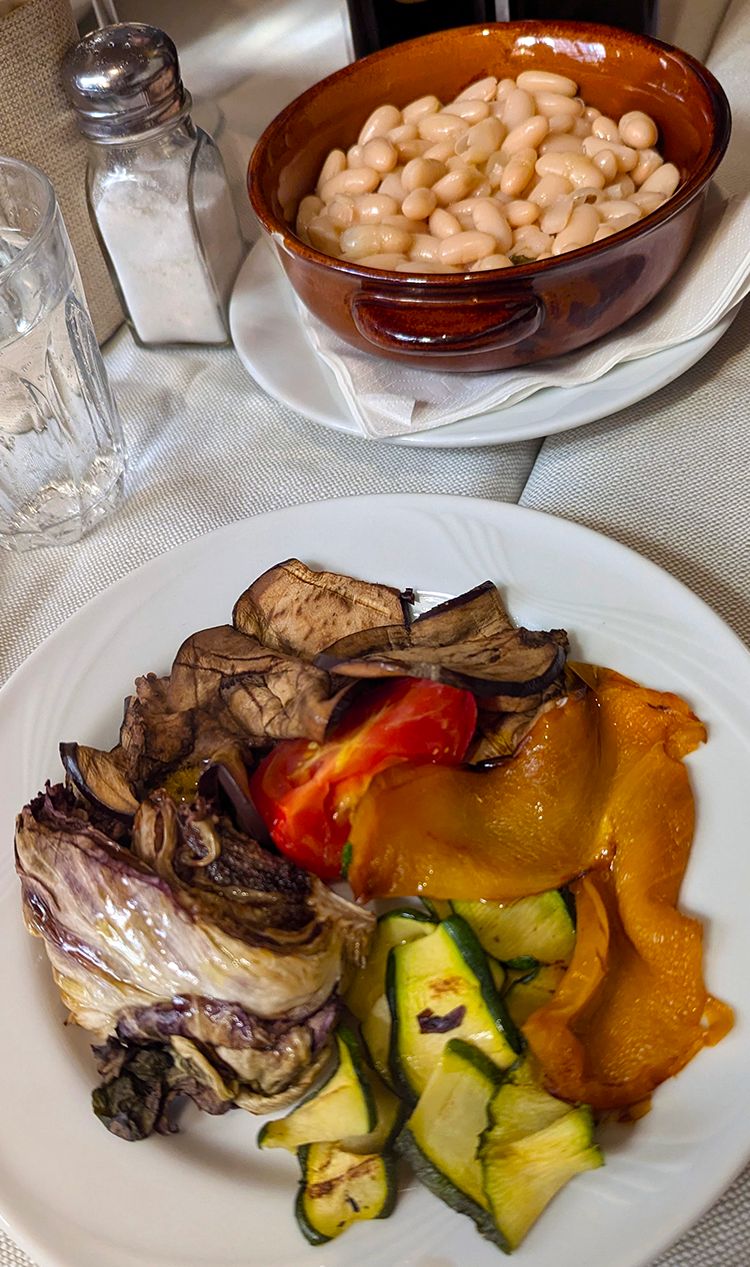

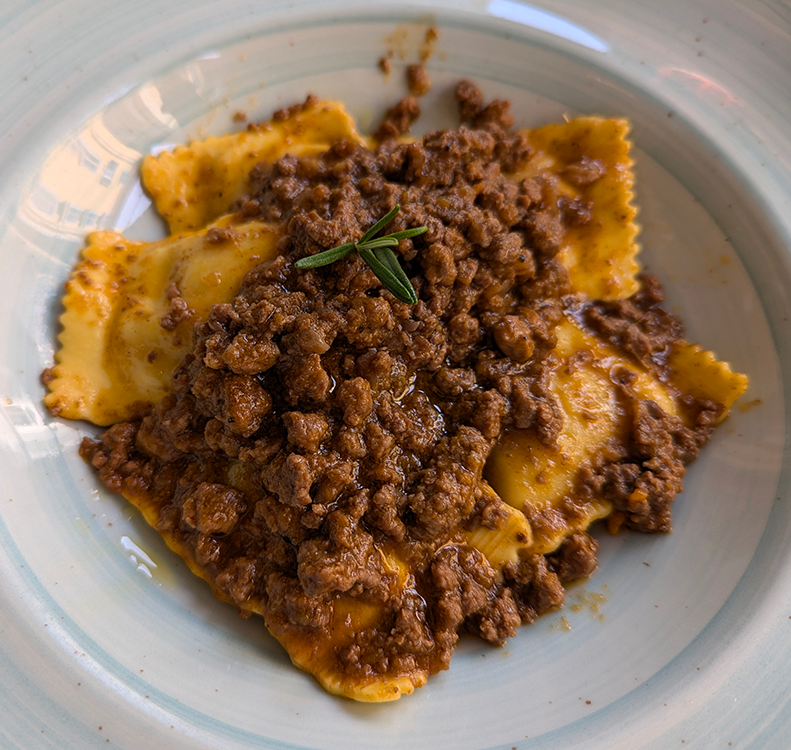
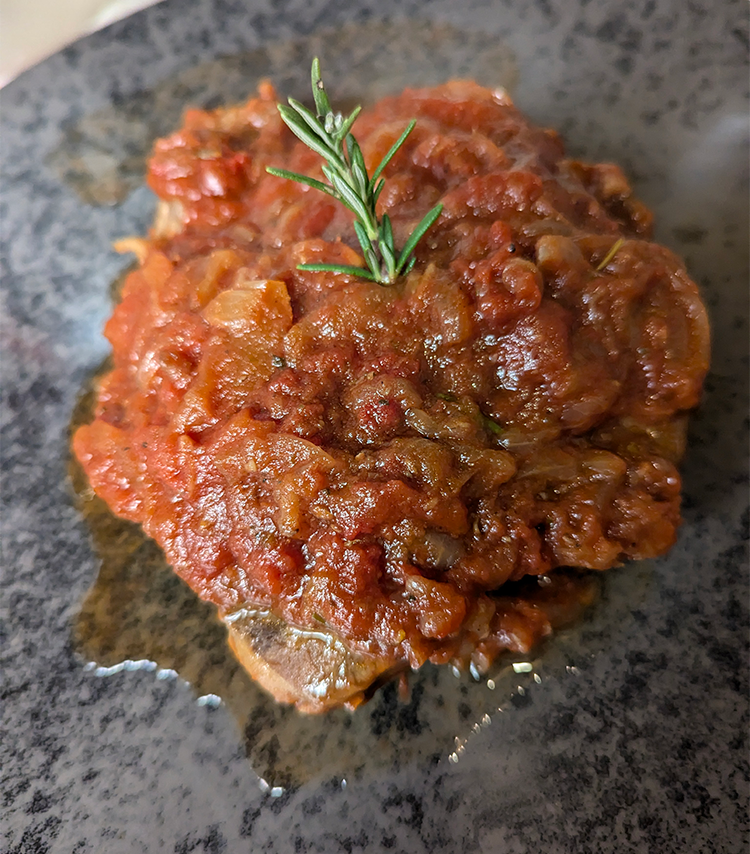

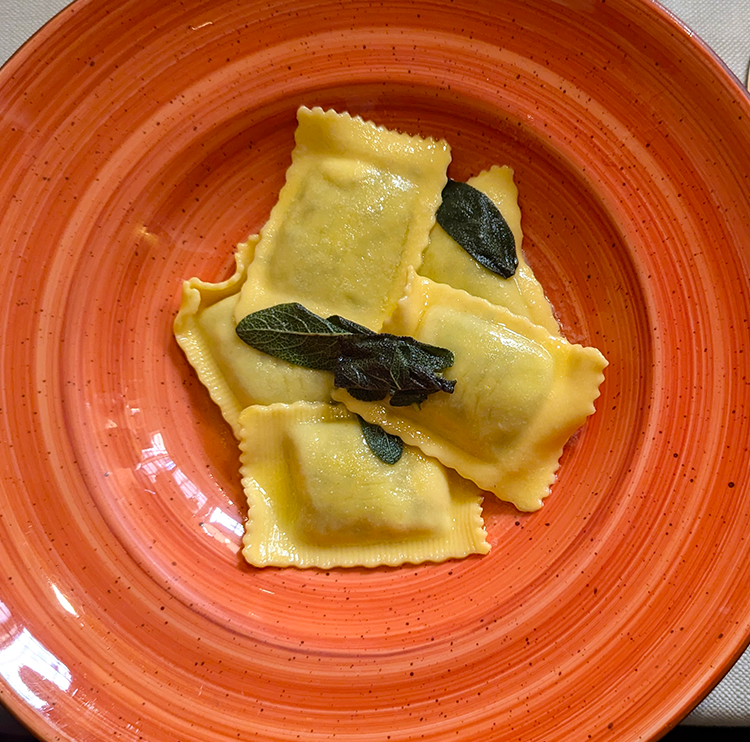

Above: La Grotta Guelfa
The sandwich spot we fell in love with was Lo SchiacciaVino. Both the traditional fresh flatbread and the ingredients were perfect, particularly the 24-month-aged Parma ham. Mine was with pecorino cheese and artichokes; Lamar opted for the Oh Mamma with ham, stracciatella cheese, arugula and a dried tomato pesto. The juicy dried tomato and mildly pickled zucchini and the green salad were rich in flavor. There are three locations; the one we patronized was near Santa Croce.
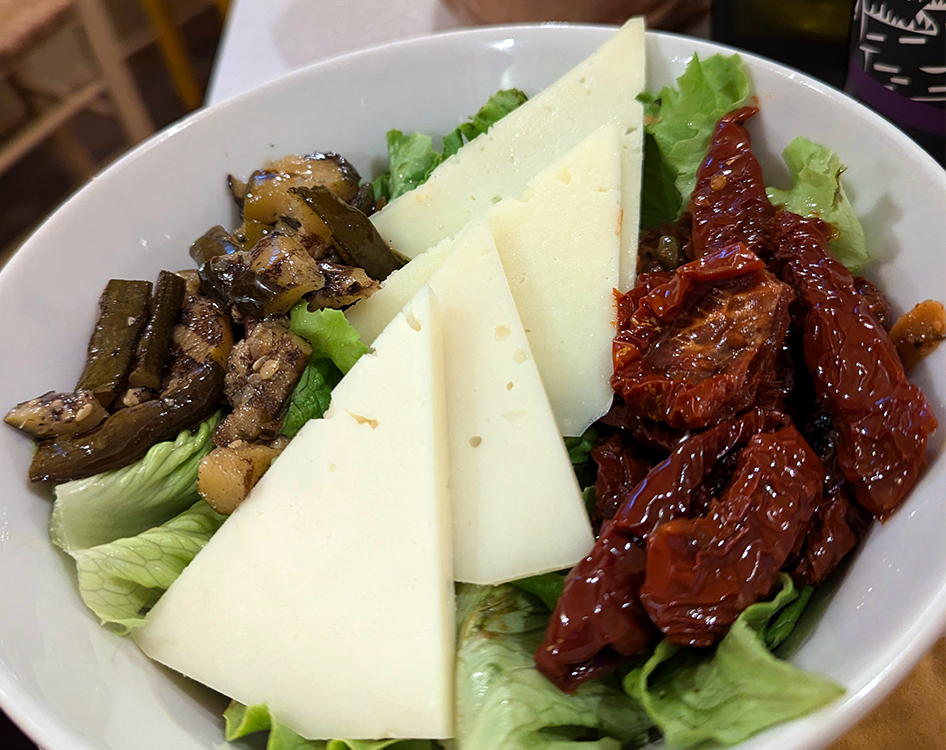
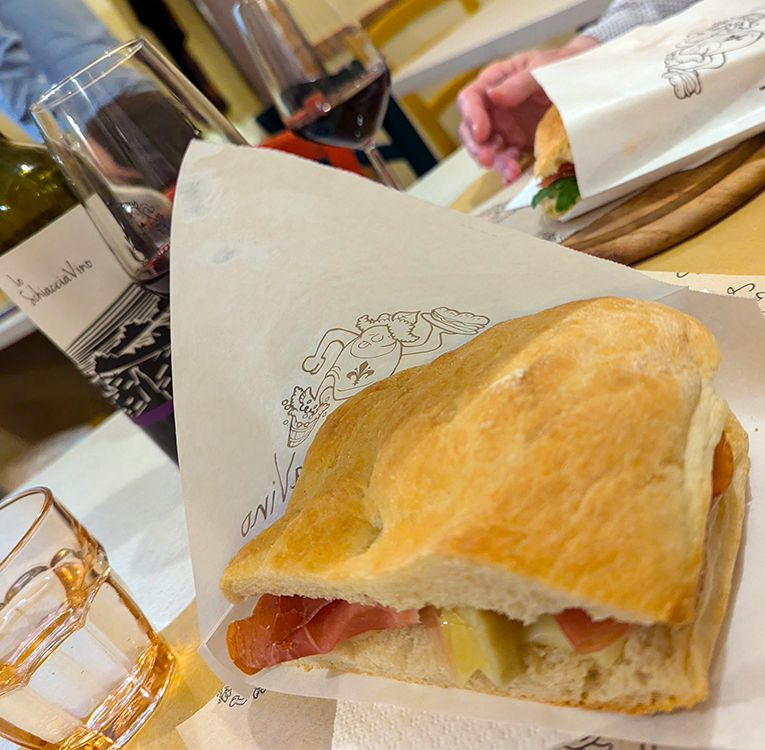
Above: Lo SchiacciaVino
We went to Luppolo e Grano Pizzeria on a Sunday, sat street-side and enjoyed watching what felt like an authentic neighborhood filled with kids and families meandering about. It’s easy to make a meal from salads served in edible bowls stuffed to the brim with deconstructed pizza toppings. Our green salad was loaded with prosciutto, apple, walnuts and seared goat cheese. The Calabra pizza boasted tomatoes, tropea onion, nudja and burrata cheese.

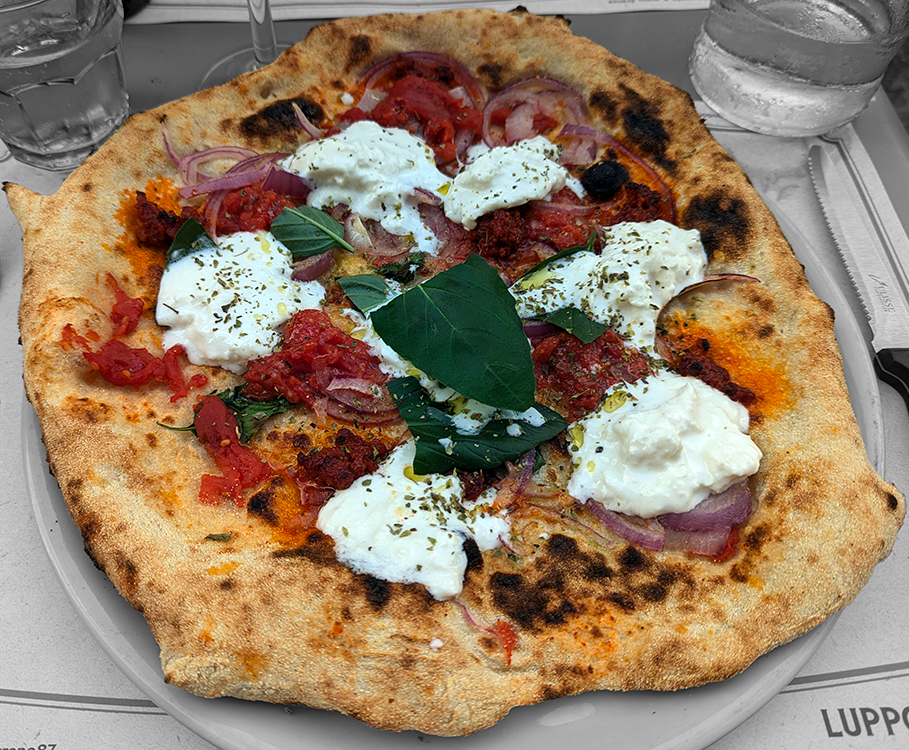
Above: Lupolo e Grano
Like many small independent restaurants in Florence, don’t expect a table at Osteria Santo Spirito without a reservation and, even then, expect a little wait time. We shared a market-fresh house salad and then both had tagliatelli – one with nicely spiced ground veal and one with plump mussels and sweet bell peppers. A nice meal with the Chupa Chups arriving with the check indicating a kitchen without pretension.

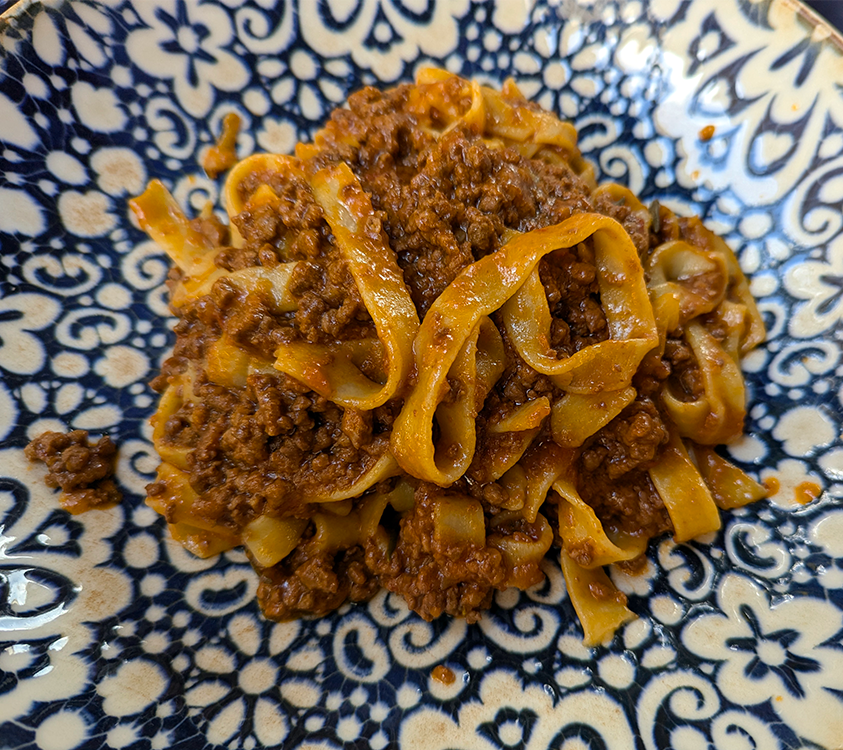


Above: Osteria Santo Spiritu
Bustling, yet still managing to extend a welcoming homeyness, Osteria Vini e Vecchi Sapori delivers expected “old” Tuscan classics, plus addictive zucchini fries. My paccheri were blanketed with a delicate zucchini blossom sauce, while Lamar ate every bite of his rich and tender Chianina beef stew.
If you are eyeing the enormous Florentine steak on the cutting board, a T-bone from the prized Chianina breed, that was not ours. But it was as close as we got to one because Florence does not do one-person or even two-person steaks.
Our proximity arose because this small osteria with limited elbow room was well-subscribed, so we ended up at the same table as a friendly, outgoing German family. They started conversing with us in English almost as soon as we sat down, the adults particularly interested in where the leadership in the U.S. was heading. Oh, dear.
Trying to satisfy the appetite of their two teenage boys, this was their second day in a row visiting Vini e Vecchi Sapori and their second time to return a cutting board to its kitchen cleaned down to the t-bone. The family-sized Florentine steak with a family-size portion of greens received their enthusiastic recommendations.

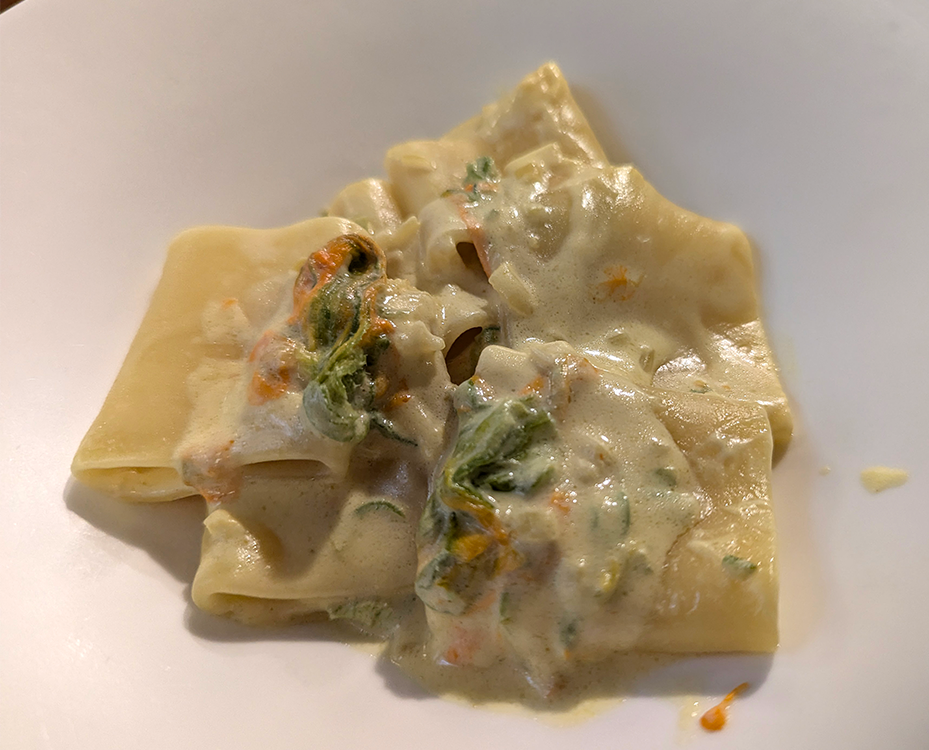


Above: Osteria Vini e Vecchi Sapori
Time for a change of pace – Ristorante Persiano Tehran. Pomegranate seeds and walnuts studded our spinach salad. Our appetizer was kashk bademjan – creamy eggplant with mint, nuts, yogurt cotta and magical spices. The kababs were tender and nicely spiced, and my dining partner relished his falling-off-the-shank lamb stinco.
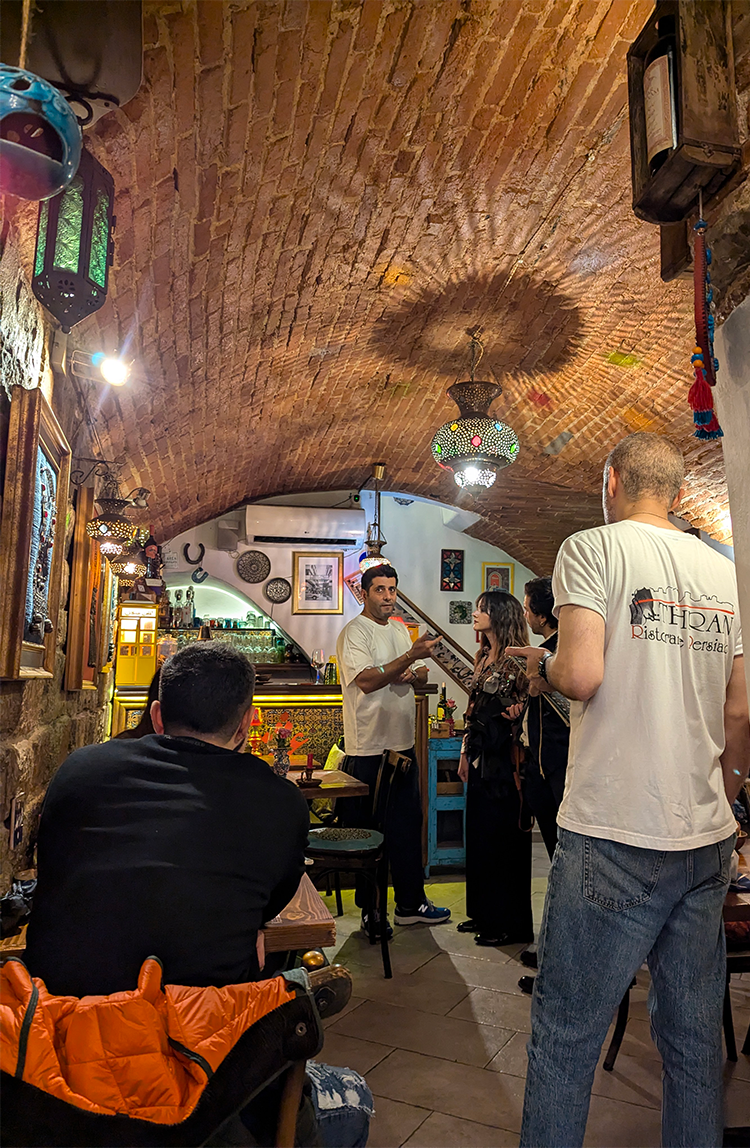


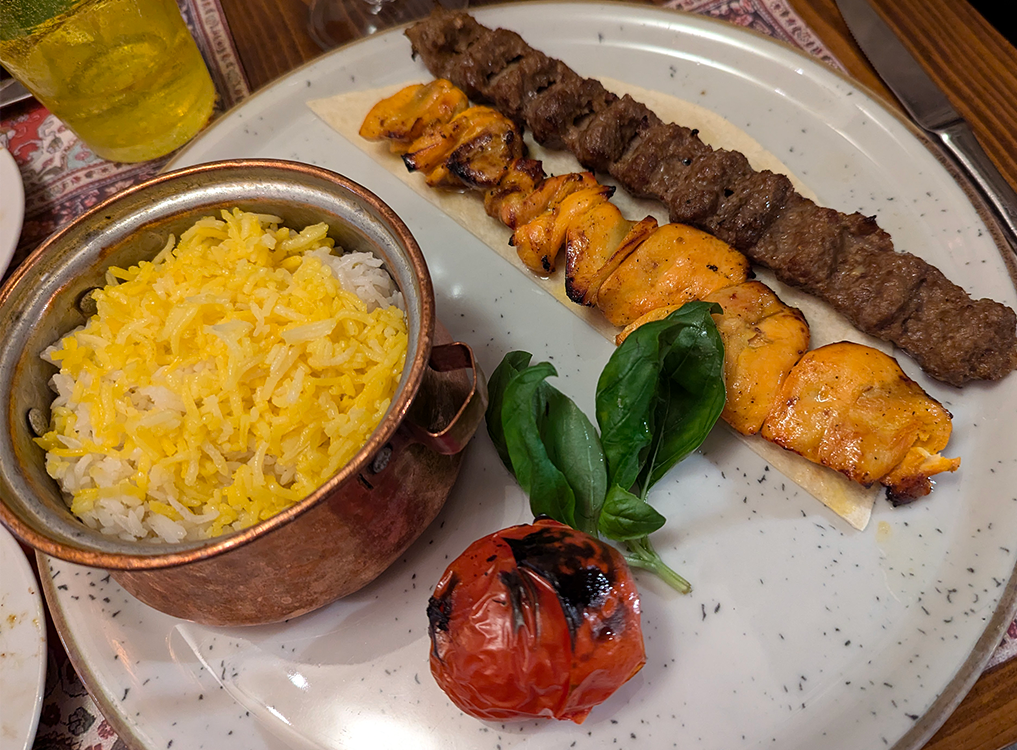
Above: Ristorante Persiano Tehran
Vivo in the Sant’Ambrogia almost feels like you have left Florence because the seafood restaurant actually is spacious, a spaciousness created by its home recycled from a former newspaper office. The restaurant is part of a group that controls a third of all Tuscan fish production, primarily out of Porto Santo Stefano, meaning this seafood is fresh.
Our table of four sampled oysters, mussels and clams. Spinach glistened with anchovies topped with toasted pine nuts. Seafood pasta and risotto pleased, while the serving of tender seared tuna with olives was the most generous I’ve ever received. We did not make it to the dessert course.


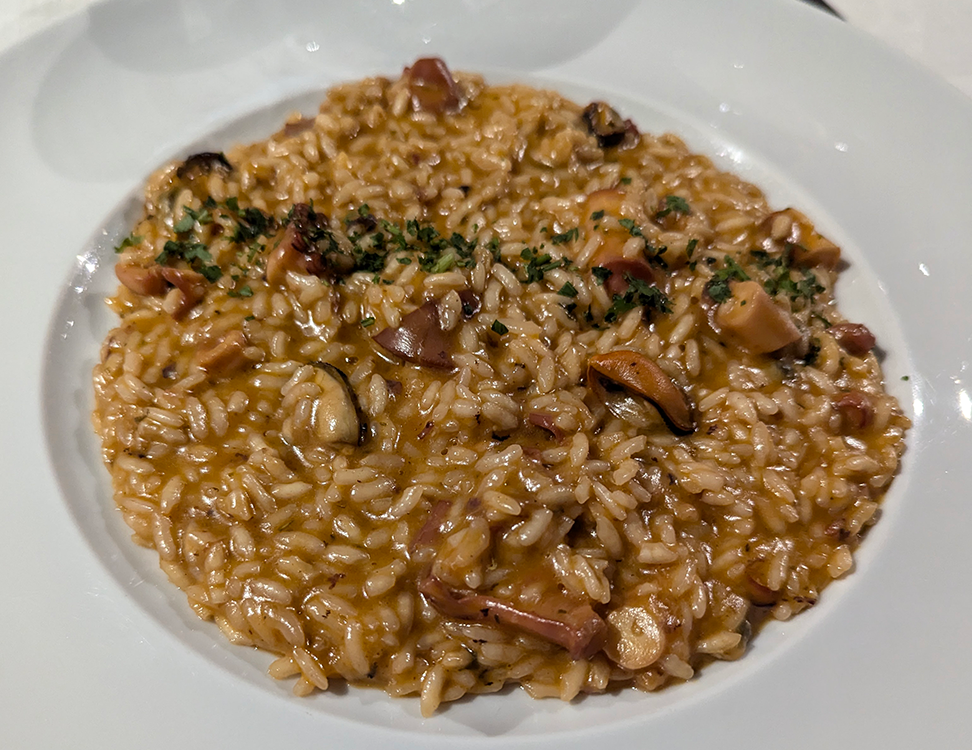
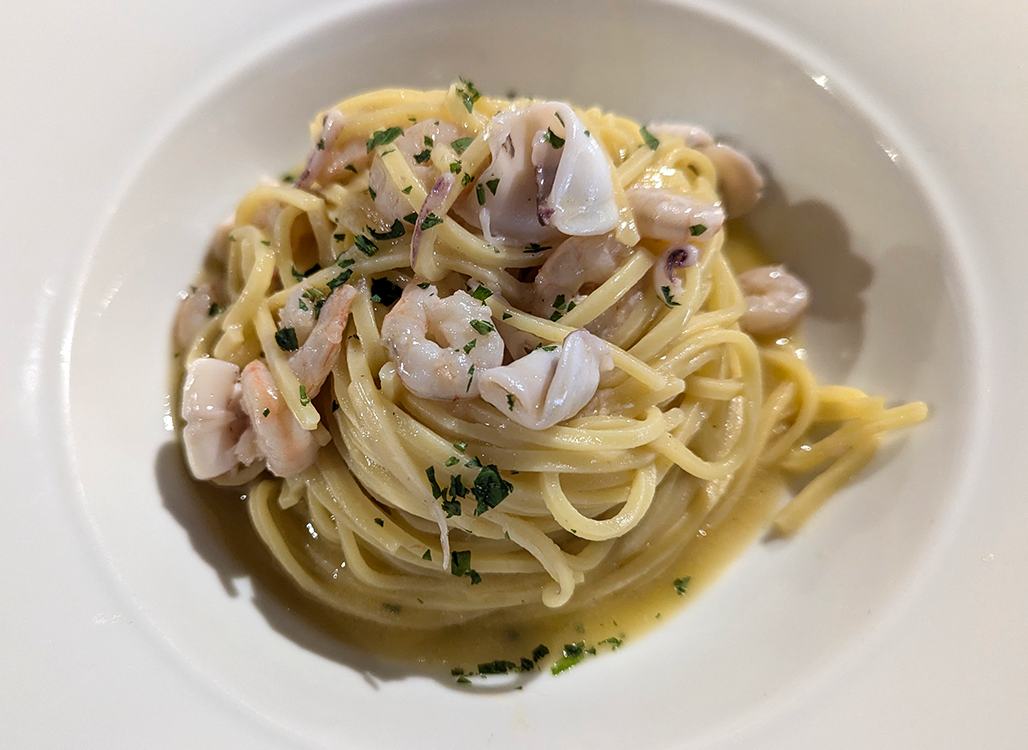

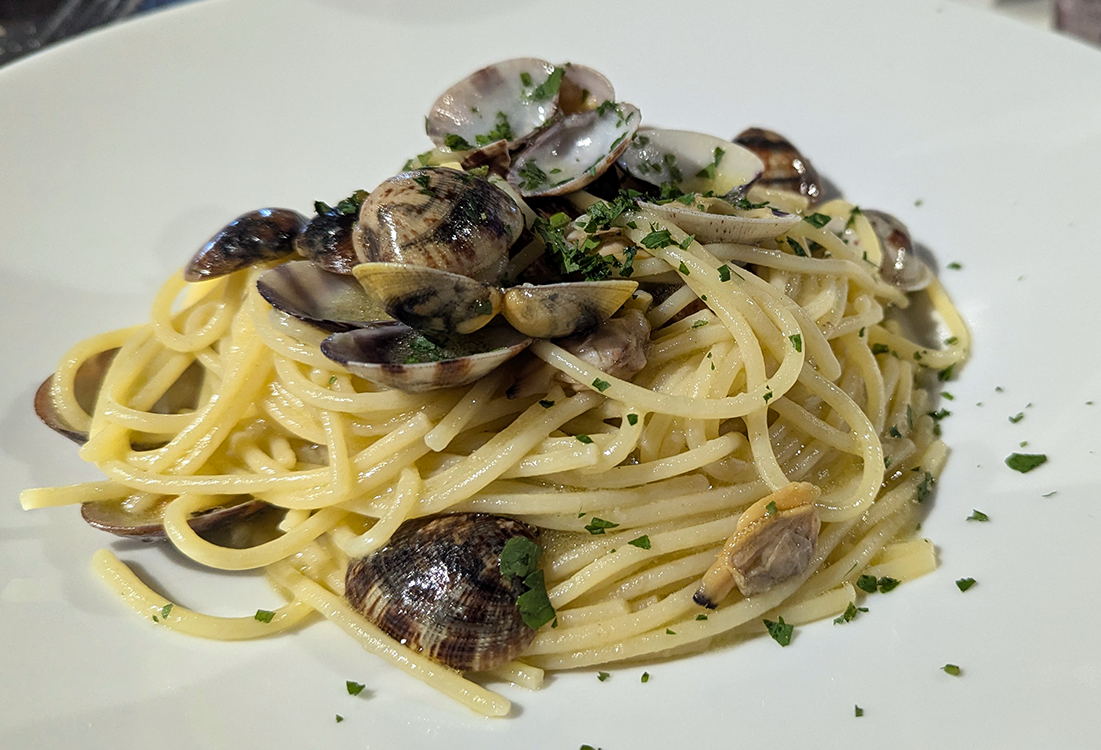
Above: Vivo
I don’t know about you, but I’m hungry. Unfortunately, I’m still wearing a bit of that butter around my middle months after our visit.
 Postcards from Barton Springs