
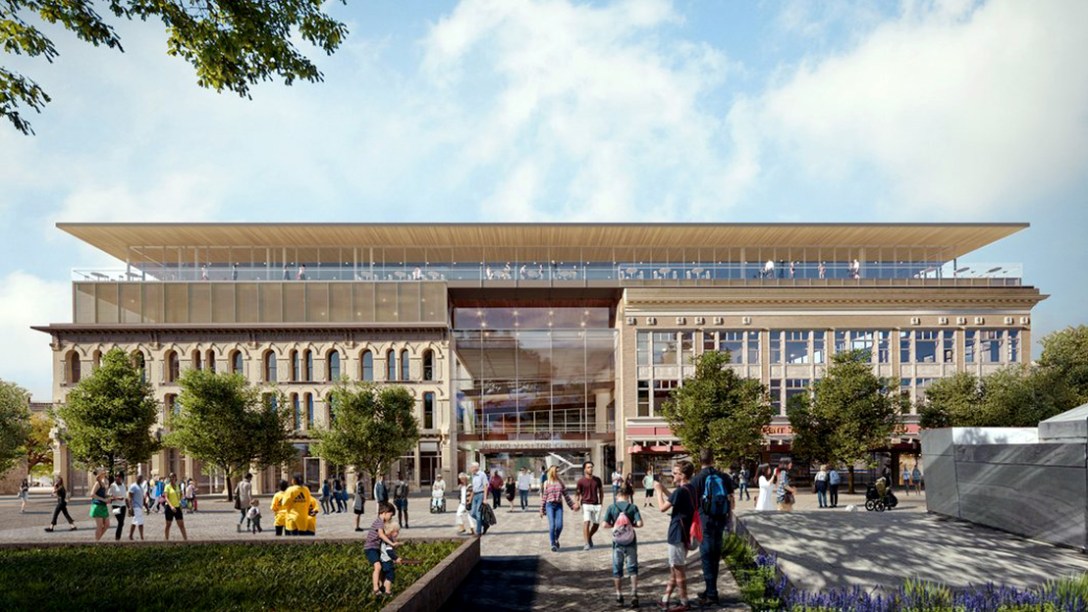
Above: Rendering of plans for the Alamo Visitor Center and Museum from the Alamo Trust
Recent international trends in museum design and development have emphasized the reuse and transformation of historic industrial and commercial buildings for interpretive programming, providing stronger links between complex layers of history and dynamic visitor experiences. Through the historic preservation treatments of exterior restoration and interior rehabilitation, these three buildings on Alamo Plaza can provide the opportunity for a unique twenty-first century museum experience that is innovatively housed within some of San Antonio’s most historically significant commercial architecture of the nineteenth and early twentieth centuries.
“Historical Assessment of a Trio of Historic Buildings on the West Side of Alamo Plaza,” John G. Waite Associates’ study commissioned by the Alamo Trust, 2020

The Crockett Block (1882); the Palace Theater (1923); and the Woolworth Building (1921). All three recognized as significant historic landmarks in San Antonio and nationally. The 2020 evaluation by John G. Waite Associates let preservationists breathe a bit easier.
A cause for celebration: The block is no longer in danger of complete demolition to make way for a new museum directly across the plaza from the Alamo Chapel. The rendering at the top of this post is the current one espoused by the Alamo Trust. Most of this complex on the west side of Alamo Plaza will be transformed into a handsome museum and visitors center designed by a team of architects and designers from internationally renowned Gensler and San Antonio-based GRG Architecture.
In addition to private donations, the overall Alamo Plan is receiving an amazingly generous boost in the Texas State Budget – a whopping $400-million. In other words, the museum, preservation of the Alamo itself and redo of Alamo Plaza are all moving forward.
As for the plaza treatment? I’m partial to the live oak trees presently there and the shade they provide.
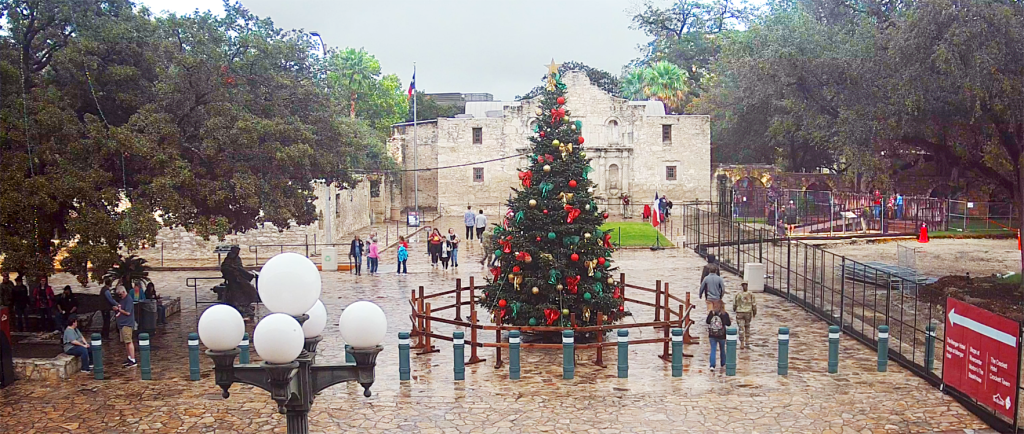
Above: Screen grab from the Alamo Plaza Live Cam on November 30, 2023, shows large live oak trees framing the view of the Alamo.
Some fine tree specimens already have been removed for the construction of an interpretation of the original southern gate to the plaza and a somewhat awkward lunette.

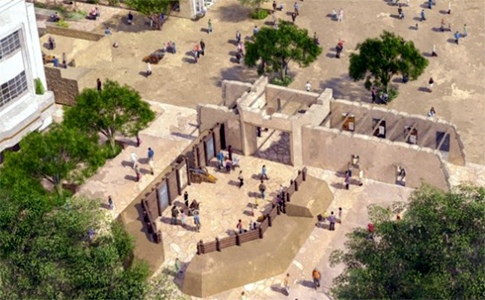
Above: Renderings of the almost-complete Mission Gate and Lunette
In the past, I’ve complained tree removal will transform the plaza into a giant sizzling hot comal. But no more. With the plan approved and major funding in place, I will try to refrain from typing any more criticisms.
Texans have battled about what is best for the state’s most famous landmark since the 1836 battle itself. No step along the way has been taken without hurdles of public opinion to overcome. Compromises have been made along the way, and the change to spare the architectural integrity of the west side of the plaza is perhaps the biggest.
As for the rest of Alamo Plaza, I’m adopting an it’s-just-paint-don’t-faint attitude. If the comal of a plaza proves too hot for visitors to handle, more trees will be planted.
Few parts of the city have undergone as many altercation-causing alterations as the plaza. The stands of the chili queens were removed. Clara Driscoll secured her desired rose garden. Exotic palms and cacti were planted at some point. Gazebos and trees have come and gone and come again as dictated by swings in fashion trends.
Vintage postcards pulled from my desk drawer illustrate a few of the frequent revamps.

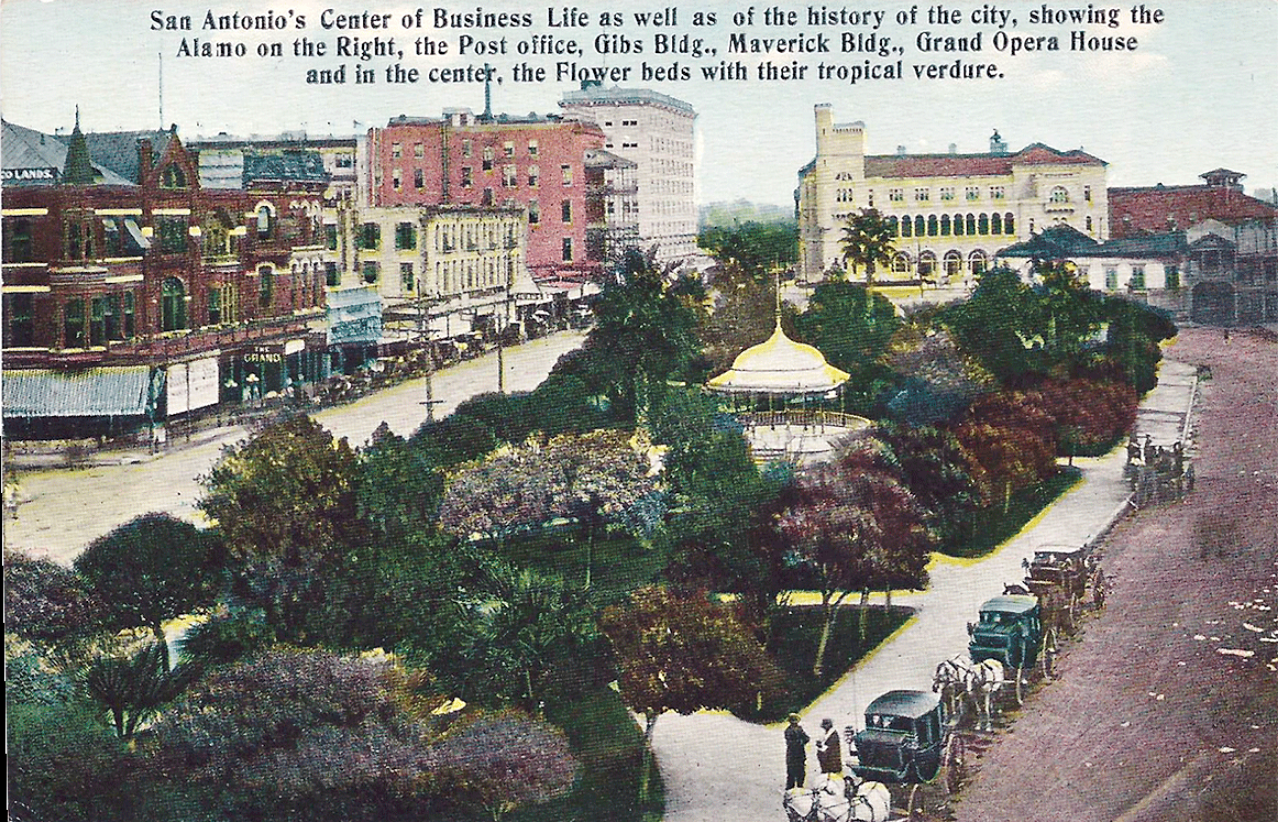


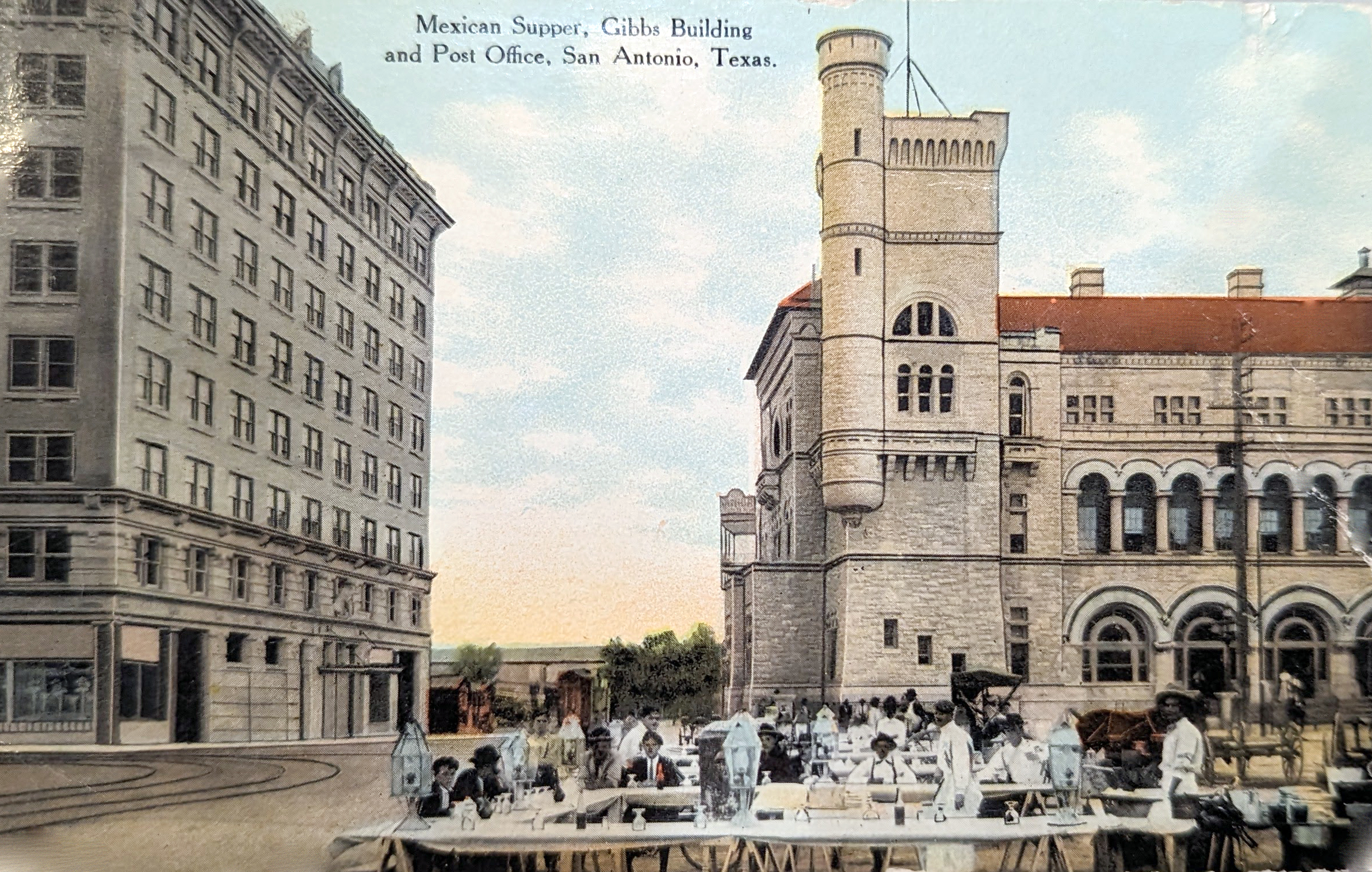
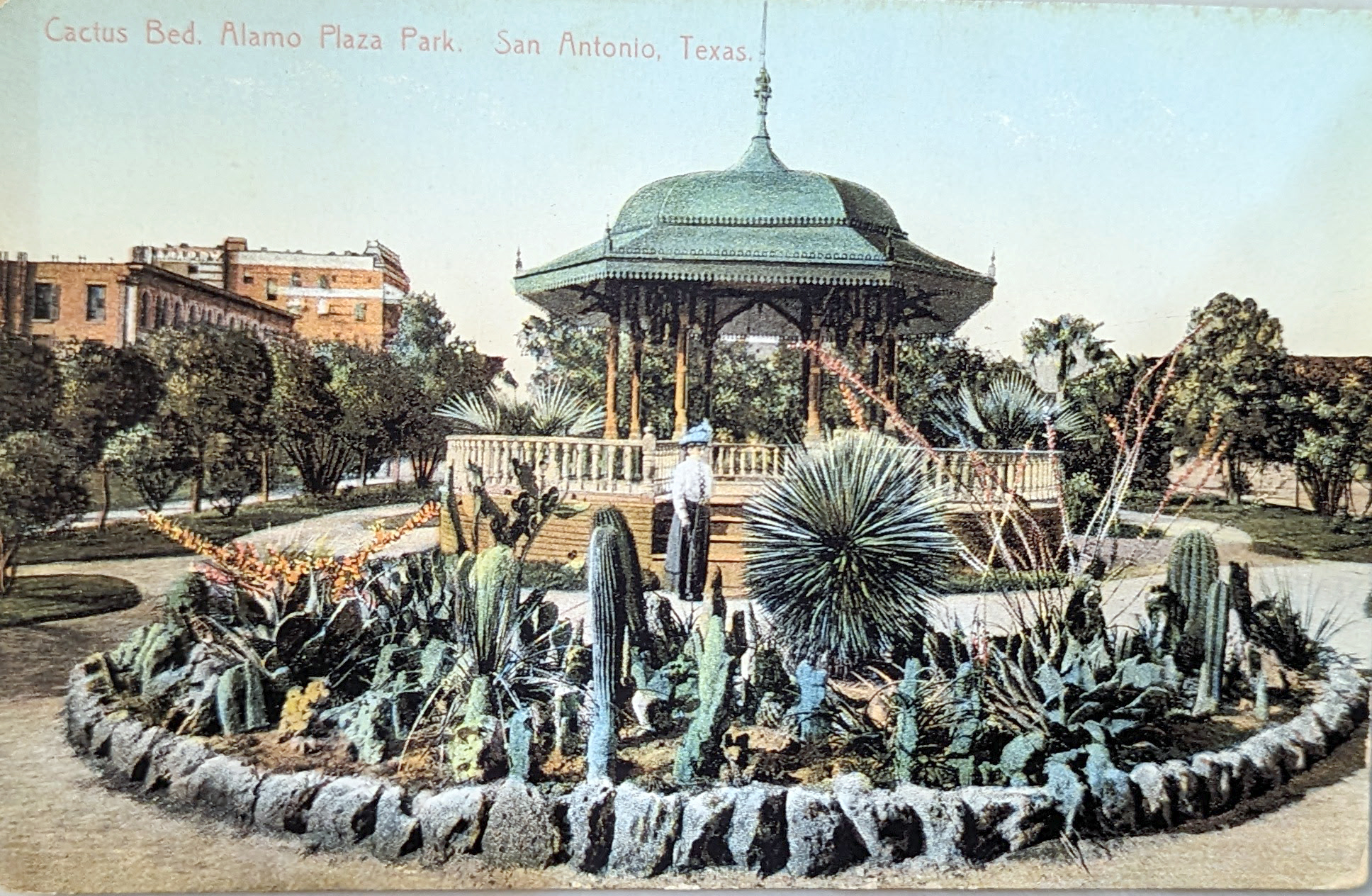

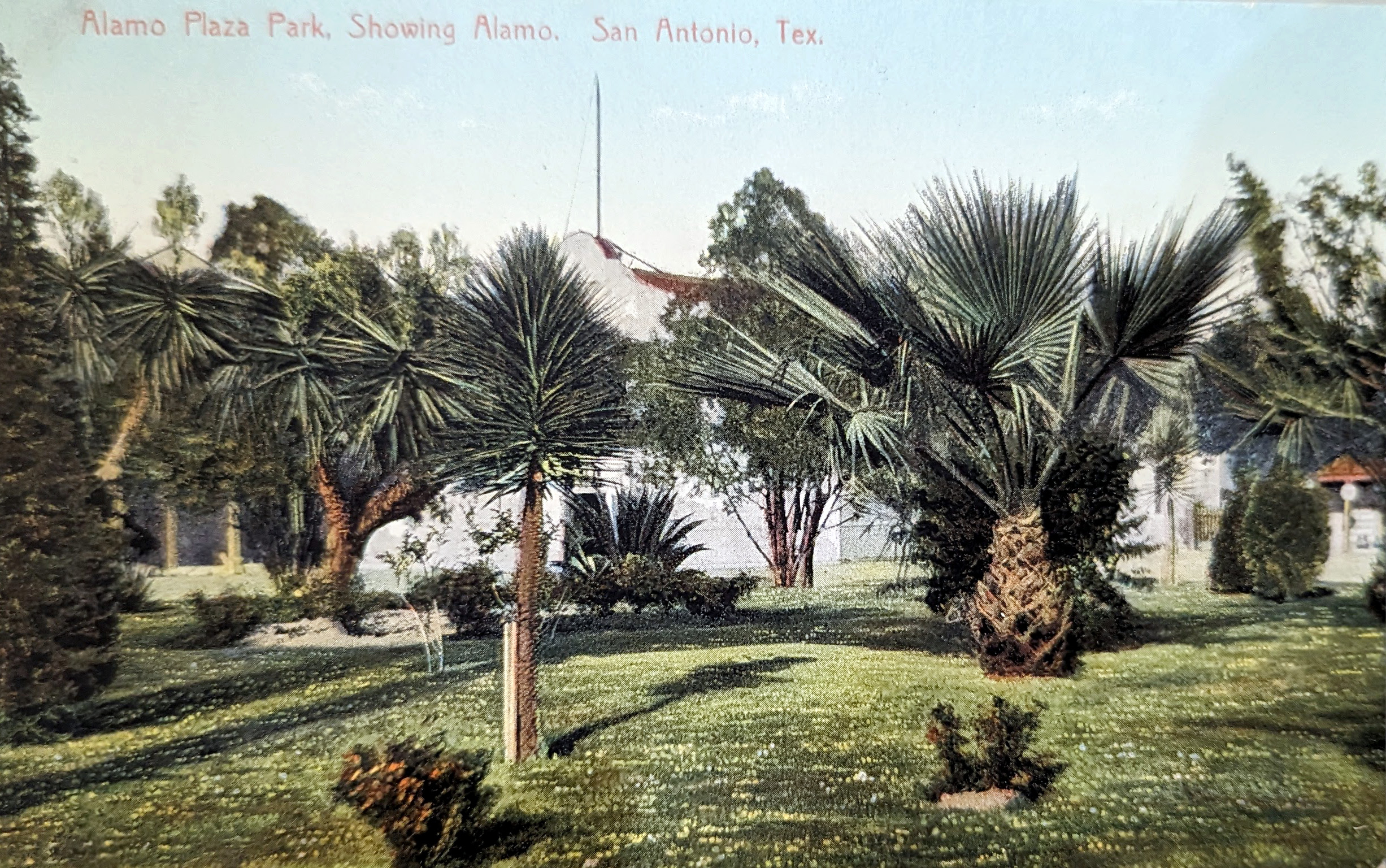

Additional images of Alamo Plaza through the years can be found on the website of The Conservation Society of San Antonio.
The Alamo Trust has worked long and hard to gain approval for a plan to improve the visitor experience. A team of Texas historians is helping guide more inclusive historical interpretations revolving around the former Mission San Antonio de Valero, the Battle of the Alamo and the plaza. How exhibits are presented in the new museum will no doubt prove a thornier task than gaining support for the overall Alamo Plan itself.
With the preservation of historic architectural elements secured by the Alamo Trust, future trends still will continue to affect the plaza itself. Expect alterations once again within a decade or two, and expect altercations about them.
So, cheers to the perseverance of the Alamo Trust and what they have accomplished.
 Postcards from Barton Springs
Toast away and follow with a shooter! It’s very difficult to get to it now with all the construction anyway! Happy holidays!
LikeLiked by 1 person
Cheers, Kathy! I assume you are referencing the plaza, not the journey I’d face on I-35.
LikeLike
All of the above….
LikeLiked by 1 person