
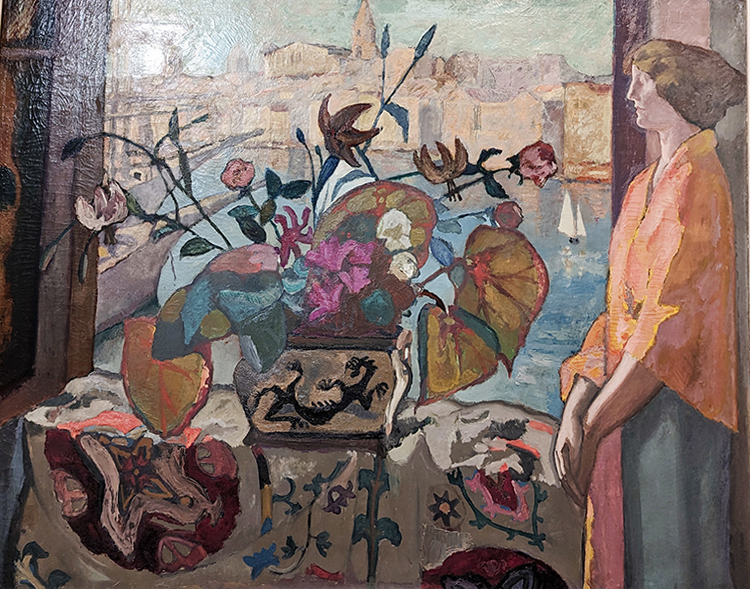

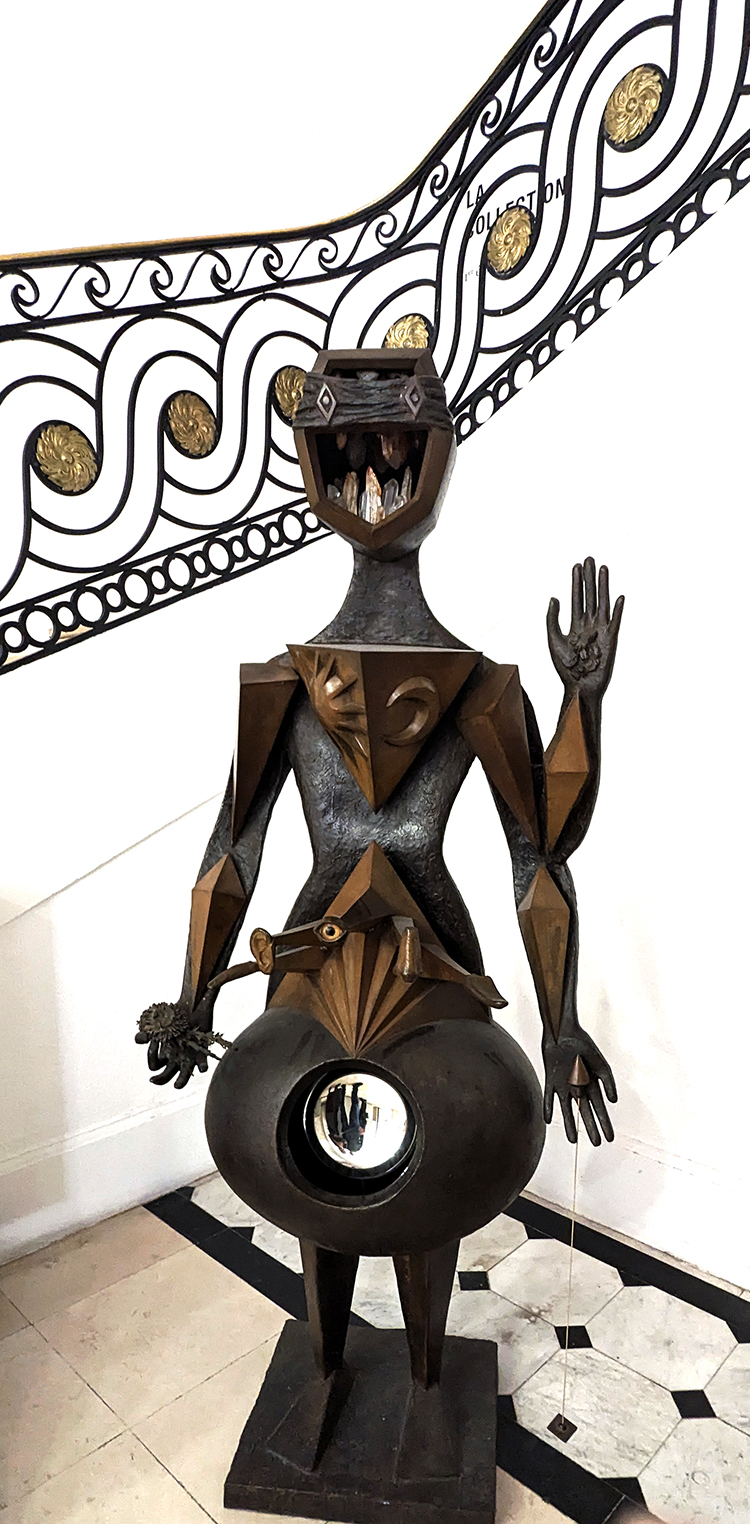
Above: “Les Fleurs et le Matin,” Alfred Lombard (1884-1973), 1913
I kill time with the strokes of the pen…. It will take a long time.”
Louis Pons (1927-2021)
A palace built at the tail end of the 17th century by wealthy trade merchants was acquired a century later by the artistic son of a stonemason. With a ready supply of fine marble at hand, Jules Cantini’s (1826-1916) attraction to sculpture was only natural. He designed altars for some of Marseille’s most important churches.
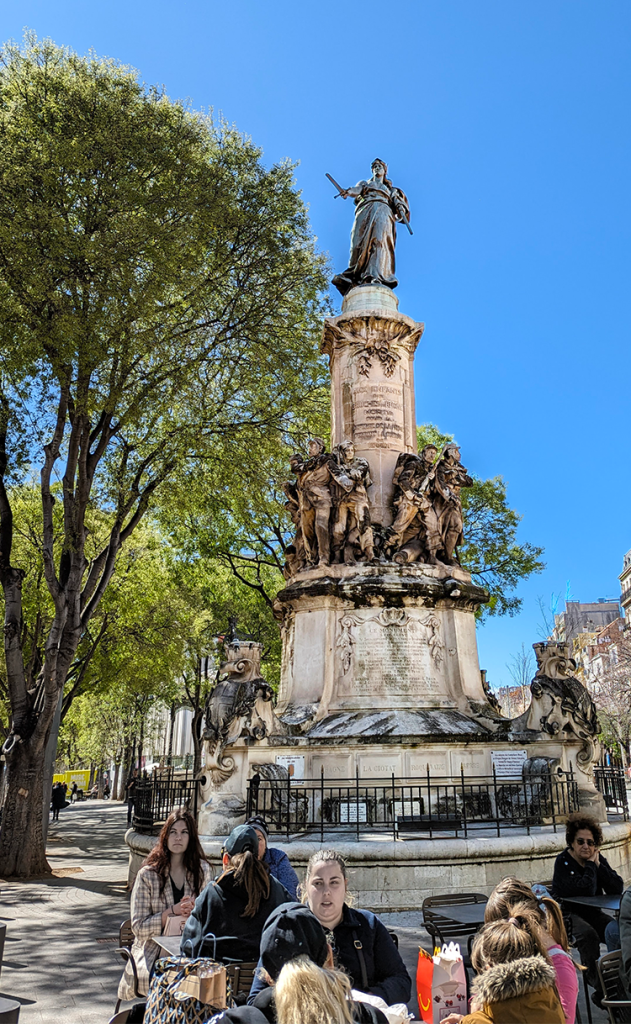
Retaining the profitable marble business of his father, Jules began to assemble a major art collection. For his native city, Cantini underwrote the construction of a landmark fountain and memorial designed by architect Gaudensi Allar (1841-1904) and dedicated to the citizens who perished during the 1870 Franco-Prussian War.
Cantini bequeathed his home to the Marseilles for use as a museum dedicated to decorative arts. The city opened the museum in 1936, eventually spotlighting emerging trends in French art from 1900-1980. A random sampling of works are found below.
I think I was shy as a young woman and realized that photography was an ideal way of expressing myself, of telling people what was going on without having to talk.”
Photographer Martine Franck (1938-2012)
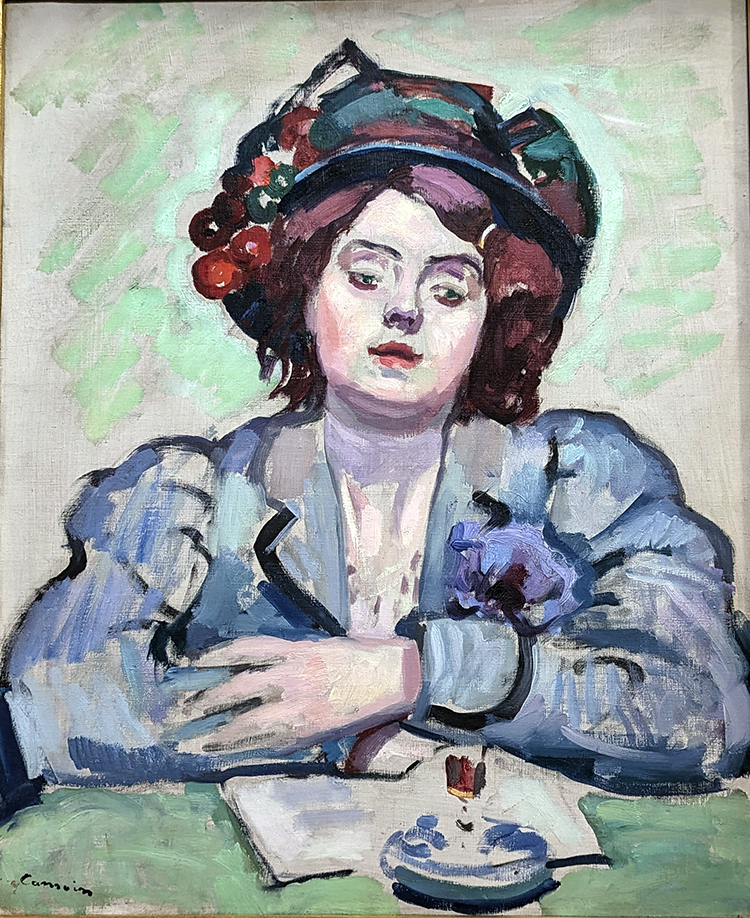

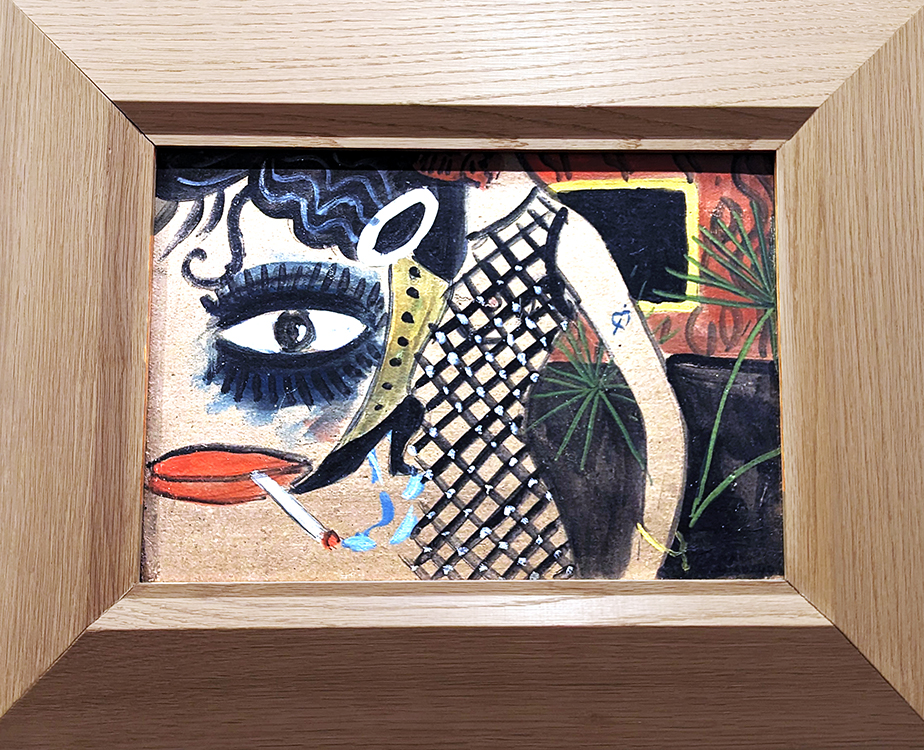
Above left: “La Petite Lina,” Charles Camoin (1879-1965), 1907. Top right: “Le Brusc,” Martine Franck, 1976. Right: “La Femme a la Cigarette,” Auguste Chabord, (1882-1955), 1912.


Above left: “Le Grand Transparent,” Jacques Herold (1910-1987), 1947. Middle: “La Plage,” Raoul Hausmann (1886-1971), 1947. Right: “Usine a l’Estaque,” Raoul Dufy (1877-1953), 1908.
In every human being there is a child who only wants to play, and the most attractive game is mystery. The mysterious content of the human soul wanders through the meandering corridors of a mythical labyrinth….”
The Mirror of Magic: A History of Magic in the Western World, Kurt Seligmann, 1948
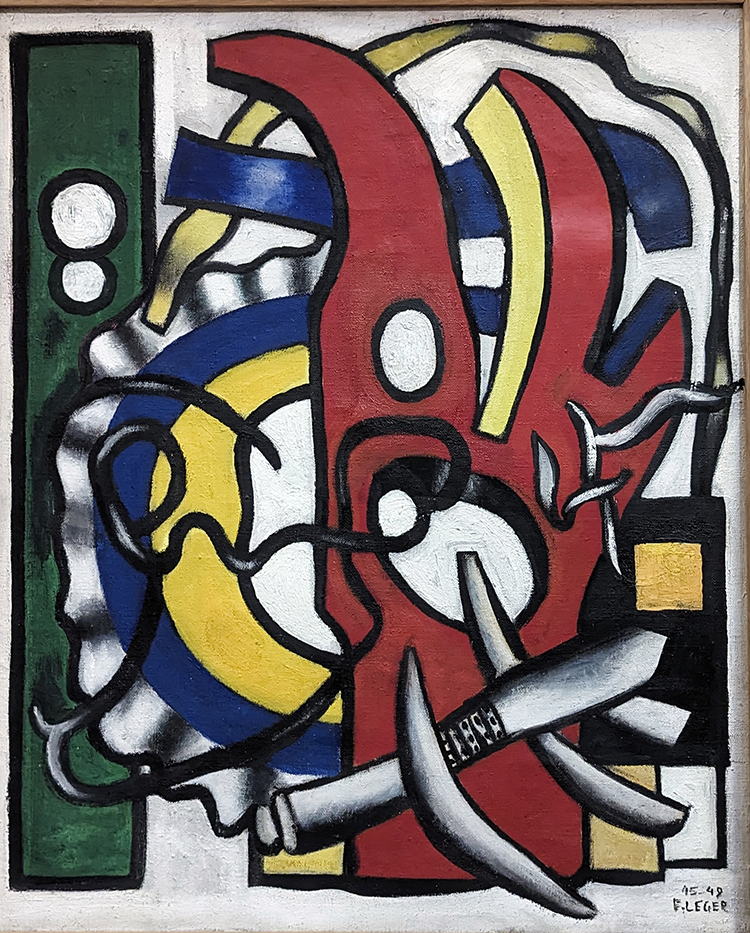

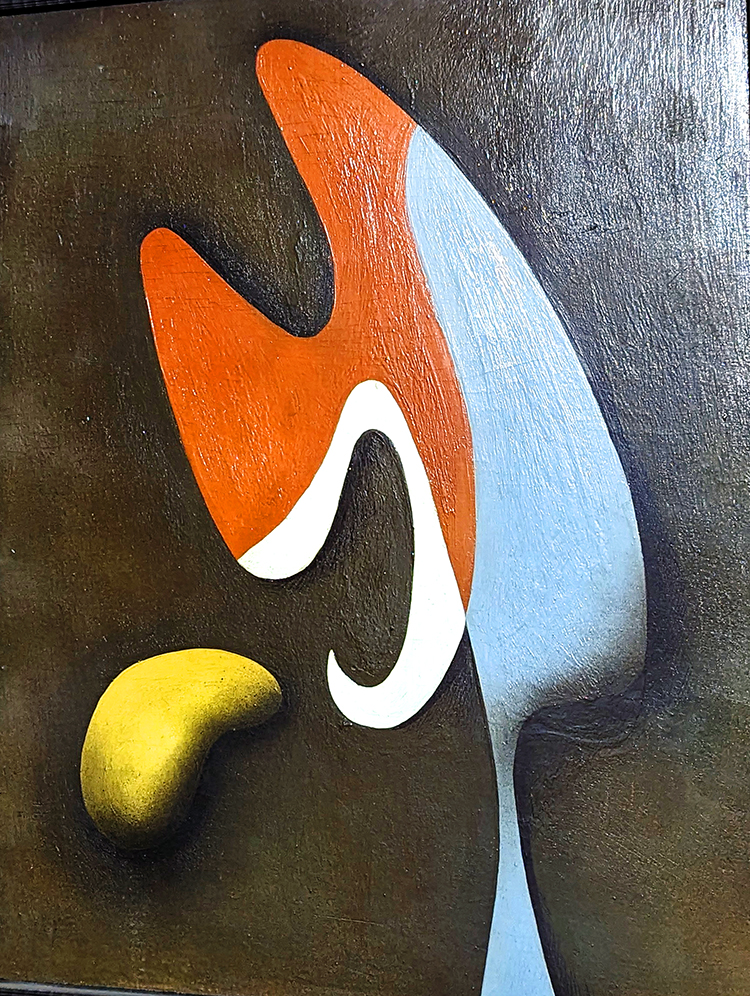
Above left: “Nature Morte au Cocteau,” Fernand Leger (1881-1955), 1949. Middle: “Monument aux Oiseaux,” Max Ernst (1891-1976), 1927. Right: “Le Clown,” Kurt Seligmann (1900-1962), 1931.
Painting is life, the real life, my life.”
Epitaph on the grave Victor Brauner (1903-1966) in Paris

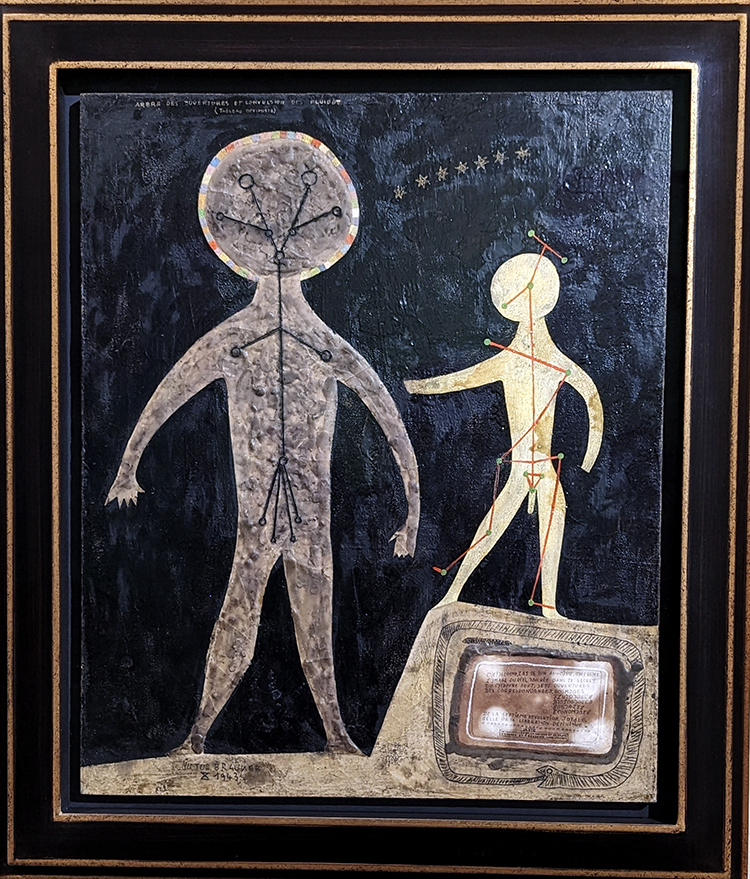
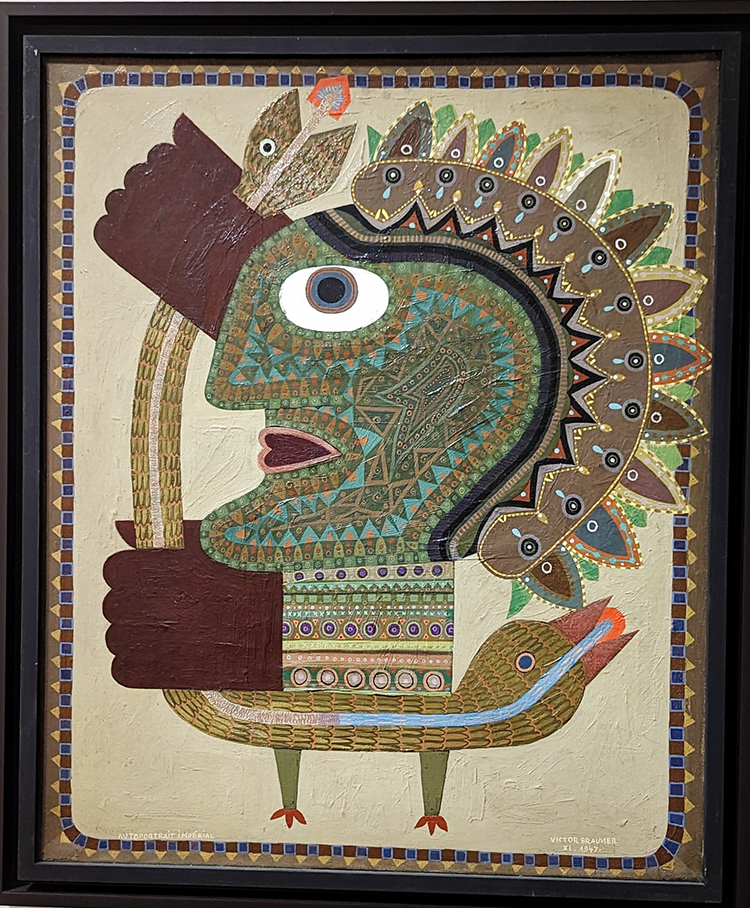
Above left: “Nombre,” 1966. Middle: ” Tableau Optimiste,” 1943. Right: “Autoportrait Imperial,” 1947. All three by Victor Brauner.
Art Must Nail the Beak
The last scion of a family of vanity painters
I lived twenty years in the shoes of a cartoonist
whom I loved like a brother
When he left me, the laughter froze.
Surrounded by packs of cats.
In lost scrubland.
I fled inside
of myself....

I made a beautiful bouquet of fears
Better a nightmare of one's own than someone else's dream....

The studio is the labyrinth of my contradictions
where I trade in sadness while keeping a smile
I spat out a painting like a kernel again
How do you draw an egg? First, draw a rooster.
Second, draw a chicken. Be patient and wait
Don't hit me in the face, memories take care of it....
Excerpt from autobiographical poem, Louis Pons
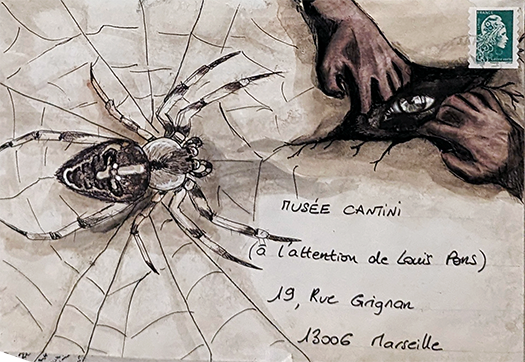


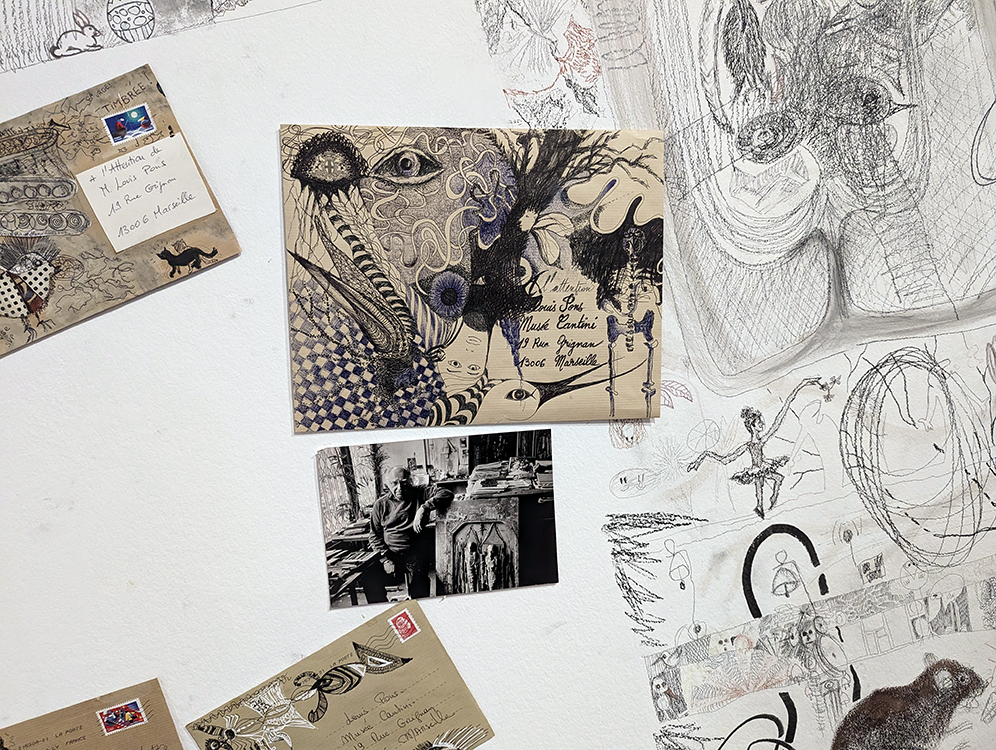
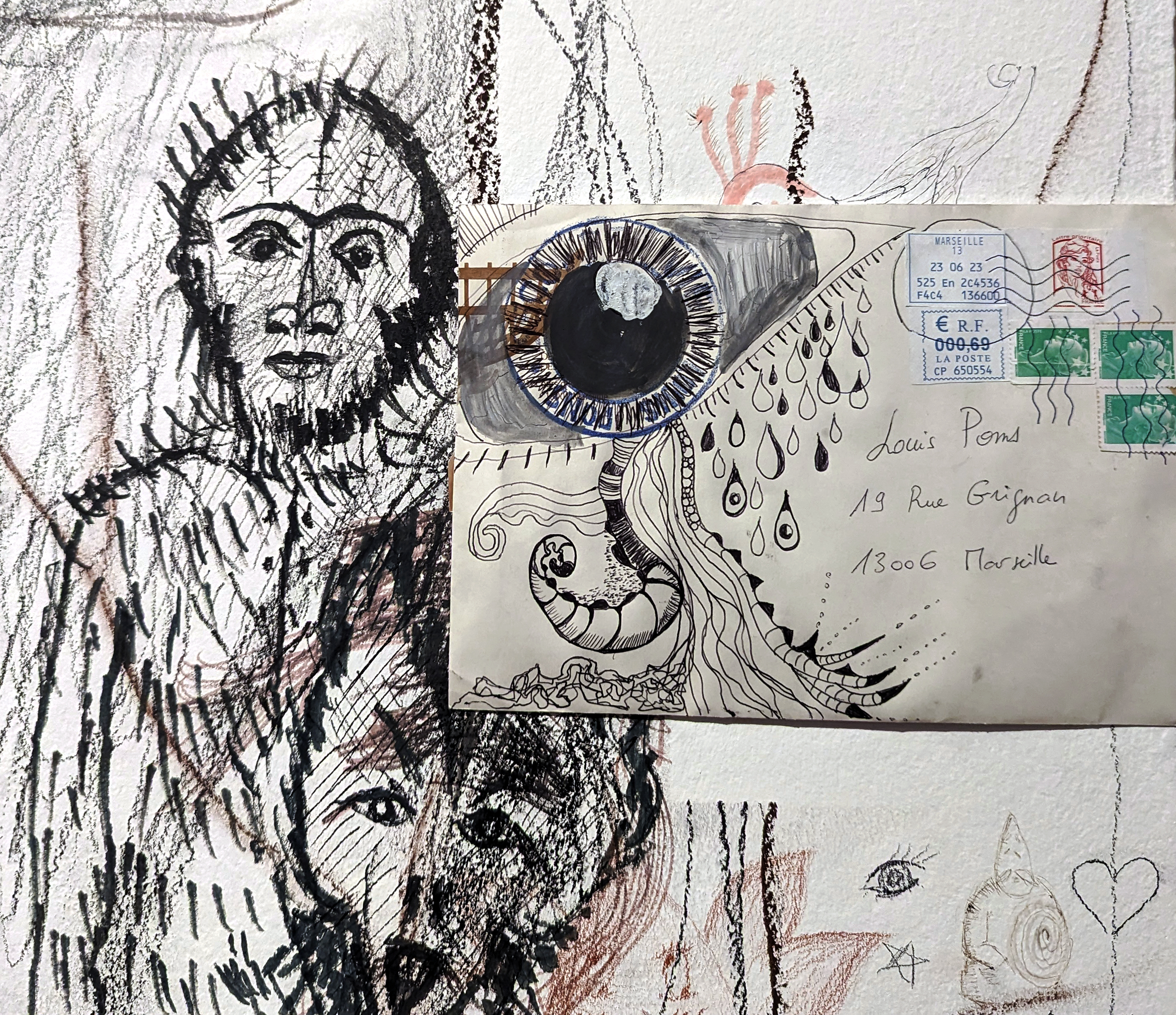

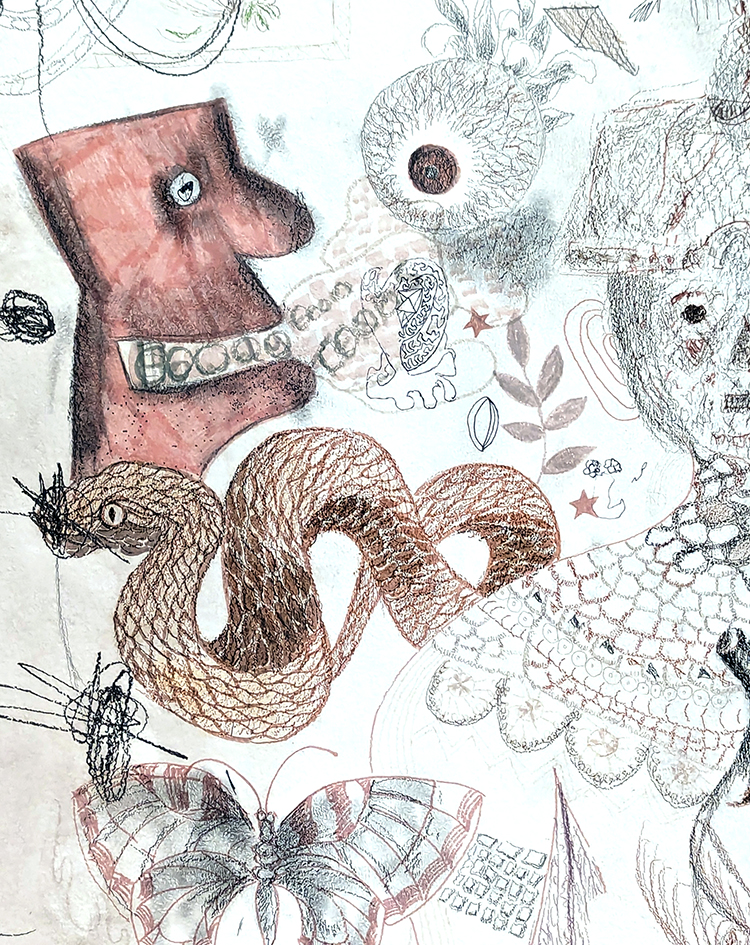


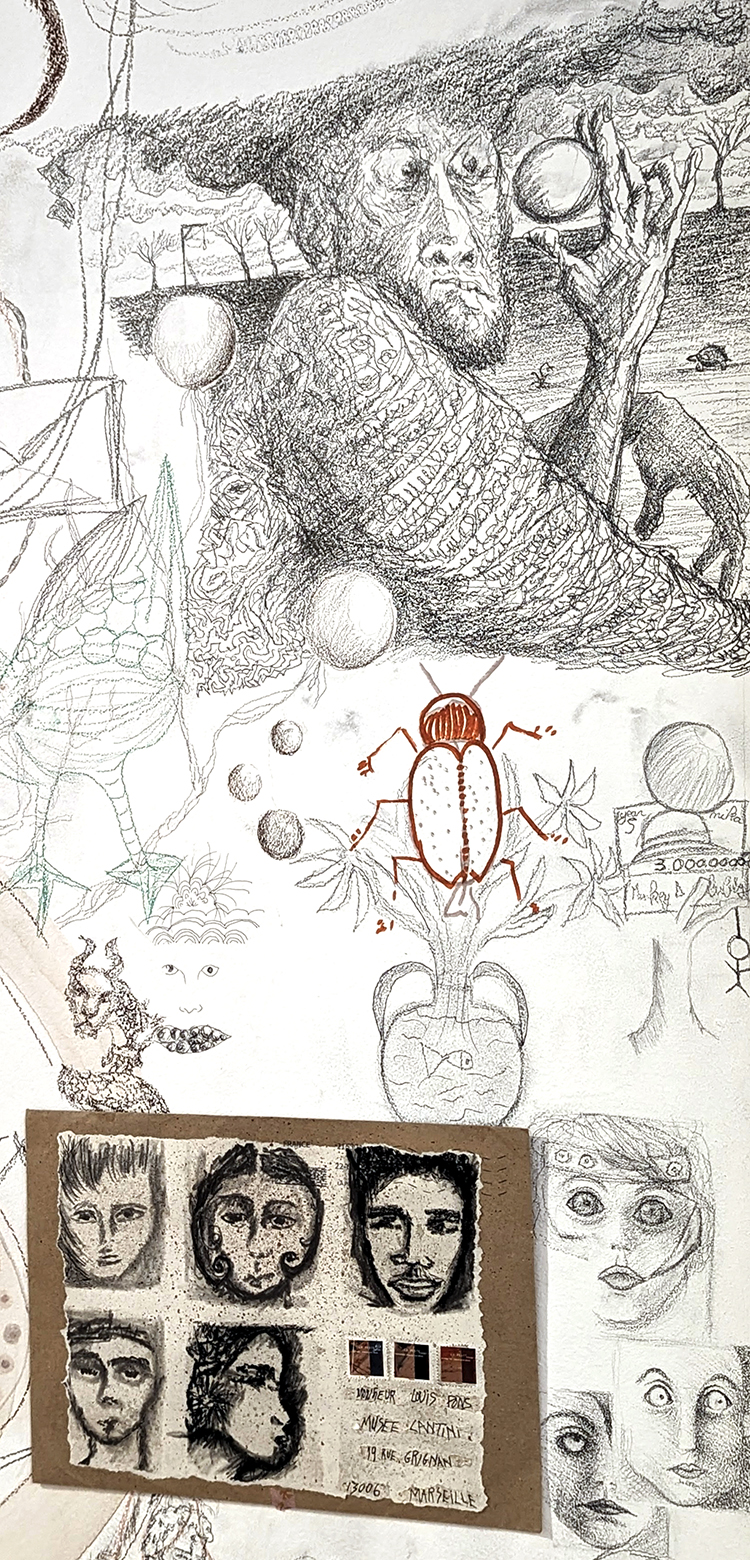
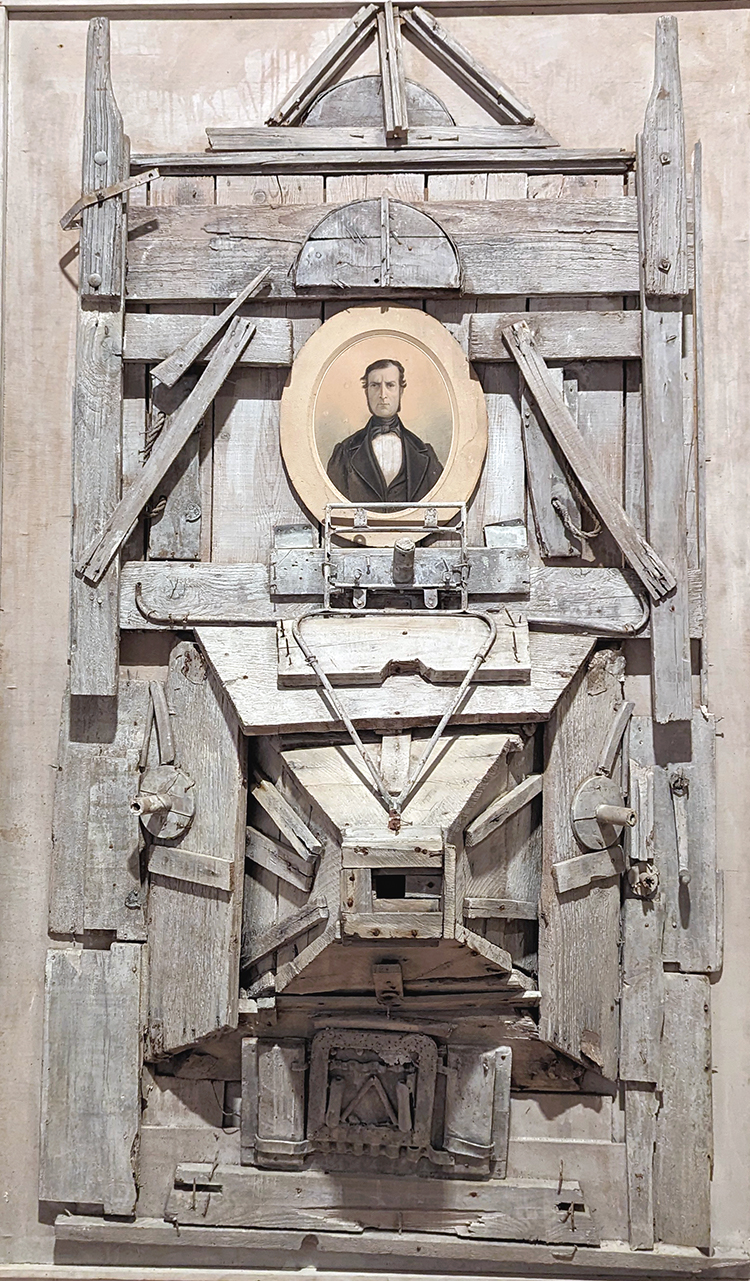
Above: All by Louis Pons.
Wait. Why in the world would anyone regard art by someone incorporating postmarked cards and letters outsider art? Clearly, it’s an indication of genius at work.
 Postcards from Barton Springs