


Above: Display in Musee d’Arts Africains, Oceaniens, Amerindiens housed in a portion of La Vieille Charite
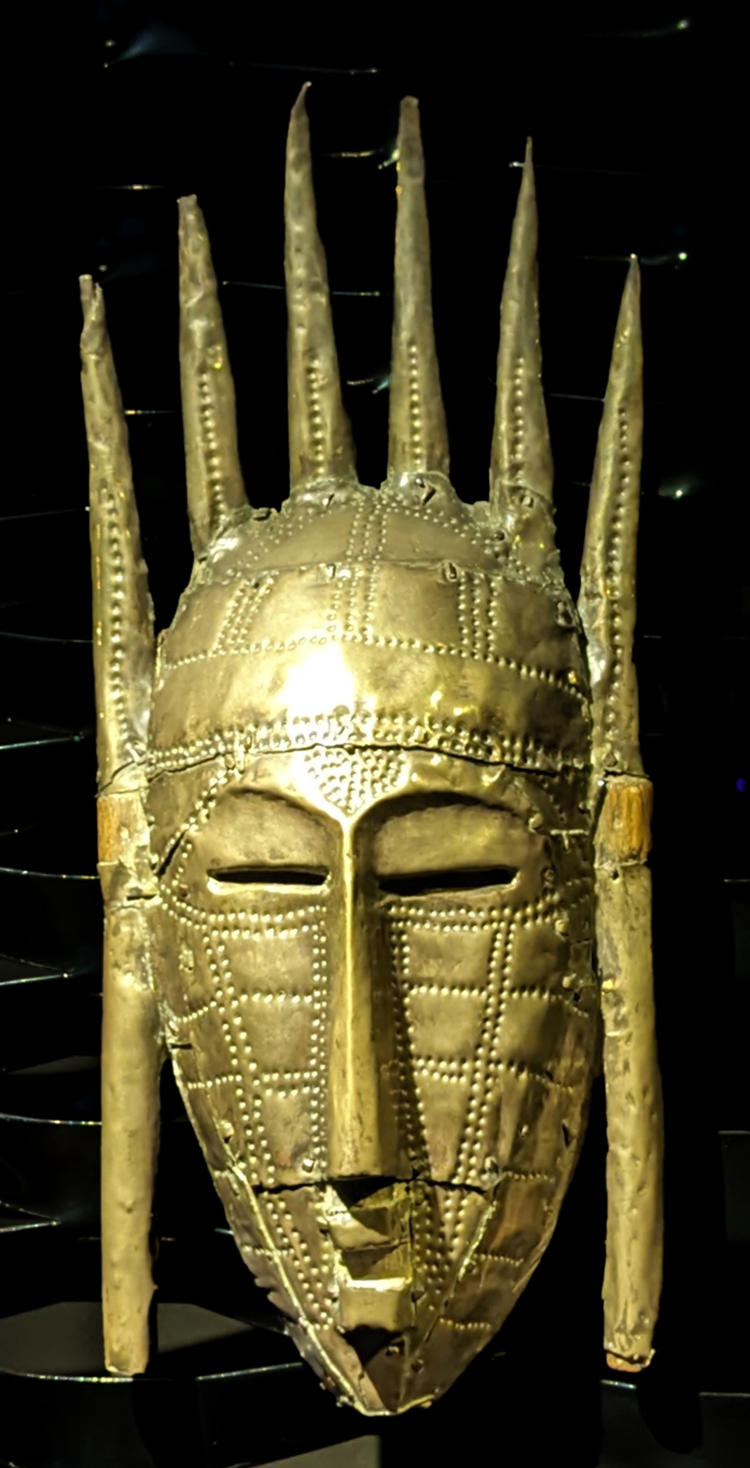
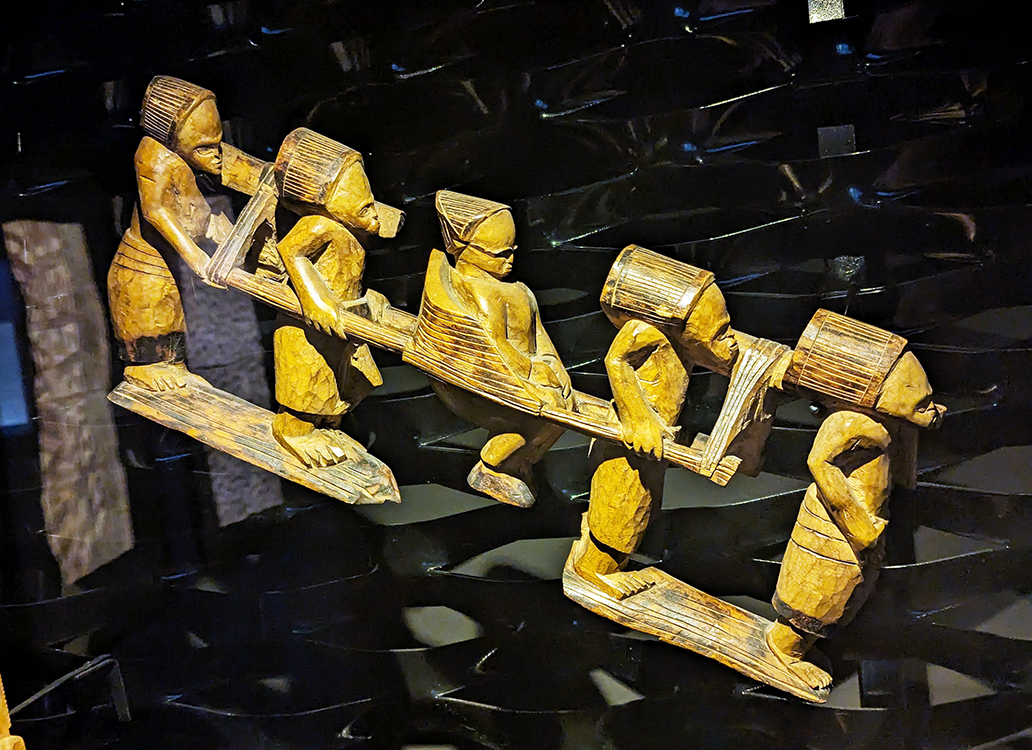
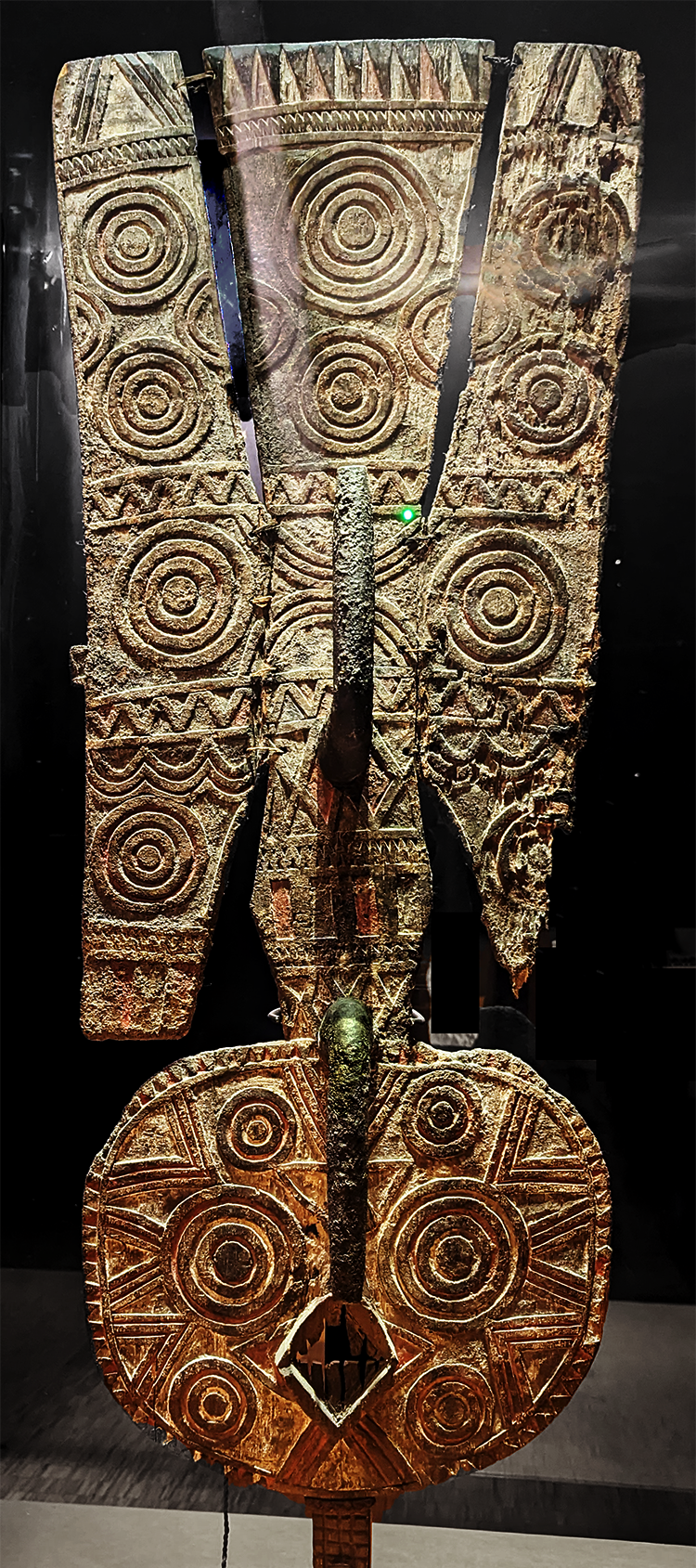
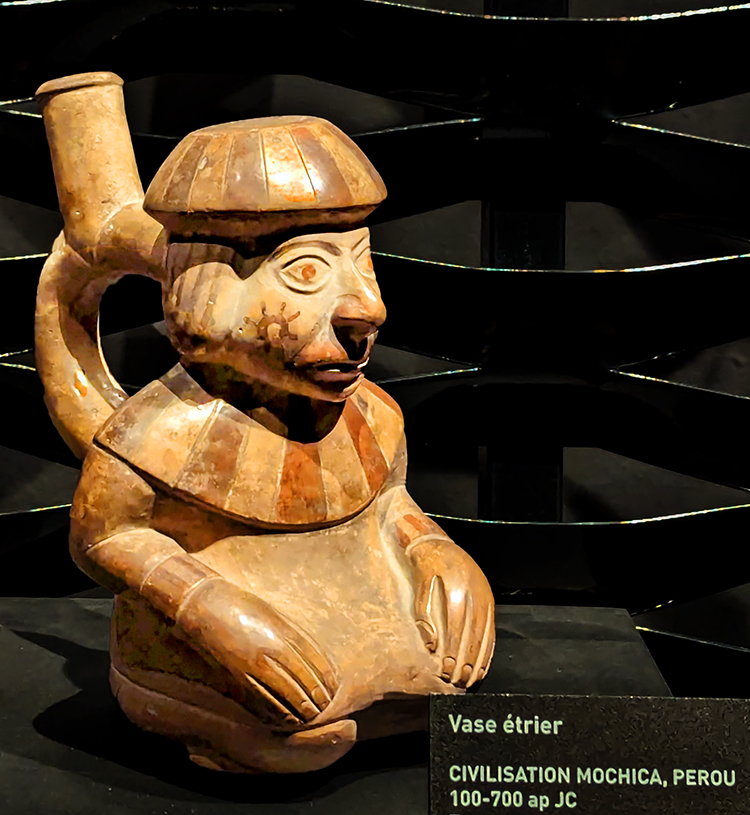
Stunningly exquisite, feathered pieces; masks meant to placate gods or frighten enemies; and skulls and shrunken heads all abide together in the city’s Musee d’Arts Africains, Oceaniens, Amerindiens. With dramatic lighting illuminating its exhibits, Marseille opened the museum in 1992 in the renovated Vielle Charite.
A port with a customs house no doubt has a wealth of objects seized through the centuries from importers failing to pay duties. Gifts and purchases of whole collections concentrating on different regions of the world form the core collection of the museum, which enables a logical separation of the pieces into three galleries. Apologies that the images below are not arranged in an orderly fashion at all.



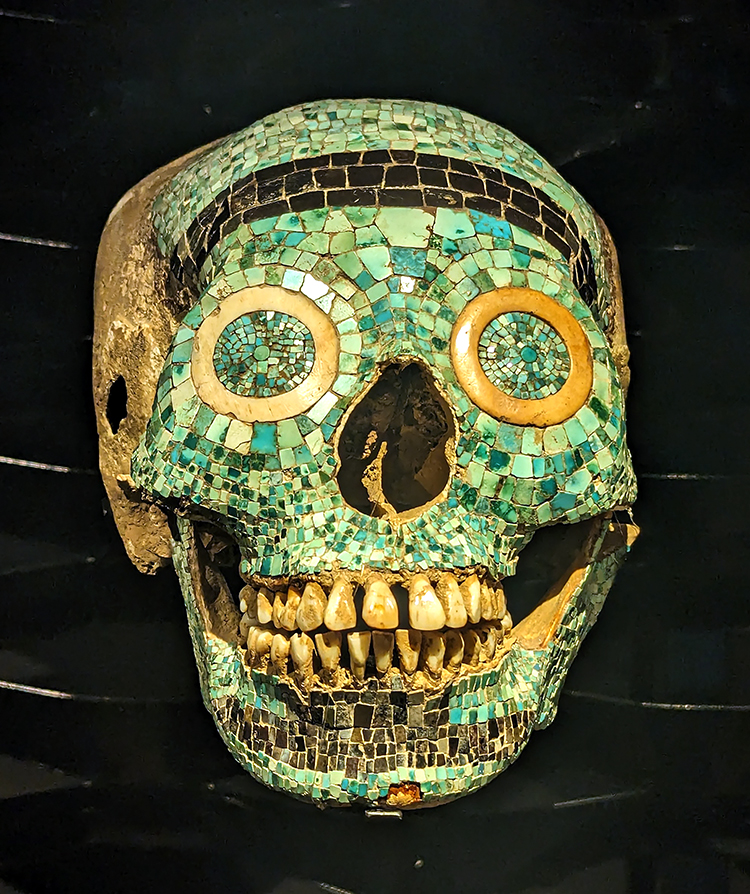

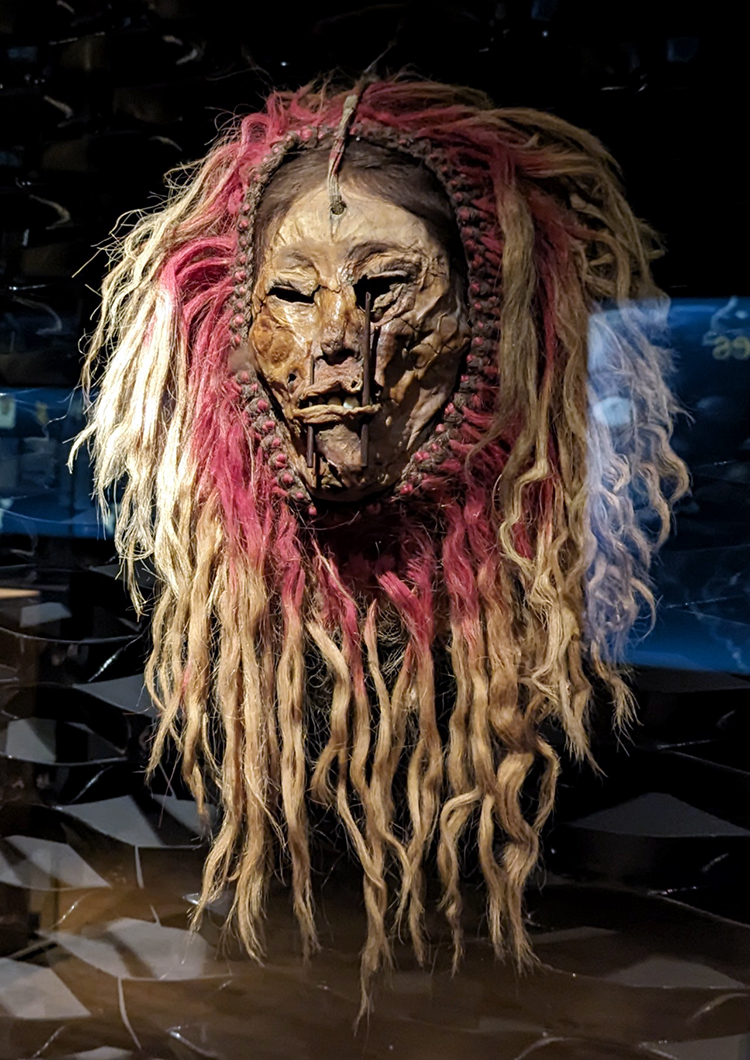


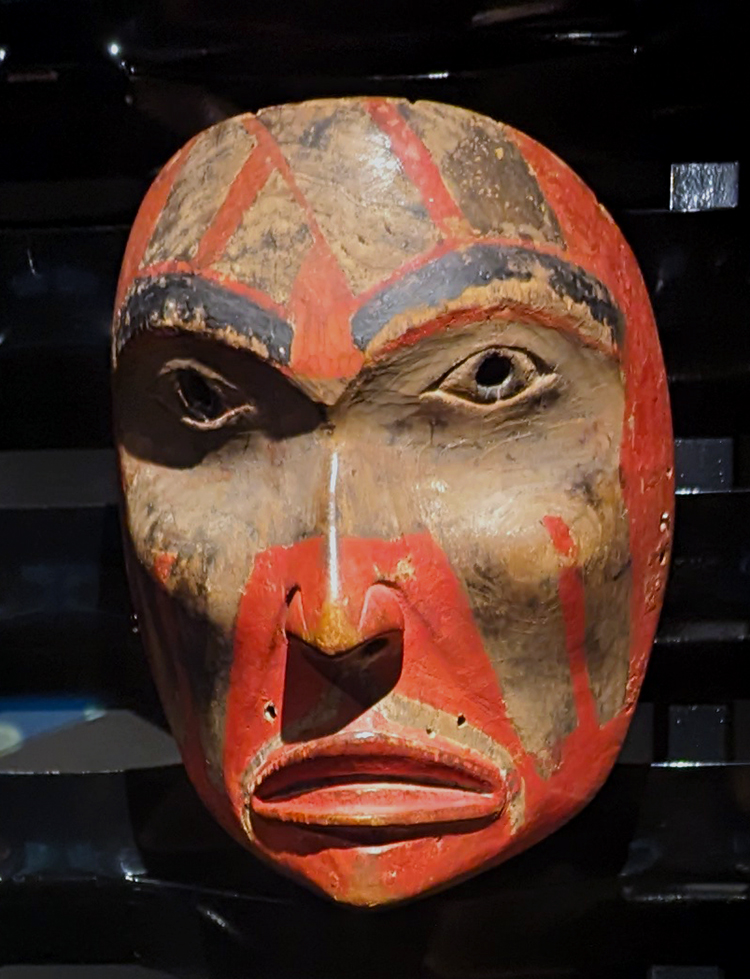


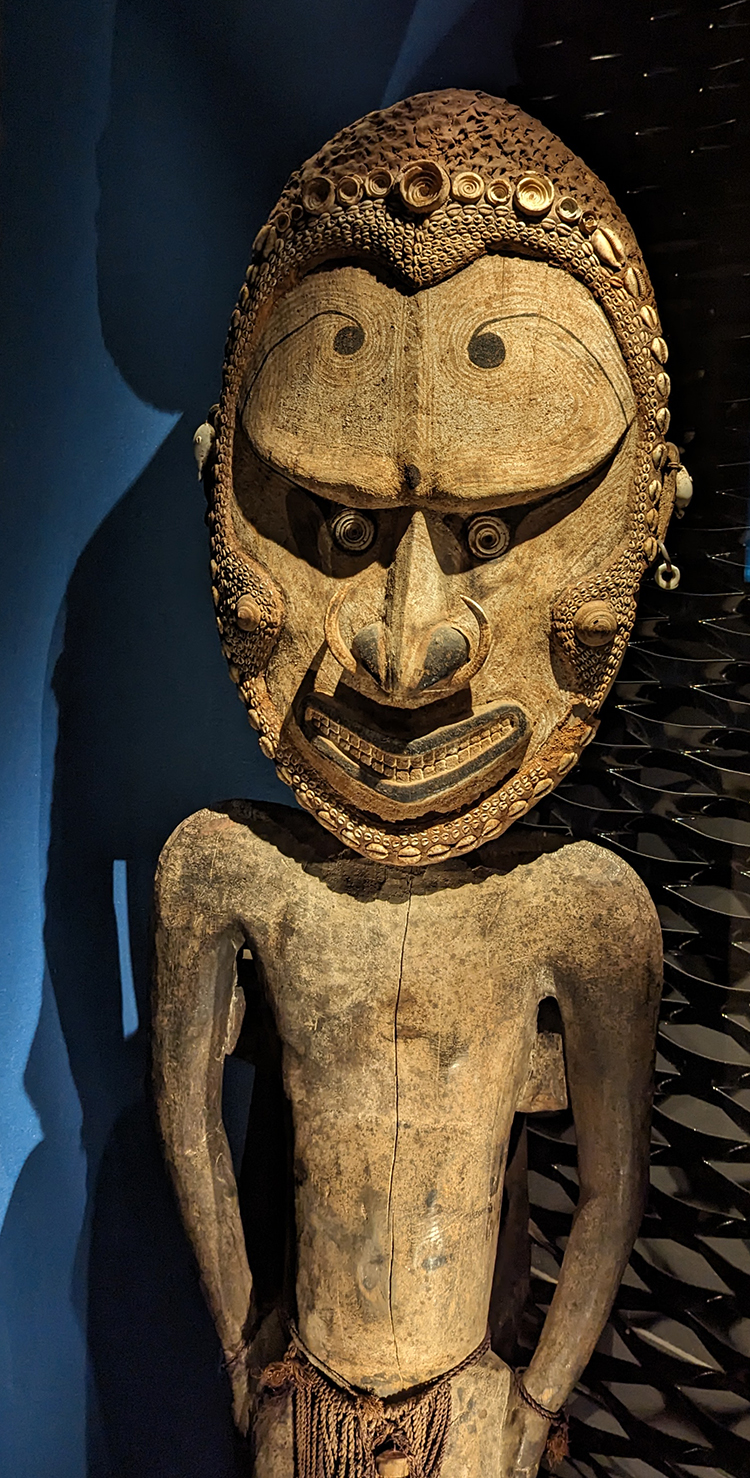
The concept of La Vieille Charite compound dates from the early 1600s as Marseille grappled with how to handle its swelling indigent and homeless populations. In some ways, the “fix” applied in 17th-century Marseille resembled ones of today – out of sight, out of mind (And, no, I have no magical solution to offer.).
Marseille elected to build a “proper” place to confine the destitute clogging the streets. The architect selected, Pierre Puget (1620-1694), was born near the chosen site, but his reputation was earned elsewhere. In Rome, Genoa and amongst the royal elite of France, Puget gained renown as a sculptor, one so skilled as to be regarded during his lifetime as “the Michelangelo of France.”

Above: La Vieille Charite
Entering the La Charite de Notre Dame compound today with its rosy peach limestone quarried in La Couronne, multi-storied galleries and an elliptical domed chapel at its heart, one senses that perhaps this was an elegant solution – a compassionate, humane one. Progressive charity resembling an upscale resort for the poor.
Yet, no. There was a flipside. Not only are there no galleries on the outer walls of the compound; there are no windows. No vistas of the outside world and no cross-ventilation. And no escape for many. Before long, the poor imprisoned there in crowded conditions approached 2,000. These brutal tactics of enforced confinement in La Vieille Charite were abandoned before the 1800s.
Now, art far away from its original home finds a new one in a former homeless shelter.
 Postcards from Barton Springs