


Above: Names of journalists and photographers killed in the line of duty memorialized at the opening exhibition of the World Press Photo 2024 Awards in the Nieuwe Kerk Amsterdam
In the two decades since 2003, at least 1,668 journalists have lost their lives while trying to shed light on issues of importance to us all, according to Reporters without Borders. In 2023, another 45 names were added to that list. The list prominently displayed in Amsterdam’s New Cathedral for the opening of the World Press Photo 2024 Awards must have hit the photographers hard – names of coworkers and friends they have made while covering stories in danger zones throughout the world.
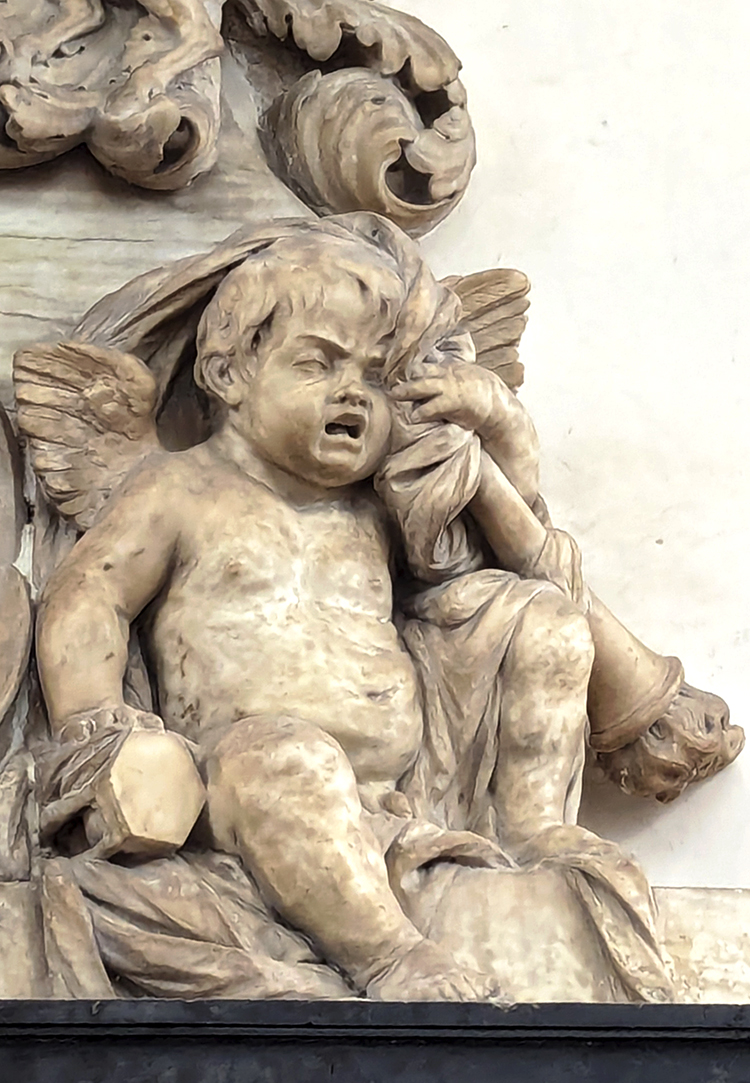
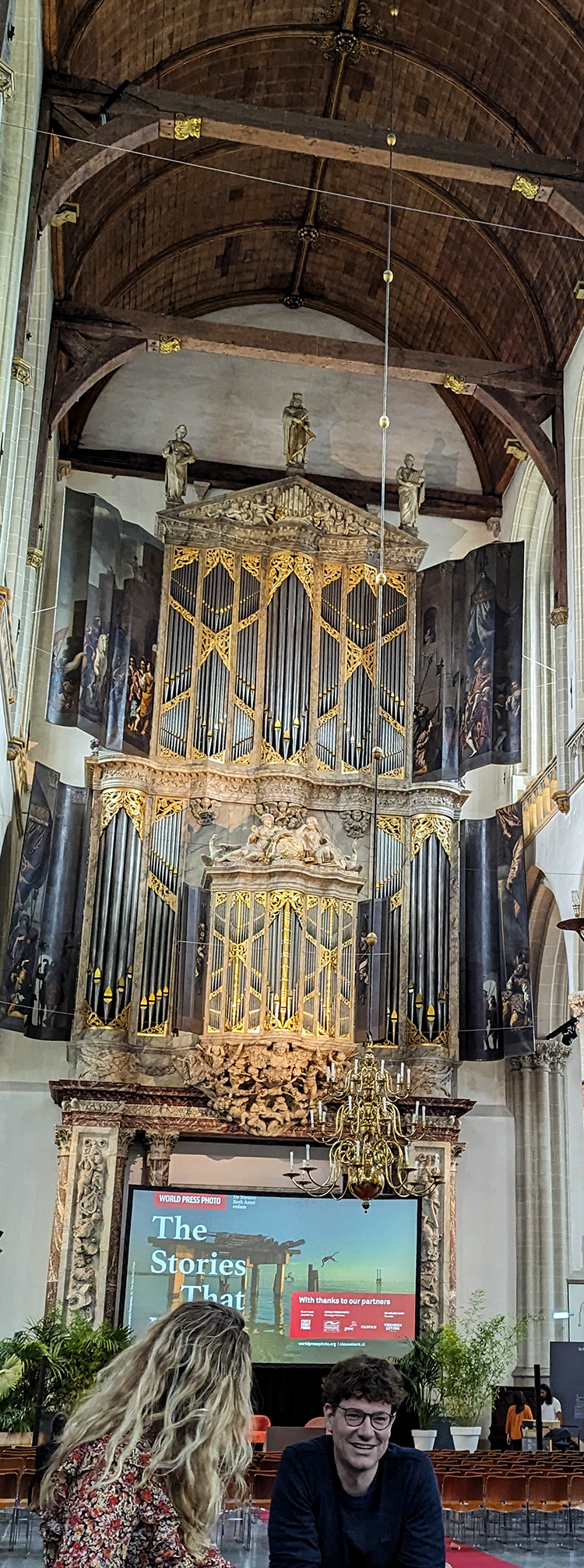
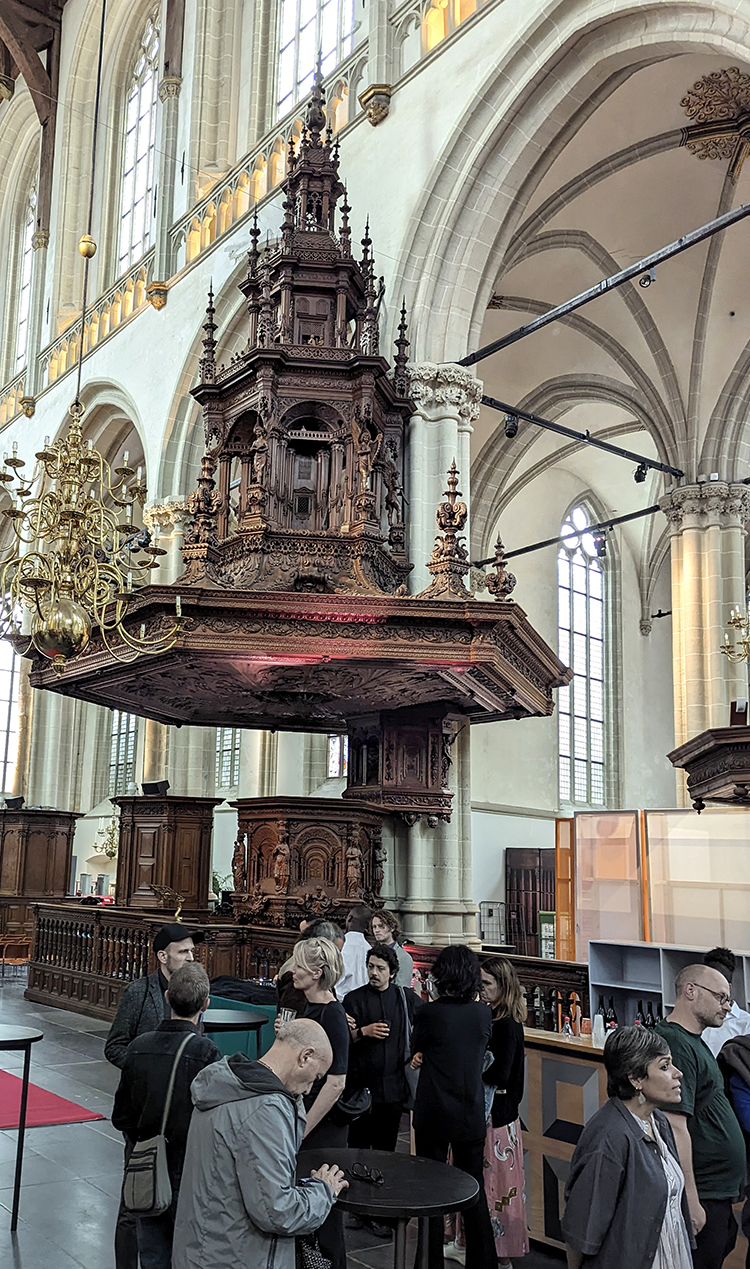
The Nieuwe Kerk is hardly “new,” having been consecrated in 1409. While the “Royal Church” is still used for royal weddings and coronations, it also serves as a venue for important exhibitions, such as this one. With its soaring vaulted ceiling, floors embedded with tombs and cherubs overlooking all, the dramatic setting emphasized the seriousness of the meaningful topics delved into by the award-winning photographers.
Please bear in mind that the photos below are mere snapshots of a portion of those photographs recognized, sometimes illustrating how they were displayed within the church and the details of the religious architecture and tombs surrounding them. Warning: Even in this small format, “Stories that Matter” can be heartbreaking.
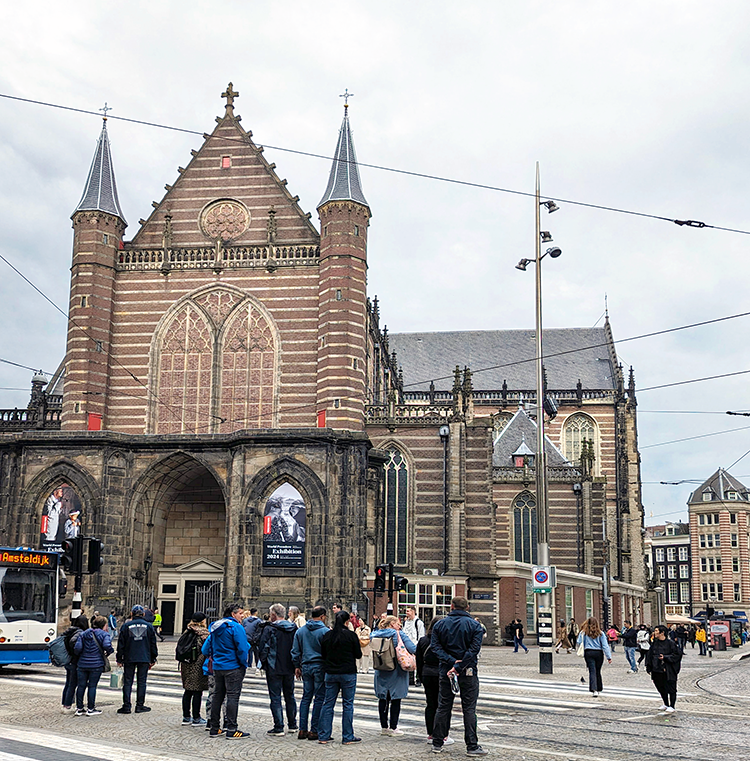


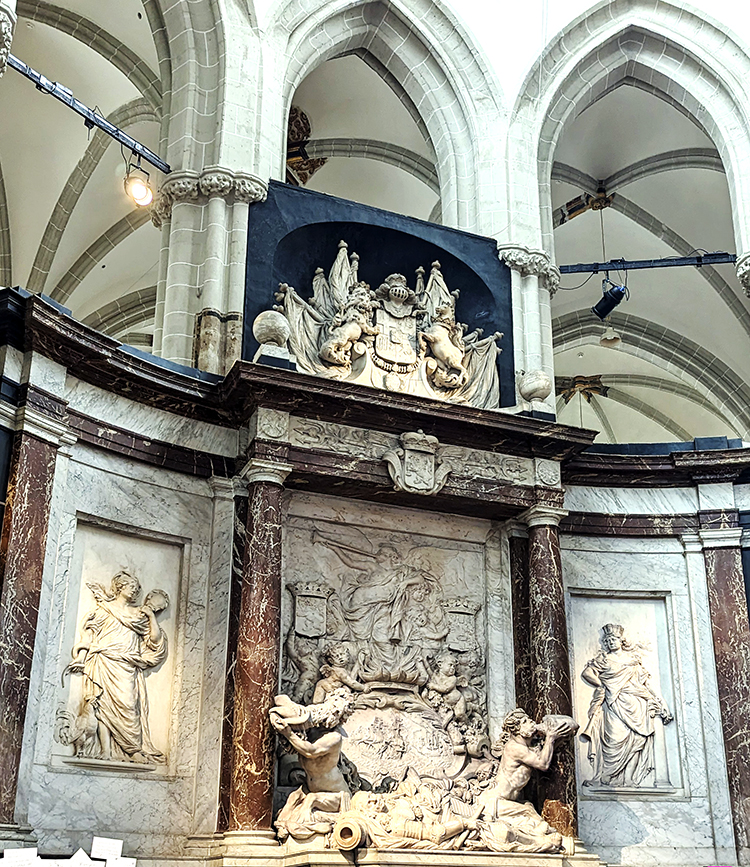
Above top left: De Nieuwe Kerk, or the New Cathedral (1409), Amsterdam.
Above bottom left: World Press Photo Contest, Europe, Long-Term Project, “No Man’s Land,” Daniel Chatard. “Energy company RWE demolishes the Immerath parish church, as the village is destroyed to make way for expansion of the Garzweiler open-pit mine.”
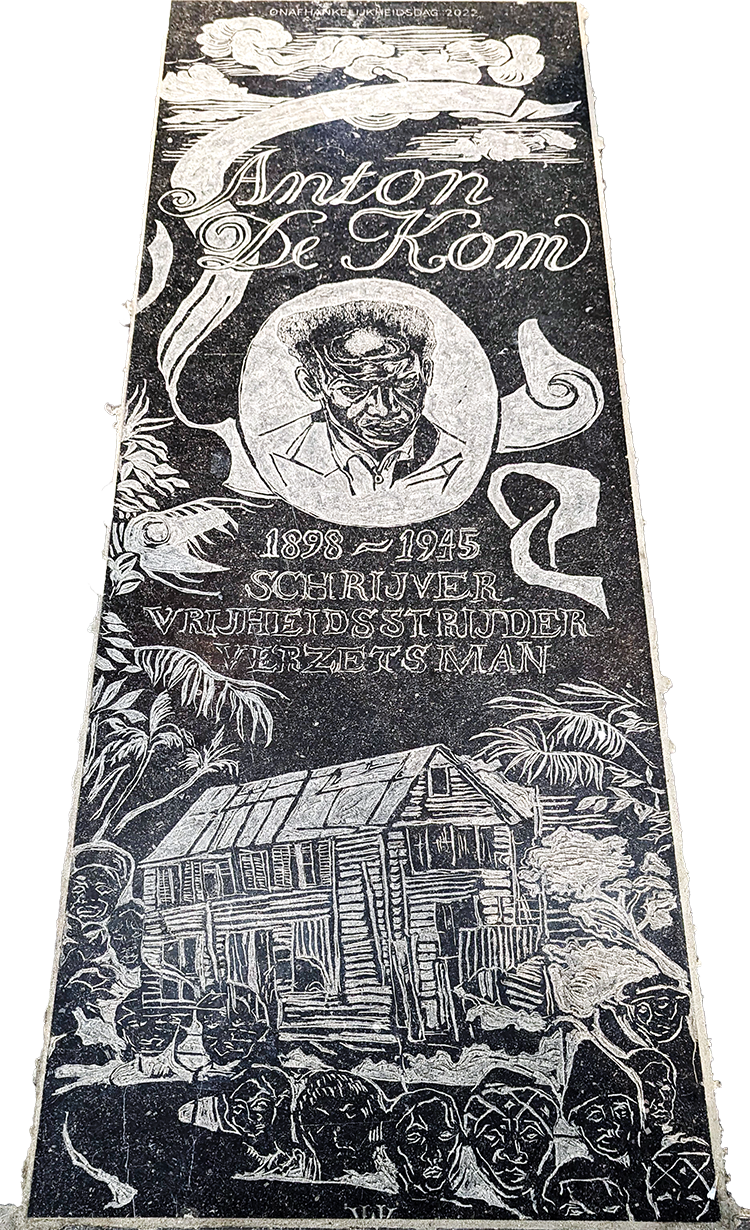
Above bottom right: Marker commemorating the 25th Jubilee of the coronation of Queen Wilhelmina of the Netherlands, crowned in the New Cathedral in 1898. Her reign continued until 1948.
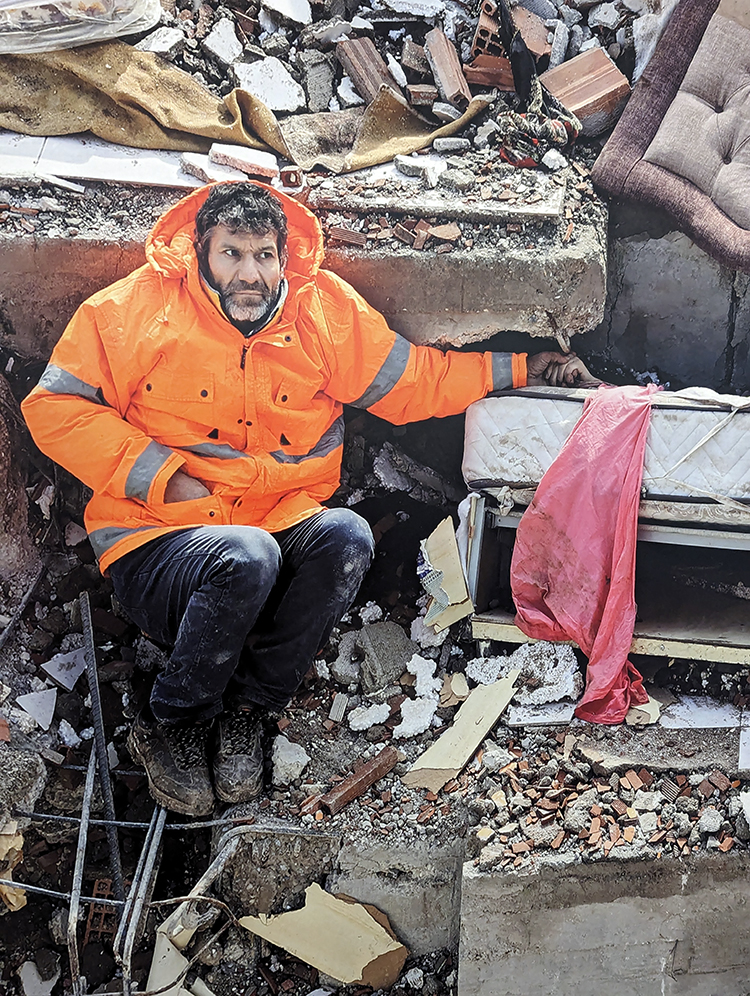
Above center: World Press Photo Contest, Europe, Singles, “A Father’s Pain,” Adem Altan, Agence France-Press. “Mesut Hancer holds the hand of his 15-year-old daughter Irmak, killed while asleep when her grandmother’s home collapsed during an earthquake in Kahramanmaras, southern Turkey.”
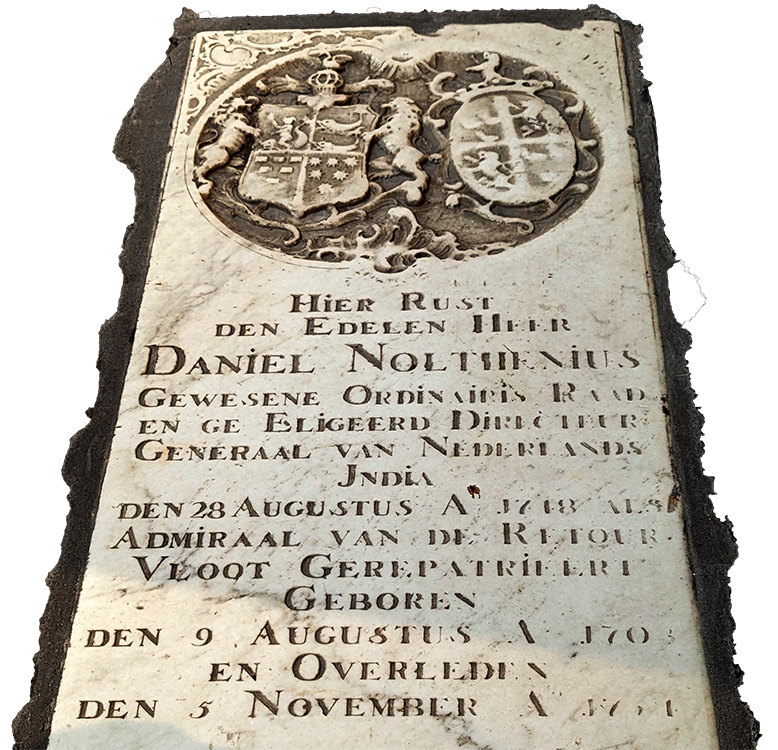
Photo flanked by images of tomb markers embedded in the floor of the New Cathedral.

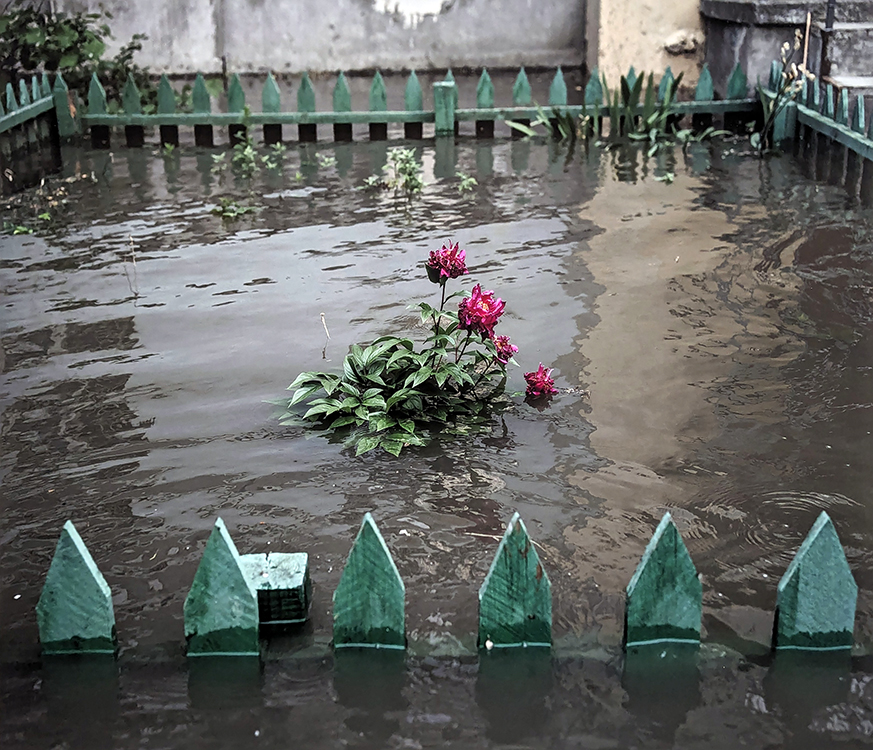
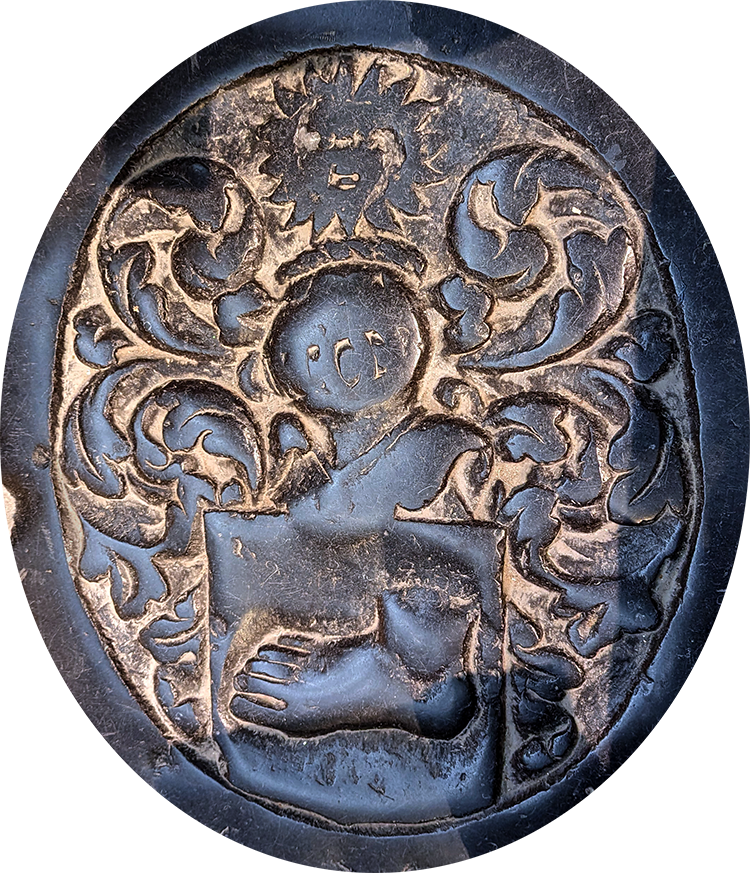
Above center: World Press Photo Contest, Europe, Stories, “Kakhovka Dam: Flood in a War Zone,” Johanna Maria Fritz, Ostkreuz, for Die Zeit. “A peony bush submerged in floodwater on Korabel, an island in the Dnipro River in Kherson, Ukraine.”
Photo flanked by images of tomb markers embedded in the floor of the New Cathedral.
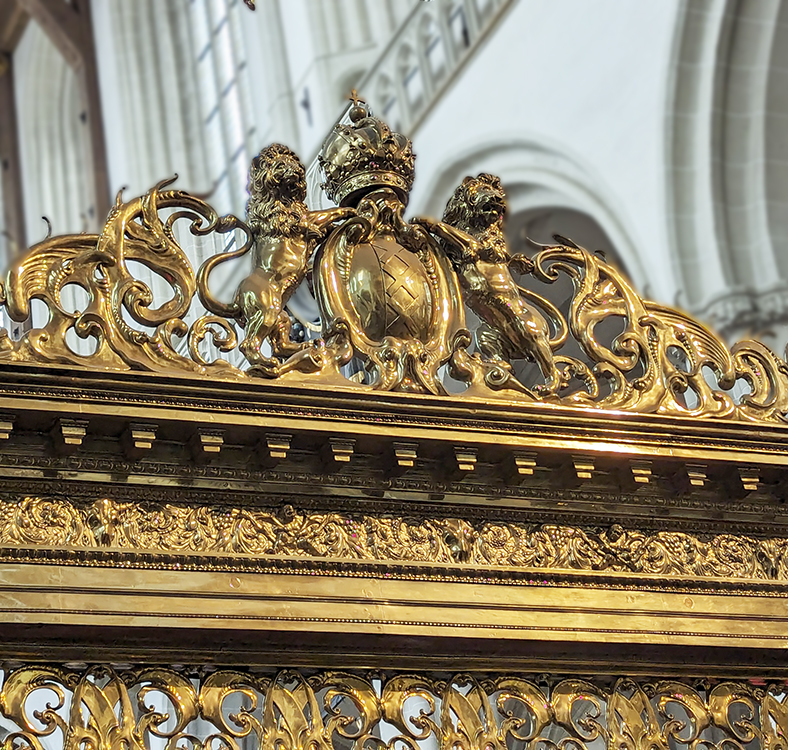
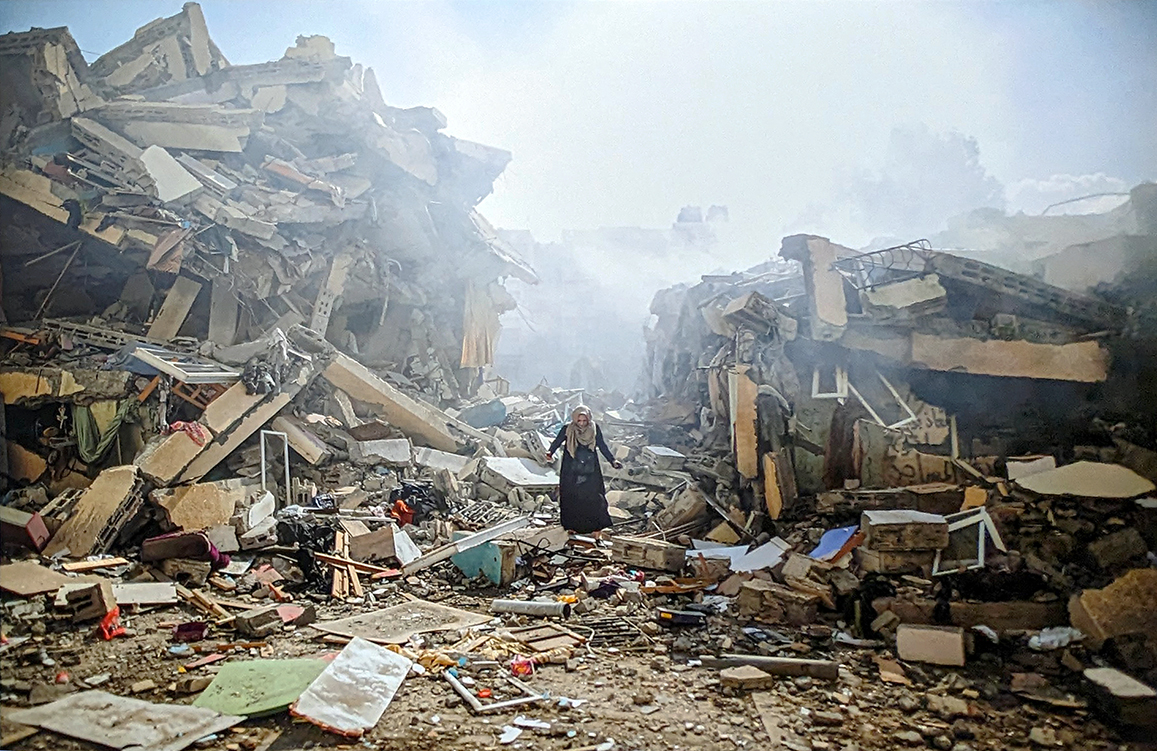
Above right: World Press Photo Contest, Asia, Jury Special Mention, “Israeli Airstrikes in Gaza,” Mustafa Hassouna, Anadolu Images. “A resident of al-Zahra walks through the rubble of homes destroyed in Israeli airstrikes.”
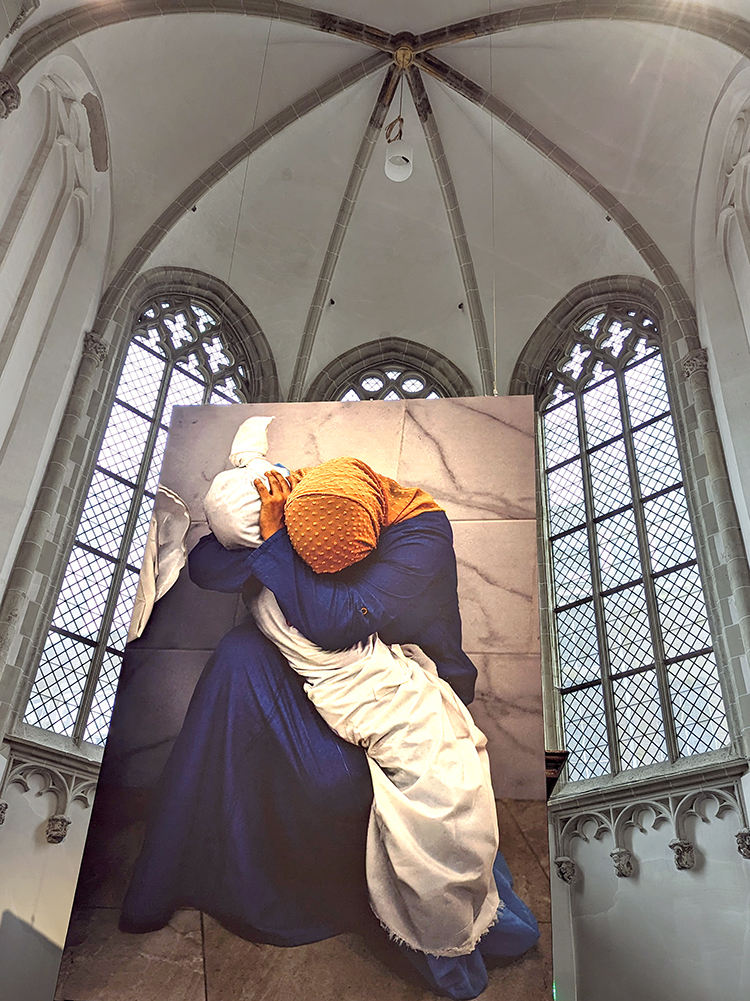

Above center: World Press Photo of the Year, “A Palestinian Woman Embraces the Body of Her Niece,” Mohammed Salem, Palestine, Reuters. “Inas Abu Maamar (36) cradles the body of her niece Saly (5) who was killed, along with her mother and sister, when an Israeli missile struck their home, in Khan Younis, Gaza.“
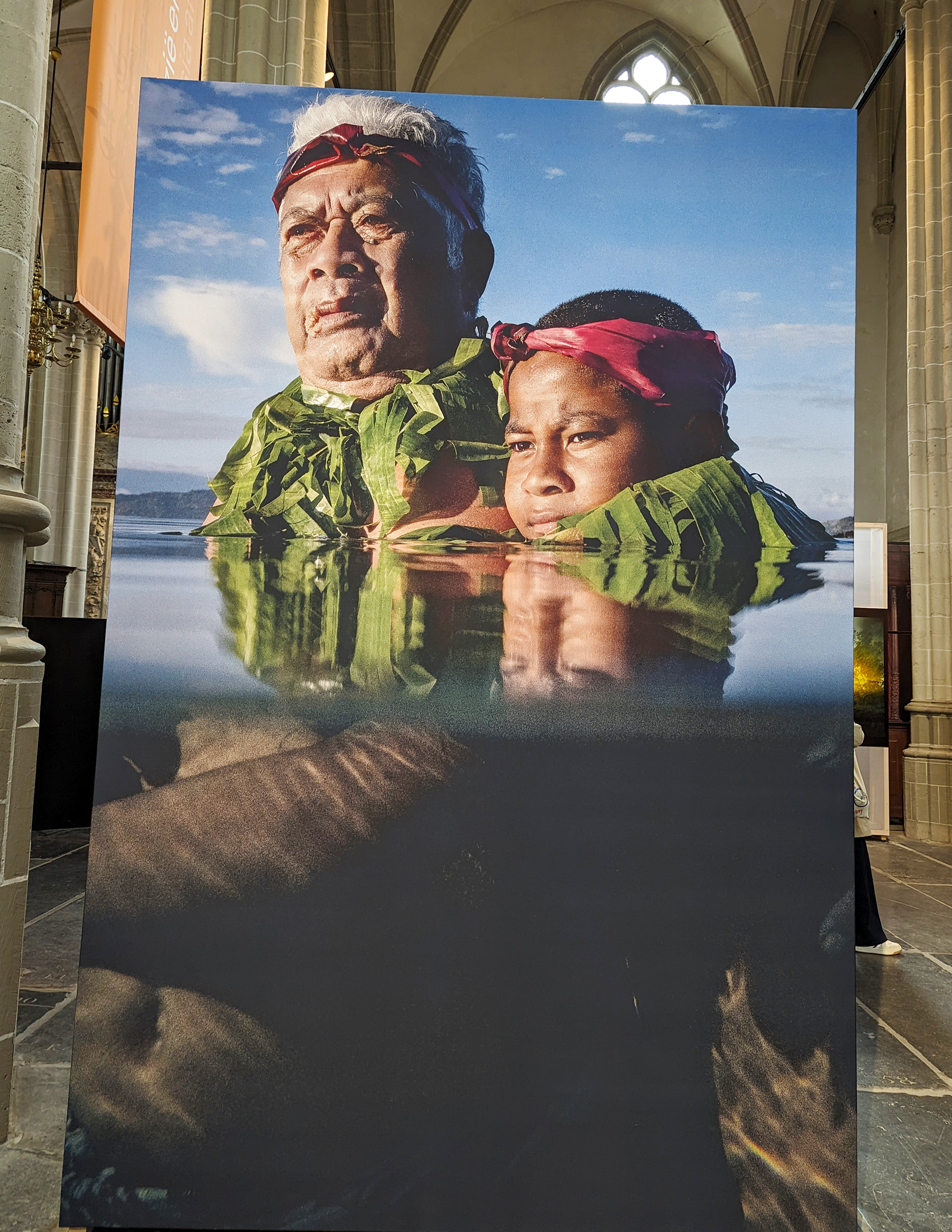
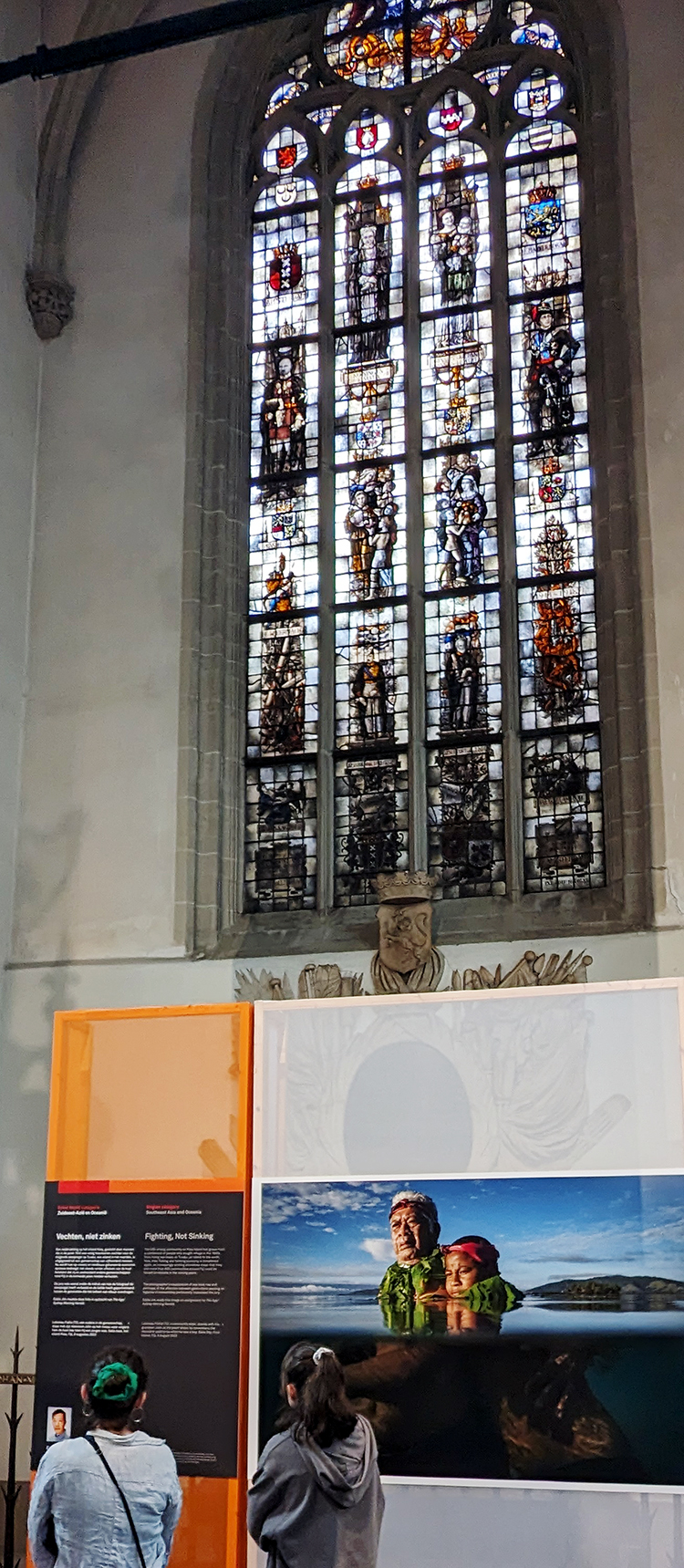
Above center: World Press Photo Contest, Southeast Asia and Oceania, Singles, “Fighting, Not Sinking,” Eddie Jim, The Age/Sydney Morning Herald. “Lotomau Fiafia (72), a community elder, stands with his grandson John at the point where he remembers the shoreline used to be when he was a boy. Salia Bay, Kioa Island, Fiji.”
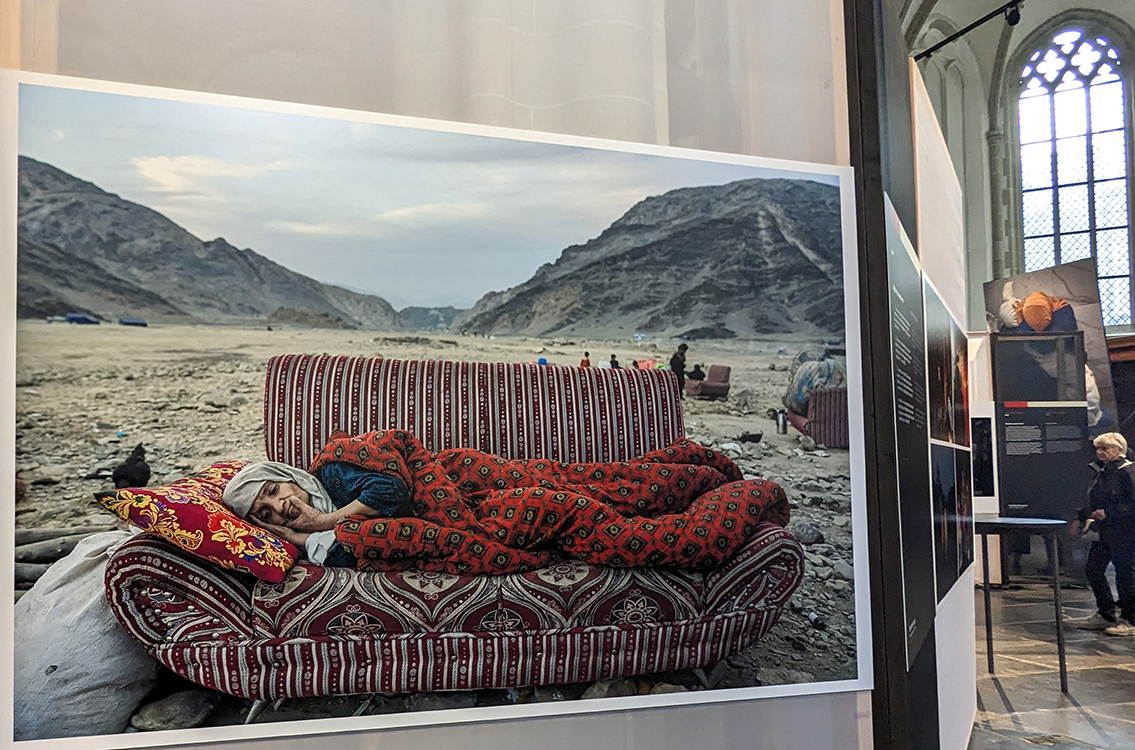
Above left: World Press Photo Contest, Asia, Stories, “Afghanistan on the Edge,” Ebrahim Naroozi, Associated Press. “An Afghan woman rests in the desert, near a camp housing people recently deported from Pakistan, in Torkham, Afghanistan.”
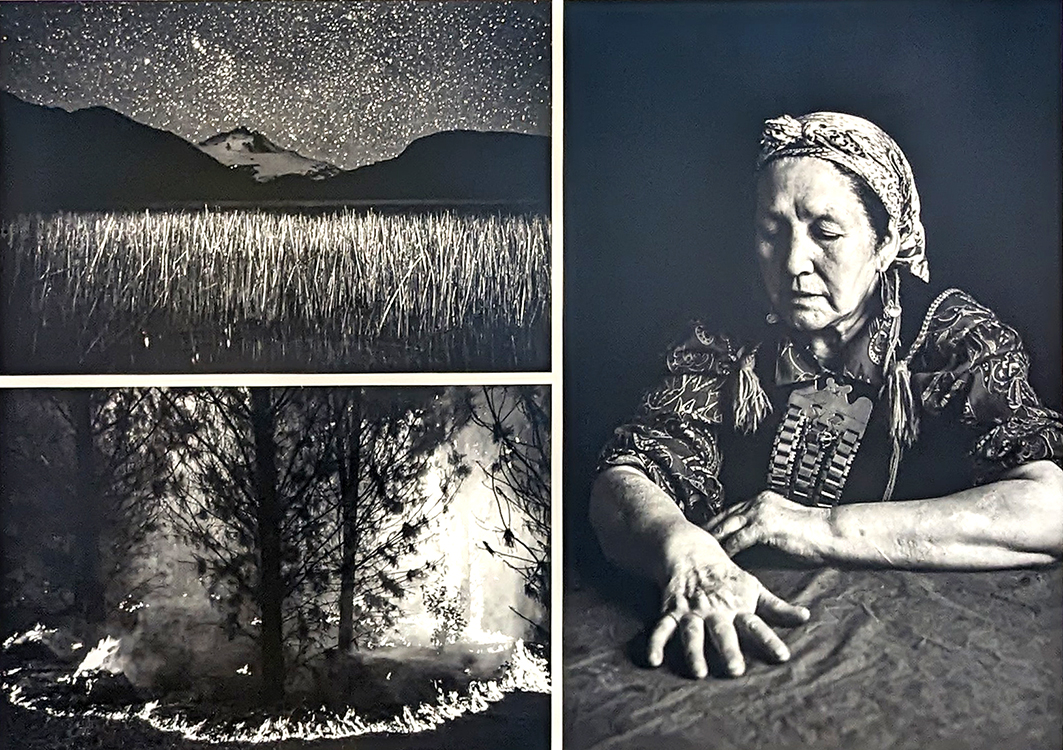
Above right: World Photo Contest, South America, Long-Term Projects, “The Return of the Ancient Voices,” Pablo Ernesto Piovano, Greenpeace Award, GEO, National Geographic Society. “Juana Calfunao Pailalef, portrayed in Cunco, Cautin, Chile, is a Mapuche leader and activist who has been imprisoned several times for defending her people’s territorial rights.”

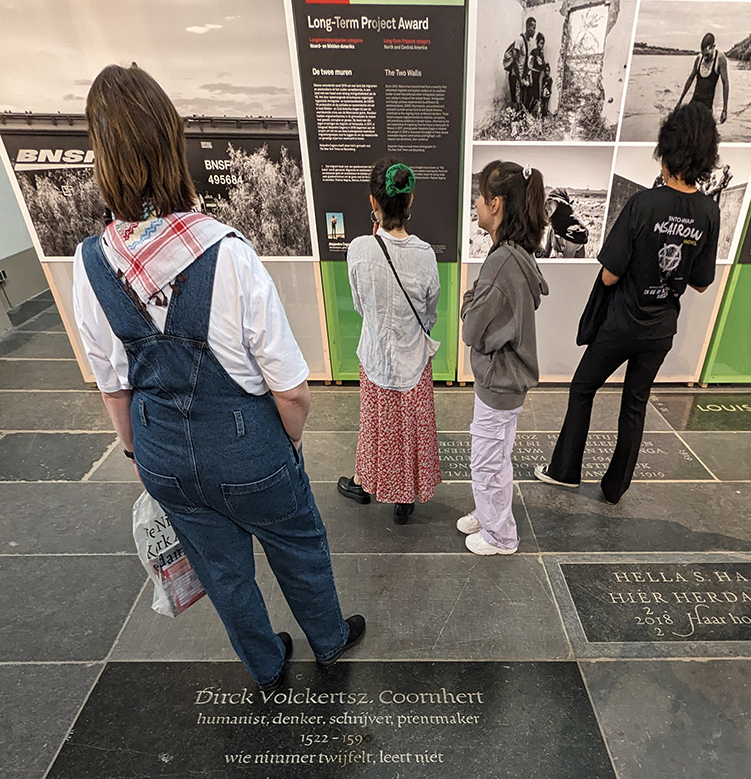
Above: World Press Photo Contest, North and Central America, Long-Term Projects, “Two Walls,” Alejandro Cegarra, The New York Times/Bloomberg. On left, detail, “Mexican immigration officers inspect the train known as ‘The Beast’ for immigrants and asylum seekers in an attempt to reduce the flow of migrants towards the border of the United States in Samalayuca, Mexico.” On right, “Migrants use a homemade ladder to climb a section of the border wall with the help of a smuggler, in Ciudad Juarez, Mexico.”
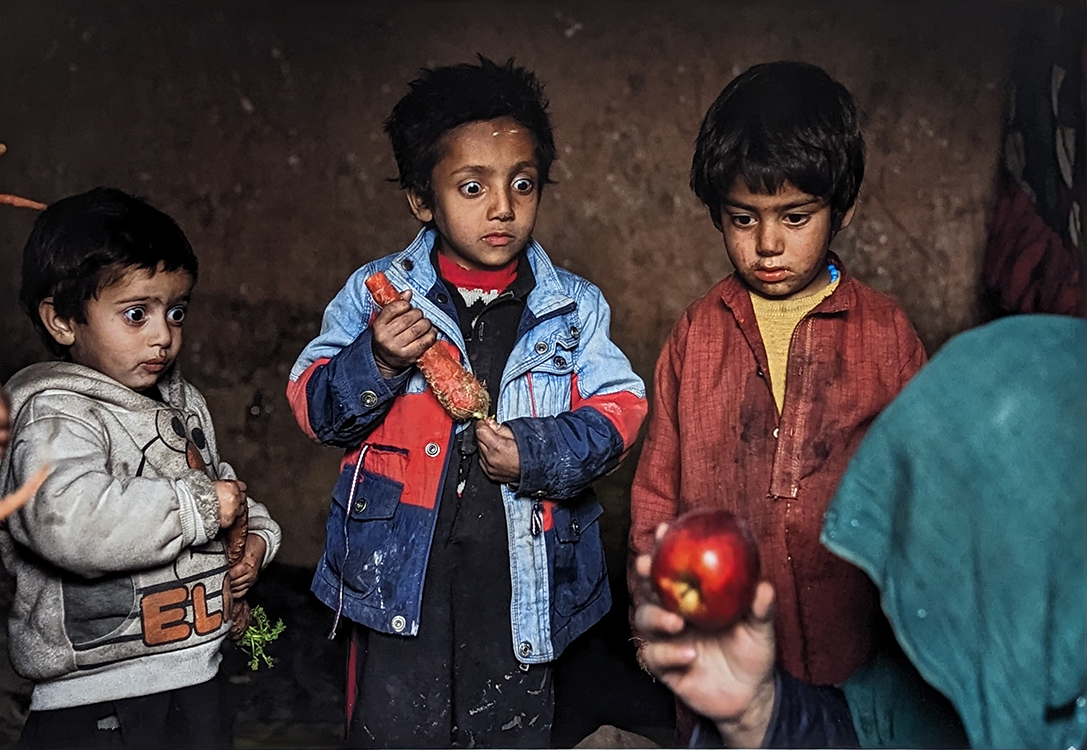

Above left: World Press Photo Contest, Asia, Stories, “Afghanistan on the Edge,” Ebrahim Naroozi, Associated Press. “Children stare at an apple that their mother brought home after begging, in a camp for internally displace people in Bagrami, on the outskirts of Kabul, Afghanistan.”
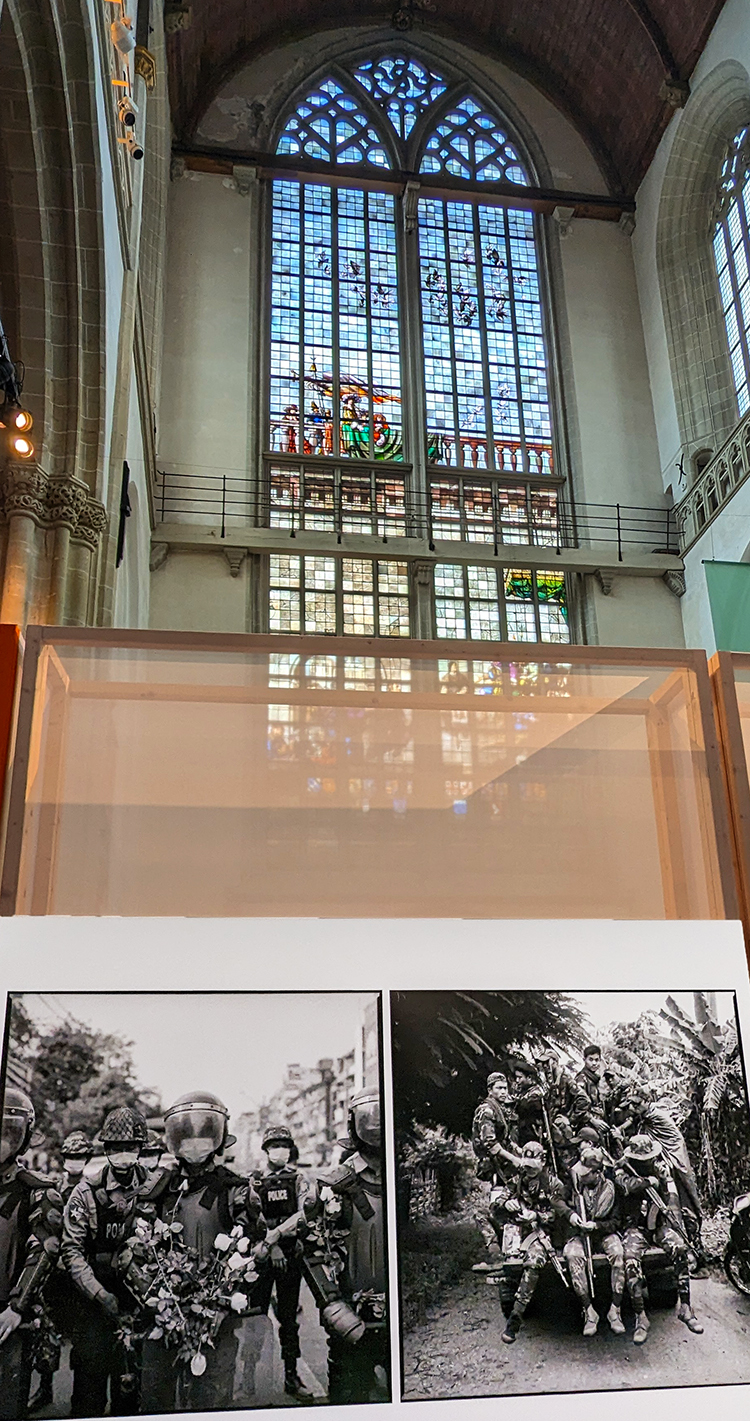
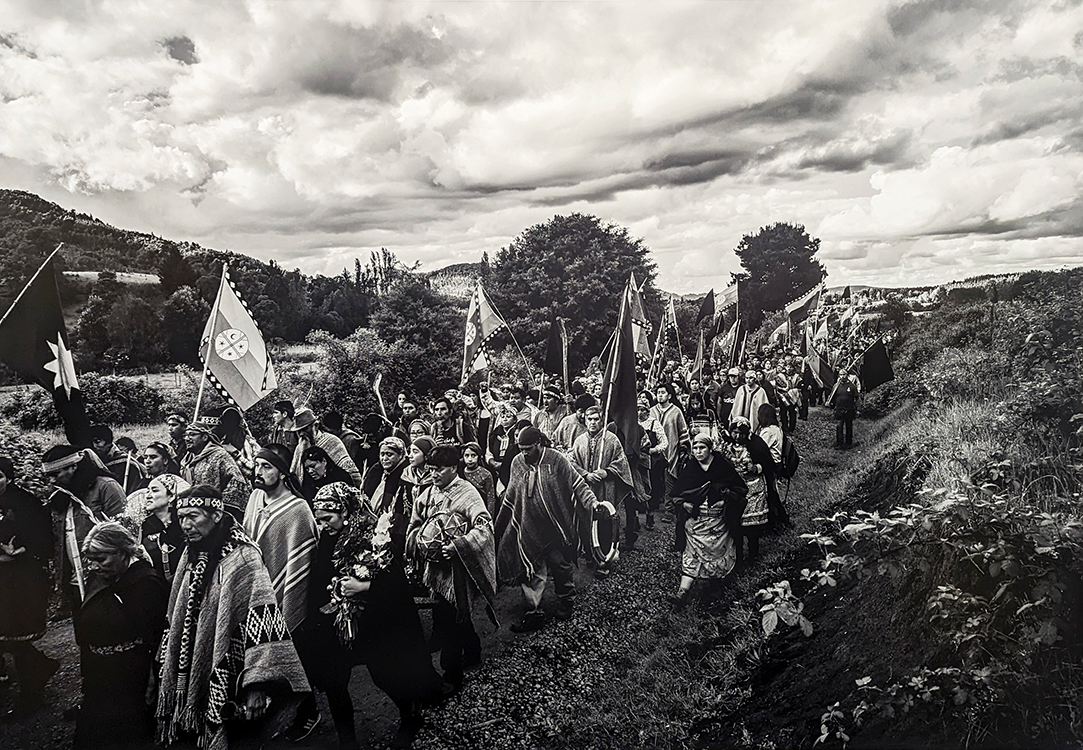
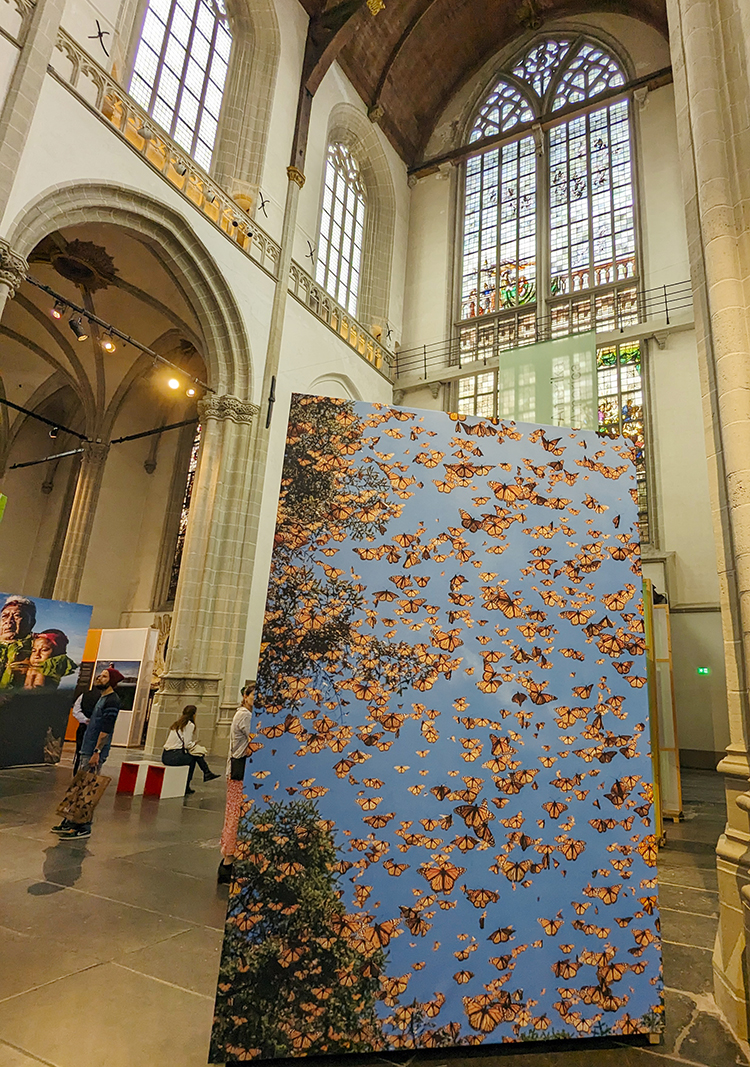
Above center: World Press Photo Contest, South America, Long-Term Projects, “The Return of the Ancient Voices,” Pablo Ernesto Piovano, Greenpeace Award, GEO, National Geographic Society. “Mapuche of all regions arrive at the funeral of Camilo Catrillanca, in Ercilla, Araucania, Chile….. Carrillanca was shot from behind by members of a Comando Jungla police unit.”
Above right: World Photo Contest, North and Central America, Stories, “Saving the Monarchs,” Jaime Rojo, for National Geographic. “Butterflies stream through protected indigenous fir forests in the Monarch Butterfly Biosphere Reserve. The mountain hillsides of oyamel forest provide an ideal overwintering microclimate in Michoacan, Mexico.”
My father always said that nature had no political frontiers….”
Photographer Rena Effendi
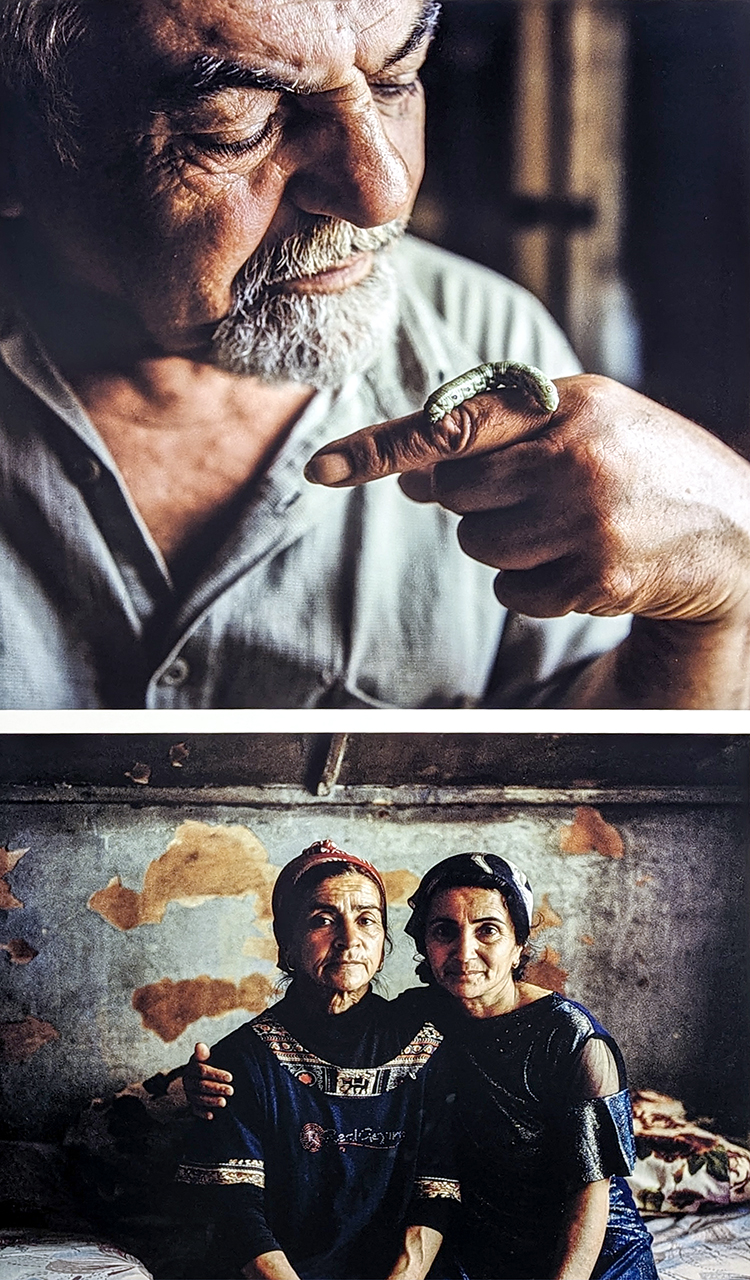
Above right: World Press Photo Contest, Europe, Honorable Mention, “Looking for Satyrus,” Rena Effendi, VII Photo, National Geographic Society. Top: “Parkev Kazarian, butterfly hunter and taxidermist, with a caterpillar, in Gyumri, Armenia.” Bottom: “Fatima and her sister pose for a portrait. Her family settled in a remote outpost of Paragacay in the Ordubad region of Nakhchivan, which is now an Azerbaijani enclave…. Fatima’s family welcomed the photographer into their home for three consecutive years as she searched the region for Satyrus effendi, the rare native butterfly named after Soviet entomologist Rustam Effendi.”
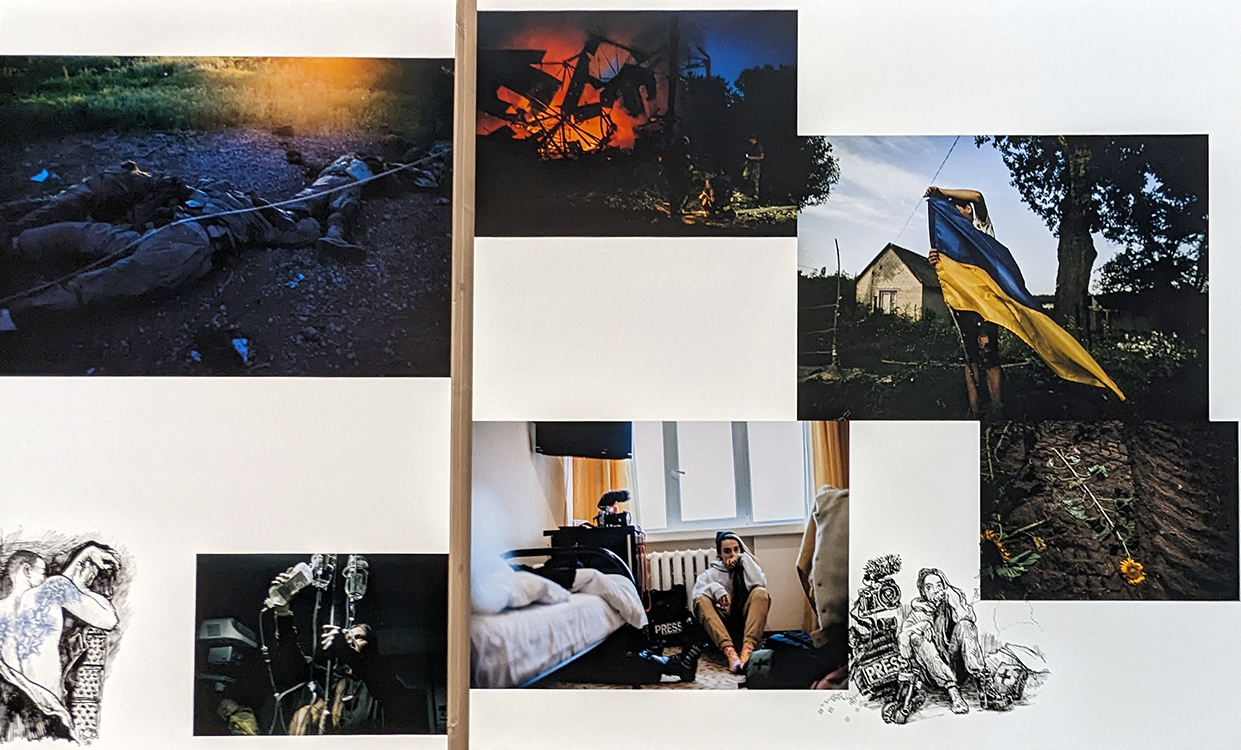
Above left: World Press Photo Open Format Award, detail of “War is Personal,” Julia Kochetova, Ukraine.
War is Personal
excerpt, Julia Kochetova, Ukraine
one day everyone will leave.
the story will stop being that interesting for foreigners.
this war will be too long and too bloody -
it's impossible to edit and publish.
too much focus, there will be a bigger and louder explosion somewhere
and everyone will book a war tour to a new destination.
you will stop writing,
putting emojis in comments,
and praying.
that's ok, I know it will happen one day.
one day alarm sirens will shut up.
one day we will have so many houses that no one returns to,
because the owners of these keys have been killed in their yards.
one day we will find the last unburied body....
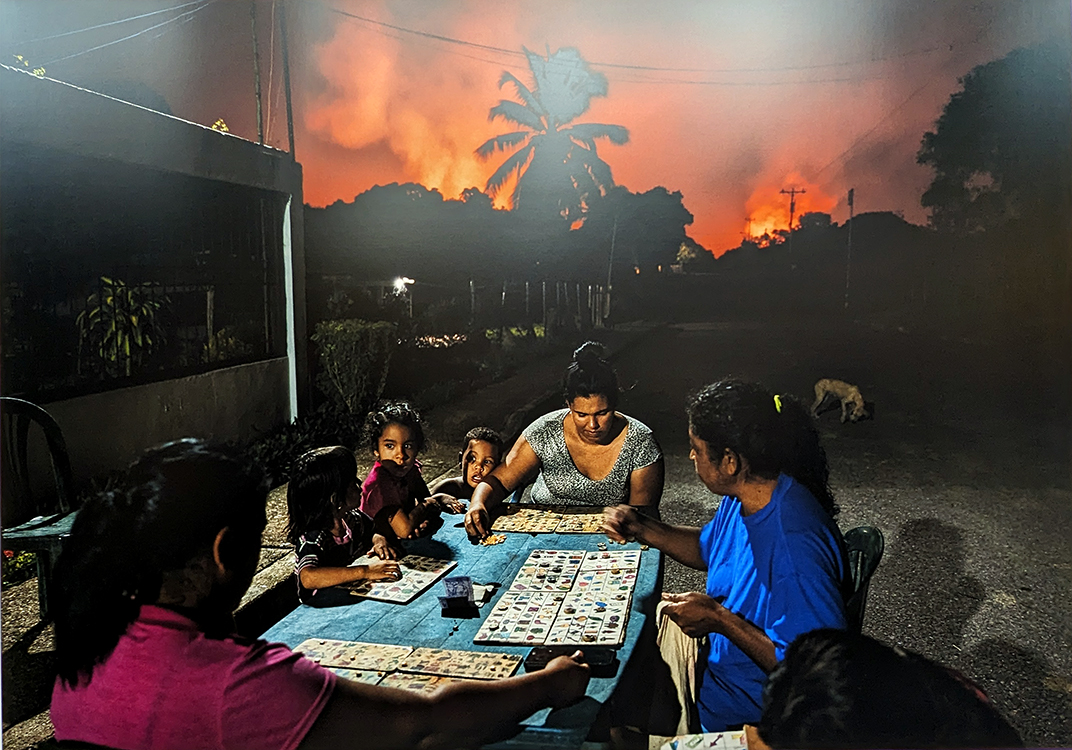
Above left: World Press Photo Contest, South America, Stories, “Red Skies, Green Waters,” Adriana Loureiro Fernandez, for The New York Times, in collaboration with Isayen Herrera and Sheyla Urdaneta. “Neighbors play Animal Lotto under a sky lit by one of the world’s largest gas flares (the flaming chimneys used to burn off excess natural gas at oil wells), in Punta de Mata, Venezuela.”
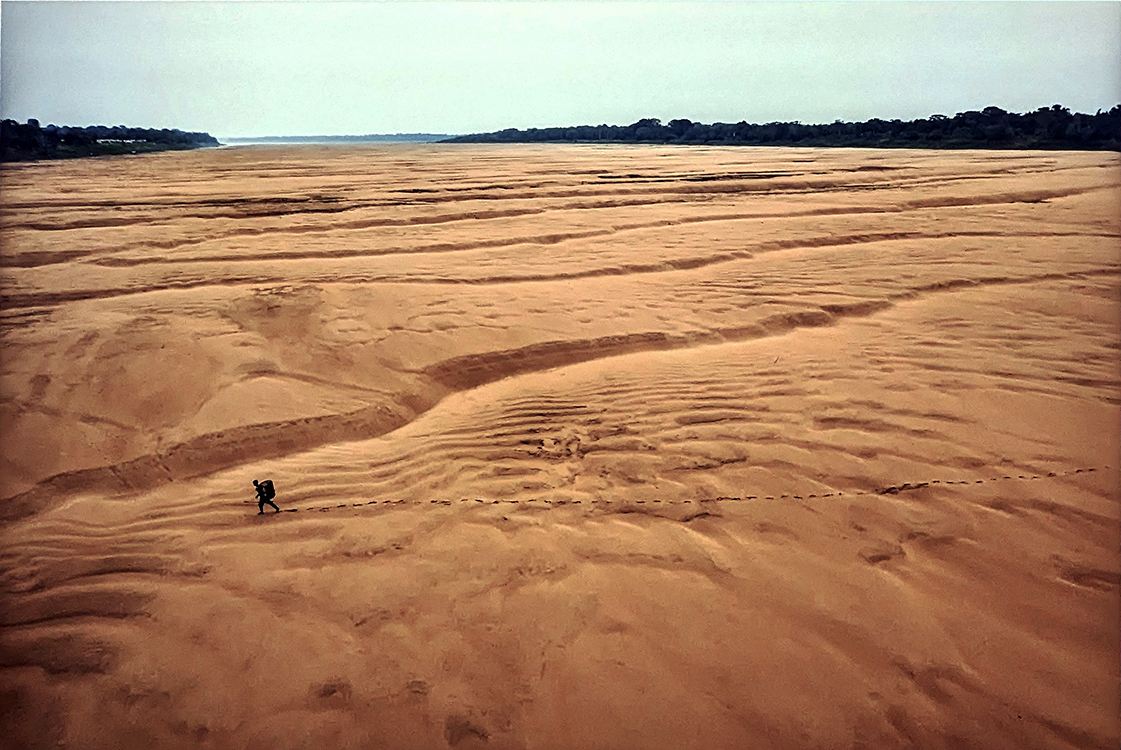
Above top right: World Photo Contest, South America, Singles, “Drought in the Amazon,” Lalo de Almeida, for Folha de Sao Paulo. “A fisherman walks across the dry bed of a branch of the Amazon River, near the Poorto Praia Indigenous community, Tefe, Amazonas, Brazil.”
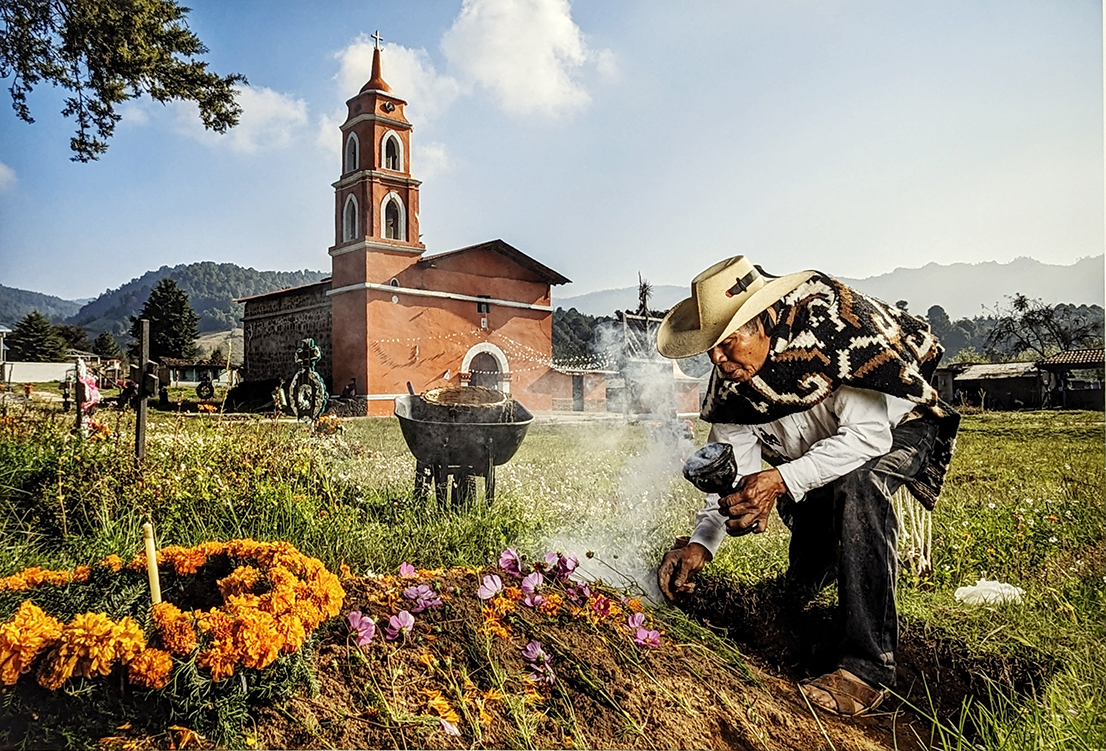
Above bottom right: World Photo Contest, North and Central America, Stories, “Saving the Monarchs,” Jaime Rojo, for National Geographic. “Sabino Marin Reyes decorates the graves of relatives to celebrate Dia de los Muertos (the Day of the Dead), in Communidad Indigena Francisco Serrato, Michoacan, Mexico. Members of the Mazahua Indigenous community believe that the souls of the departed return in the form of monarch butterflies to enjoy the offerings left on graves and altars.”
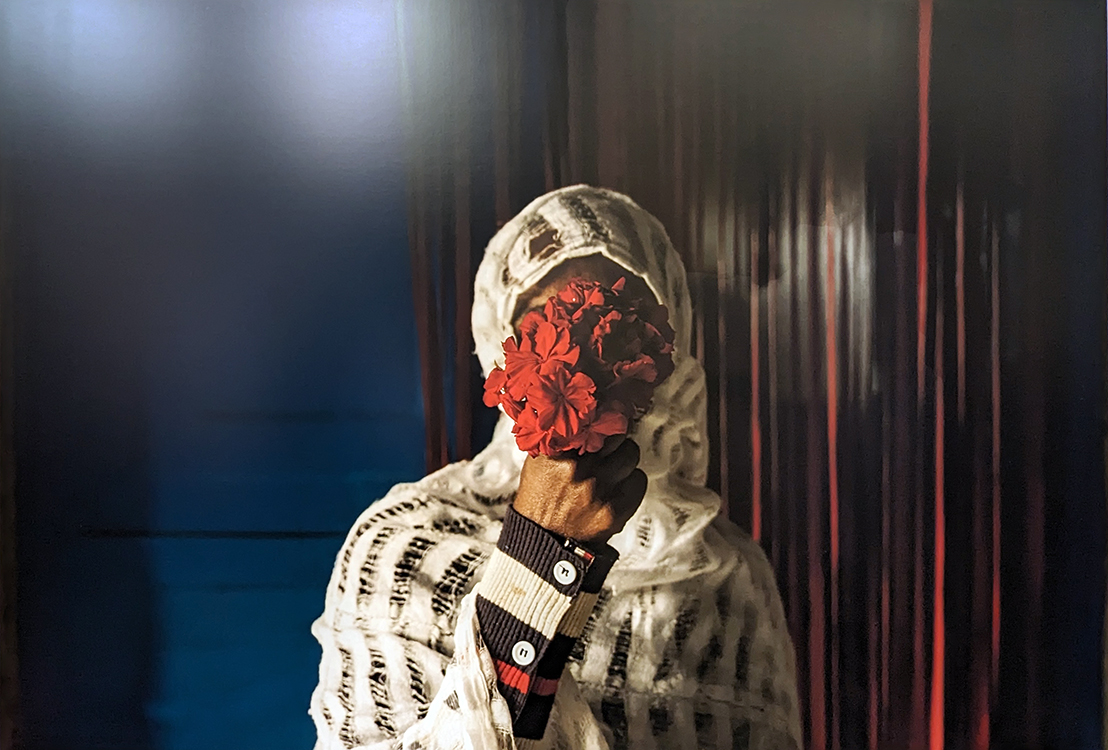
Above right: World Press Photo Contest, Africa, “Survivors,” Arlette Bashizi, for The Washington Post. “Shila (32), a mother of three, ran a hairdressing salon before Eritrean soldiers invaded her town and repeatedly raped her for three months. As a consequence, Shila became pregnant and gave birth to a boy, but her other children do not know that her mother was assaulted. Shila is uncertain if she will ever be strong enough to tell them the truth. Mekele, Tigray region, Ethiopia.“
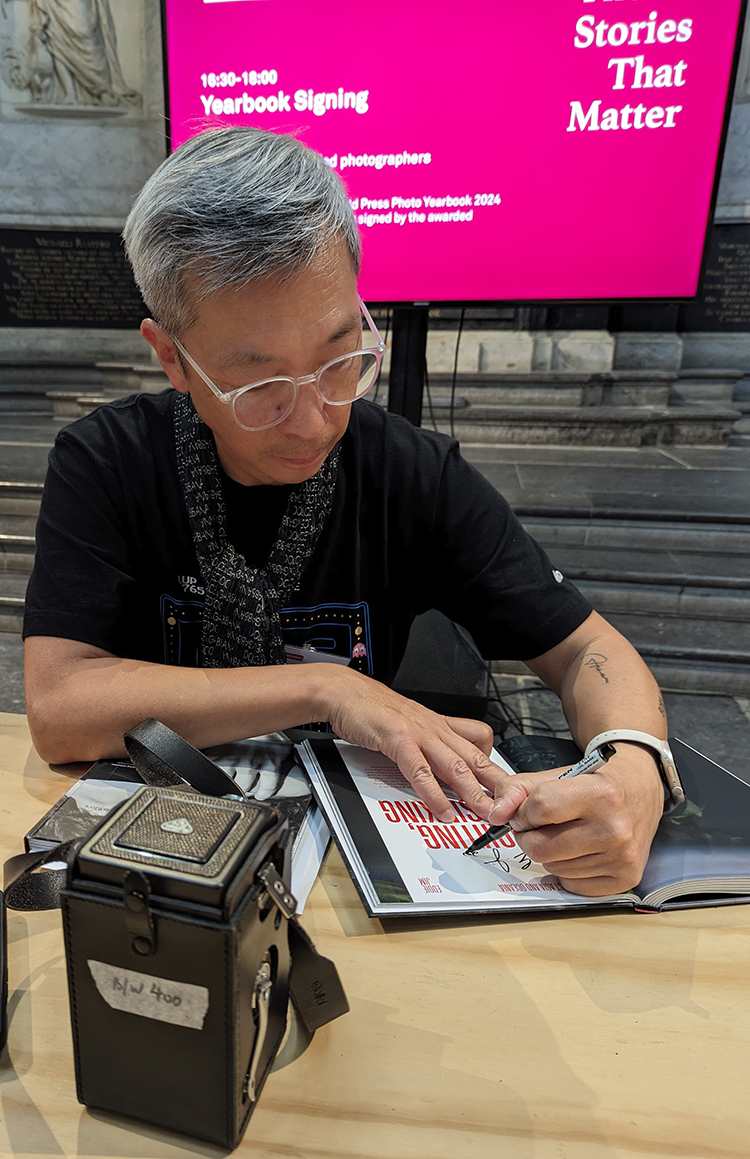
Above left: Eddie Jim signs beside his photograph in the World Press 2024 Yearbook.
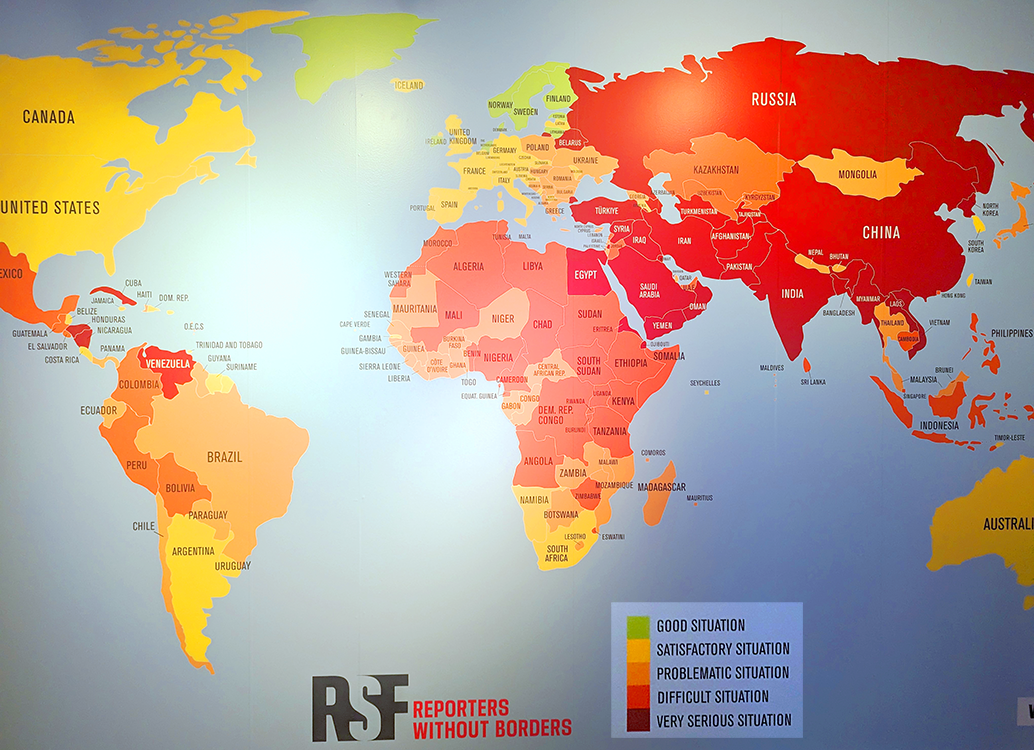
Above top right: Reporters without Borders’ map of dangerous hotspots for the press throughout the world.
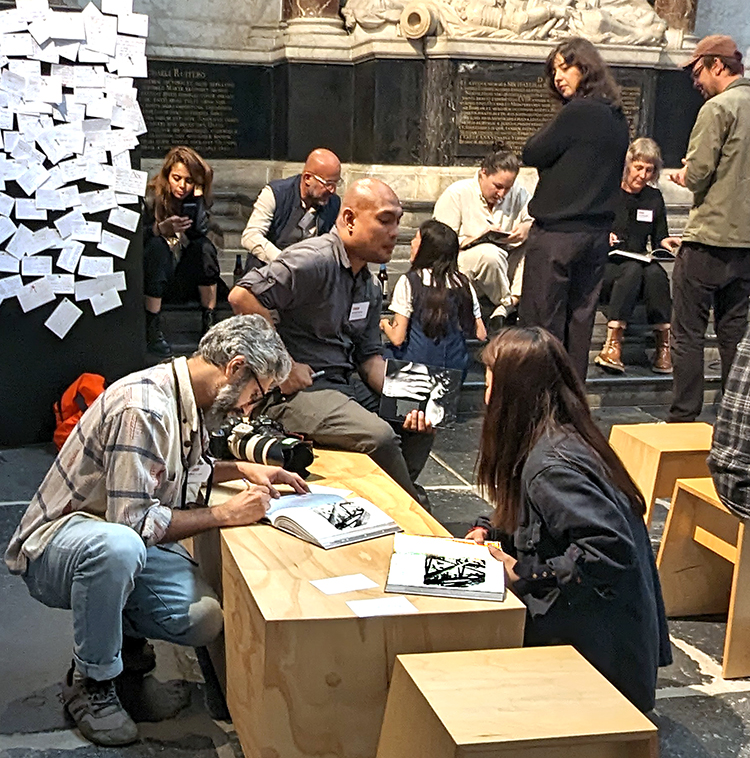
Above bottom right: Photographers signing Yearbook.
Hope they all stay safe, because these photographers’ life-risking efforts do make a difference. Their images call attention to injustices, environmental crises and the human toll of war in ways words fail.
You might be able to catch an exhibition of them as they circulate. Unfortunately, no venues in the United States show up on the calendar. Click here to view online exhibits from this and prior years dating all the way back to 1955.
These stories matter.
January 16, 2025, Update: A Must-Read for All Photojournalists
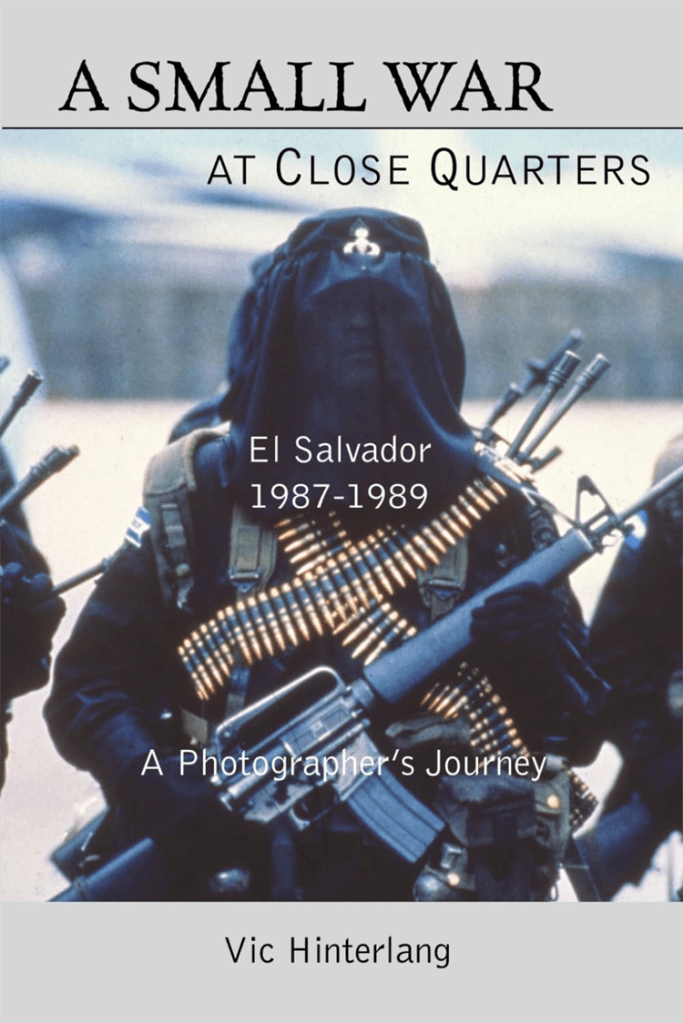
In the spring of 1986, our friends Sharla Strube and Vic Hinterlang tied the knot on the outskirts of Austin. They took what most people would call a wonderful honeymoon to Paris. But that almost seemed like false advertising for their impending “vacation.”
To us, Vic appeared a laidback attorney in the State Comptroller’s Office, yet his camera lens tugged him elsewhere. His heart was intent on taking impactful images that would seize our attention, awaken us to the horrors of war and inspire compassion for those in dire distress.
Granted, Sharla knew what lay ahead. They had scouted places to live in Central America on a trip the prior year – places with opportunities to pursue his passion.
Hey, why not El Salvador? There’s an ongoing civil war with major human rights violations. The 1982 execution of four Dutch television journalists, not by guerillas but by members of the Salvadoran army itself, somehow served not as a warning of the potential danger but as an invitation of the need to go.
So in 1987, they up and moved to San Salvador for two years. Now Vic has documented that stay, along with his subsequent return in 1989 when things boiled over, in the book, A Small War at Close Quarters.
It’s easy to take news coverage for granted, not realizing the personal and financial sacrifice of journalists and photographers who bring stories to the surface. A Small War at Close Quarters describes not only the reward of learning a photo you took made the cover of New York Times Magazine, but the trials and tribulations involved attaining that success.
His story involved solo work and frequent collaboration with other journalists, emboldened to take more risks to their lives by a false feeling of safety in numbers. There’s the necessity to learn to face the blood and gore of war. There were days of frustration with constant bureaucratic hurdles, government-staged events or fruitless treks through the jungle. Personal sacrifices are great, and monetary rewards often meager at best.
“And then there was just the day in, day stress of living in Salvador. Sometimes it was farther below the surface than others, but the tension was always there…. the stress was cumulative.”
There were also days spent at funerals of compadres slain in the line of duty. Thirty-one journalists were killed during the decade-long civil war in El Salvador. Thankful that Vic is around to tell what covering it was like.
This is a compelling read and should certainly be required reading in any photojournalism class.
 Postcards from Barton Springs