
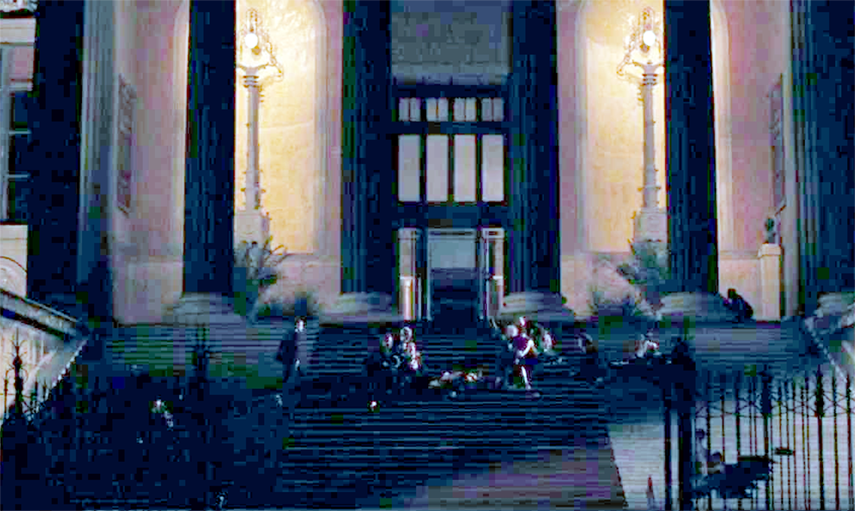
Above: Scene from The Godfather III shot on the steps of Teatro Massimo
Even if you have never seen The Godfather III, a spoiler alert scarcely seems necessary when revealing lots of bodies fall during the last few scenes of the film. You’d expect no less in any of Francis Ford Coppola’s trilogy of films revolving around the Corleone family.
But who knew a silent scream could be rendered so powerfully as Michael Corleone’s? The unheard-scream scene was rendered on the steps of Palermo’s Teatro Massimo Vittorio Emanuele, the largest opera house in Italy.
Following the 1871 unification of Italy, city leaders were bullish on launching Palermo into a golden age. Generous contributions from the Florio family backed many of the city’s ambitious enhancements. The family patriarch’s realization that tuna could be preserved in oil in cans, along with its fleet of 99 ships to transport those cans, provided the foundation for the Florios’ fortune.
The Florios’ support enabled Palermo to hold an international competition for the design of an opera house. Palermo-born architect Giovan Battista Filippo Basile (1825-1891) emerged triumphant. The enormous Corinthian columns below indicate how his intense studies of ancient ruins and temples influenced his architectural style, but the interior decorative finish-out supervised by his son, Ernesto Basile (1857-1932), is Art Nouveau.


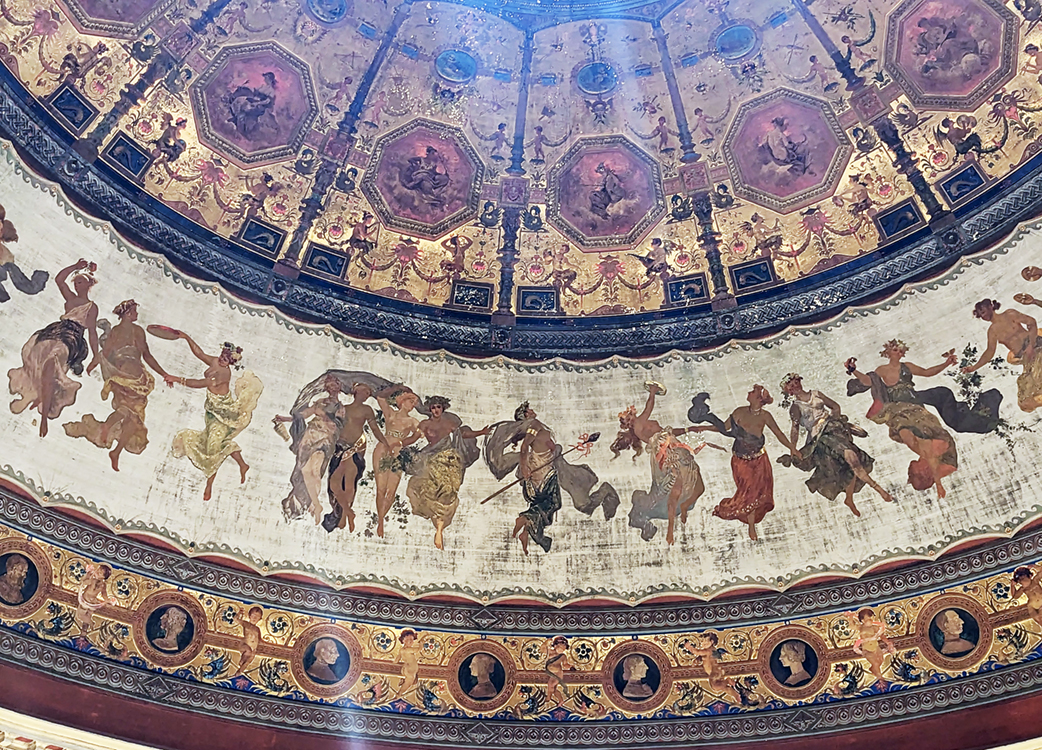


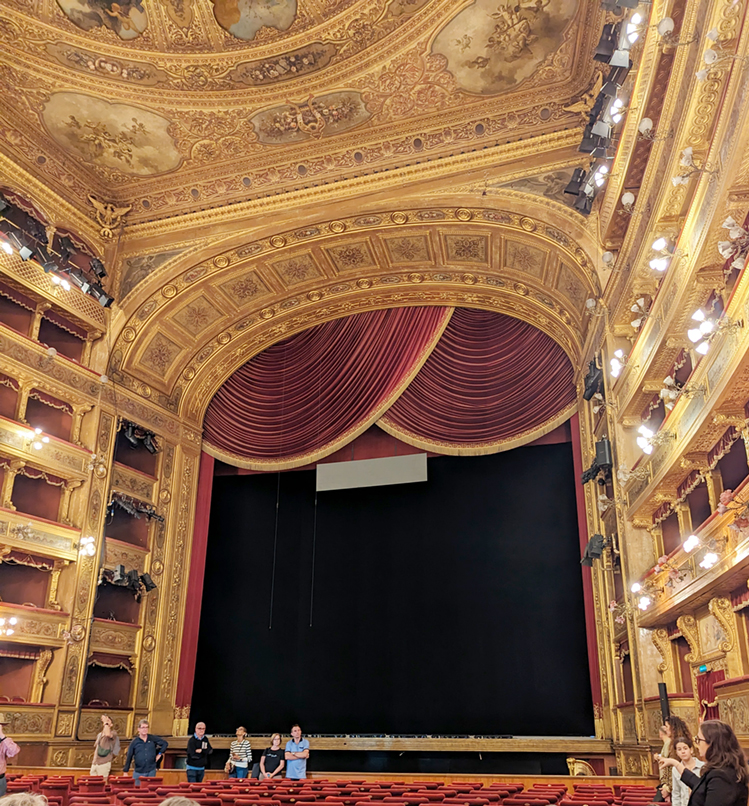
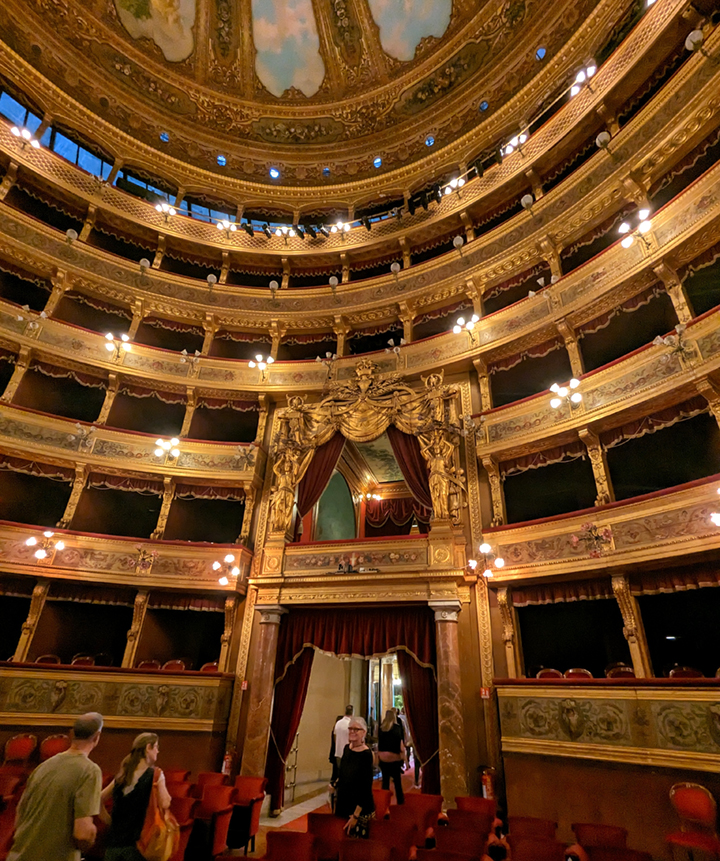
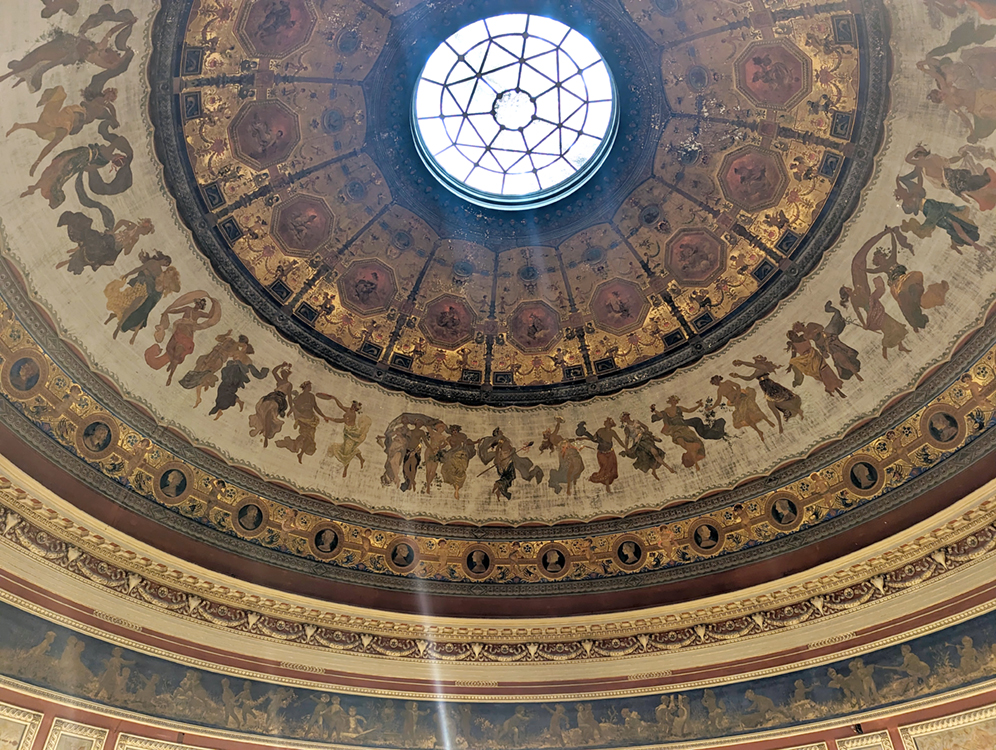
The most amazing feature to me is the ceiling of the main auditorium. Painted to represent the “Triumph of Music,” the eleven individual, flower-petal-like panels are functional. Each individual petal can be opened mechanically to allow hot air to escape – natural ventilation.
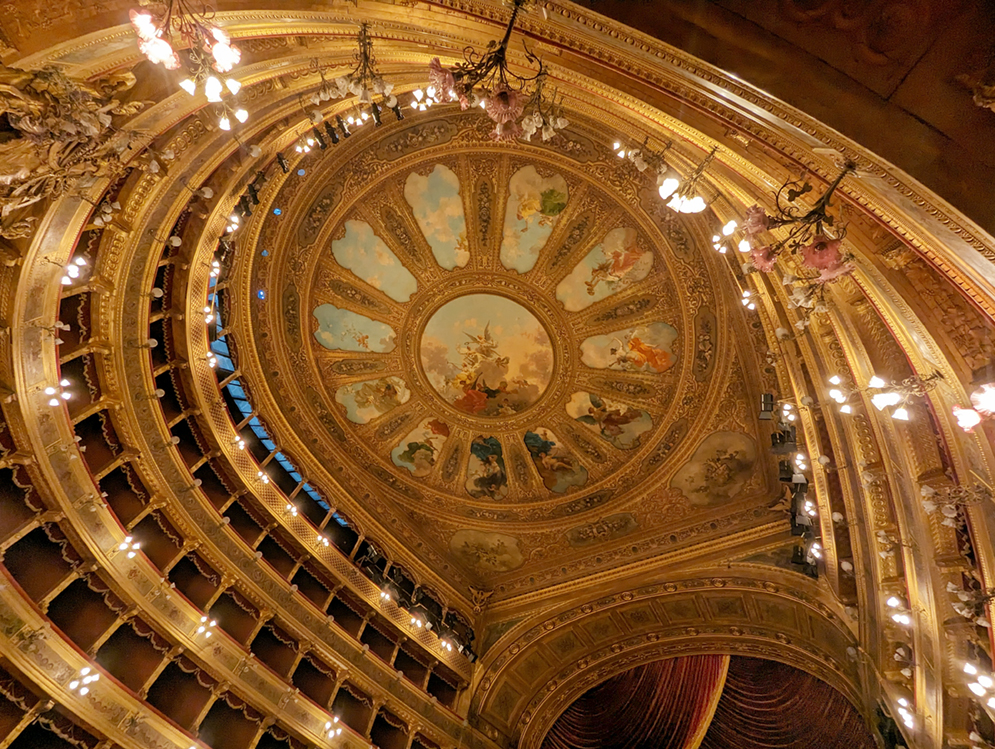
Teatro Massimo opened in 1897 with a performance of Giuseppe Verdi’s (1813-1901) Falstaff, a comedic opera that was the final one composed by Verdi.
Despite the opportunity to luxuriate in the ornate see-and-be-seen royal box, King Umberto I (1844-1900) declined to attend the inauguration. The king was miffed at the uppity Sicilians whose new opera house outshone those in the rest of the kingdom.
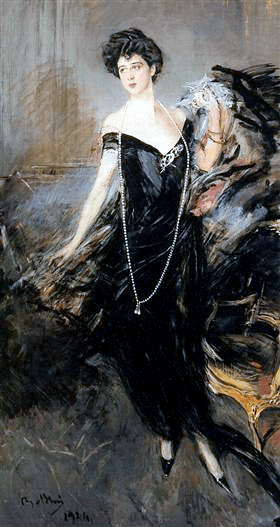
But Palermo had its own royalty of sorts, the Florios. The elegant socialite, Franca Florio (1873-1950) glamorously reigned over the event.
Known for patronizing the arts and for putting her pointy-toed fashion-foot forward, Donna Florio was famed for throwing lavish parties in their villas and aboard their yachts. Among her scads of notable guests were Maria Callas, Greta Garbo, Grace Kelly, Oscar Wilde, King Edward VII of England, Emperor Wilhelm II of Germany, and the doomed Empress Alexandra of Russia.
The theater closed in 1974 for renovations which were not completed until 1997. For that reason, the majority of the interior opera scenes in The Godfather III were shot in Cinecitta Studios in Rome.
If you trip over a step while visiting Teatro Massimo, blame it on a ghost, and not the buffoon Falstaff dressed up as the ghost of Herne the Hunter, or Mary from Godfather III, but a vengeful nun. La Monachella is reputed to haunt the theater and taunt some within with her practical jokes. The nun was angered when her grave was disturbed, violently eradicated in fact, in 1875. Both an ancient church and monastery were demolished to make room for the new opera house.
I learned the wooden rule before my First Communion: Always try to avoid raising a nun’s ire or risk a knuckle-rapping from her wooden ruler. One can only imagine the punishments a nun would mete out after her eternal resting place was disturbed.
From the finale of Verdi’s Falstaff: “Everything in the world is a joke….” An exception being a nun’s ruler.
 Postcards from Barton Springs