Postcard from San Antonio, Texas: Time to toast the Alamo Trust

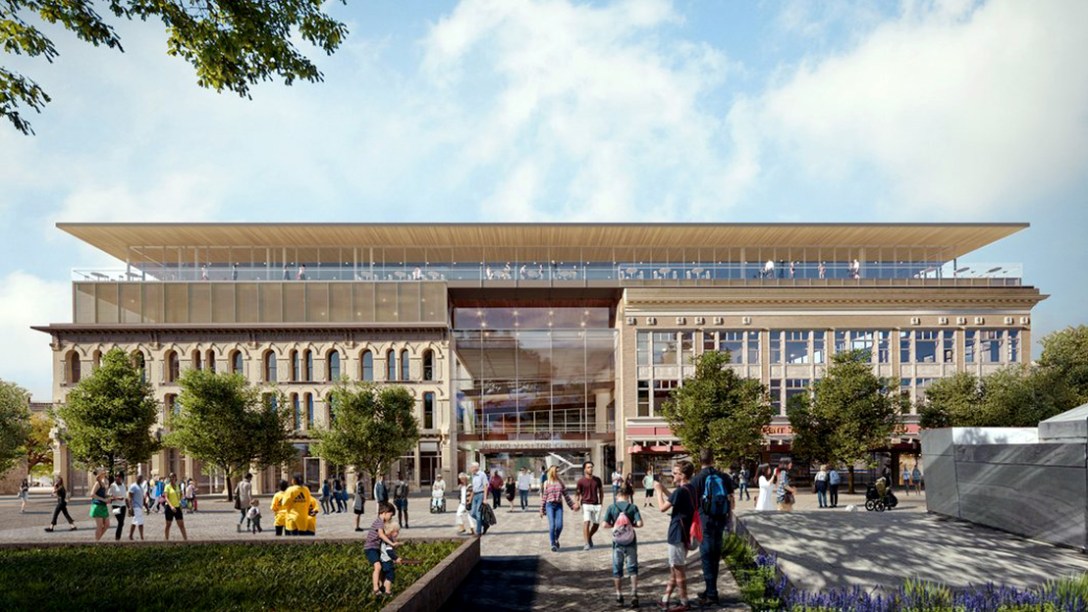
Above: Rendering of plans for the Alamo Visitor Center and Museum from the Alamo Trust

Recent international trends in museum design and development have emphasized the reuse and transformation of historic industrial and commercial buildings for interpretive programming, providing stronger links between complex layers of history and dynamic visitor experiences. Through the historic preservation treatments of exterior restoration and interior rehabilitation, these three buildings on Alamo Plaza can provide the opportunity for a unique twenty-first century museum experience that is innovatively housed within some of San Antonio’s most historically significant commercial architecture of the nineteenth and early twentieth centuries.

“Historical Assessment of a Trio of Historic Buildings on the West Side of Alamo Plaza,” John G. Waite Associates’ study commissioned by the Alamo Trust, 2020

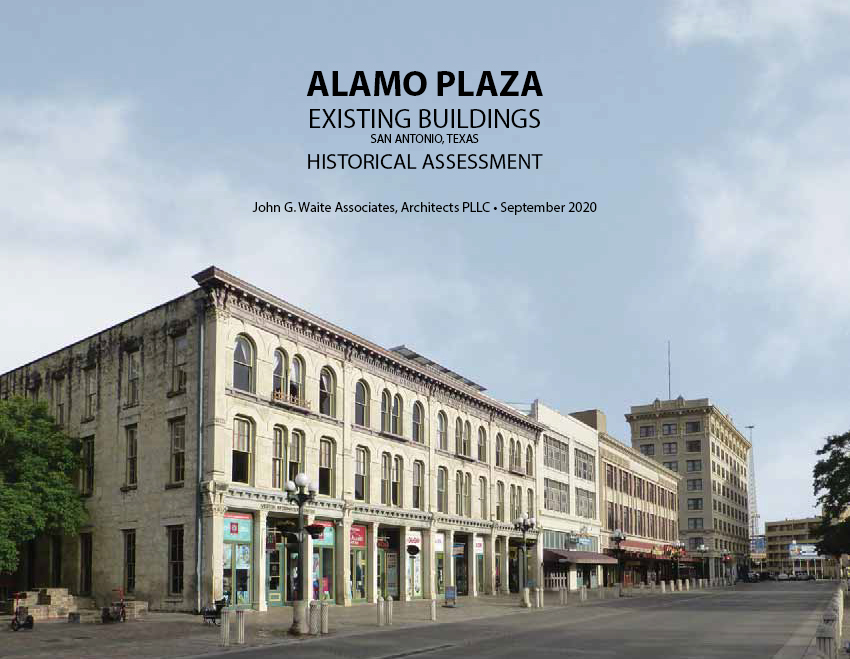
The Crockett Block (1882); the Palace Theater (1923); and the Woolworth Building (1921). All three recognized as significant historic landmarks in San Antonio and nationally. The 2020 evaluation by John G. Waite Associates let preservationists breathe a bit easier.

A cause for celebration: The block is no longer in danger of complete demolition to make way for a new museum directly across the plaza from the Alamo Chapel. The rendering at the top of this post is the current one espoused by the Alamo Trust. Most of this complex on the west side of Alamo Plaza will be transformed into a handsome museum and visitors center designed by a team of architects and designers from internationally renowned Gensler and San Antonio-based GRG Architecture.

In addition to private donations, the overall Alamo Plan is receiving an amazingly generous boost in the Texas State Budget – a whopping $400-million. In other words, the museum, preservation of the Alamo itself and redo of Alamo Plaza are all moving forward.

Continue reading “Postcard from San Antonio, Texas: Time to toast the Alamo Trust”

Popularity Contest Results

Above, 1912 New Year’s card from Chapter Seventeen of An Ostrich-Plumed Hat

You have been judging my posts, as always, for the past six months, picking and choosing whatever piques your interest. For several years, the focus here has been on travel, relying on extensive use of photographs. Well, 2020 certainly cut short this blogger’s boulevardier ways, so, instead, I have “gifted” you with my novel about the sensational 19teens’ tale of the doomed relationship of Hedda Burgemeister and Otto Koehler. More than thirty chapters of An Ostrich-Plumed Hat, and, Yes, She Shot Him Dead are now posted on this site.

an ostrich-plumed hat

The good news is that more of you have clicked on the Introduction and Chapter One than any other post since July. The flip side is less flattering; there was a steep drop off in readership by Chapter Two. Numerous chapters ranked in the top dozen of this biannual roundup, but, for the sake of variety and not to encourage skipping around in the book the way I read Moby Dick in high school – every fifth chapter (Did I miss much?), I am omitting them from the list. Am hoping for some more feedback from you, my beta readers, as this release continues.

Beyond that, you seem to still appreciate my efforts at populating Brackenridge Park with ghosts, railing about whatever in the world is happening to Alamo Plaza and spinning tales from vagabond times. And perhaps you are looking for miracles ahead in 2021.

Continue reading “Popularity Contest Results”

Toast the Historical Assessment of the experts or mistrust the Alamo Trust?

alamo plaza buildings historical assessment

Above from left to right: The Crockett Block (1882); the Palace Theater (1923); and the Woolworth Building (1921) on the west side of the plaza facing the Alamo

Been dreading the arrival of the Historical Assessment of a trio of historic buildings on the west side of Alamo Plaza conducted by John G. Waite Associates for the Alamo Trust. My trust eroded by a dearth of information emanating from the Alamo during the past several years, I assumed the instructions given the architectural firm might have been skewed to doom them to the wrecking ball. But I must have been wrong.

The conclusions reached by the study are a dream come true for preservationists and proponents of adaptive reuse. The landmarks are viewed as prime for transformation into a visitor center and museum for the Alamo.

Continue reading “Toast the Historical Assessment of the experts or mistrust the Alamo Trust?”