
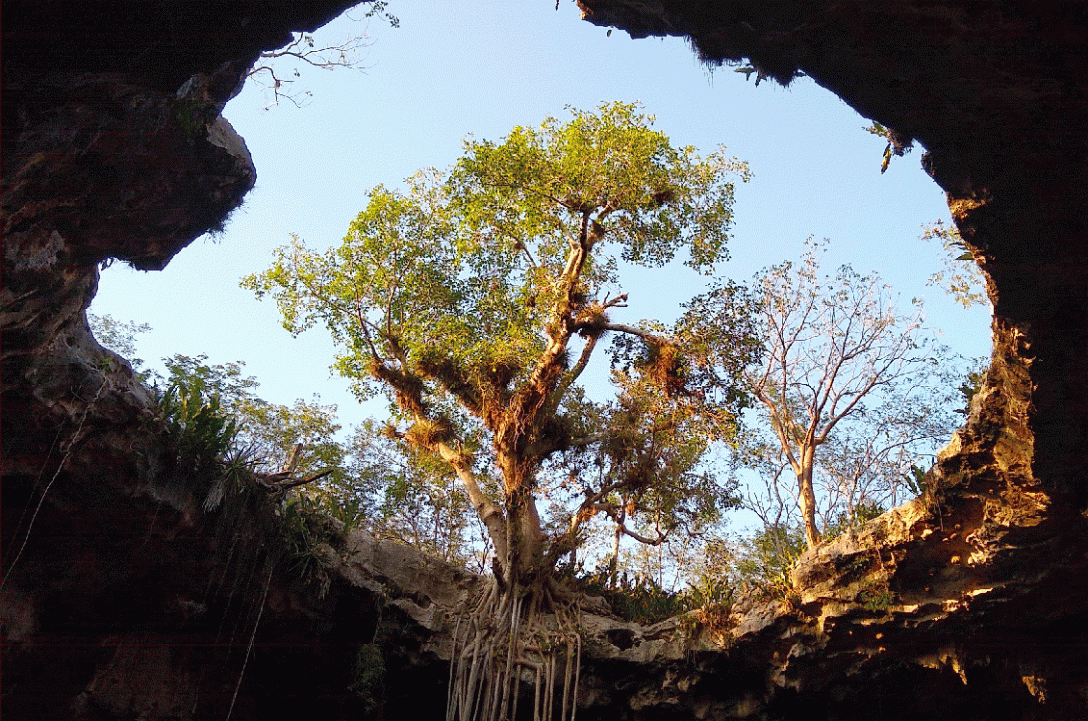
Water surrounds much of the Yucatan, but salt water does not quench one’s thirst. Instead of pooling in rivers and lakes, fresh water is hidden from view. Through the ages, water seeped through layers of limestone, and the gradual erosion formed holes in the earth – natural entrances to caverns filled with pure water. The Mayans regarded these precious offerings from the gods – cenotes – as sacred.
As the only natural source of freshwater, cenotes are and were essential resources to people living in the Yucatán. Prehistorically, some cenotes were exclusively domestic, reserved for drinking water; others were exclusively sacred with their locations kept secret. A few, like the Great Cenote at Chichén Itzá, were sacred sites that served a number of religious purposes, including but not exclusively ritual sacrifice.
To the ancient Maya, cenotes were passageways to the underground world of Xibalba. They were often also associated with the rain god Chaac, and sometimes said to be his dwelling place. Settlements grew up around many cenotes, and they were often part of or directly connected to the most important monumental architecture of the Maya capitals.
Fortunately for its occupants, the Yucatan has somewhere around 6,000 cenotes. One does not have to drive far from Merida to hit roads lined with locals trying to flag cars down with signs to indicate their particular cenote is better than all the rest.
Proximity and lack of overcrowding were guiding our choices when we picked the destination for our Mayan archeological site and a cenote. And, of course, we wanted lunch.
Having visited Chichen Itza and Uxmal several years ago, we headed to Mayapan. We found two busloads disgorging passengers from nearby cruise ships upon our arrival. Fortunately, their scampering time was short, and then we, the occupants of two other cars and the iguanas had the site to ourselves.


With the decline of Chichen Itza, Mayapan was founded about 1250 by Kukulcan, a powerful ruler named in honor of the plumed serpent deity worshipped by the Mayans. The last capital of the mighty empire, Mayapan had a population of 12,000 to 17,000.
Among the advantages to Mayapan is that visitors are free to climb the pyramids (No, I did not.) and explore at will; it is less than an hour’s drive from Merida; it is uncrowded; and the entry fee is only 45 pesos per person. That’s right. Only about $2.
Finding ourselves sufficiently hot and thirsty, we then headed to the cenotes at Santa Barbara, another relatively under-visited spot. The whirring fans overhead in the high-ceiling palapa-style restaurant were particularly appreciated by the person in our party without a bathing suit – me. Going a bit off the beaten path again proved an amazing bargain. Lunch plus a plunge into the cenotes totaled less than $10 per person, even with a round of margaritas and beer.


 Postcards from Barton Springs