

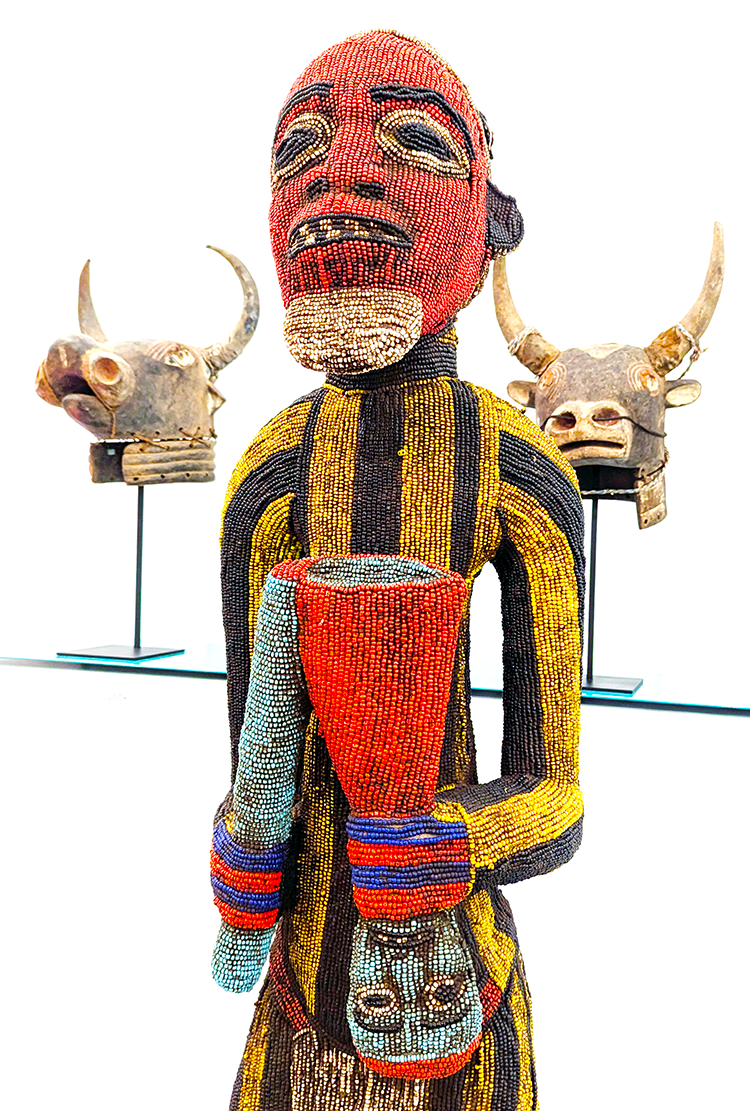
Above: Beaded Bamileke warrior, Cameroon, Central Africa, on exhibit in Jose de Guimaraes International Arts Center.
Linked by invisible threads, the objects seem to talk to each other independently of our presence. An African fetish points to a pre-Columbian vase; a skull imagined by Jose de Guimaraes contrast with a bronze object from ancient China; statuettes speak with paintings without time separating them. As the objects gaze at each other…, it becomes evident that the associated narratives are infinite. The objects ask: ‘How should we live together?'”
Curator notes, Jose de Guimaraes International Arts Center
A carefully curated combination of works by and collected from around the world by artist Jose de Guimaraes (1939-) – 1,128 objects by his count – occupy the sprawling galleries of the first floor of the Jose de Guimaraes International Arts Center.
The museum opened in 2012 as part of a contemporary revitalization project of the area that once was the city’s market.
The CIAJG brings together pieces from different times, places and contexts in conjunction with works by contemporary artists, proposing a (re)assembly of the history of art, as a succession of echoes, and a new design for the museum, as a place for amazement and reflection.”
Homepage of website of Jose de Guimaraes International Arts Center
This permanent exhibition serves as a visual esperanto, instilling a commonality amongst the polyglot of cultures inhabiting this planet. Jose de Guimaraes, who takes his name from his hometown, has developed his own artistic “alphabet” by exploring artistic creations of diverse peoples.
To some degree, my artwork has followed the tracks of (Portuguese) sailors from the past approaching the cultures of other regions.”
Jose de Guimaraes
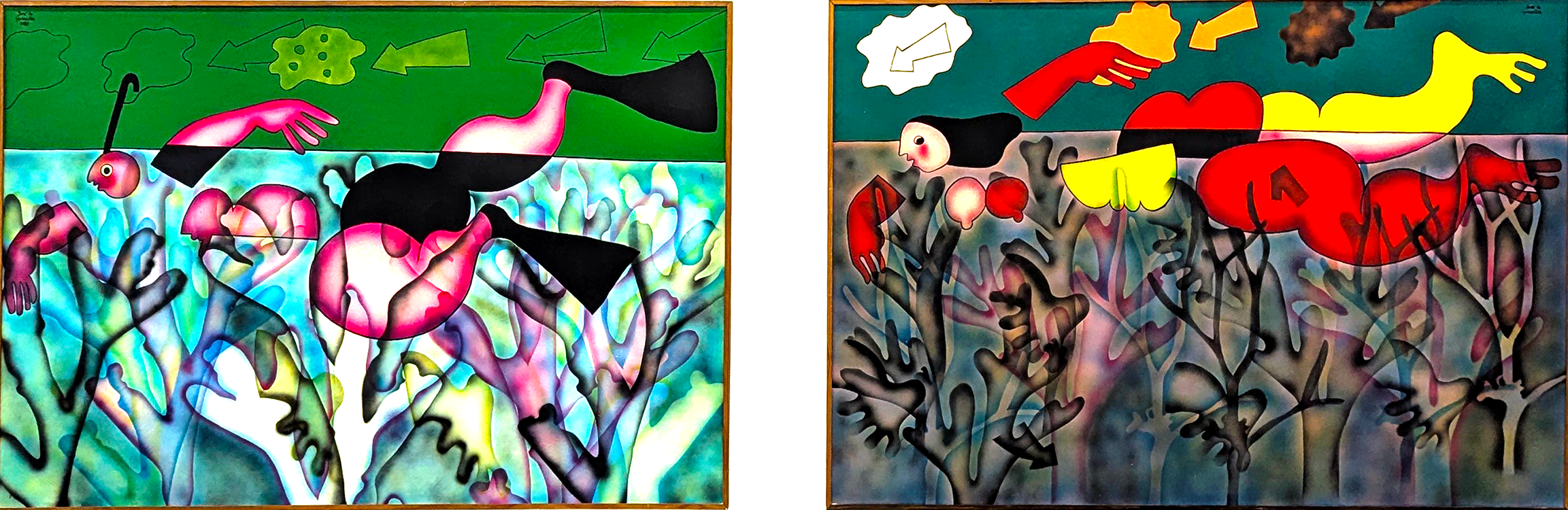
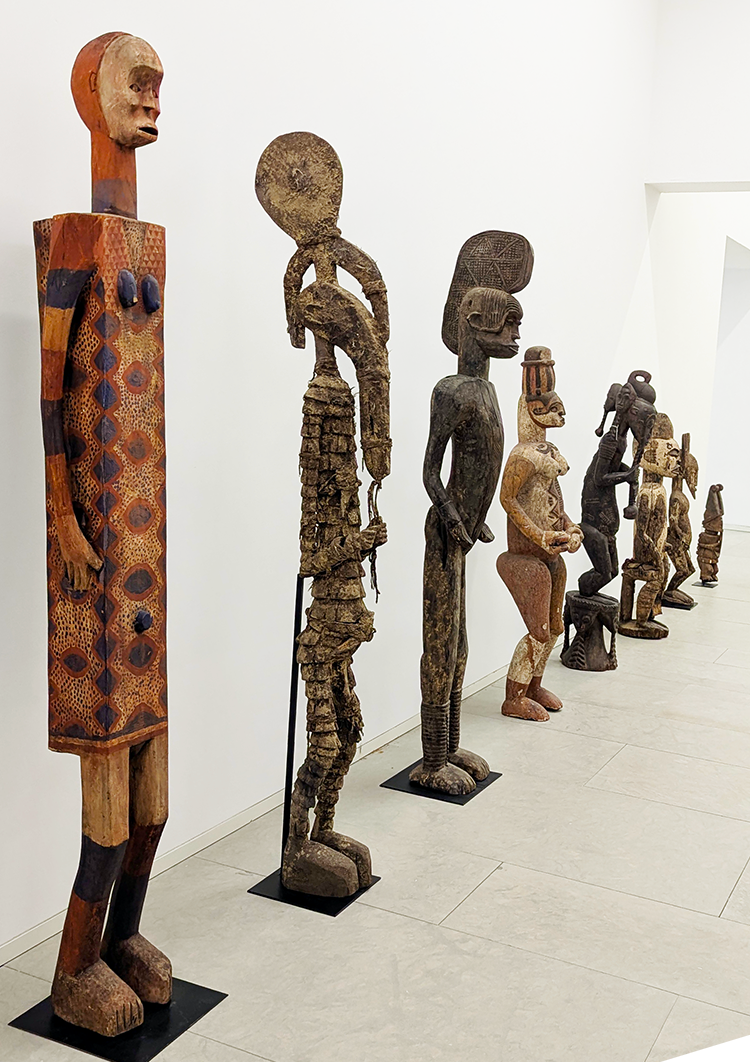

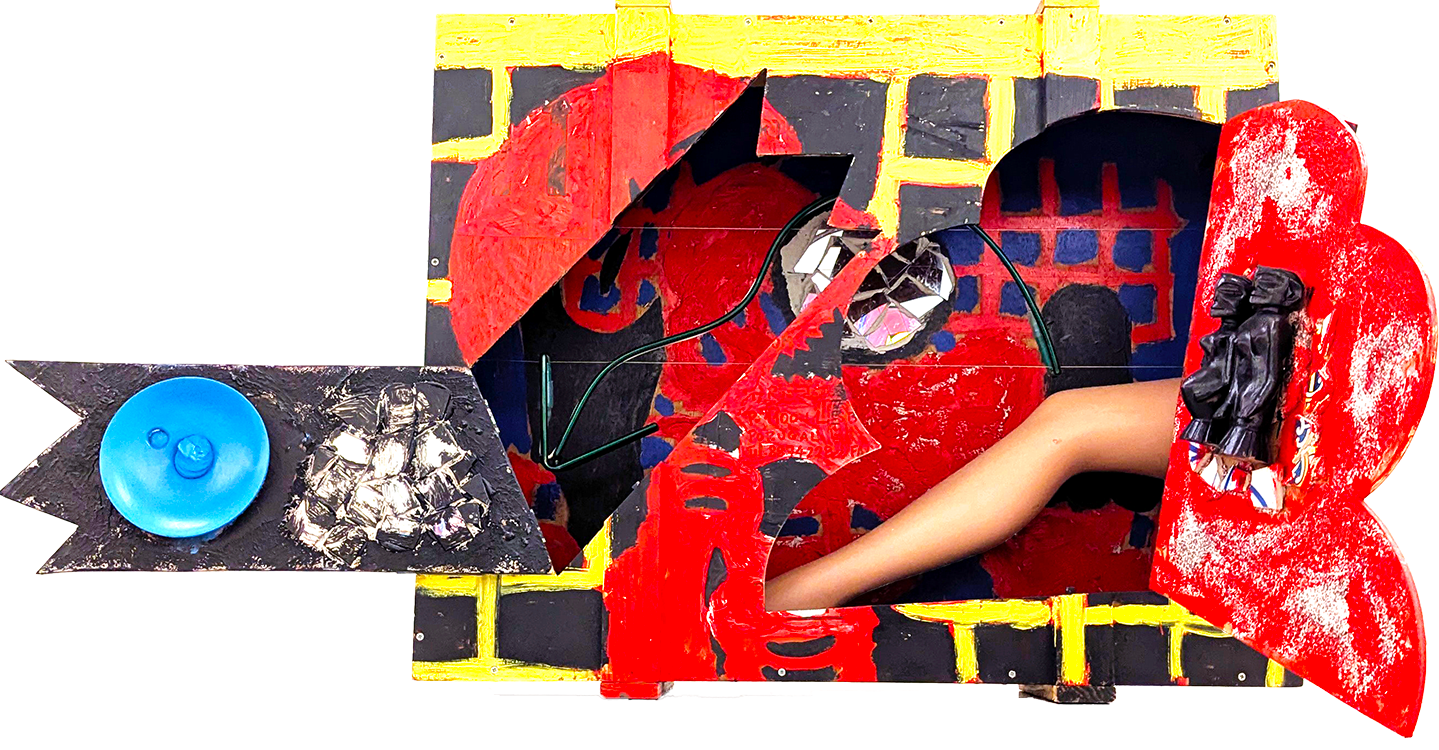
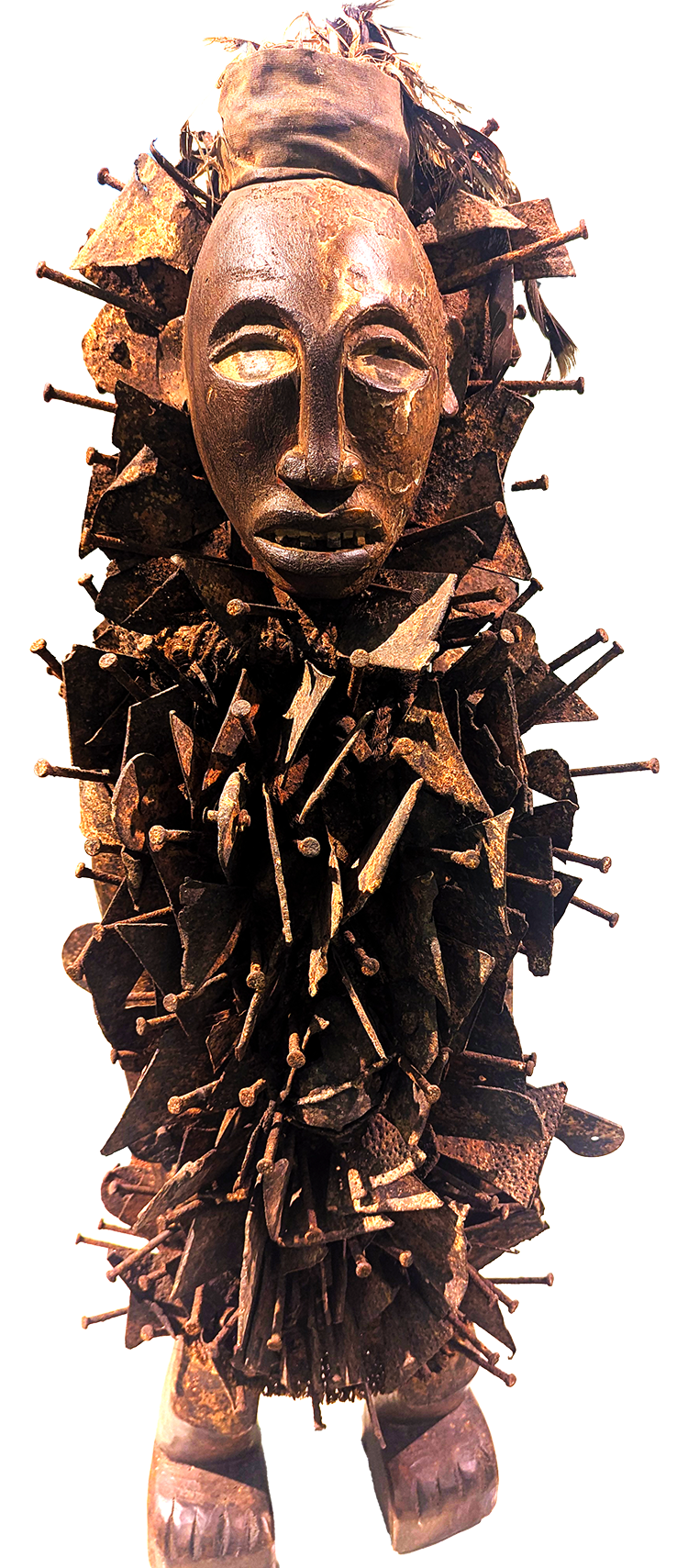
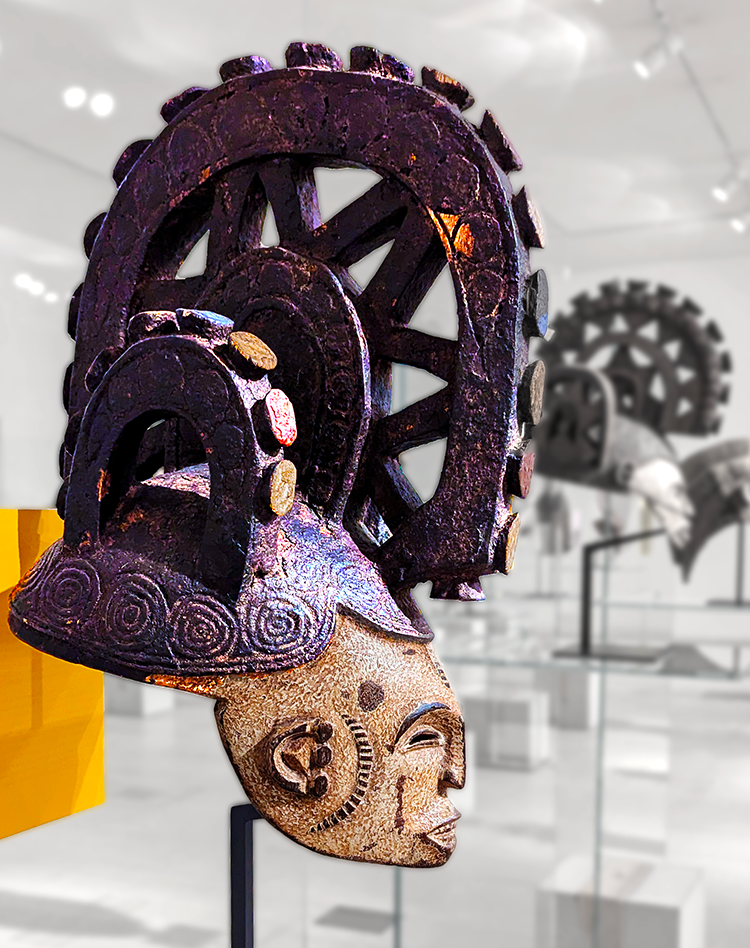
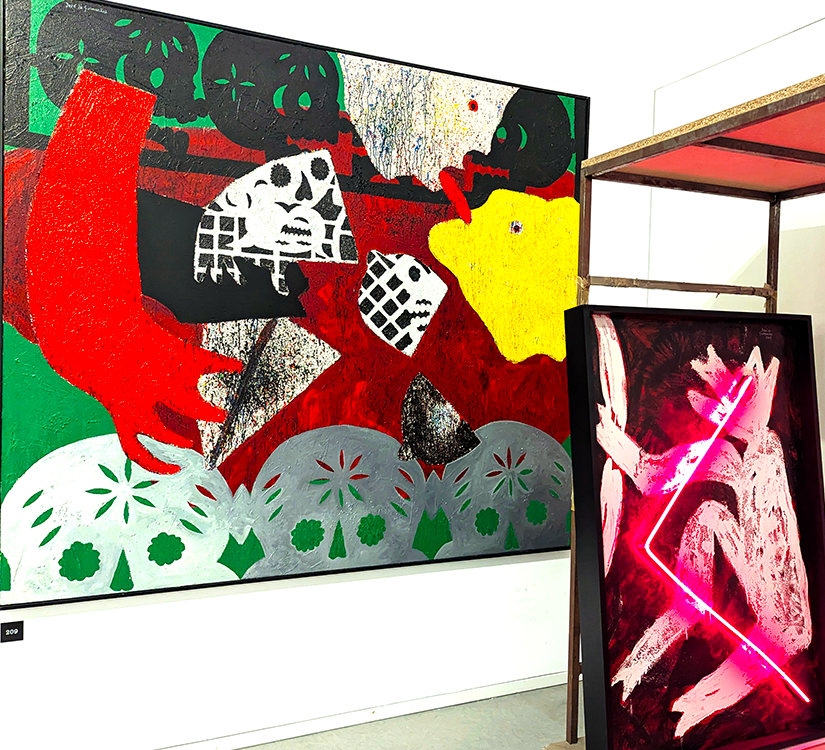
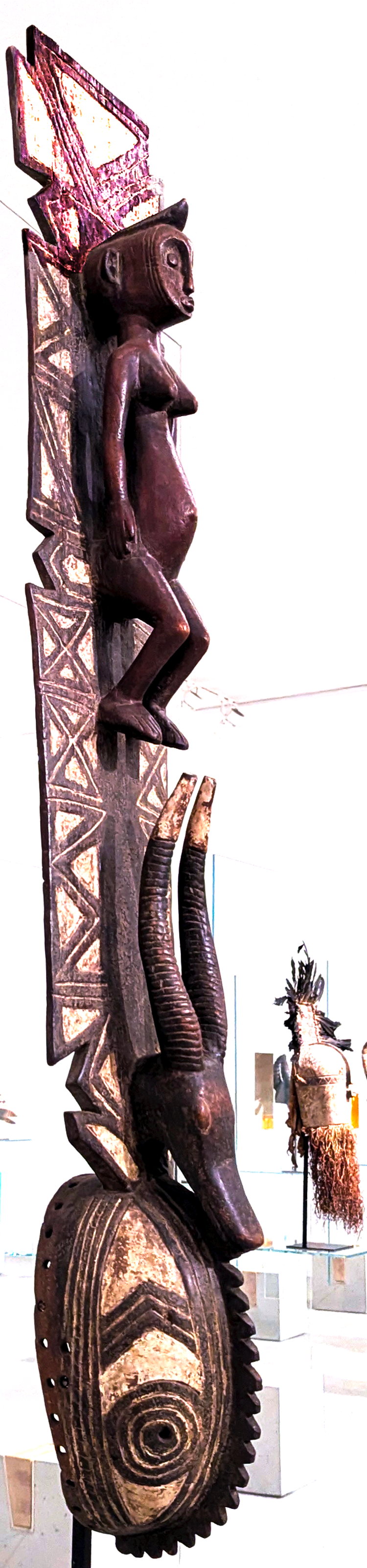

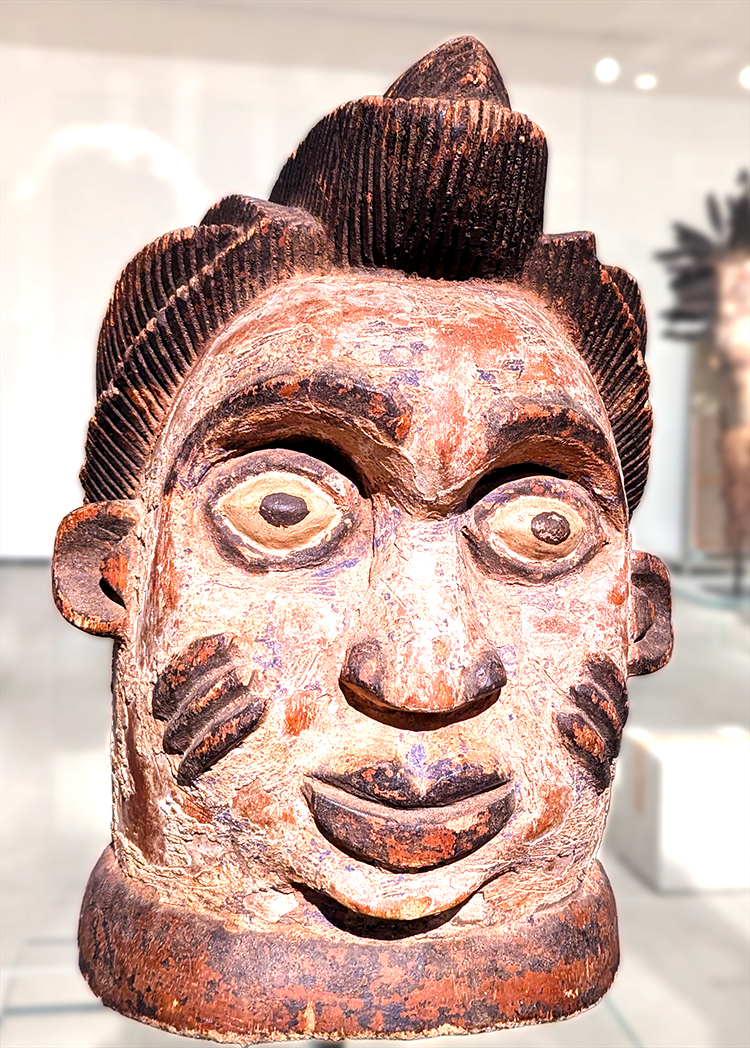

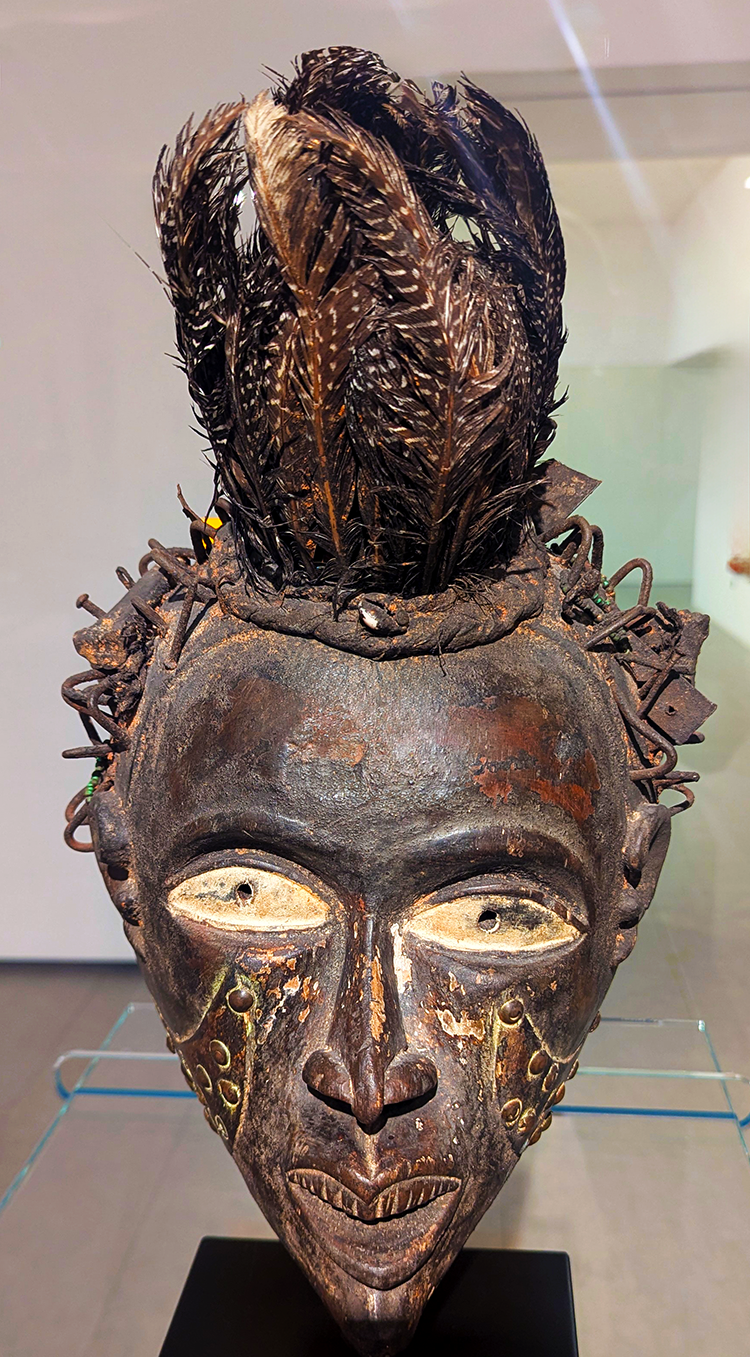
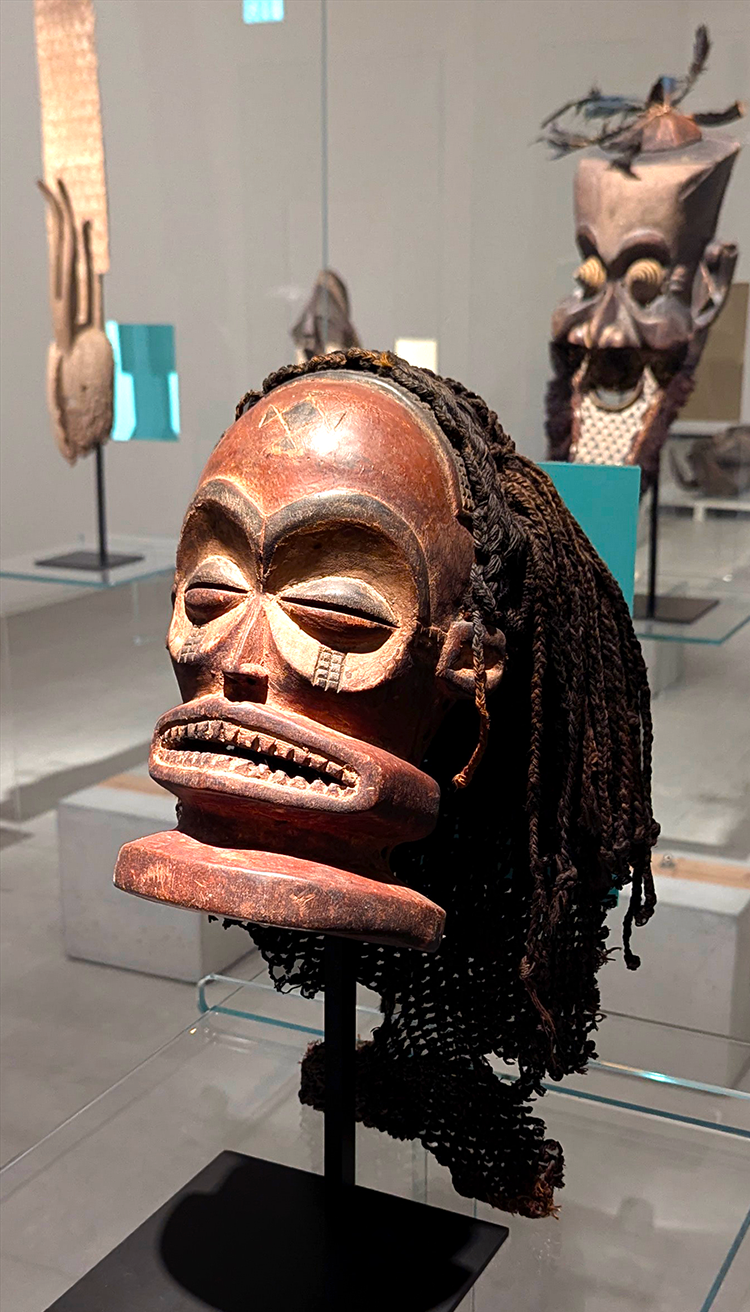
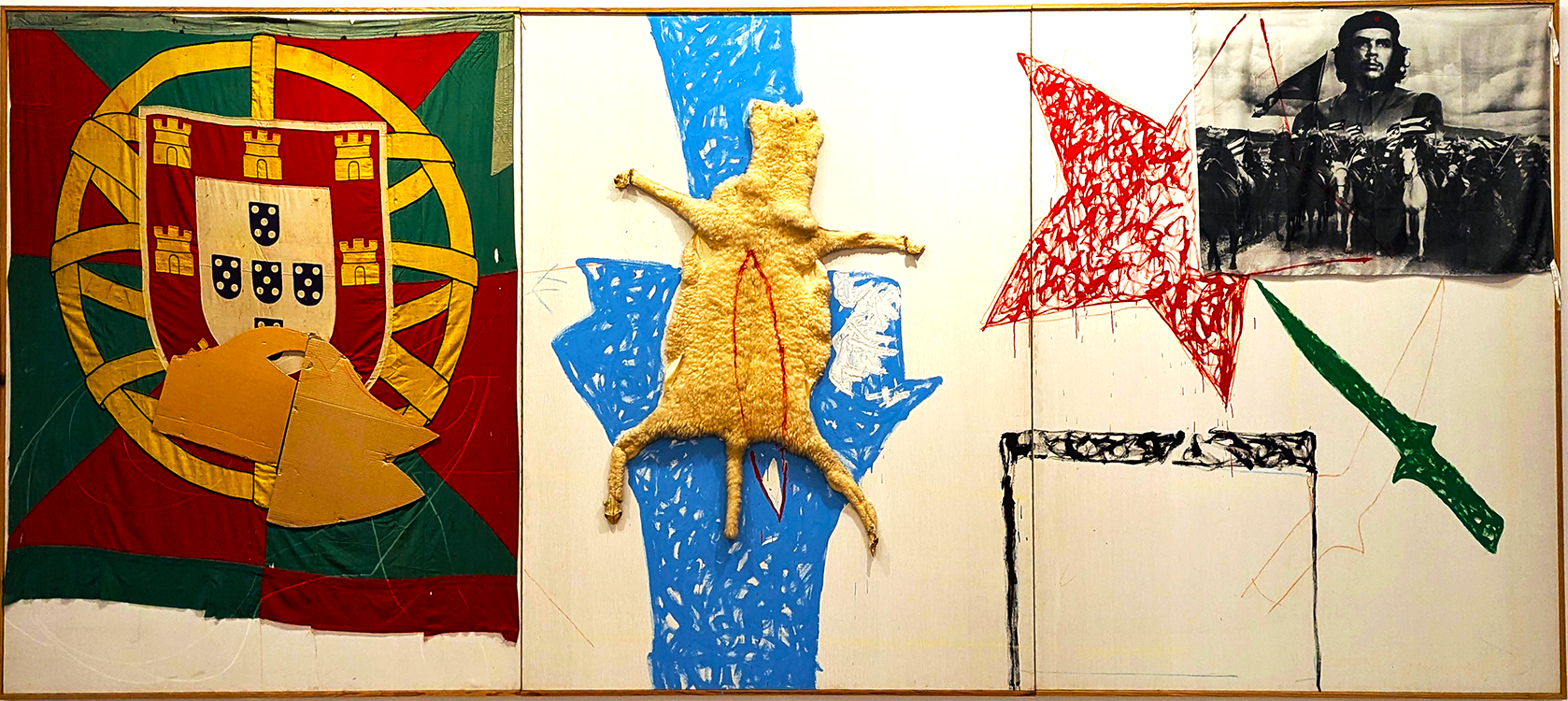
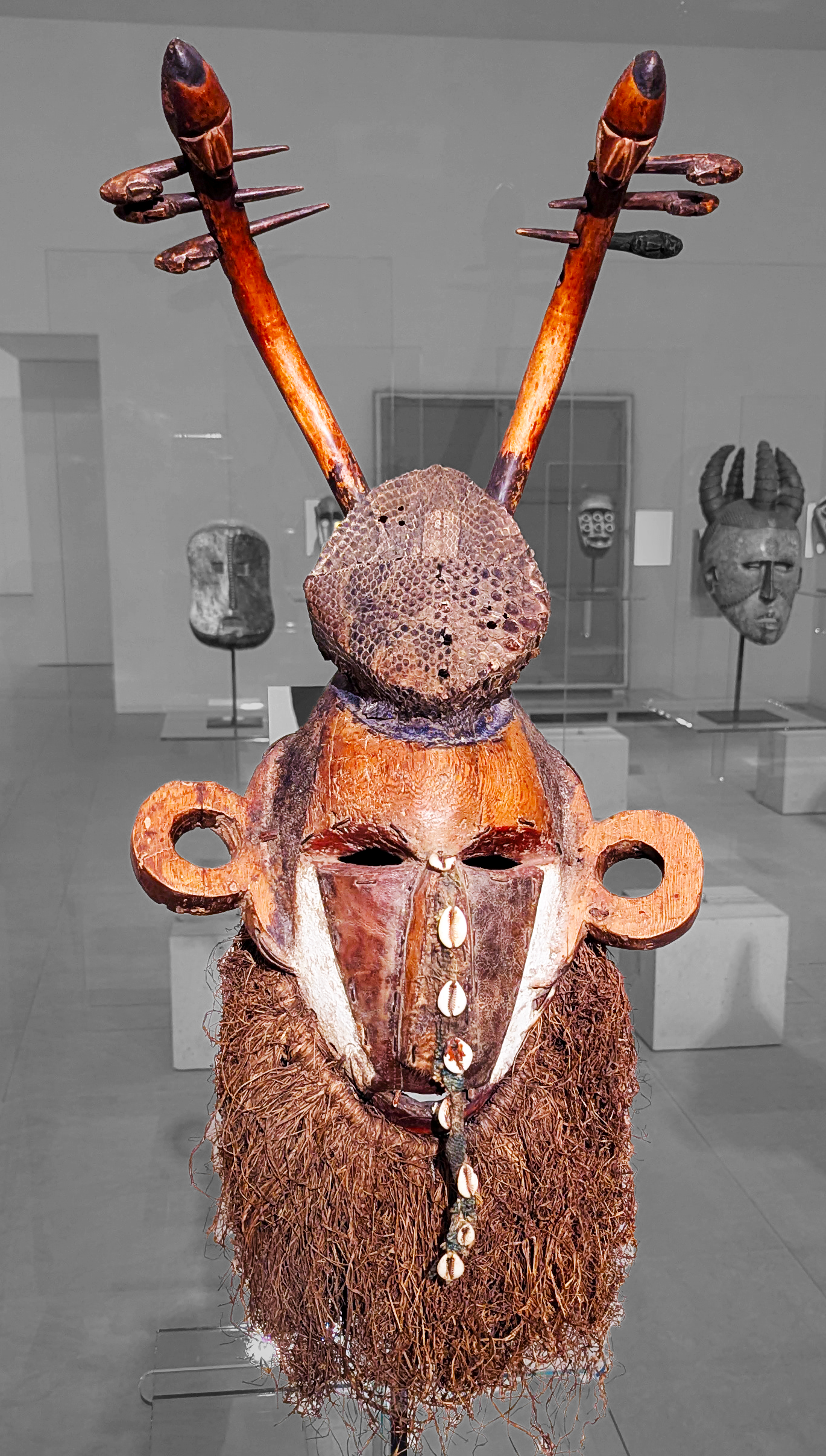

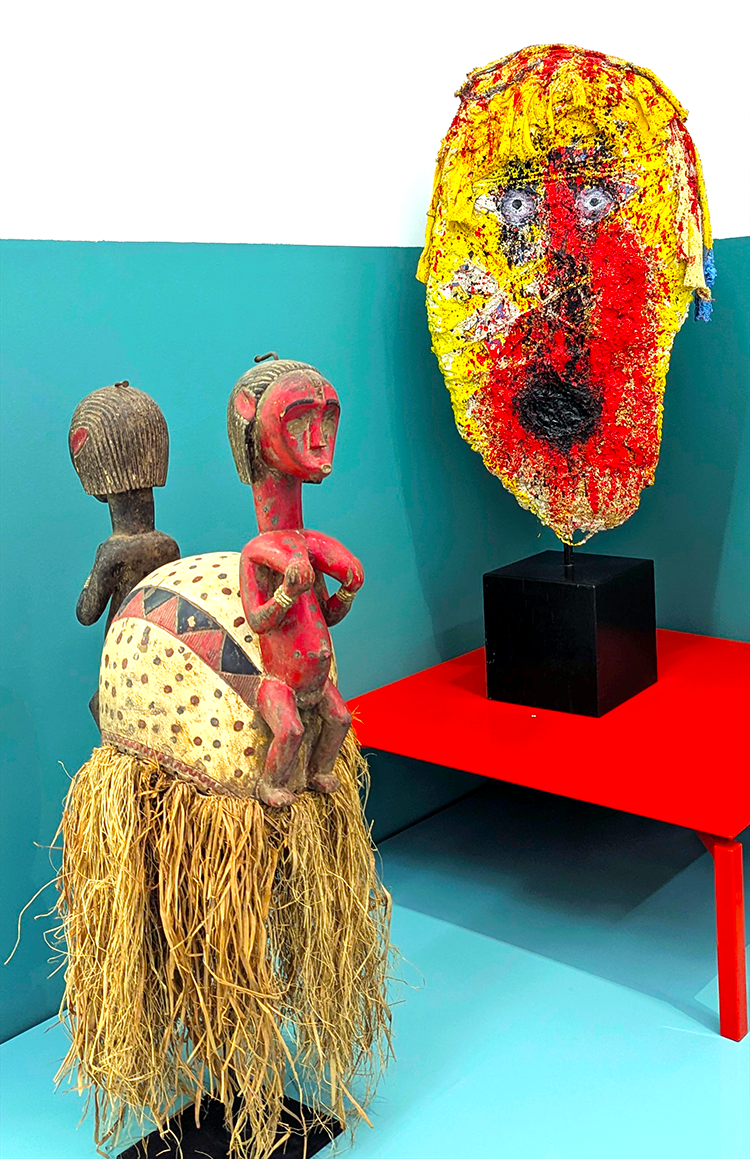


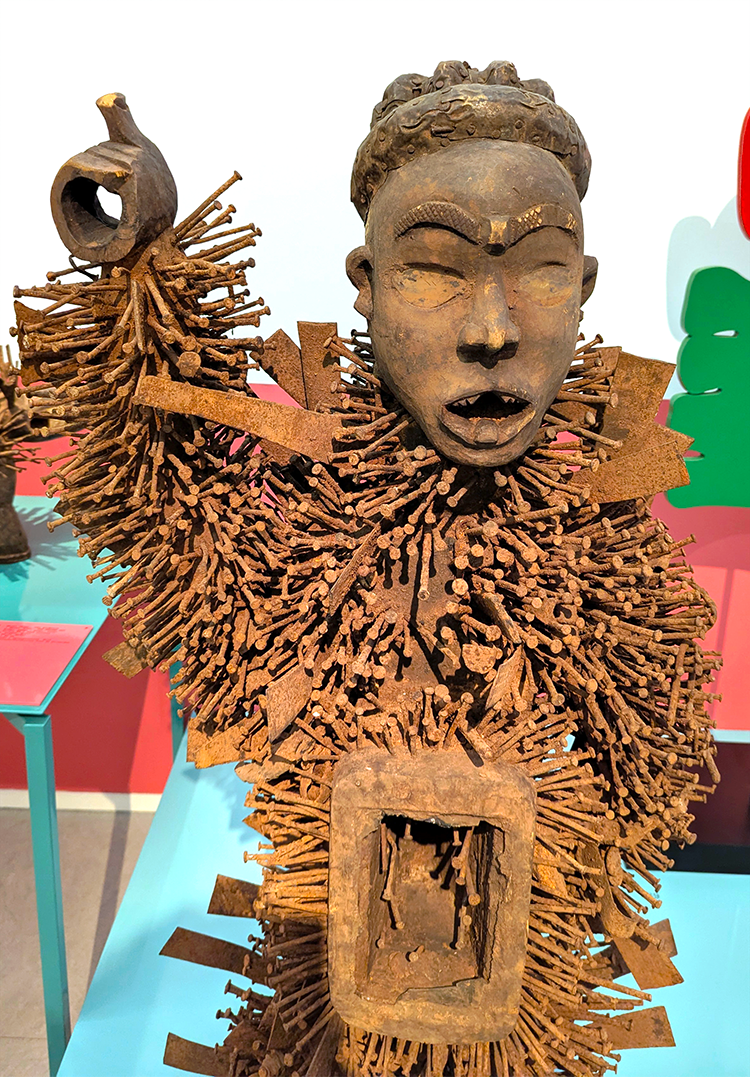
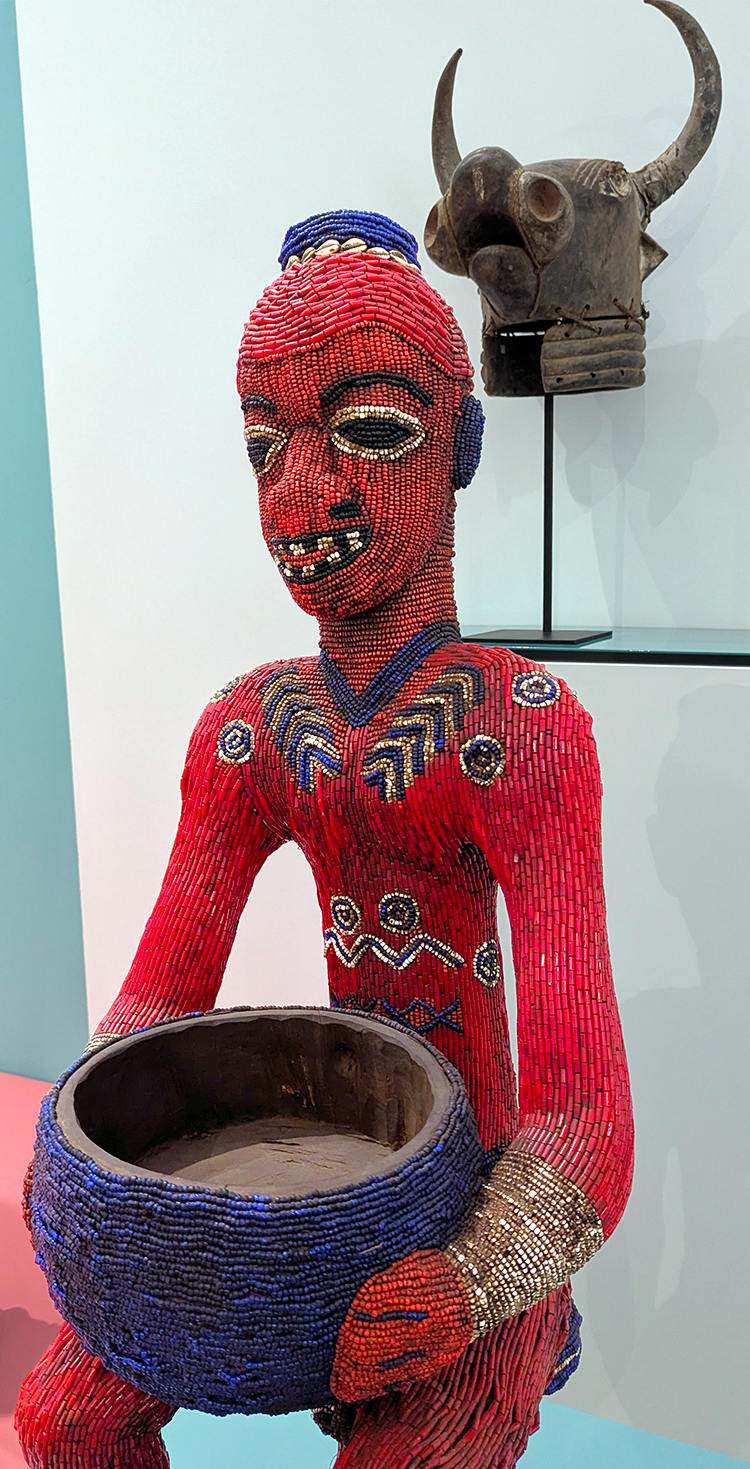
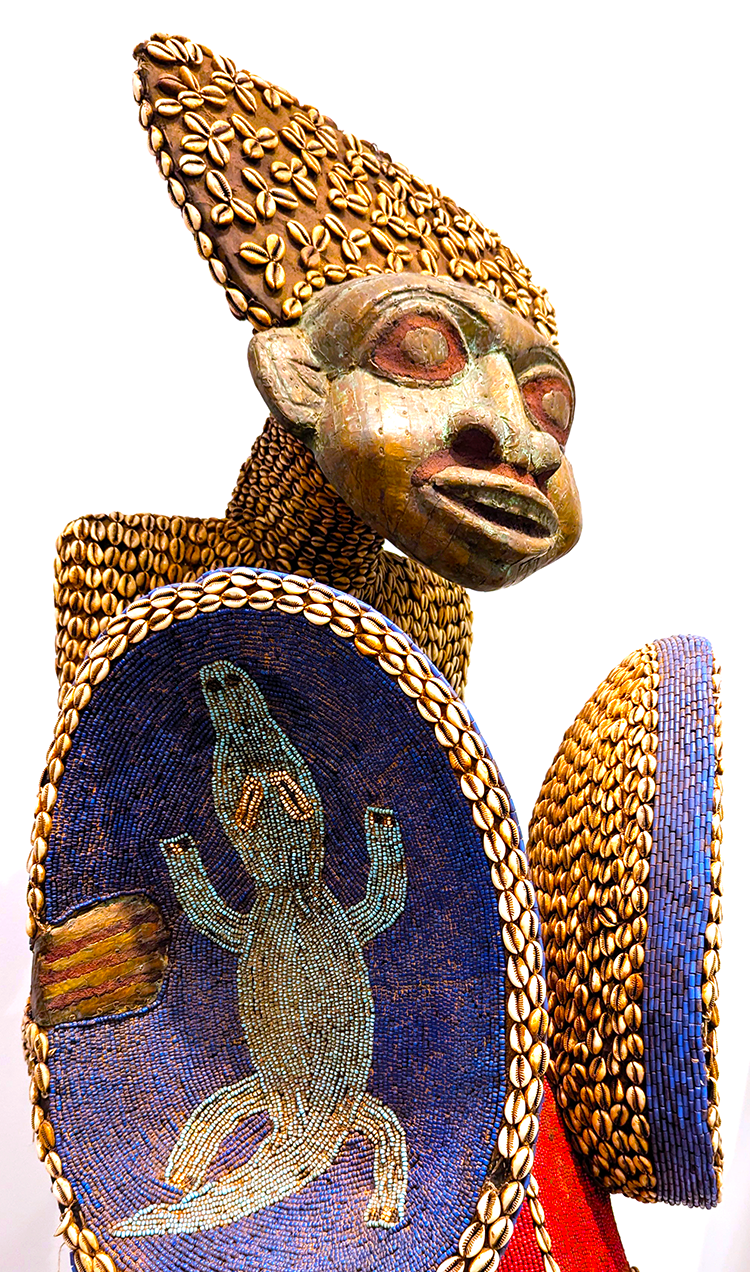
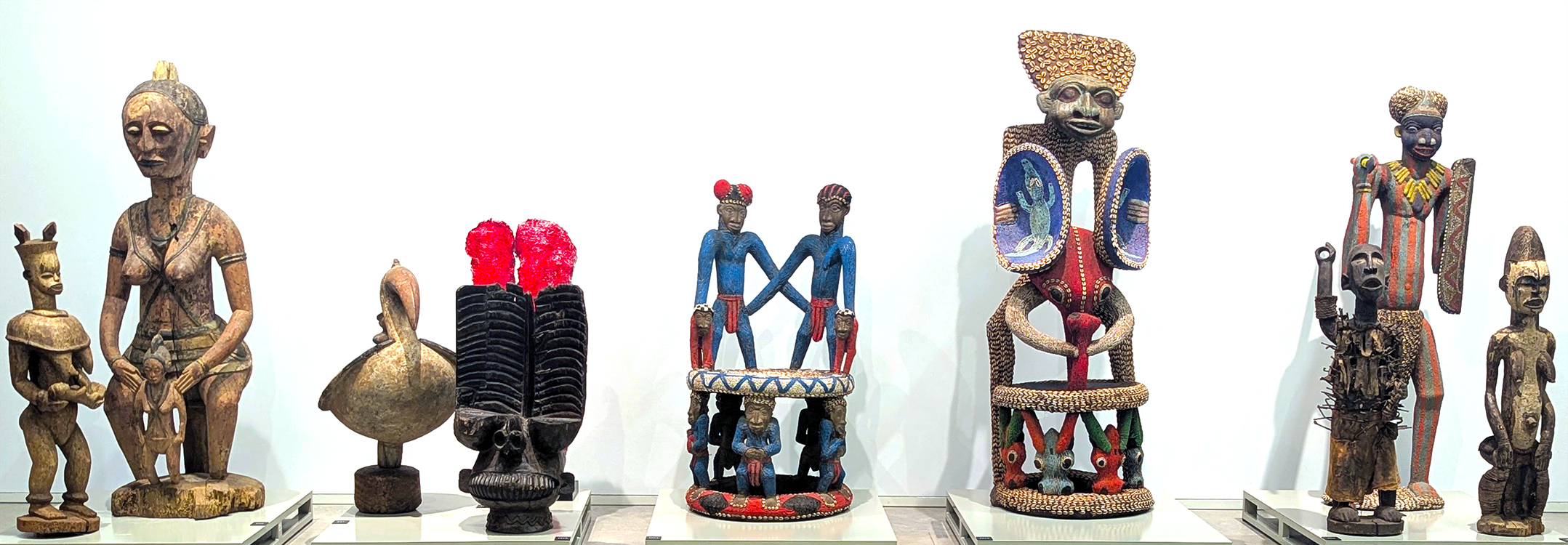
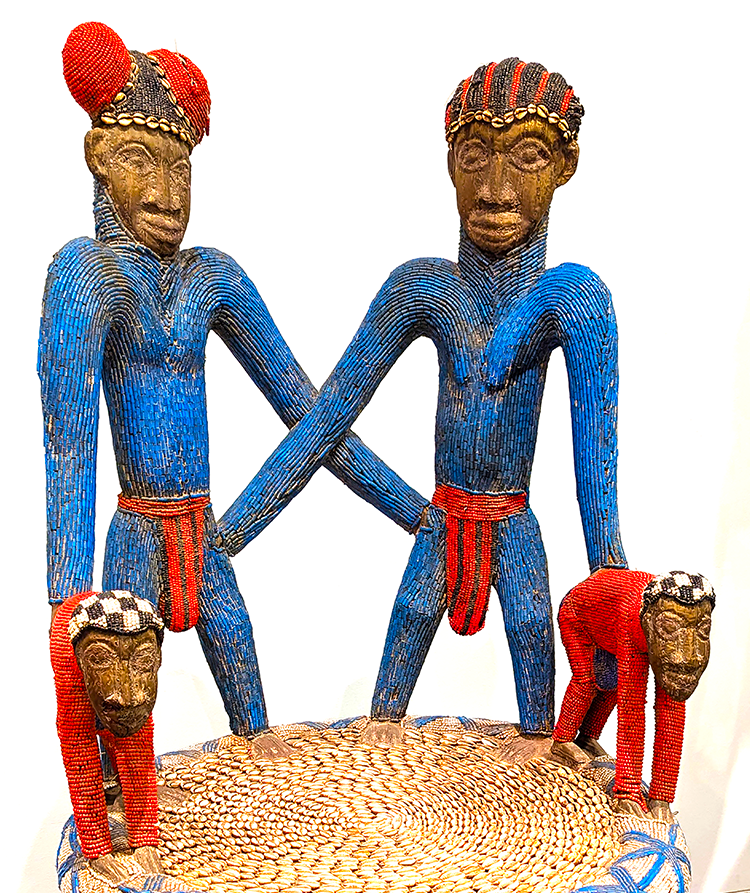

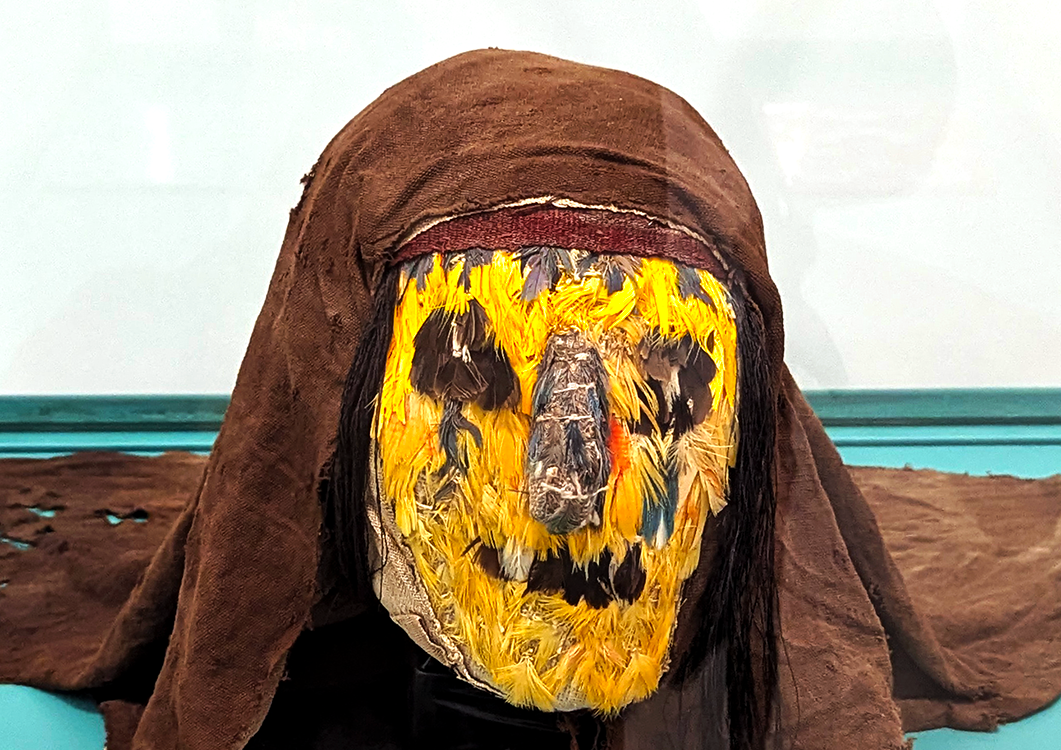
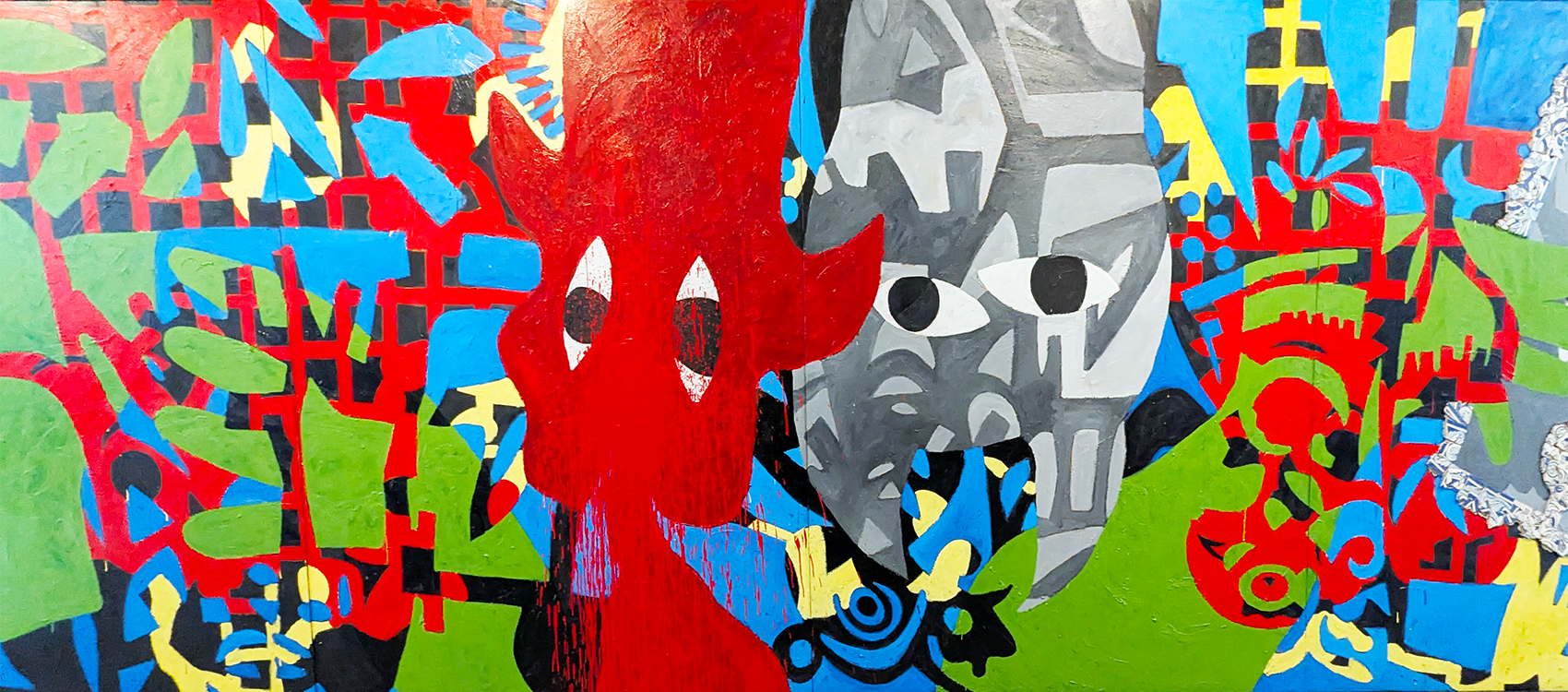
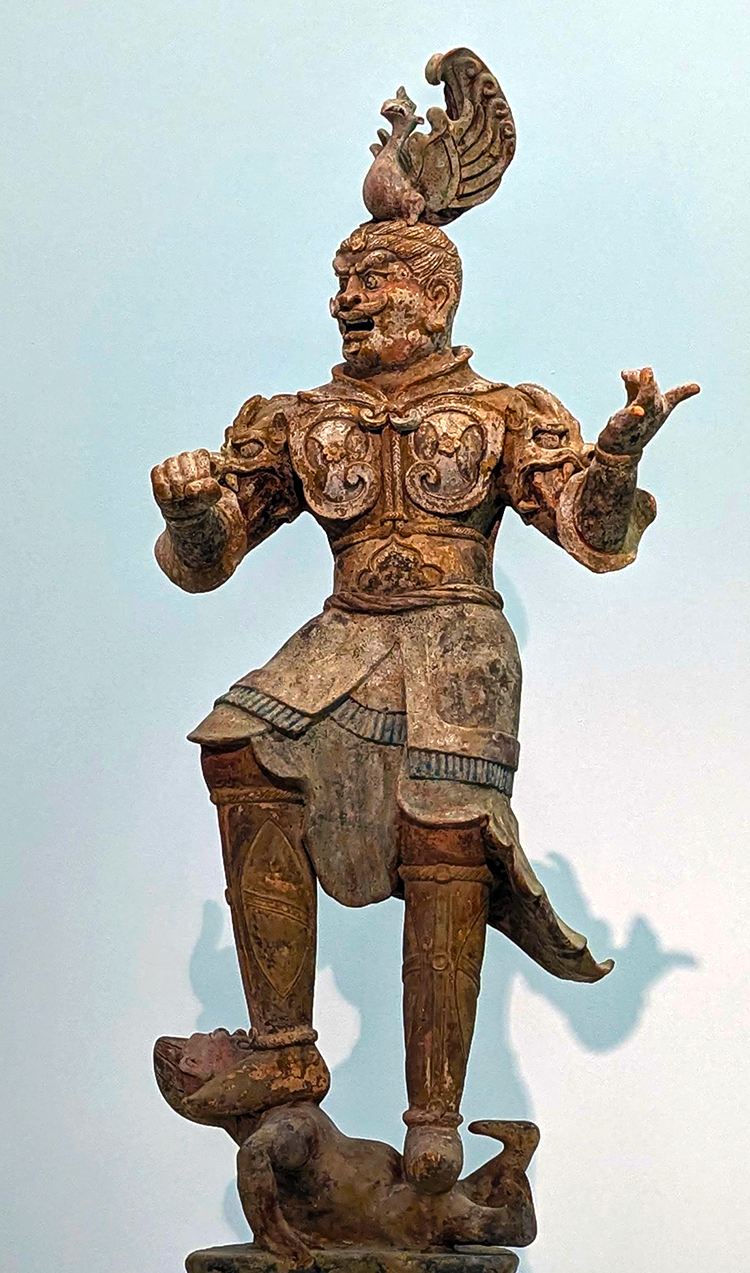
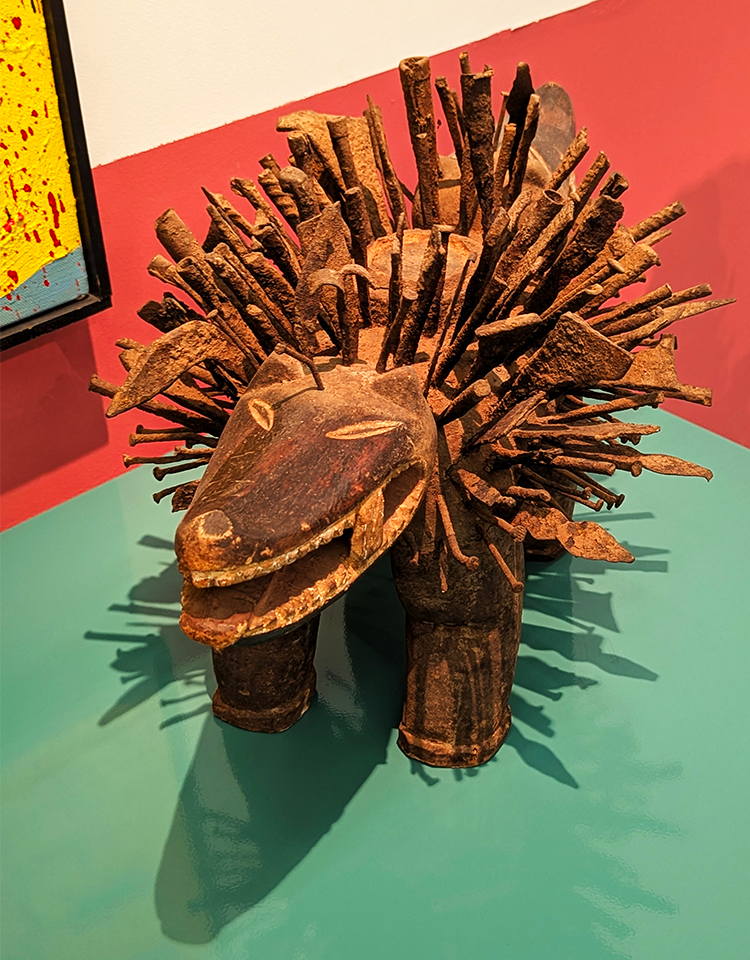
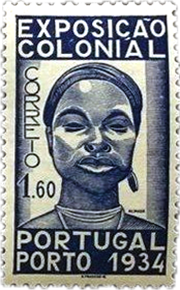
Above: Jose de Guimaraes International Arts Center
Interrupting the conversations he has crafted between his art and that of others is not intended. Yet, these images grabbed from the 1,128 works are presented randomly on my part. Hoping they’ll ignite interactive dialogues for you.
Jose de Guimaraes views these conversations as critical today as countries grapple with the influx of migrants sailing the reverse direction of those early European explorers.
‘At the time of slavery, it was across the ocean, namely the Atlantic, that slaves were transported from Africa to Brazil and that almost all of them died. In fact, they called it the “ocean of blood.” Today, in the Mediterranean Sea, this whole process of migrants, slave traders, shipwrecks is a daily occurrence…. The tragic-maritime story is repeating itself’ – and neither art nor the artist remain indifferent to it.”
Interview with Jose de Guimaraes by Beatriz Silva Pinto, GQ Portugal, February 17, 2020
 Postcards from Barton Springs