

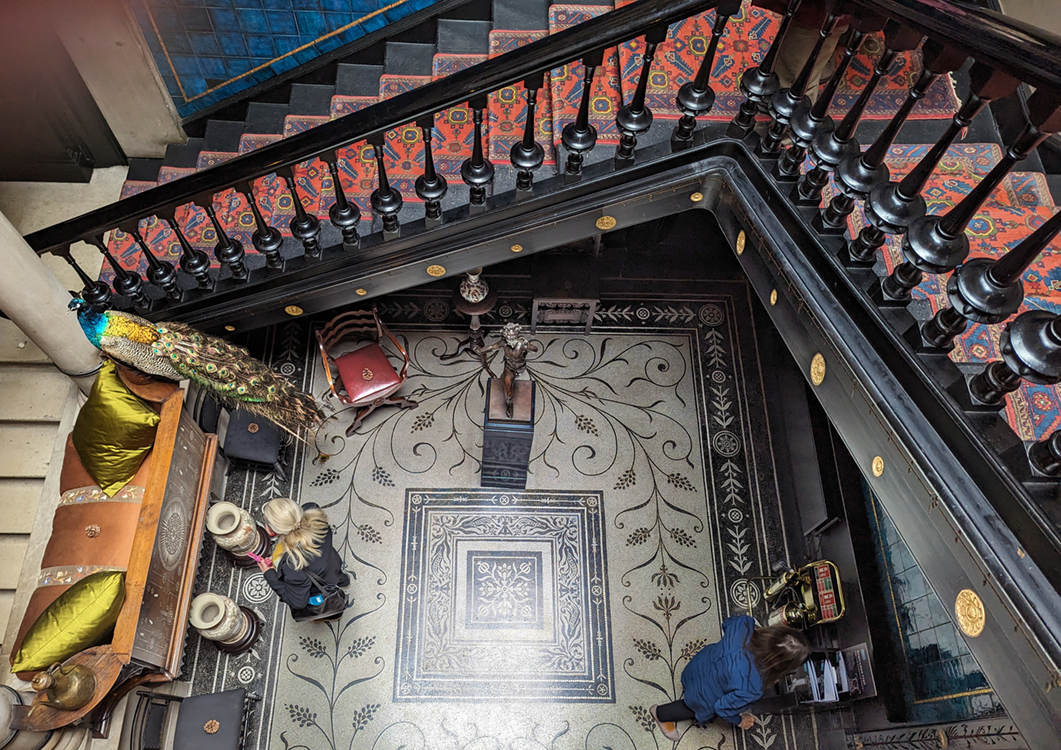
Above: Staircase hall in the Leighton House, Holland Park, Kensington, London
My parents surrounded me with every facility to learn drawing, but, strongly discountenanced the idea of my being an artist unless I could be eminent in art.”
Lord Frederic Leighton, 1879
From a wealthy family, Frederic Leighton (1830-1896) traveled extensively throughout Europe and exotic countries bordering the Mediterranean. He studied art in France, Germany and Italy and emerged an artist of striking talent on the fast track toward “eminence.” In 1855, Leighton exhibited his first major painting at the Royal Academy in London and scored a monumental sale.
There was a very big picture by a man called Leighton. It is a beautiful painting, quite reminding one of a Paul Veronese, so bright and full of light. Albert was enchanted with it—so much so that he made me buy it.”
Diary entry of Queen Victoria, 1855
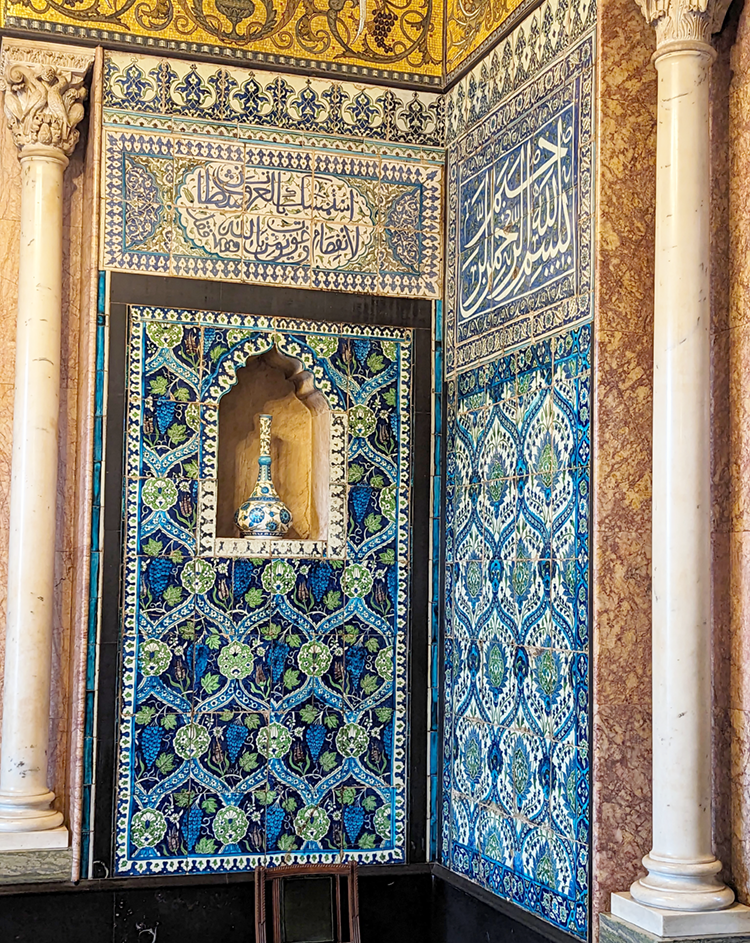
In 1864, Leighton purchased a vacant lot on Holland Park Road, a fashionable enclave of Victorian London artists soon known as the Holland Park Circle. He enlisted the services of a close friend from his days in Florence, architect George Aitchison (1825-1910), to design both the original house and the decade-later opulent addition, Arab Hall. Aitchison became a full member of the Royal Academy of Architects and a recipient of its prestigious Royal Gold Medal in 1898.
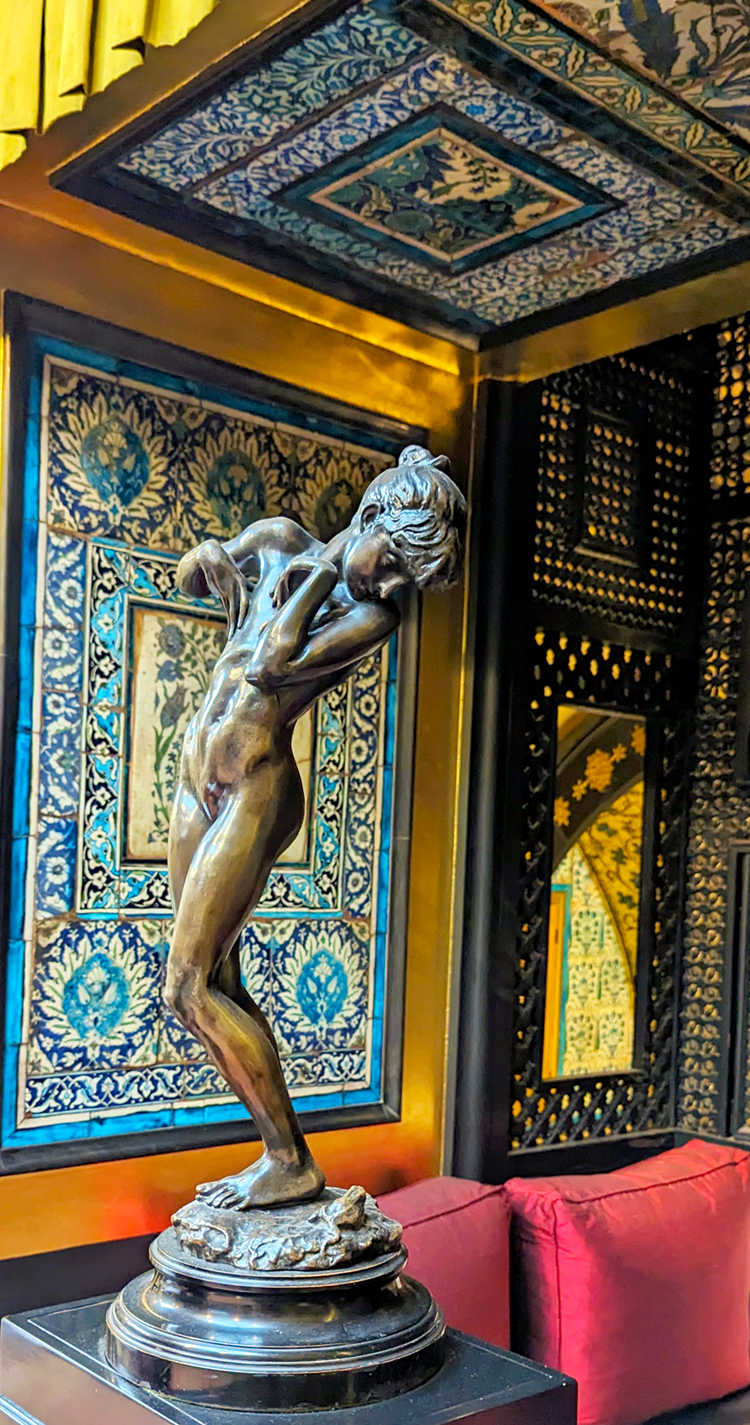


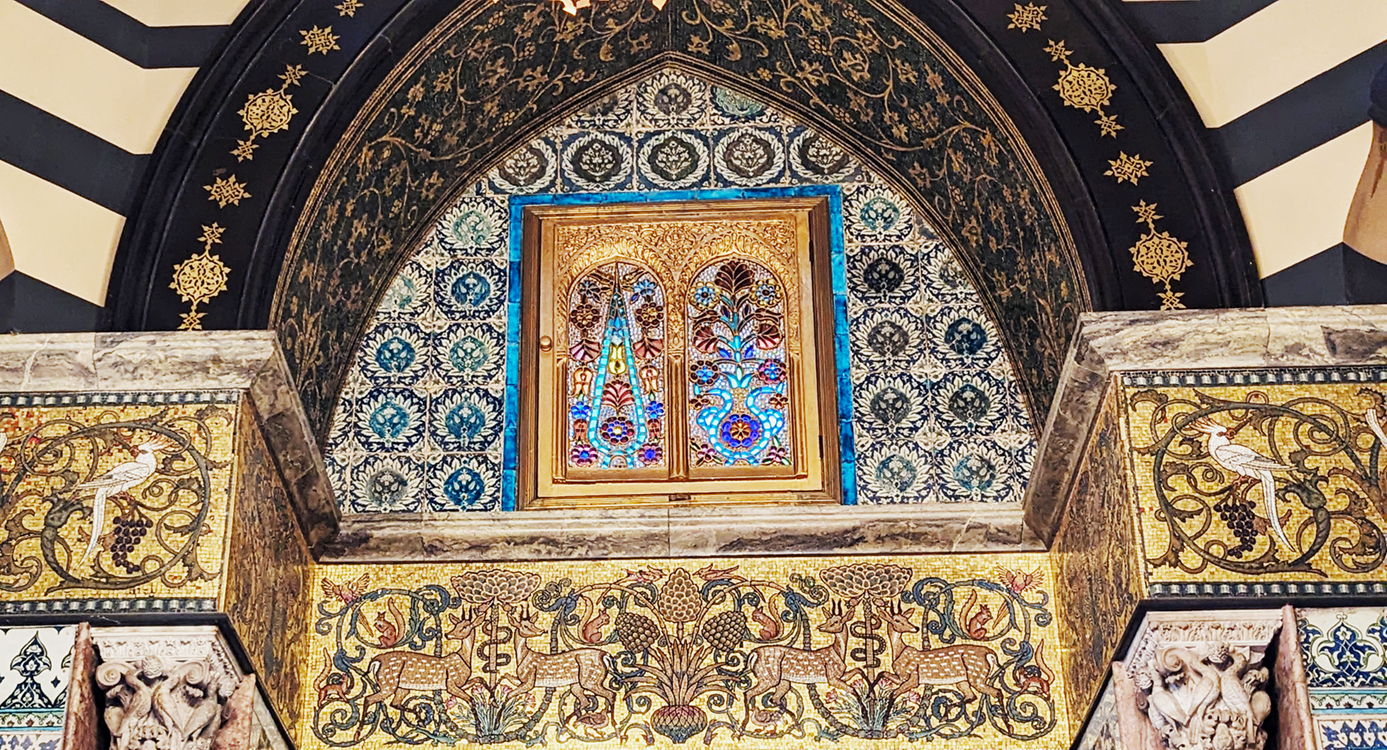
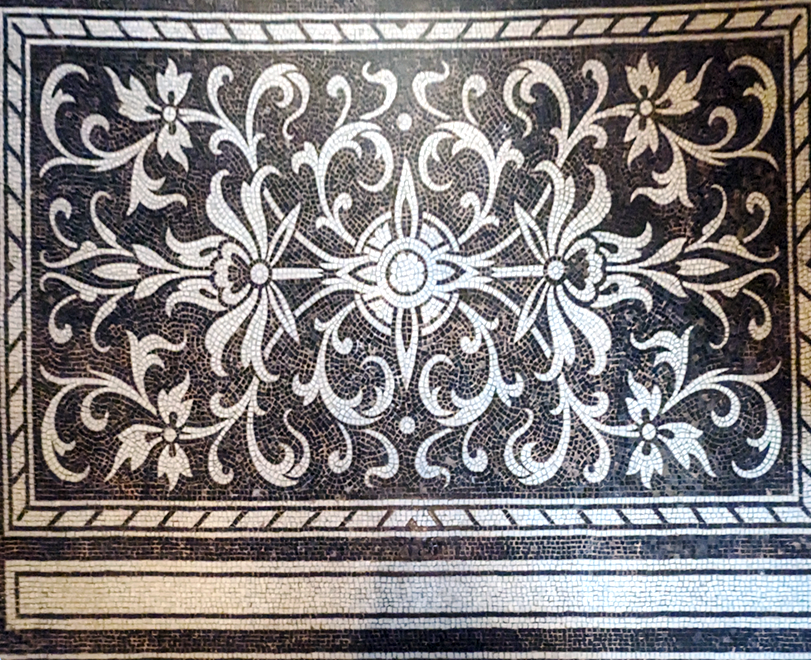
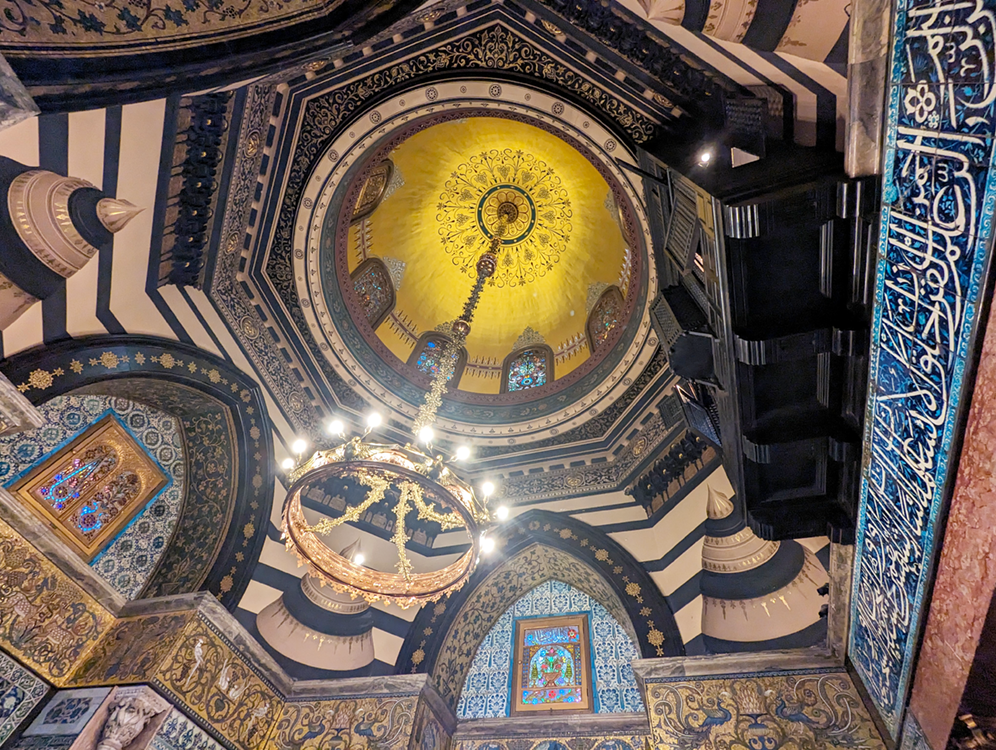




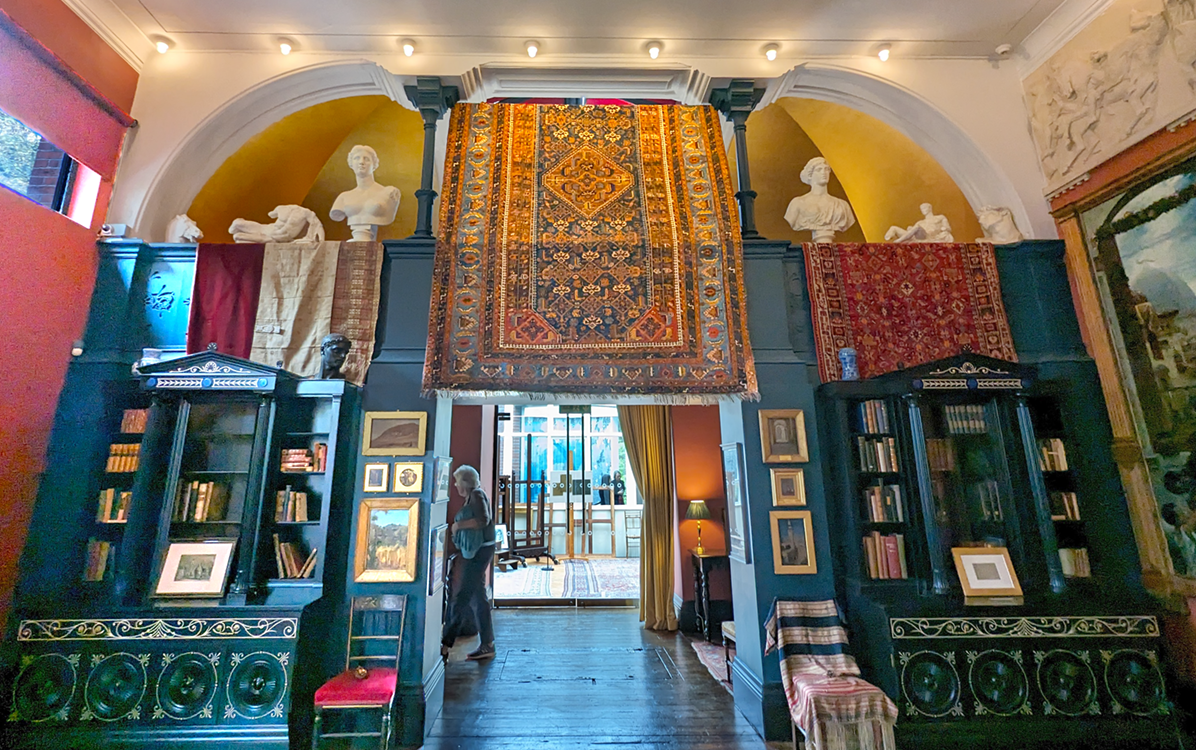
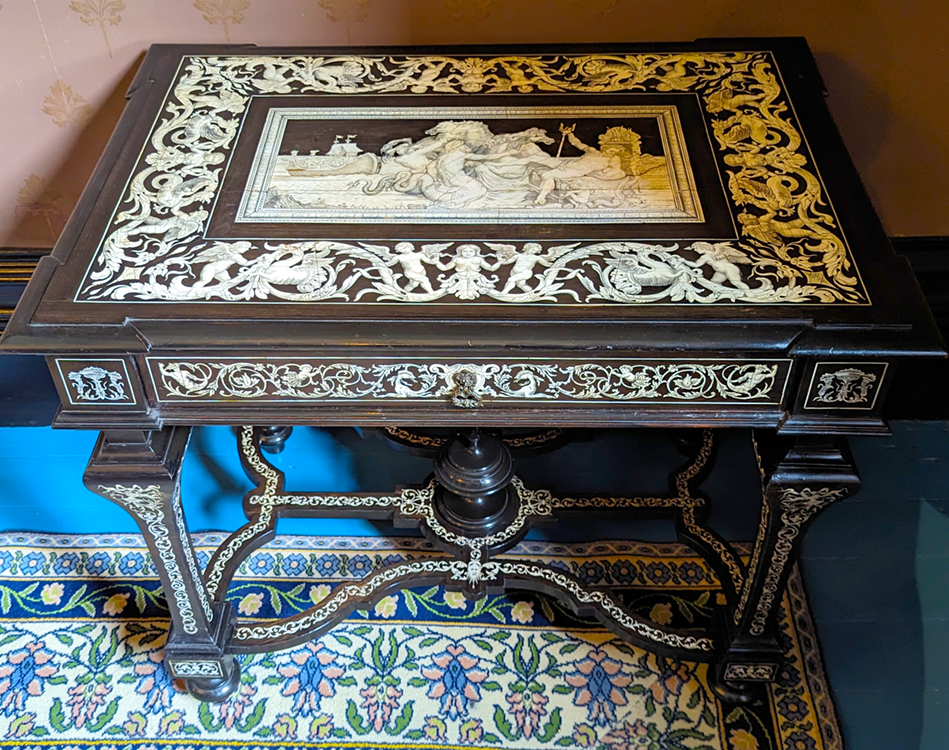

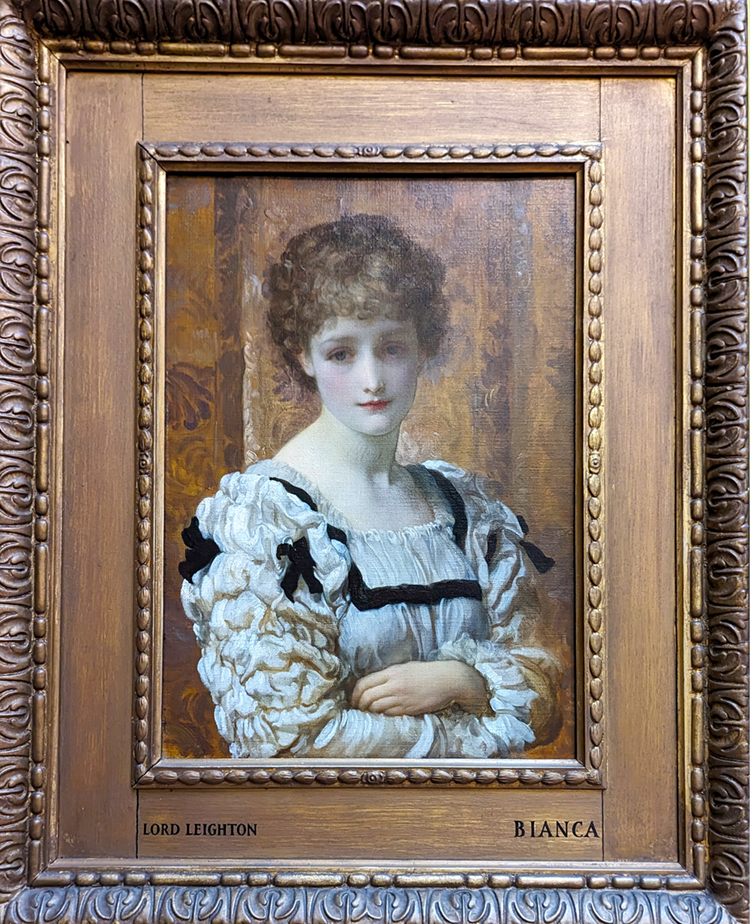
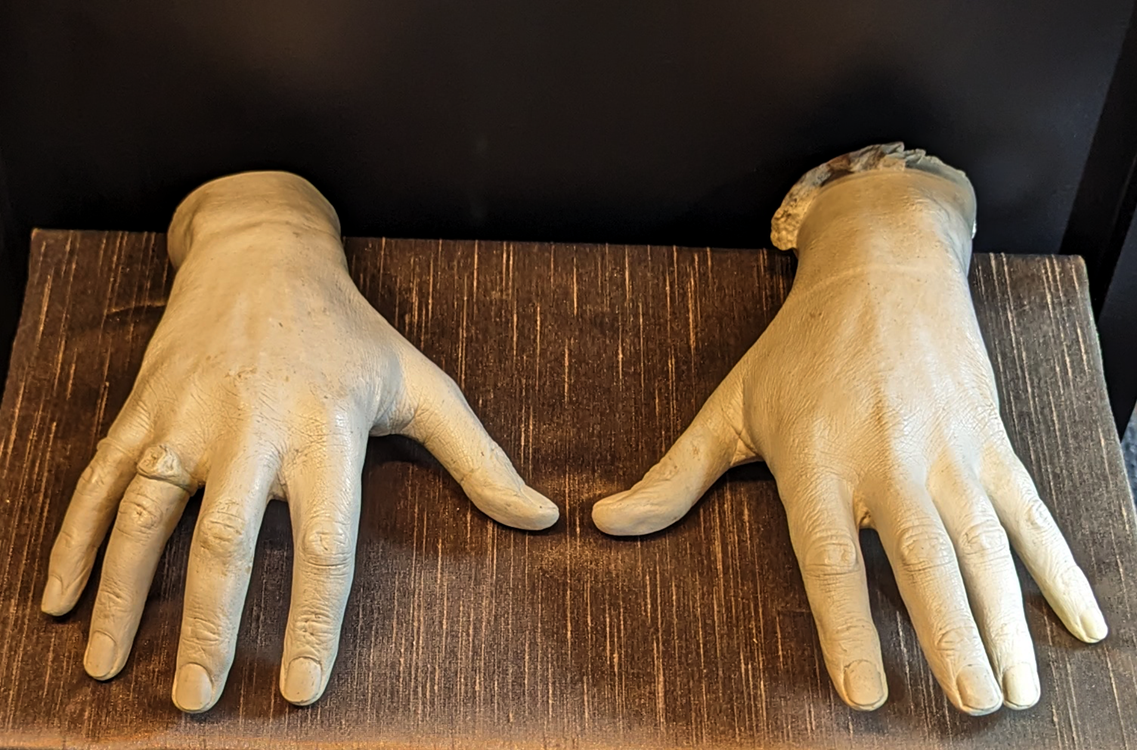
Leighton assumed the role of President of the Royal Academy of the Arts in 1878, and, shortly prior to his death in 1896, he assumed the title of Frederic, Lord Leighton, Baron of Stretton. He was memorialized by burial in St. Paul’s Cathedral. In the house museum, Lord Leighton is memorialized by the pale, eerie plaster casts of his hands made after his death.
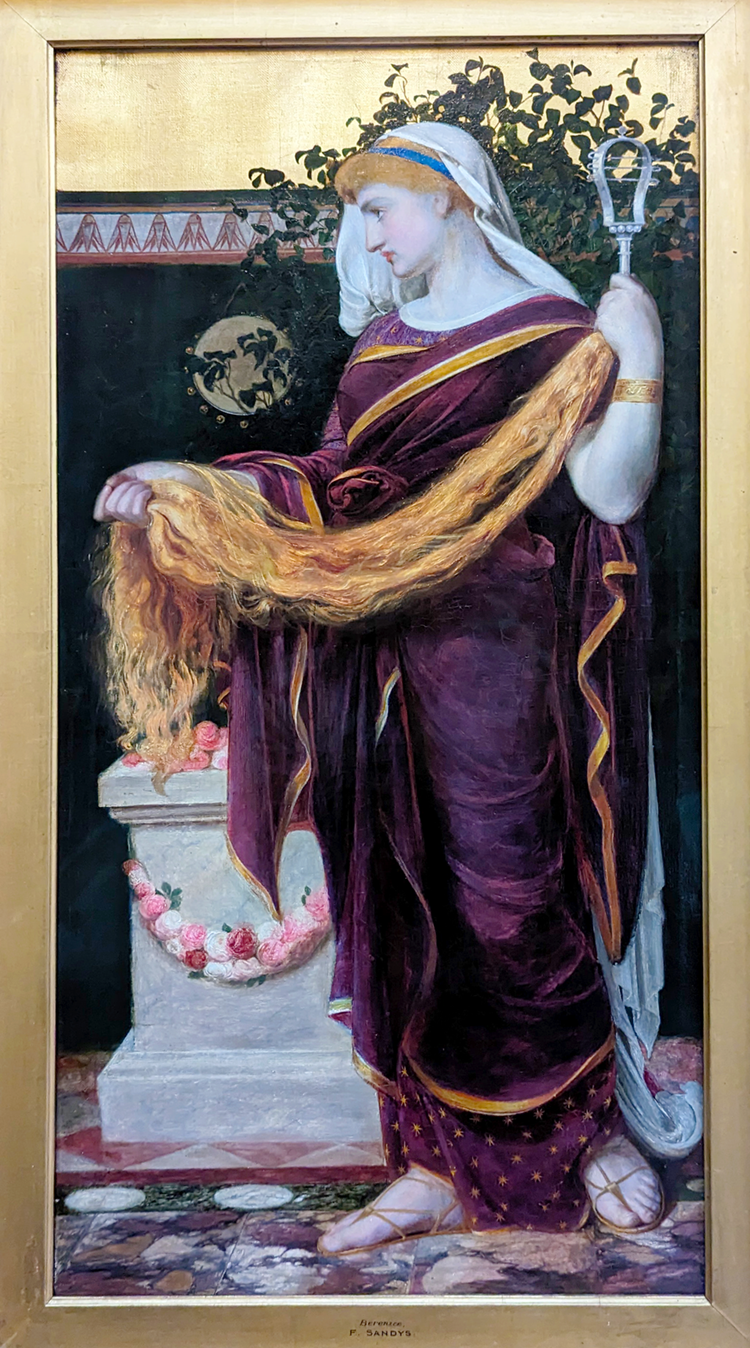
Only a few of his paintings remain in the house museum, as his two sisters, his heirs, found it necessary to assign his valuable artworks to auction. Despite his renown, Leighton managed to keep his private life well-guarded. But scholars still tend to pry into his past to heighten understanding of artistic life during Victorian times.
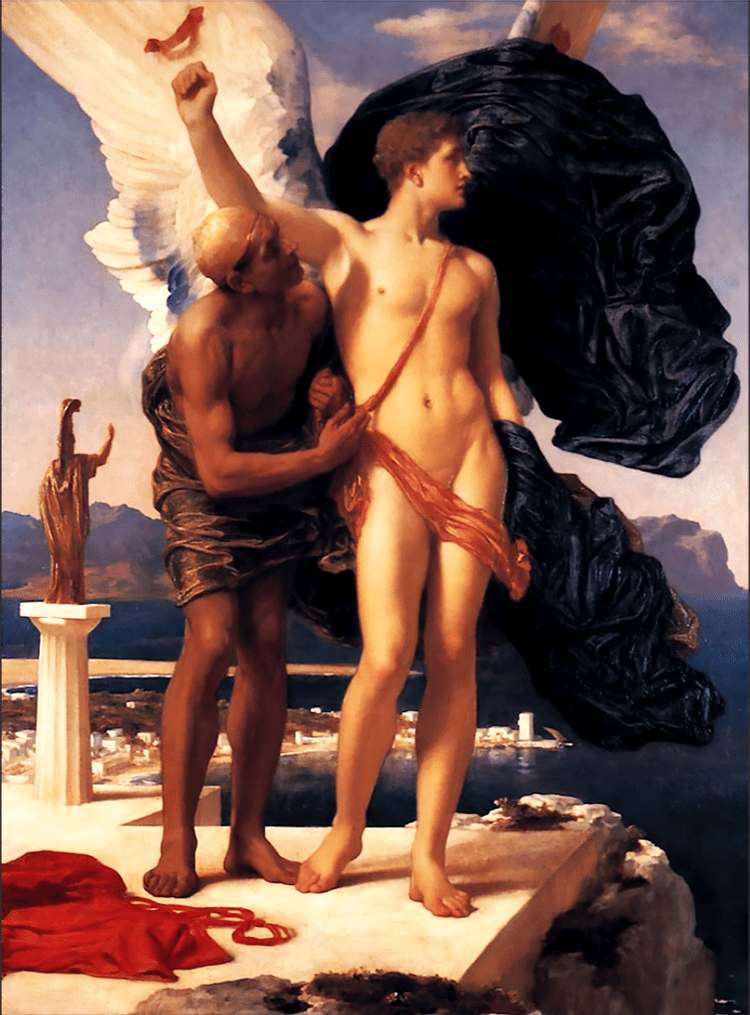
“In the 19th century, artists and writers increasingly used mythological subjects to sublimate – but also covertly express – homoerotic desire. A good example is Frederic Leighton’s painting of the elderly Daedalus attaching wings to Icarus, from around 1869. The theme and the younger man’s pose are classical…. Far from acting as a foil for sensuality, the classicism of this scene radiates eroticism: it is more than simply a picture of paternal solicitude.”
“How Artists Use Myth to Explore the Darker Side of Human Nature,” James Cahill, CNN Style, June 11, 2018
The Leighton House Museum is owned and operated by the Royal Borough of Kensington and Chelsea.
 Postcards from Barton Springs
[…] Entrance foyer of Leighton House Museum | Postcard […]
LikeLike