
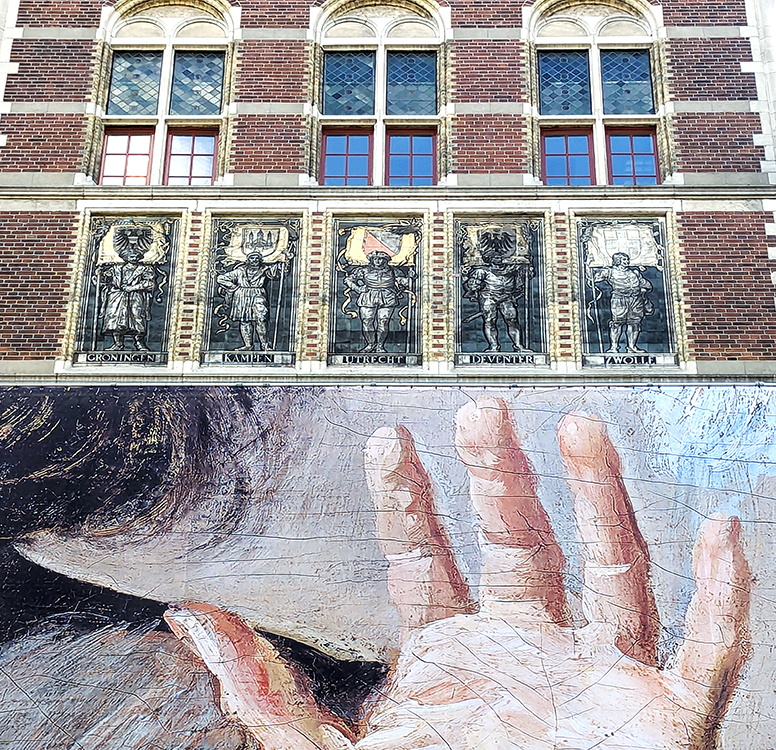
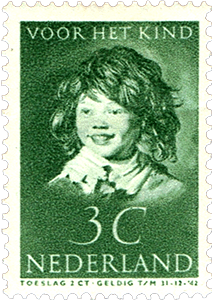
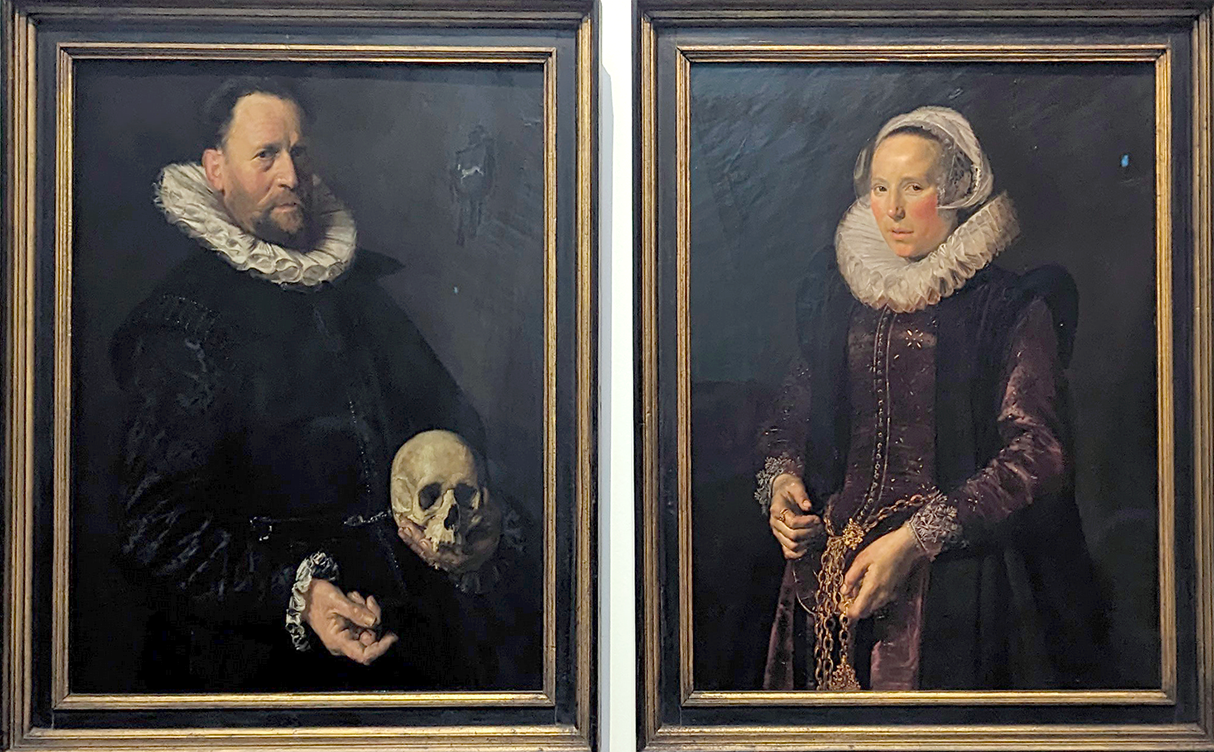
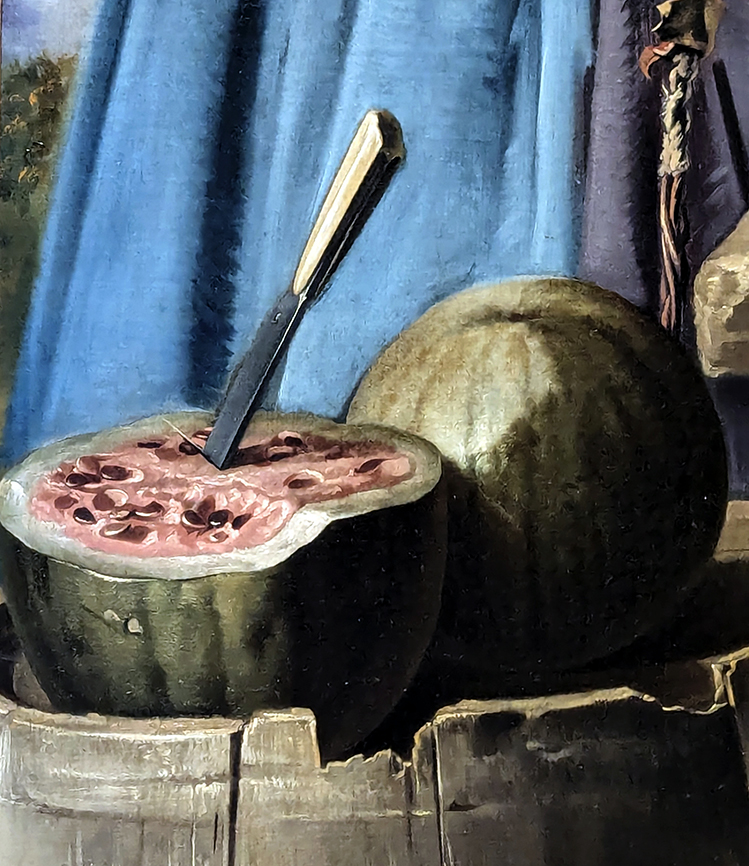
Above: A detail blown up from a painting by Frans Hals (1582-1666) stopped you in your tracks as you approached a retrospective exhibition of his works at Rijksmuseum.
Well, not only his hands, also what they hold. And the detailed footwear, lace, sleeves and ruffles. The subtle smiles and difference in his subjects’ eyes capturing individual personalities despite the similarities of fashion.


The positioning of their arms proved contagious, viewers echoing the Cavaliers’ stances while examining Frans Hals’ 1637 painting, “Militia Company of District XI under the Command of Captain Reynier Reael, Known as ‘The Meagre Company.'”

Prior to seeing the retrospective this past spring at Rijksmuseum, I must admit I dismissed his work. This was due to my over-exposure to reproductions of portraits of people with – to me – toothy, crazed-looking smiles. But I’ve warmed to them now.
These were his neighbors, the people he encountered in the streets, the markets and taverns of his native Haarlem. And they were sometimes the bread and butter for him and his fourteen children. Hals could use these paintings in exchange for bills he racked up at the bakery or butcher shop.
Frans Hals painted people from all levels of society, including stage actors and fishermen’s children. They often had big smiles on their faces. Laughing with your mouth open was considered bad manners in Frans Hals’s day. That’s why rich people were always portrayed with a straight face. Children from impoverished backgrounds, however, didn’t know better, so it was thought. They could be portrayed laughing out loud. Frans Hals must have realized that his signature brush strokes were perfect for these types of paintings. They were called tronies (meaning facial expressions) and were very popular at the time.”
Website of the Frans Hals’ Museum



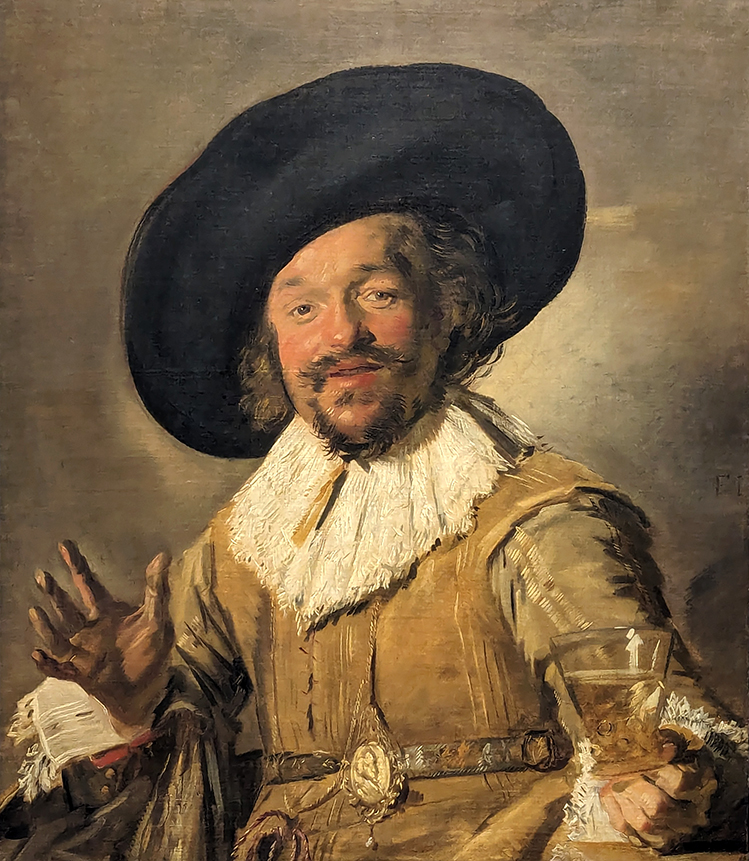
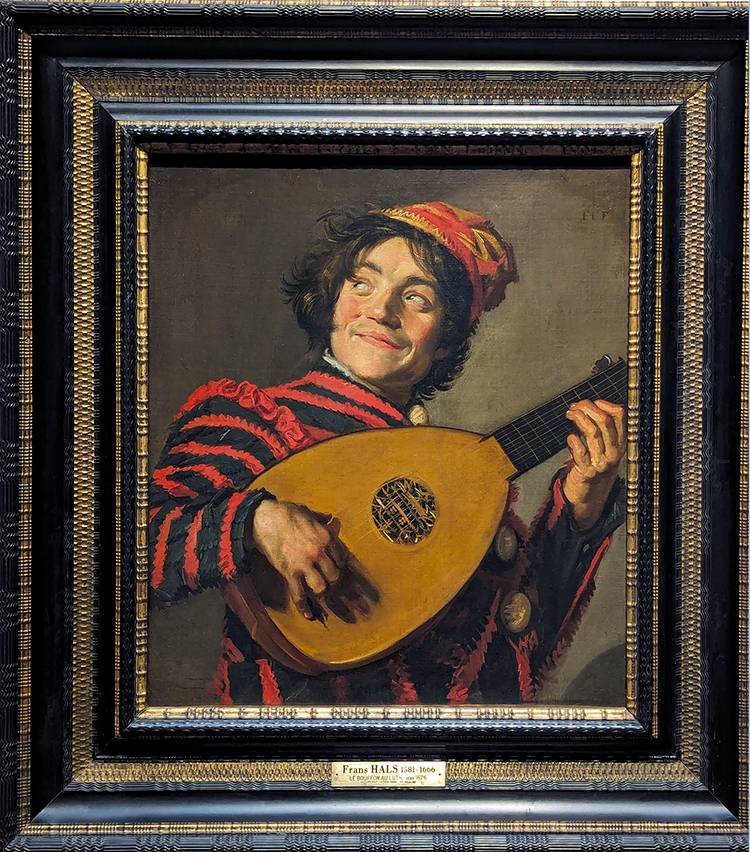


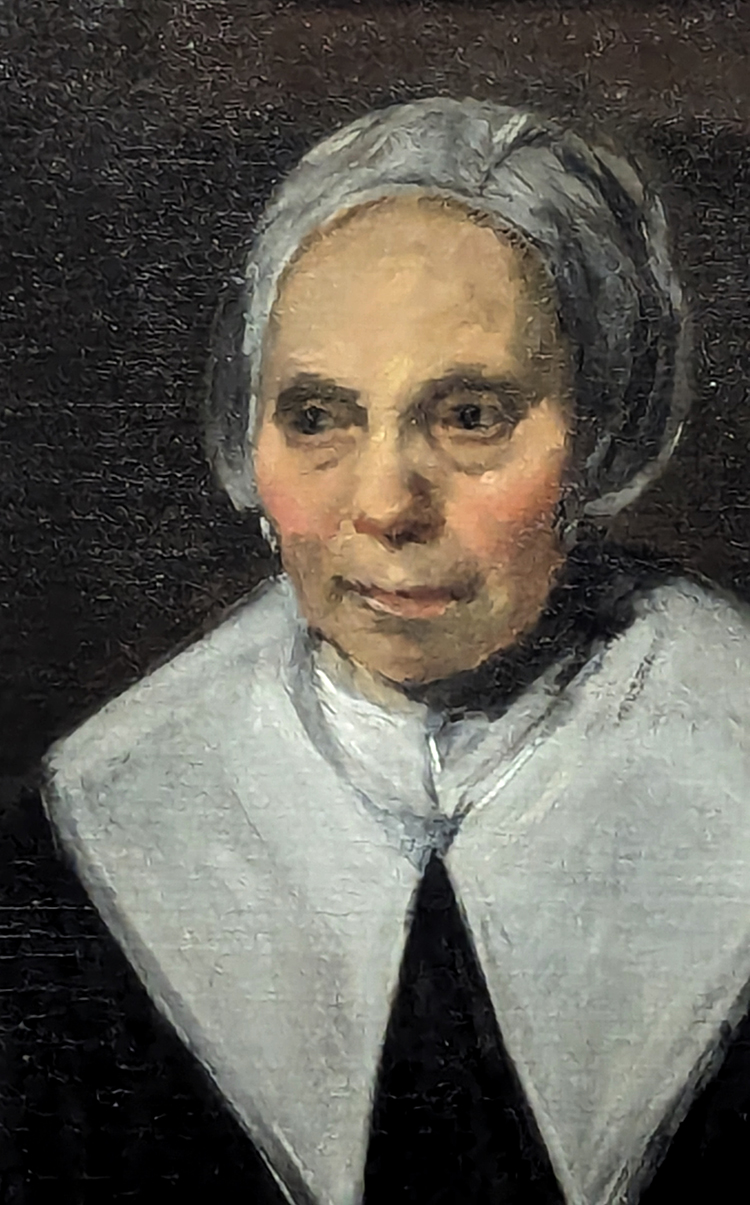
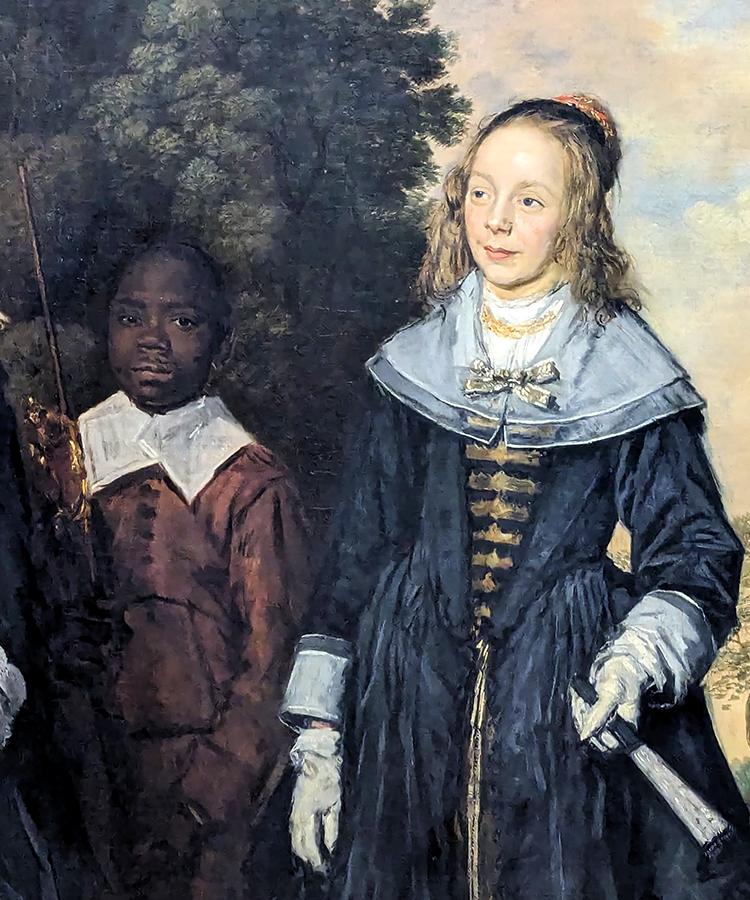


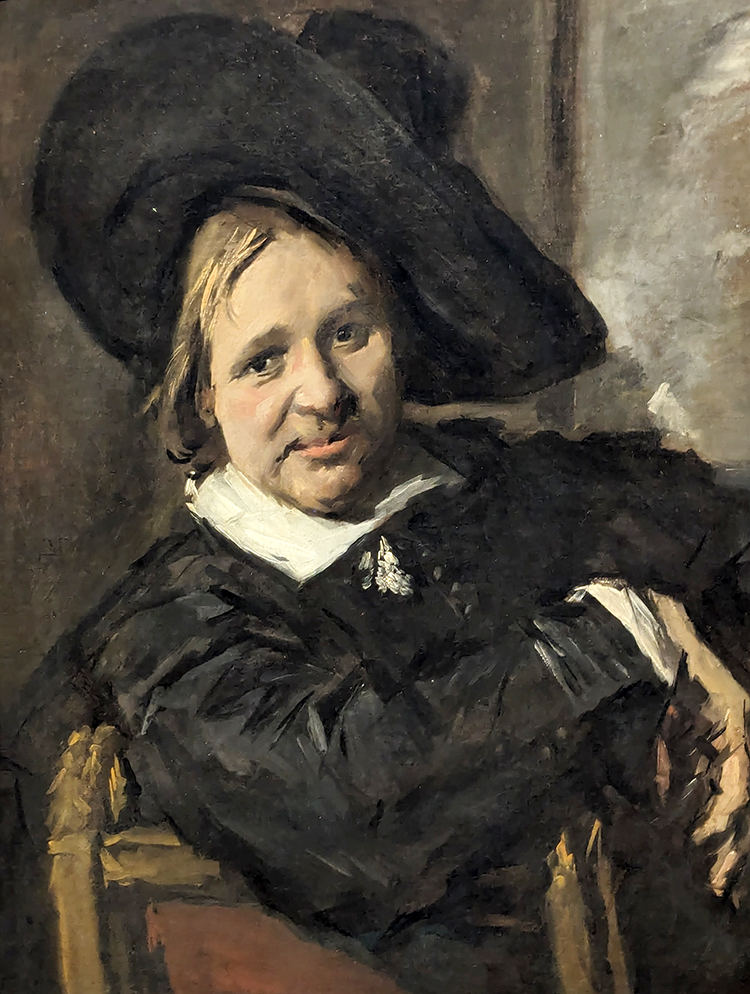


Hals could be regarded as a progenitor of the 19th-century Impressionist art movement. The Impressionists themselves would certainly have taken that view, given that the 17th-century artist was their great inspiration. Towards the end of the 19th century, Haarlem became a place of pilgrimage…. Vincent Van Gogh, James McNeill Whistler and Max Liebermann saw Hals as a kindred spirit and visited the city to see his work. They saw Hals as having painted portraits of people as they truly were, without embellishment or flattery. In their letters, notes and lectures, Impressionists pointed to Hals’s impact on their own development as artists.”
Website of the Rijks Museum
Despite all of his portraiture commissions, Hals’ existence always remained somewhat hand-to-mouth. In his eighties, he solicited and received financial aid from the city of Haarlem. Perhaps this was the reason one of his last paintings was “Regentesses of the Old Men’s Almshouse Haarlem,” a detail of which is shown at the bottom right of the above images.
Not sure how much he received for that commission or if it was in-kind for care, but he certainly would not be a pauper in the art world of today. One of Hals’ paintings sold for $14 million at auction. His “Two Laughing Boys with a Mug of Beer” was stolen for the third time in 2020 from the Hofje van Aerden Museum. Its value is estimated to be as high as $17.5 million.
 Postcards from Barton Springs