A 1911 postcard shows the beauty of the land in Brackenridge Park formerly owned by Helen Madarasz.
Time for the semiannual big-brother spy report on what posts you have been reading most during the past 12 months. As usual, you are all over the map, seemingly encouraging me to continue randomly sending postcards from San Antonio and back home no matter where we wander.
The mysterious murder of Helen Madarasz in Brackenridge Park rose to the top, which makes me wonder why ghost-hunters have not latched onto the story of Martha Mansfield. There are still some who pine to hear the San Antonio Song, a post from five years ago, but a few new posts squeezed into the top dozen. Hope some of you have found your way to dine in our favorite restaurants in Oaxaca, but my personal favorite entry about food in Oaxaca is on grasshoppers.
The number in parentheses represents the rankings from six months ago:
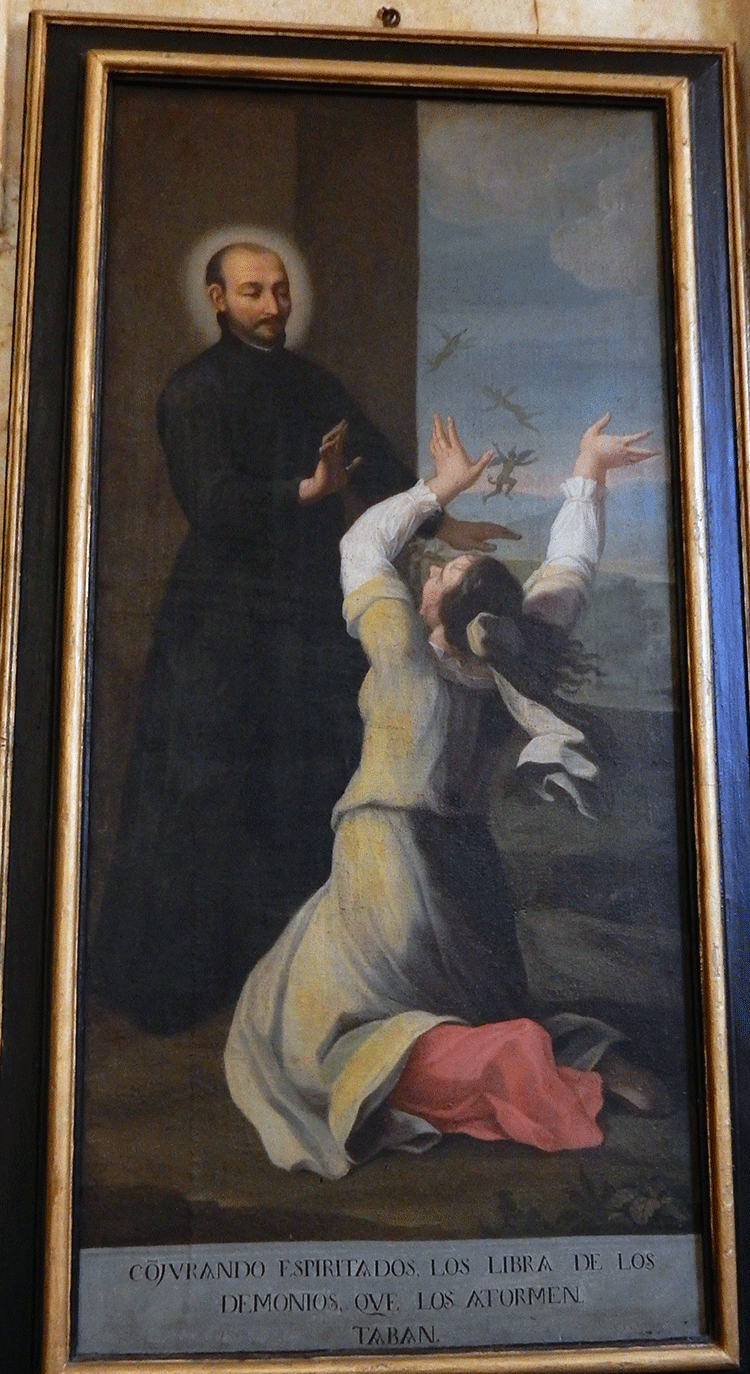
Paused a minute under this painting to see if it might miraculously sweep the cobwebs from the corners of my brain, clear all bats from my belfry.
And the red-hatted statue of Saint Jerome, the patron saint of librarians, symbolically perched amongst large clusters of grapes. Surely this means he will help me speed up the research and writing and bless the amount of wine needed to complete the story of the Coker community in San Antonio.
Blogging lags behind our trip home to San Antonio. In the “postcard” world, however, all aboard for the next stop. Madrid.
Thence up he flew, and on the Tree of Life,
The middle Tree and highest there that grew,
Sat like a Cormorant; yet not true Life
Thereby regaind, but sat devising Death
To them who liv’d….
Paradise Lost, John Milton
Satan disguised as a cormorant to spy on Adam and Eve in the Garden of Eden seems apt to me.
USDA photo
The gloomy-looking double-crested cormorants always spook me. They love to pose on the chains by the dam by the marina, stretching their pterodactyl-type wings as though offering to lift the chains for the barges to cruise right under, dramatically plunging to the level below.
I feel a little bit better about this display now that I know they have no oil glands to repel water; they have to spread their wings to dry out their water-logged feathers. They can’t help it.
But cormorants pop up suddenly from underwater, seemingly out of nowhere, as you walk along the river’s banks. Like Lola Fandango swimming in the tank in Where the Boys Are, these expert fishermen can hold their breath as they swim underwater for a long time. More than a minute.
Even one of river’s cormorants can give me the willies. That’s why this Hitchcock-like gathering of the birds on the Mission Reach seemed particularly ominous the other morning. For birds added to the list of those protected under the Migratory Bird Treaty Act in the 1970s, this had to represent some kind of major powwow. Fortunately, their eyes focused toward downtown, the water buzzards let us pass by them unharmed.
What could the convention of cormorants portend? The Irish part of me heaved a sigh of relief – at least the sea crows were not perched atop a church steeple.
Some cultures consider cormorants noble, but, while I’m trying to regard the glass as half-full, I can’t sell myself on that one.
Fishermen regard their sighting as good luck; the fish they seek should be found nearby. One plus for the cormorant.
According to the USDA, greedy cormorants keep fish from overpopulating the river. They actually are an environmental indicator species, meaning the environment of the Mission Reach is healthy. So our cormorants are bearers of good news. Chalk up one more for the cormorant, plus one for the work of the San Antonio River Authority.
In old Norwegian legends, a trio of cormorants bear messages or warnings from the dead.*
But we encountered a whole army of them ready to invade downtown. There were maybe 100 of them. Maybe even more than 200 (Okay, I’m not sure how many. But we definitely were outnumbered.).
But good ol’ Cliff helped me figure this out. Norwegians also believed the dead used the cormorant guise another way as well – so they could fly home for a visit.
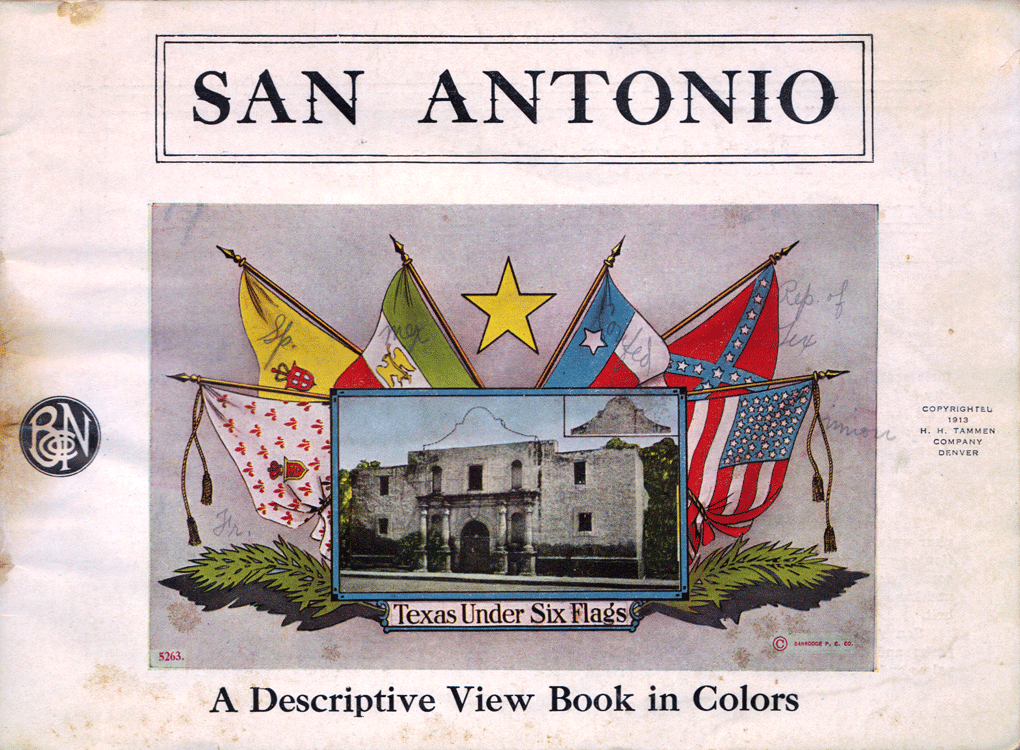
the noble spirits of defenders of the Alamo?
So, based on my extensive research, my interpretation of the meaning of the gathered army follows.
Obviously, those cormorants were the defenders of the Alamo, rising up to celebrate the anniversary of the defeat of the Mexican Army at San Jacinto in 1836.
What do you think of that brilliant idea, my friend, Phil Collins?
Fiesta San Antonio must be their favorite holiday for rising from the grave. Betcha they come back next year.
*I have to stop right here and make a confession to the spirit of Mrs. Masterson. Some of these concepts came from CliffsNotes.com. But I promise. I never opened one of those guides once in your class in high school. Not for Milton. Not even when Moby Dick threatened to swallow all time for social life. Plus, I knew you could smell a CliffsNotes’ idea in the answer to a discussion question before the ink dried. Toward the end of the book, though, I did start reading only every fifth chapter…. That was still a whale of a lot of pages.




 Postcards from Barton Springs