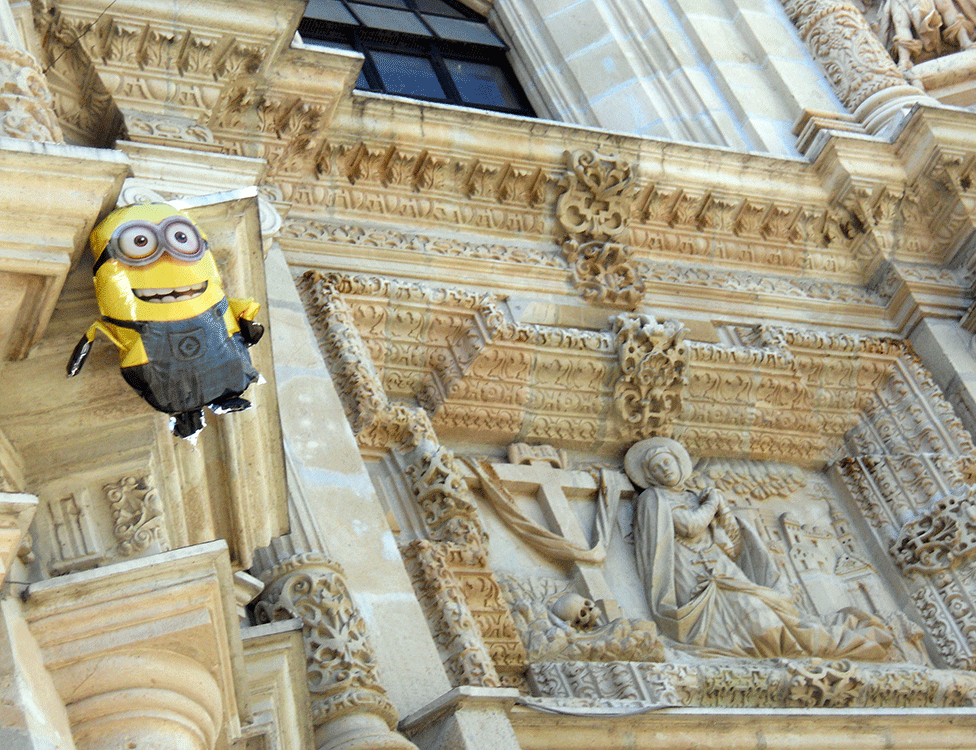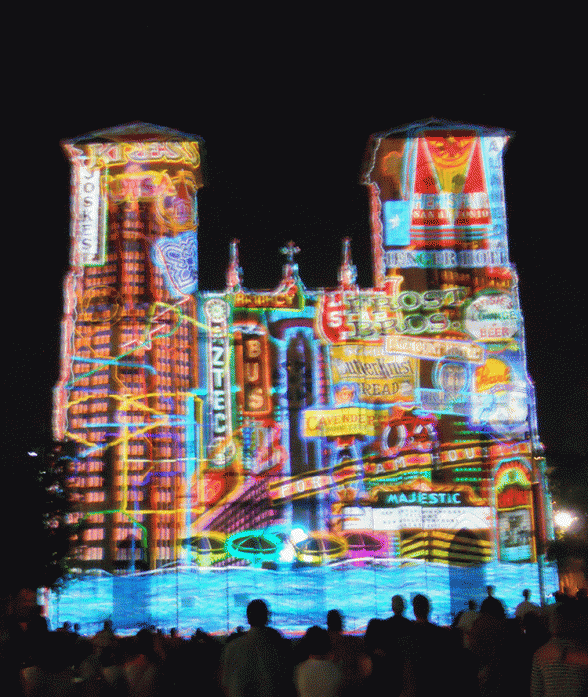
For me, the featured photo of this kaleidoscopic collage formed from relaxing strolls along the streets of Oaxaca symbolizes the vibrant, interactive role her churches and their plazas play in the daily lives of her inhabitants. People spill out from celebrations of Mass into a continual series of fiestas contributing to the constant changes of the tempo and mood of every corner of the city.
Category: Mexico
Postcard from Oaxaca, Mexico: Sarabia’s narco mixed-media tales fill second floor of MACO
One of the early mixed-media installations of Eduardo Sarabia, a native of Los Angeles living in Guadalajara, tapped into a journey sparked by his grandfather’s map of the rumored buried treasure left behind by Pancho Villa.
That and later stories are included in his current show occupying the entire second floor of the Contemporary Art Museum of Oaxaca (MACO). Traditional forms of Talavera pottery are transformed by symbols associated with narco-trafficking, contrasting the beauty of the culture with the dark undercurrents swirling underneath.
During a 2014 interview published on the website of the Arizona State University Art Museum, Sarabia reflected on the temptations posed by gangs when he was growing up in Los Angeles. A teacher noticed his talent and persuaded his parents to send him to Saturday art classes:
When both your parents are working and you grow up in a bad neighborhood, it is easy to get caught up in these things. Art saves lives.
Postcard from Oaxaca, Mexico: El Dia de los Rabanos
The deep red of radishes is appealing, but the wallflowers always remain in a lonely cluster on the relish tray as parties wind down. Strong on flavor, a little bit of radish goes a long way in a dish.
So the concept of a radish festival conjures up images of being force-fed radishes from one food booth after another.
But, lo and behold, a couple of centuries ago, some wise priest found a way to dispose of hundreds of radishes in one fell swoop. The padre elevated the slicing and dicing of the maligned root vegetable to an art form, challenging his indigenous flock to sculpt them into figurative works for a competition held right before Christmas.
And the unusual one-day arts festival, El Dia de los Rabanos, has been going strong ever since. So strong it attracts somewhere in the neighborhood of 100,000 people to crowd into the Zocolo and line up for hours on the night of December 23 for the opportunity to file by for close-up views of the elaborate displays.
We arrived before noon to observe artists assembling their exhibits crafted from radishes of all sizes – petite to nightmarishly huge. Other categories in the competition included corn husk and dried flower creations.
While it seems unfair to show the artists’ work before they were complete, these photos should give you an idea of how ravishing the finished radish sculptures would be. When we returned to the Zocolo last night, the huge crowd patiently waiting in lines snaking across to the adjoining plaza in front of the Cathedral made us thirsty. Photos of the finished displays will have to be viewed on other websites manned by more persistent fans who can resist that zesty Margarita’s call.
What appears at first glance to be festive banners flapping in the breeze behind the artists’ booths are not. Look again. They are banners bearing images of the 43 missing students from the state of Guerrero. Peaceful protesters’ pup-tents still occupy the heart of the Zocolo, even in the midst of the all the festivities.
But that’s always been part of the magic of the Zocolo in Oaxaca. The city’s main plaza is used by everyone. Seemingly incongruous activities occur simultaneously. Layers last night included the encamped normalistas in the middle surrounded by the radish booths, encircled by wandering vendors of rebozos and balloons, all surrounded by tables of diners and drinkers. A large musical troupe played exuberant holiday music, as a group transporting a statue of the Virgin aloft sang religious rituals outside a side door of the Cathedral only a few yards away.
And then add in thousands of spectators. Yet it was all easy to maneuver through.
The Zocolo accommodates and welcomes all, no matter what their reasons for gathering there.