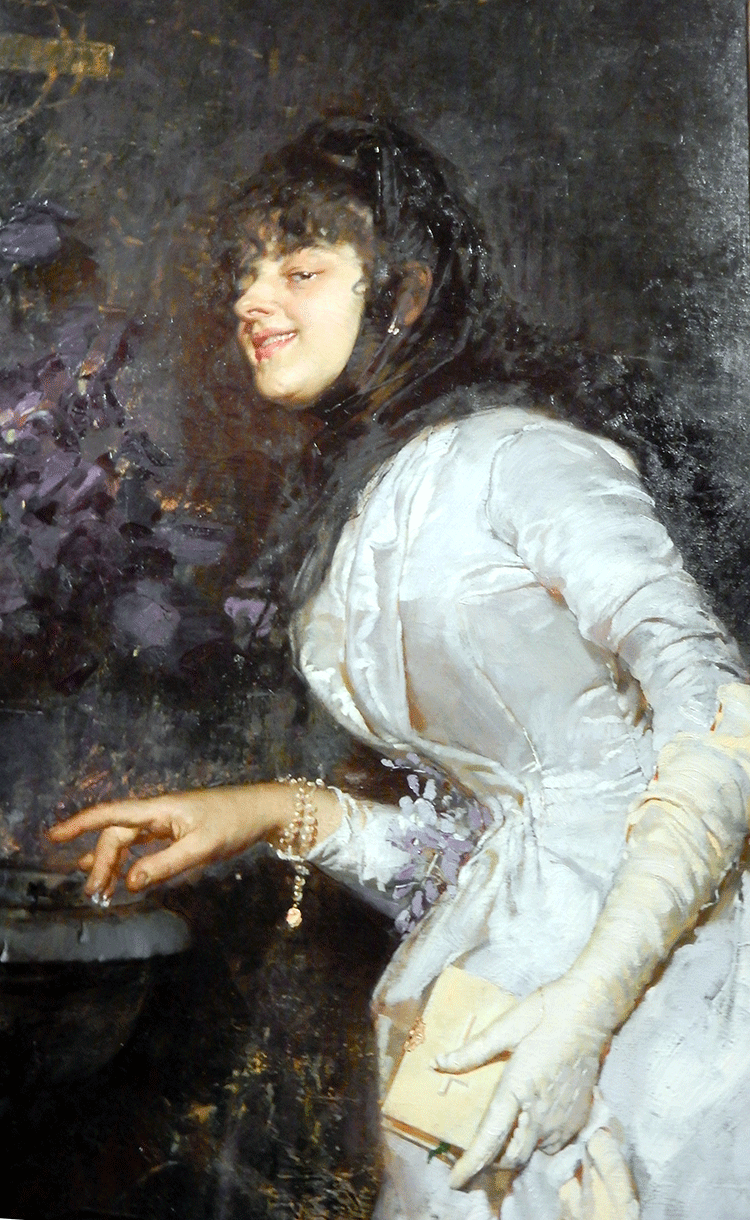
Detail of “The Devil and the Holy Water,” Salvatore Postiglione, 1887, Gallerie d’Italia – Palazzo Zevallos Stigliano
Inartistically and illogically clumping works from four museums in this one post – 15th-century religious paintings, a Joan Miro retrospective, a house museum, contemporary art. The museums are getting short shrift in treatment because they are the final ones the blog will visit in Naples before moving across the boot of Italy. The grouping does offer a glimpse of how diverse and rich the art offerings found in Naples are.

Gallerie d’Italia – Palazzo Zevallos Stigliano

Museo Diego Aragona Pignatelli Cortes

Joan Miro Exhibition, PAN – Palazzo delle Arti Napoli

Museo Diego Aragona Pignatelli Cortes

Joan Miro Exhibition, PAN – Palazzo delle Arti Napoli

Joan Miro Exhibition, PAN – Palazzo delle Arti Napoli

Carriage House cat, Museo Diego Aragona Pignatelli Cortes

Joan Miro Exhibition, PAN – Palazzo delle Arti Napoli

Joan Miro Exhibition, PAN – Palazzo delle Arti Napoli

PAN – Palazzo delle Arti Napoli

Museo Diego Aragona Pignatelli Cortes

Museo Diego Aragona Pignatelli Cortes

PAN – Palazzo delle Arti Napoli

“San Michele Arcangelo,” 1490, Museo Capodimonte

“Museum,” Paolo Vetri, 1875, Gallerie d’Italia – Palazzo Zevallos Stigliano

“Shock Wave,” Mario Merz, 1987, Museo Capodimonte

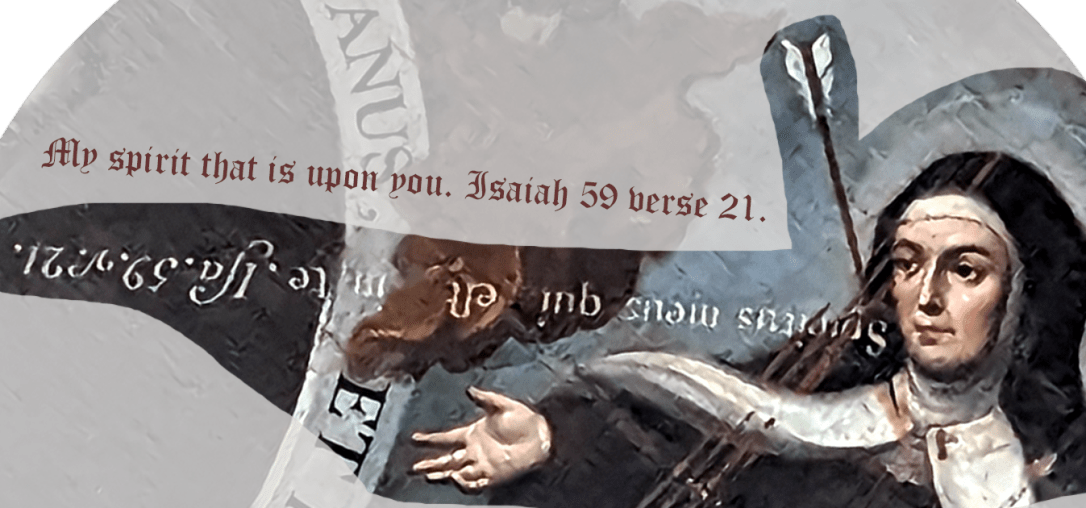
devilish detail, Museo Capodimonte

Gallerie d’Italia – Palazzo Zevallos Stigliano

Salottino di Porcellana, Museo Capodimonte

devilish detail, Museo Capodimonte

PAN – Palazzo delle Arti Napoli

Joan Miro Exhibition, PAN – Palazzo delle Arti Napoli

Salottino di Porcellana, Museo Capodimonte

Museo Diego Aragona Pignatelli Cortes

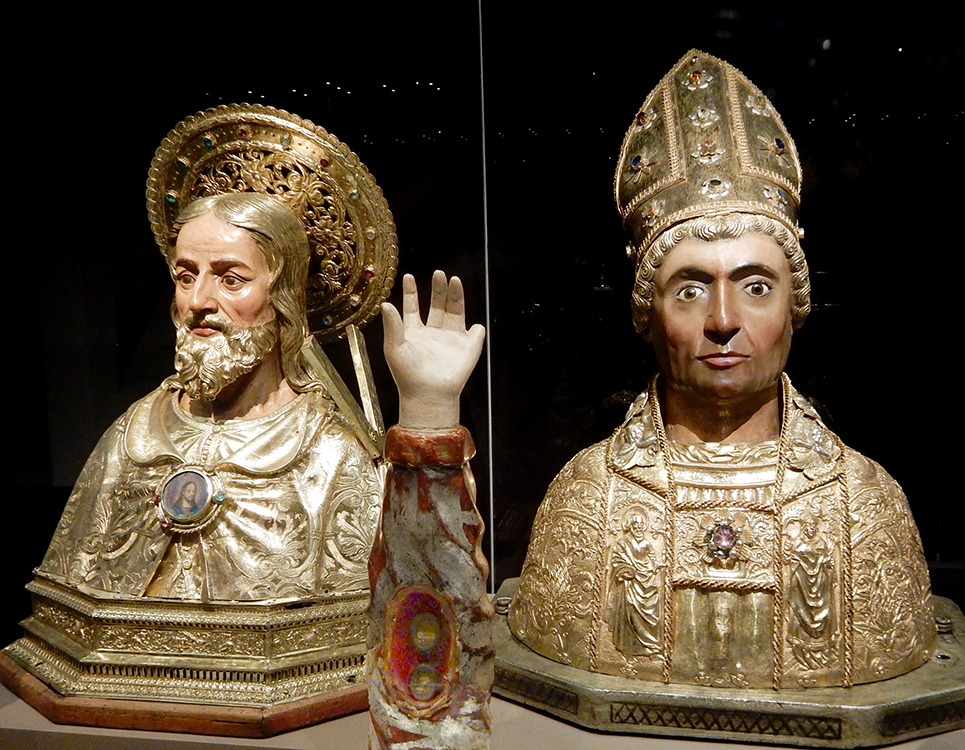
Museo Capodimonte

Gallerie d’Ilalia – Palazzo Zevallos Stigliano

Gallerie d’Italia – Palazzo Zevallos Stigliano
As is oft the case, our camera lens seems to often focus on the devils lurking in religious art, but what dark thoughts were in the mind of Neapolitan painter Salvatore Postiglione when he conceived of “The Devil and the Holy Water” are unclear to me.
I never had thought of holy water as dangerous before. But, indeed in hindsight, it should have been obvious that the Coronavirus devil was lurking in fonts at the front of Catholic churches everywhere. Catholics always pause to dip their fingers in the communal pool of water and immediately raise them up to touch their face to make a gesture symbolizing the Holy Trinity and baptism.
March brought the draining of the fonts, but how many viral contaminants were shared by the faithful by then? So very, very sad to think of those who might have been harmed by turning to their religious rituals for reassuring comfort….

 Postcards from Barton Springs