Postcard from Bologna, Italy: We did eat at more than one restaurant

Rightfully, Bologna is renowned for its food. And, although this postcard is a bit belated, I’d hate to leave one with the impression our only recommendation for those traveling there is E’ Cucina Leopardi. We truly did venture away from our favorite spot… sometimes.

The lack of pretension accompanied by a comfortable, casual hospitality made the small farm-to-table Osteria Marsalino a favorite. Bruschetta and daily pastas were ever-changing based on what was fresh and the chef’s mood. Our food always was perfect, and the complimentary aperitif at the end of the meal contributed to our loyalty.

Fresh organic products are stressed at the always bustling Alce Nero Berbere. One lunchtime option is to order the daily vegetable assortment, consisting of five or six separate small plates of varying salads, greens, beans and/or roasted seasonal fare. There is a movement afoot among chefs in Italy, which we first encountered at Borgo 20 in Parma, to fret about digesting pizza dough. Although we never have noticed this to be a problem, we certainly again enjoyed the results at Berbere.

This is Berbere’s complex explanation of what makes the restaurant’s pizzas so “light” and good:

One of the principal characteristics of Berberè pizza is the substitution of leavening with natural maturation: we don’t use chemical yeast, but rather living sourdough. This maturation process lasts at least 24 hours at room temperature and not in the refrigerator (hence it is “slow” pizza). Thanks to the skill of our pizzaioli and their passion for what they do, the quality of the base dough obtained with the starter and semi-whole grain stone-ground flours guarantees a high digestibility and a distinctive flavor, while the selection and mixture of flours other than wheat (spelt, enkir, kamut) offers alternatives that are interesting and diverse from an organoleptic point of view. Berberè’s pizza is therefore lighter, healthier, and better. And to optimize the digestibility of the pizza, the chefs at Berberè have successfully experimented with an innovative fermentation method, completely free of yeast, based on the physical process of starch hydrolysis.

We followed a herd of locals to get the prosciutto in which residents of Emilia-Romagna take such pride. After ordering an appetizer plate laden with the thinly sliced ham, we ordered what we thought was a plate of grilled vegetables at Pane Vino e San Daniele. What we didn’t realize is that bountiful servings of prosciutto cover everything on almost every dish, including the vegetables.

Of course, we enjoyed many pizzas, grilled vegetables, pastas, risottos and panini elsewhere in our wanderings throughout our month-long stay. But, not to offend the Bolognese, we did break away from the regional cuisine several times. For Indian food. Ristorante Indiano Taj Mahal rewarded us well for it. The Indian dishes were much better than what we have encountered in San Antonio and, as a bonus, represented an incredible bargain. And the owner was so friendly and gracious for our patronage.

Jumping back now to our task at hand, figuring out where we want to eat lunch in Campeche. A whole different world.
Postcard from Parma, Italy: City’s cuisine living up to its namesake ingredients

Chef Roberto Pongolini is among the growing number of chefs who walk away from the pressure-cooker kitchens of a Michelin-starred restaurant. The chef closed his La Cantinetta in favor of an intimate contemporary bistro, Borgo 20. The informal setting is extremely comfortable and affordable.

The riso al parmigiana di collina at Borgo 20 is without a doubt one of the most memorable dishes ever to enter my mouth. Similar to a risotto but made with parmesan aged 29 months (yes, it does only get more incredibly flavorful with age) spiked with smoky bits of crispy pancetta counterbalanced by the sweetness of a prune or two on top. A dish that certainly bore repeating on another visit.

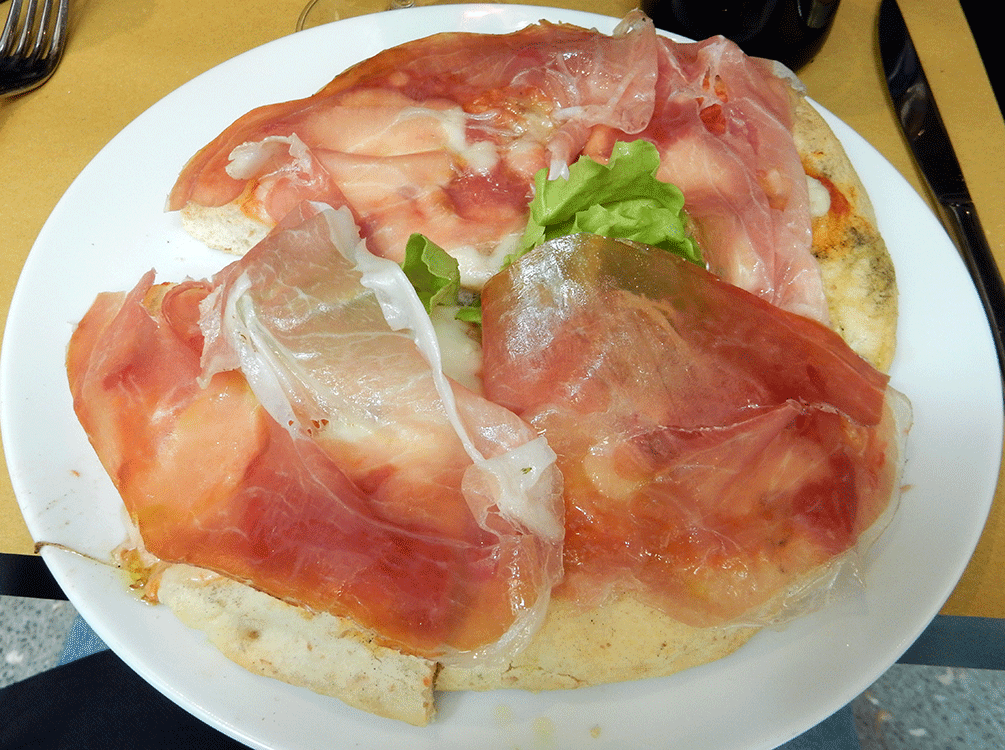
And the chef also bravely has tinkered with the traditional pizza, although the menu refers to its altered state by another name, pandiro, as a warning to purists. Using multiple grains and flours, the dough for pandiro lowers the speed limit of slow cooking. It is left to rise for five days with a wonderful result – a crust that somehow is rendered both thick and airy light, yet crispy on the outside. And, again, we had to have this more than once. We sampled one blanketed with Parma prosciutto and one with salad-like seasonal vegetables.

But wait, we also had our favorite dessert so far at Borgo 20. We have failed to become huge fans of Emilia Romagna’s Lambrusco, but Borgo 20 turns it into a refreshing, not-too-sweet sorbet topped with extremely drunken cherries. And, yes, it was just as good melting on our tongues on a subsequent visit.

Another neighborhood spot offering casual comfort at lunch time was Kimera. The squid ink pasta was studded with the contrasting paleness of tender calamari; fresh ricotta was smoothed into a rich tomato sauce in another pasta dish; and fresh asparagus brightened a creamy riso. A basil panna cotta was a perfect springtime dessert.

Normally, I wouldn’t include a first-stop restaurant selected only because it was nearby and we were starving, but Tiffany Wine Bar offers a surprisingly nice selection of salads. Thinly sliced bresaola, cured beef, served with fresh fruit and radicchio presents an ideal counter to so many regional heavy dishes. Tiffany also sits at a great corner for watching locals walk and pedal by on the narrow streets.

Trattoria Corrieri is one of the Parma classics that everyone says you must try. The massive gathering spot for huge tables of locals on weekends made for great people-watching, but we blew our ordering. We needed to order what they all did, but we placed ours before having time to spy on neighboring tables. This is the place to order heaping platters of thinly sliced meats and the traditional accompanying fried bread. Locals follow that course with a bowl of shared pasta. Mal-ordering aside, the convivial crowd made it worthwhile.

Our only stumble was our most expensive meal. In the kitchen’s defense, the owner (?) seemed to be having a bad day created by the police outside threatening to tow his car. The pretty salad was a great starter, but… amazingly for Italy, our pasta at the touted Gatta Matta was way overcooked. The pair of scallops in pureed cannellini was perfectly cooked, but even the pasta was overwhelmed by the quantity of the sparingly seasoned puree.

The photos above include shots of the huge wheels of parmesan cheese found at shops everywhere. Specialized stores offer primarily a combination of fine meats and regional cheeses.

And one thing we have yet to consume, at least not to our knowledge, is as prevalent as pork – horse meat. Parma does not shy away from its consumption. Not only is horse meat commonly found in butcher shops, but carne di cavallo in some format is on the menu of almost every restaurant in Parma, from the lowliest to toniest. The regional favorite is served tartar. Maybe next time?

For now, I’m dreaming of that Borgo 20 riso.


Postcard from Oaxaca, Mexico: Final flavorful food photos

Aside from Los Danzantes and La Biznaga mentioned in an earlier post, we patronized other restaurants worth suggesting. Again, will mainly let the photos do their own self-promotion.

  • Mexita Restaurante definitely is in the running to become a place we enjoy going to multiple times during a trip, but, alas, we didn’t visit until the last week. In the past year, the Italian restaurant moved out of the historic center to the Reforma side of the city, which seemed to have changed the profile of its customer base from overwhelmingly American to mainly Mexican. The individual-sized arugula salad is ample for two, and we split a stunningly gorgeous seafood pizza.
  • We fell in love with Origen a year ago, yet only went once this time. We loved the casual intimacy of the small inner courtyard, where you could feel the chef-driven kitchen pulsing beside you. Now there is a more formally appointed dining room upstairs. The innovative takes using regional Oaxacan ingredients were still beautifully prepared and are recommended, but we ourselves were unprepared for the stiff, more traditional atmosphere.
  • Café Bistrot Epicuro offers Italian Mediterranean dishes in its quiet interior. Its grilled shrimp and calamari platter and its seafood linguini are well presented, but my favorite part is the eggplant amuse-bouche. More please.
  • La Teca is a homey spot. Because it is actually a home. Pass through the tables set up in the almost garage-like entryway if the front door through the family’s living room is not open, and head back to the pleasant little patio. The food presented is Istmos-style. Unless you haven’t eaten in days, don’t be persuaded to order the works. The multi-course meal is both too expansive and expensive. The food is heavy, so stick to one or two items al a carte.
  • Gourmand Delicatessen presents a major change of pace. The small deli is a spot we order whole Spanish tortillas to take home for breakfasts or dinners. Sandwiches, sliders (particularly the eggplant one) and salads are all good, and Gourmand bakes their own rolls and bagels.
  • We keep looking for a good Sinaloan seafood spot in Oaxaca. We tried off-the-tourist-track Don Camaron this time. The ceviche was good, and the smoked marlin taco was something I’d never had before. But maybe one of the places with the lines running out the doors on a Sunday might prove more atmospheric.
  • A bright interior cozy patio surrounded by a book store characterizes La Jicara, offering numerous vegetarian options. The lentil and carrot tostadas were wonderfully refreshing.
  • Not a destination if you are on the other side of town, but the little Trattoria y Pizzeria fronting Conzatti Park is a nice neighborhood pizza place. The apple and gorgonzola pizza was simple and had a wonderfully thin crust, and the server delivers an amazingly addictive dish of olive oil loaded with thin crisp slices of caramelized garlic as a complimentary starter.
  • We loved picking up earthy breads from Pan y Co, and would pick up freshly roasted and ground coffee from a shop on a pedestrian plaza-like street running off Los Arcos and almost next door to chef Susannah Trilling’s new storefront offering her Seasons of My Heart moles and chocolates. So new even her website doesn’t list it and its address yet, and so new she herself was standing in it arranging things and talking to us about her products and classes. Sorry, those aren’t very helpful directions…. Maybe next time, in addition to wining and dining, I’ll break down and take one of her cooking classes.