If peculiarities were plumes, San Antonio would be a rare ostrich*

*With apologies to William Sydney Porter (O. Henry) for lifting his sentence from “Retrospects and Prospects” and turning his porcupine into an ostrich to suit the Author’s own selfish purposes.

Few people pause to read acknowledgments at the end of a book, so the Author is plucking them out of An Ostrich-Plumed Hat, and Yes, She Shot Him Dead and plopping them right here, front and center. The Author wants you to understand her lengthy journey and who helped her along the way.

Continue reading “If peculiarities were plumes, San Antonio would be a rare ostrich*”

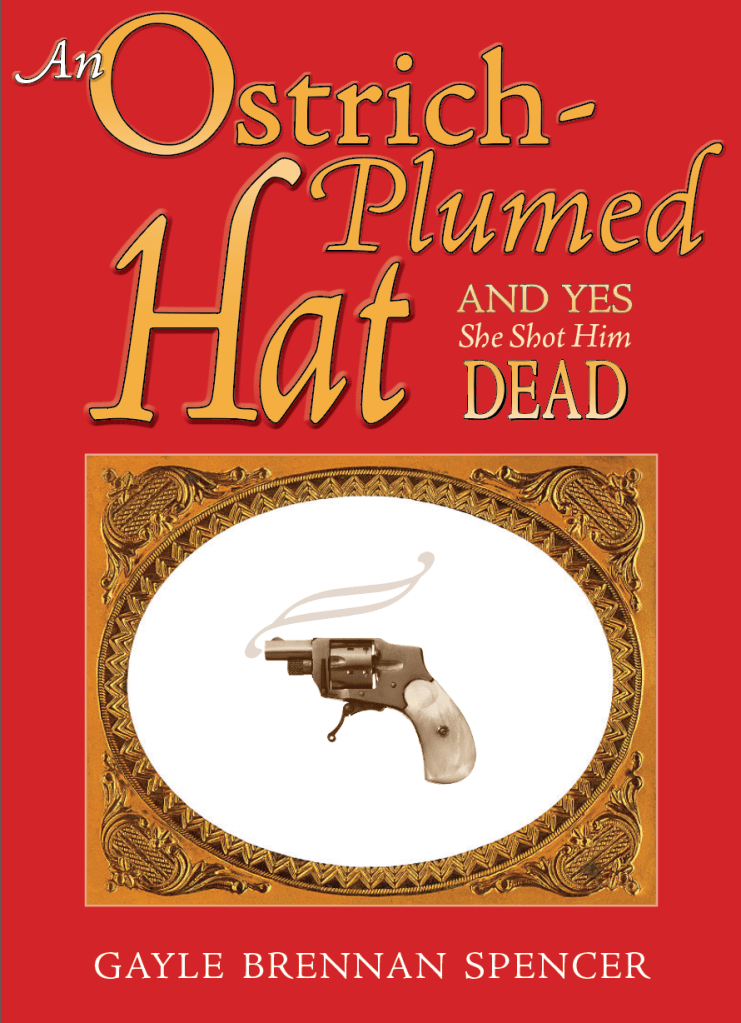
An Ostrich-Plumed Hat, and Yes, She Shot Him Dead

An Ostrich-Plumed Hat

There were presumably numerous perks to plunging into an affair with one of the wealthiest men in San Antonio. Having to stand trial for his murder is not one of them.

A true story is the basis for a “truthful” novel – An Ostrich-Plumed Hat, and Yes, She Shot Him Dead, released today via Amazon Kindle.

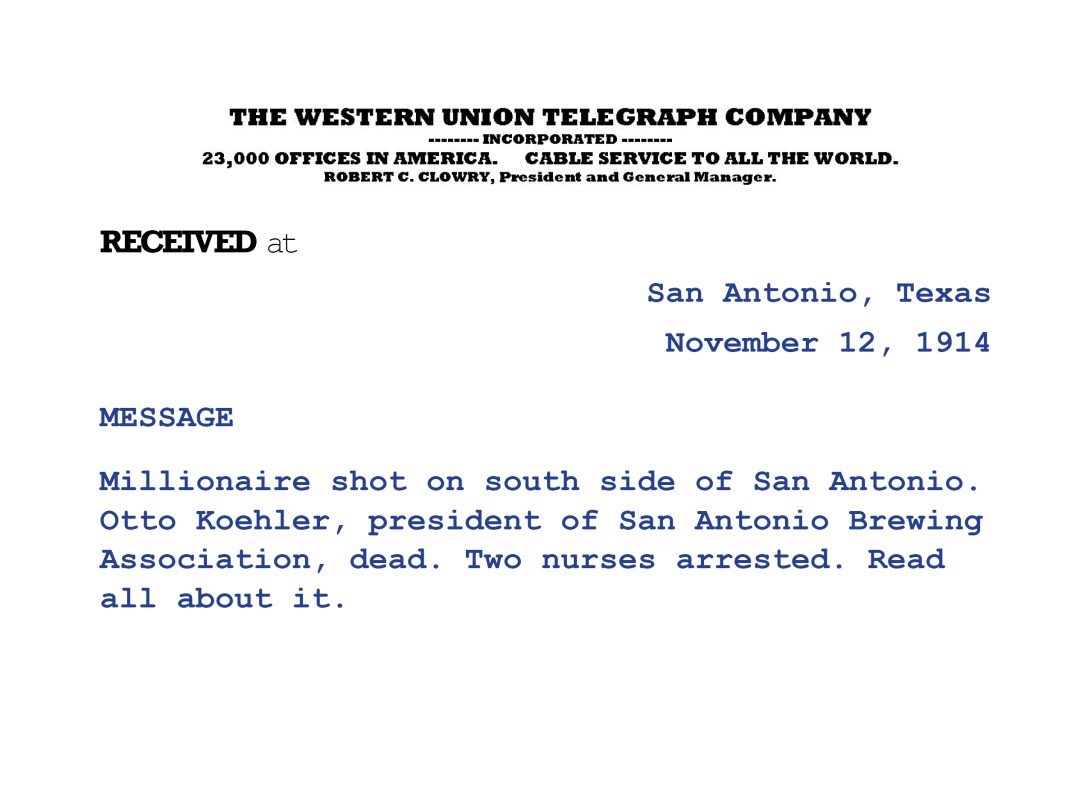
In November 1914, Hedda Burgemeister shot Otto Koehler dead in her bungalow on the southside of San Antonio—a cottage that was a gift to her from the victim. A self-made man, the German-born millionaire was president of San Antonio Brewing Association, as in Pearl Beer, and was prominent in civic and social circles. A trained nurse, Hedda was a more recent immigrant from Germany.

Was it murder or self-defense? How could Hedda possibly expect to receive a fair trial when the corpse in her bedroom owned the town—when the shooting was so sensational, it made headlines in newspapers throughout the country? Haunted by nightmares about a recent public hanging, the frightened young woman opts to run. It will be another four years before she voluntarily returns to stand trial.

Continue reading “An Ostrich-Plumed Hat, and Yes, She Shot Him Dead”

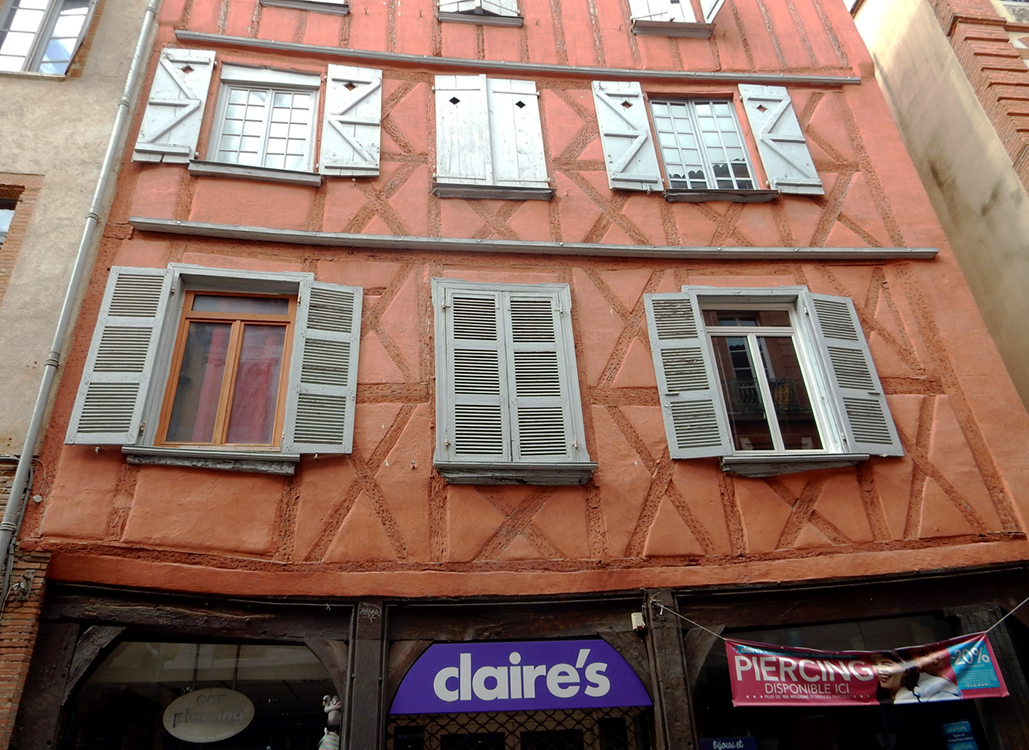
Postcard from Toulouse, France: Brick and timber swaybacks still standing

After the aristocratic, monochromatic ashlar (of large cut-stone masonry) buildings lining the streets of Bordeaux, walking the streets of Toulouse is like a double jolt of espresso. Yes, there are a multitude of stone-faced structures of the same period of affluence as those in Bordeaux, but there is also brick, tons of it. Often brick is laid in striking patterns contrasting the red with stone.

But, for now, I’ve isolated a few of what certainly appear amongst the oldest group of structures in the historic center of Toulouse. Without turning to experts to verify in each of these cases, these half-timbered houses with brick infill probably date to the 16th century. Several are constructed of Roman brick, shorter in height and wider than more “contemporary” brick.

Continue reading “Postcard from Toulouse, France: Brick and timber swaybacks still standing”