Postcard from Palermo, Sicily: Architectural and actual gems of Monreale

Above: Monreale offers a sweeping view of Palermo from the mountains to the sea.
The immensity of the 12th-century Benedictine cloisters adjacent to the Cathedral of Monreale is best grasped when viewed from the church roof. Walking around the monastery’s inner courtyard, graceful arches supported by pairs of delicate columns evoke a sense of intimacy.

The craftsmen erecting these did not apply a cookie-cutter approach to their construction process. I don’t believe the figurative designs of a single capital is repeated, and many columns boast colorful mosaic inlays. Perhaps these were meant to entertain restless monks not always keen on completing the requisite number of daily contemplations.

Continue reading “Postcard from Palermo, Sicily: Architectural and actual gems of Monreale”
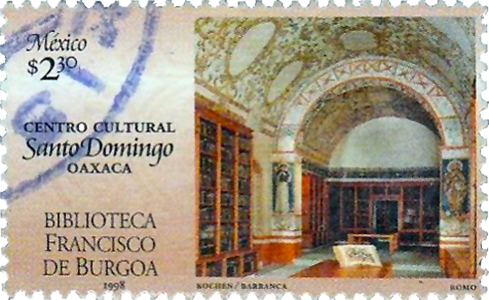
Postcard from Oaxaca, Mexico: Santo Domingo wears her age well

Above: Detail of a side altar of Templo Santo Domingo de Guzman

Spare words are being offered. We have visited Santo Domingo so many times through the years, yet we are still always gob-smacked by her beauty.

Many others are as well, making the dawn-of-the-17th-century Baroque church a magnet for destination weddings. A four-year age-defying face-lift undertaken in the 1990s successfully masks her age.

Continue reading “Postcard from Oaxaca, Mexico: Santo Domingo wears her age well”

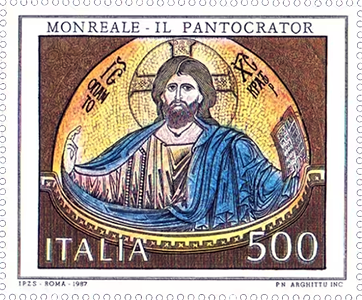
Postcard from Palermo, Sicily: Gleaming mosaics of Monreale

Above: Byzantine-style 12th-century mosaics relate Biblical stories inside the Cathedral of Monreale

Tired from a day of hunting in the woods of Monte Caputo above Palermo, King William II (1153-1189), later known as William the Good, lay down under the shady canopy of a carob tree. He was awakened from his nap by a vision of the Virgin Mary, and she requested he build a church on that very spot in her honor.

This meant the tree had to go, but, when it was chopped down, lo and behold, a golden treasure was found amongst the roots. Gold to fund the project. According to legend.

William the Good commissioned a mammoth church and a Benedictine abbey for Monreale. He gifted the church in honor of Santa Maria Nuova, a contributing factor to his reputation as good, forever distinguishing him from his father, referred to as King William the Wicked (1120-1166).

Continue reading “Postcard from Palermo, Sicily: Gleaming mosaics of Monreale”