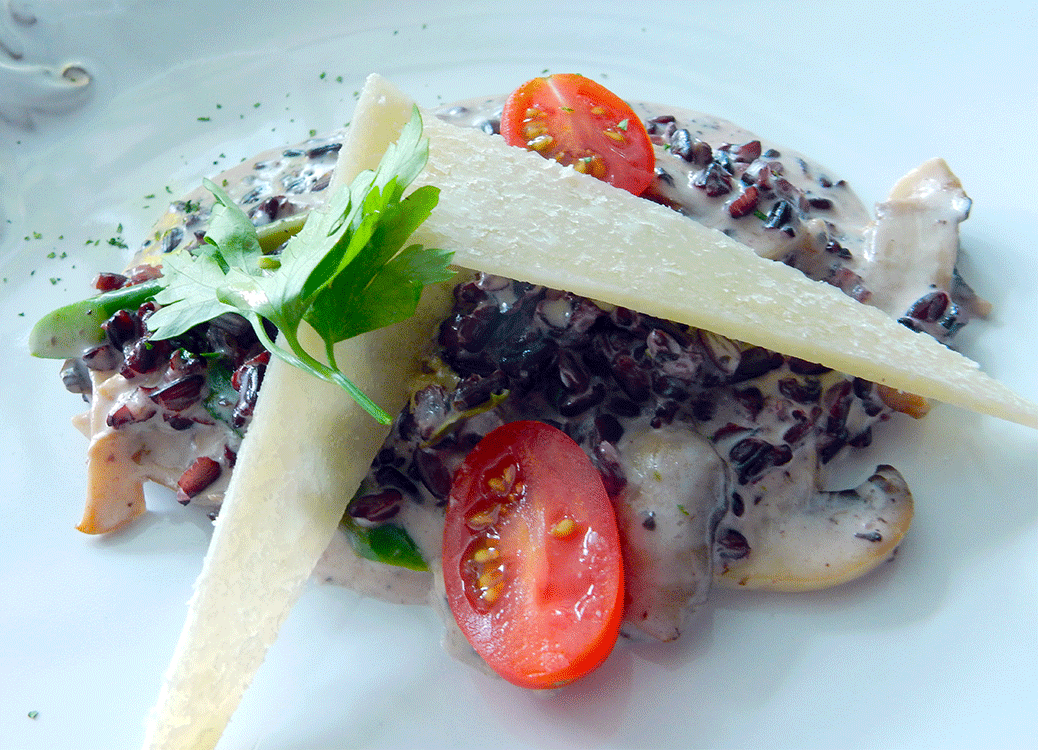
The creamy rich black rice risotto above was one of the best risotti we had in Italy. Wait. We were not in Italy any longer. We were in Guanajuato.
But Peccato di Gola is so good, I dare plop a post about it right here in the middle of “postcards” from Italy. We went to Marfil on the edge of Guanajuato to visit the Casa Museo Gene Byron (more to come about it after delayed Italian posts are delivered). People rave about the food at the museum’s restaurant, but it was closed on a Monday – often an issue when traveling.
So we walked past the ancient dam to the other side of Marfil, not a major hike, to an at-first unappealing strip of restaurants right on the side of the roadway. But stepping inside the comfortably furnished Peccato di Gola quickly altered that first impression.
We were considering opting for pizza, but the owner/chef (who we think is from Rome) piped up that Monday was our lucky day. On Mondays the restaurant offers a 300-peso (about $15) fixed-price lunch. This is not your normal fixed-price offering; no, it is one inviting you to fully understand the restaurant’s name. For our 300-peso per person investment, we could order anything on the menu, except steaks, until we wanted nothing more. Peccato di Gola translates as the sin of gluttony. And we fully consented to commit it.
With a large selection on the menu, we sat back and let him pick our starters while we tried not to fill up on the freshly baked olive bread. The chef definitely had my attention when he bypassed the wood-fired stove to a smoldering grill and placed something over the coals for us. Oh my, grilled octopi. He followed that with fried zucchini blossoms filled with gorgonzola and topped with shrimp. And then a plate layered with rounds of salmon carpaccio and a board bearing caprese salad.
Did we stop there? No, not I said the glutton. We sampled lobster ravioli, again topped with shrimp. And perfectly cooked salmon. Then he brought out a dessert board for us.
I do promise, though, that these photos are from more than one meal. We sinned twice, and then went back one more time to try the pizza.

lobster ravioli topped with shrimp

salmon carpaccio

fried zucchini blossoms stuffed with gorgonzola

dessert trio

gnocchi with gorgonzola sauce

salmon

grilled octopus

salmon

roasted romaine salad

vegetable pizza
Although the pizza topped with vegetables popped out from the wood-burning oven looking perfect, it actually was our least favorite dish there. The crust had good texture but had the issue we generally find true in Mexico. Pizza crusts in Mexico often have too much of a white-flour taste compared to what we are accustomed. While not up to Italian standards, this still was the best pizza we found in Guanajuato.
But no matter what day you decide to head to Marfil – a short and inexpensive cab ride from downtown – let Peccato di Gola transport you to Italy. Aside from the pizza, everything we sampled on the menu comes highly recommended.
Oh, to have the opportunity to sin like that again.





 Postcards from Barton Springs