
The imaginative contributions of blacksmiths are among the embellishments that make wandering the streets of Budapest as pleasurable as exploring the galleries of an enormous museum.


Gayle Brennan Spencer – sending random thoughts to and from South Austin
The imaginative contributions of blacksmiths are among the embellishments that make wandering the streets of Budapest as pleasurable as exploring the galleries of an enormous museum.
The odalisque-type figures lolling about on the pastel mosaic friezes of the Budapest Hall of Art appear idle, but the creative Hungarians whose minds envisioned items featured in the 2017 National Salon obviously have been working overtime during the past decade.
The salon we viewed in May, “All Around Us,” was organized around eight applied art and design areas. According to Erno Sara and Joszef Sherer, curators of the exhibition:
“The Art of Everyday Life, Inevitable Design” – we could add as an explanation, and as a subtitle in some cases. Both the title and the subtitle are accurate, since the displayed materials comprise artworks we live with, artworks that are part of our everyday life, objects that we use and that contribute to our everyday comfort….
Our material culture is characterized by explosive attitudinal and technological development…. Archaic techniques and futuristic concepts meet in a warm embrace here…. The futile opposition of Craft and Design are replaced in this exhibition by the nature and possibilities of their mutual interaction.
The architectural designs lining the streets of Budapest reflect a culture reverent of the importance of adding appealing embellishments. But Gyorgy Szego, the artistic director of the hall formally named Mucsarnok – Kunsthalle Budapest, sounds an alarm for the future:
Somewhat more than 150 years ago, the relation between objects and people became a key civilizational issue. Since then, with the exception of “periods of grace…,” creative masters making and using their own tools have been forced on the defensive. The vectors of the curve describing this trend point in the direction of robotisation in an ever-widening scope of products. Resolving the conflict that exists between machine and man, technology and nature has to this day been a recurring, heroic and convulsive challenge faced by architecture and the applied arts….
How can we continue if artificial intelligence overwrites everything? Will the thousands-of-years-old practice of creating with thumb, hand, head and heart versus robotics eventually bring about the end of human existence?


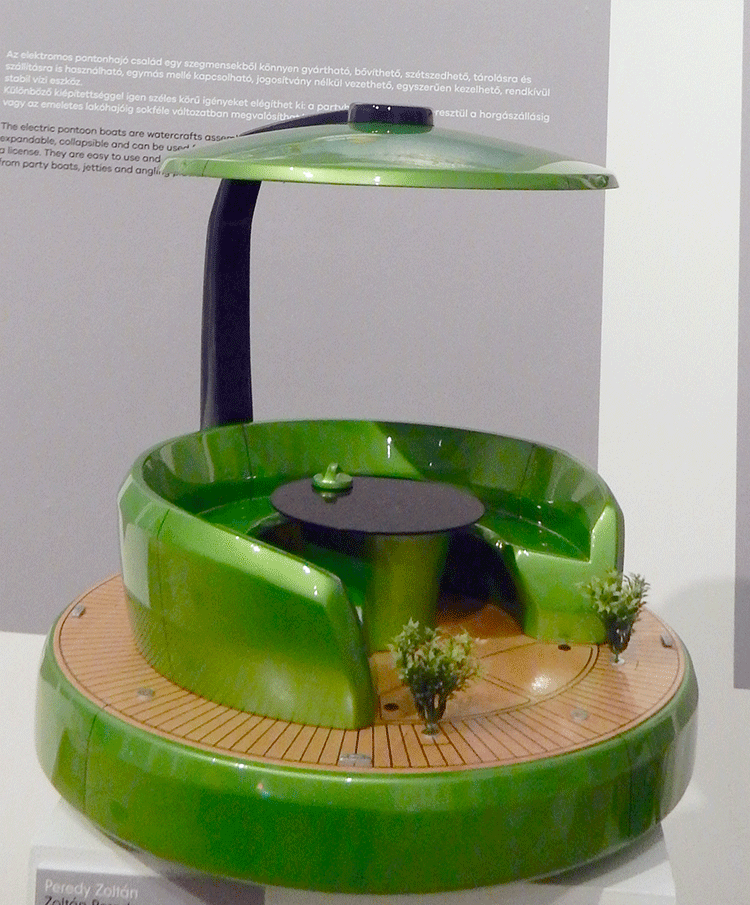
We both had our favorites. I so can picture this cheerful green cocktail pontoon lazily cruising in the Museum Reach of the San Antonio River. Or a spa or little sunbathing pontoon smoothly sailing out of a landing by Hotel Emma. The pontoon boats are electric, so they would be extremely quiet on their relaxing journeys. The collection was designed by Zoltan Peredy.
The Mister, on the other hand, was drawn to Peter Uveges’ metal and glass guitars. The slide and fretless guitars are designed to be particularly appropriate for playing the Delta blues.
Unfortunately, the explanations of his designs are in Hungarian, but the instruments speak for themselves:
During our wanderings throughout our stay in Budapest, the human element in design and invention seems well engrained in and safeguarded for the future by Hungarian culture.
If you are about to choose a restaurant to go to in Budapest, first click back on this link to our favorite, Fricska Gastropub.
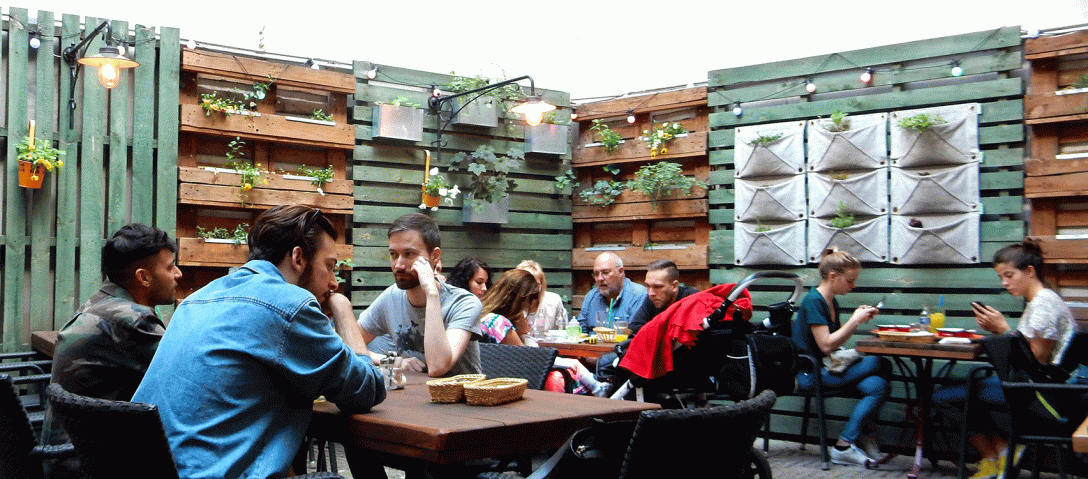
The courtyard patio of Kazimir (featured photo) is a pleasant place to sit. Both the chicken with apples and brie and the parmesan-crusted chicken are excellent, and Kazimir’s bowlful of roasted vegetables topped with parmesan presents a welcome change from heavier fare.
Ultra-casual Jelen Bisztro is a major bargain, a spot to balance out your average meal tabs if you have been splurging. Couscous salad is fresh and light; layered eggplant with pesto is nice and rich; and zucchini fritters are perfect for weekend brunching.
Fried chicken and a mushroom risotto were the lunchtime offerings the day we went to La Tabla, the casual sibling to the more upscale Esca Studio. Both were perfectly prepared, but not inspiring enough specials to draw us away from Fricska. We probably should have tried again on another day.
Not recommended unless you need to lunch mid-sightseeing on the Buda side were Pater Marcus Abbey and Dunaparti Matroz Kocsma. Although we almost were tempted to return for Dunaparti’s mussels, both restaurants are heavy on the touristy side.
Normally, I try not to be too critical in these posts and just skip over a restaurant that turns us off completely, but…. Stand25 Bisztro in the Hold Utca market receives such high ratings and is touted by many as the absolute best place try goulash. We went, and we tried the goulash. It convinced us not to order goulash again during our entire month. The flavor of the lamb pate was unremarkable; the layered potatoes were merely heavy, not tasty; and the beef shoulder smothered with gravy and topped with a grilled round of bread was as unappealing as it appears in the photo. And this lunch was not inexpensive.


Our experience at Stand25 sent us scurrying for refuge in restaurants offering foreign foods, an advantage in visiting a capital city. Missing Spanish dishes, we ducked into Padron for tapas – seared padron chiles and eggplant with goat cheese, honey and walnuts. Cured.
We enjoyed exploring the Lebanese and Mediterranean offerings of Dobrumba. The harira soup loaded with chickpeas, the tender pulpo and potatoes and the squid cooked in red wine all make memorable meals.
Padthai Wok Bar is a chain, but the made-to-order dishes taste so fresh. The one in our Pest neighborhood has outdoor seating on a beautiful little plaza.
And, of course, there’s Fricska. Oh, and those sweet potato fries at Samu-Rice.
 Postcards from Barton Springs