Postcard from Cordoba, Spain: Regional flavors dominate menus

Torching of seafood atop paella at Al Grano Arroces y Mas

The distance from Cordoba to Seville is less than 100 miles, but the cuisine distinctions seem much greater. The regional favorite tapa is flamenquin. A slice of pork loin is topped with a slice of jamon and a piece of cheese and then rolled up and deep-fried. Fried eggplant drizzled with dark honey is found everywhere. The traditional salad consists of wedges of romaine topped with fried garlic with vinegar and oil for dressing. Sephardic-style preparations are abundant, and oxtail, rabo del toro, reigns.

A by-the-book traditional Cordoba menu removed from the main Mezquita tourist zone can be experienced at Restaurante Sociedad Plateros Maria Auxiliadora. Nothing trendy. A place where large family gatherings are held to celebrate First Communions or high school graduations.

Bodegas Mezquita, of which there are several, proved a popular spot for sampling Sephardic dishes. The warm garbanzo salad was wonderful, and we enjoyed a hardy lamb stew and fried merluza, hake.

Following a delicate appetizer of red tuna carpaccio atop a wispy crust, the Mister got his rabo del toro fix at La Fuente 12.

Restaurante Campos del Mar was far off the tourist grid, and it was well under-populated during its fixe prix lunch hour. The chef was so disappointed we did not order his habas (giant lima beans) con chorizo, he brought us a healthy portion to sample. I sometimes am blood-sausage-challenged, but, in his richly flavored broth, it was wonderful. The goat cheese salad was overdressed, a regional tendency, but the dressing was so good we managed to polish it off.

Reservations are needed to sample the rice specialties of the small Al Grano Arroces y Mas. Grilled apples were a nice change on our salad with the usual generous portion of goat cheese. Rather than try to replicate Valencian paella, the chef throws out the rule book. Seafood is placed atop the cooked pan of rice and dramatically scorched tableside.

In addition to the Mercado Victoria, our favorite spot to eat was the somewhat funky laid-back El Astronauta. A plate of grilled vegetables, always welcome. Perfectly cooked grilled tuna. Moussaka. And a luscious preparation of Moroccan savory-sweet chicken pastilla.
Postcard from Cordoba, Spain: Strolling through 80 years of photographs on the way to lunch

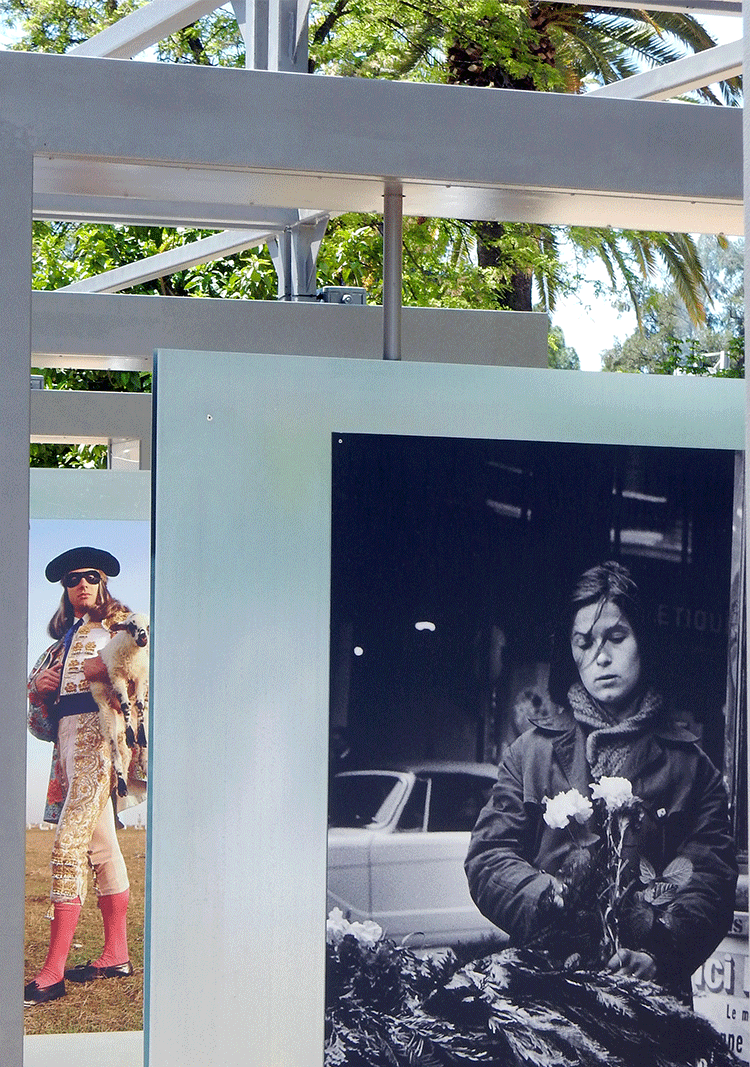
images from “50 Fotografias con Historia,” XVI Bienal de Fotografia de Cordoba

Fifty images providing a glimpse of the past 80 years of the history of photography in Spain stretched out along Paseo de la Victoria earlier this year, flavorful tapas for us on the way to Mercado Victoria.

The large photographs were assembled for the XVI Bienal de Fotografia de Cordoba. Rather than try to show you snapshots of photographers’ famous works, I grabbed a few details caught in passing between panels. There are a few whole images on the website, including my favorite of the flying seminarian playing soccer taken by Ramon Masats in Madrid in 1959.

We wandered among the photographs twice as we made our way to pick out lunch from among the 30 stalls housed in Mercado Victoria. Cordobese delicacies and international dishes are found in the culinary market that opened in 2013 in a wrought-iron and glass zinc-roofed pavilion dating from 1877.

Normally we tend to find food halls of this type too touristy, but Mercado Victoria has the advantage of being removed from the main tourist zone around La Mezquita. Most customers were locals on their lunch hours, and tables were abundant. And with real plates and wine glasses, lunch there was pretty civilized.

Apologies for scrambling up culinary and photographic art, but for us they were a shared experience.

Postcard from Cadiz, Spain: Port city grants chefs license to play

The peninsula restricts available square footage immensely, so some of our favorite spots for eating out in Cadiz were tiny. We actually resorted to reservations so we were not continually shoved out of the local favorites into the tourist zone.

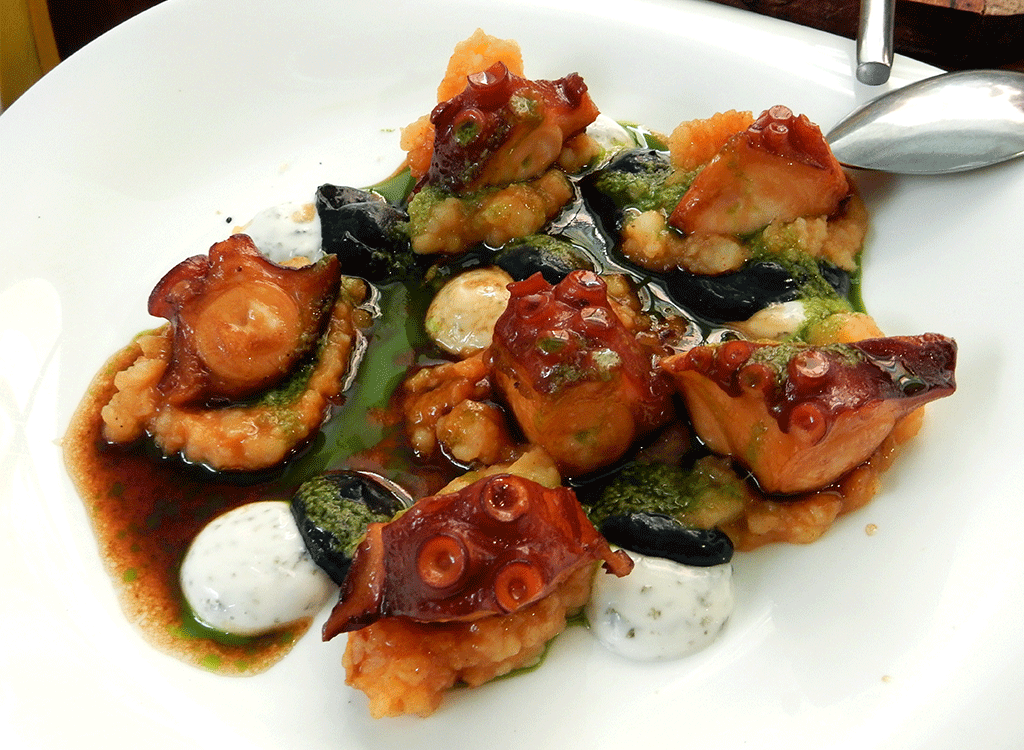
With the grilled pulpo above as Exhibit A, La Candela Tapas Bar became our favorite spot. The housemade croquetas of the day always were great, but, aside from that traditional preparation, the kitchen liberated itself to play. Presentation of dishes always surprised, from the unusual duck “ravioli” to a green tea tiramisu in an espresso pot. The shrimp and mango ceviche was refreshing, and the loaded-up board of roasted vegetables was particularly welcome.

We never go long without pizza and had not found any to our liking in Sevilla. But coNfusione Pizza & Bar offered the Italian accent we had been craving in a spot even smaller than La Candela. Again, there seemed a port-city freedom at play in the kitchen. Freshly caught red tuna flavorfully found its way into lasagna, and salmon reclined seductively atop a house squid-ink bread.

Fortunately, the tables at Sonambulo occupied a larger patch of real estate on Plaza de Candelaria, so we were able to get seated there without reservations. The fried asparagus are not to be skipped, and the salads, including an heirloom tomato one with anchovies, were varied. The wild mushroom tost was ideal for sharing.

The Mister satisfied his once-a-month desire for a hamburger at Ultramar & Nos. Fresh red tuna found its way into a sashimi-type dish for me.

Balandro Restaurante has a tapas side that was packed with locals standing six-deep at its bar, so we settled into the restaurant side. Tortillitas de camarones, mussels with spinach and lasagna with lobster sauce all were flavorful, but the restaurant side seemed a bit stuffy even though it offered a view of the water.

Reservationless at the popular spot we wanted to try, one day we found ourselves with no choice but a restaurant row targeted by hoards disgorged from cruise ships. Pleasantly surprised amidst the sea of tourists, we found the seafood arroz caldoso at Bar La Dorado quite tasty.

Our overall recommendation for Cadiz, however, is to call in a reservation.