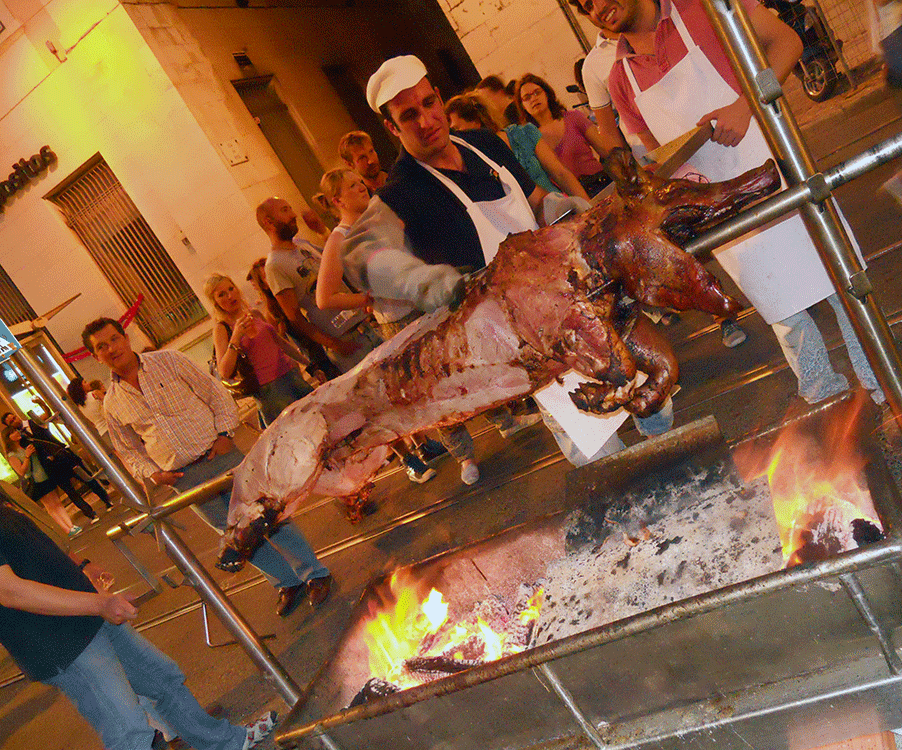
This smiling whole hog symbolically welcomed us to the wealth of the traditional foods of Emilia Romagna. He seemed comfortably perched atop the counter of a booth set up for Il Cibo e Chi lo Fa Mercato del Gusto Italiano set up for the weekend on a plaza adjacent to the Cathedral. Although he continued to shrink as slices of him sold throughout the day.
This region of Italy produces some of its best-known cheeses, meats and vinegar. Think of parmiggiano and numerous goat cheeses, cured thinly-sliced Parma ham and aged balsamic vinegar from Modena. Ferrara was an ideal place to dive into some of the regional classics.
Virtually no menu is without cappellacci di zucca, a plump pasta filled with spiced pumpkin puree. It is served primarily two ways, either al ragu, with meat, or in a butter and sage sauce. The best, and most artfully presented, version we encountered was al ragu at Cibo. The meat sauce was flavorful without overpowering the comforting pumpkin. Lebanese were lurking in the kitchen, though, and I broke from the traditional for a chance to order kibbeh, a meat dish I’d wanted to revisit ever since a nephew’s mother-in-law generously contributed it to a Thanksgiving dinner several years ago.

outdoor market

outdoor market

outdoor market

Pizzeria Este vegetable pizza

Noemi grilled vegetables

diCibo fried calamari

Pizzeria Este pizza

Babbuino grilled vegetables

Pizzeria Este Sicilian octopus

Cibo cappellacci di zucca

Noemi roasted artichoke

Noemi risotto

Babbuino passatelli with mussels

diCibo spaghetti with seafood

outdoor market

Pizzeria Este liter of wine

Pizzeria Este

Cibo kibbeh

Pizzeria Este octopus with guanciale

diCibo arancello

Babbuino licorice liquere and limoncello

outdoor market

Cibo cappellacci di zucca

Noemi lasagna

outdoor market
Our go-to pizzeria proved to be Pizzeria Ristorante Este Bar, but the kitchen at the always bustling restaurant is capable of more than a great pie. We had two incredibly good octopus dishes there. One was a rich regional version in which the extremely tender chunks of pulpo topped a bowl filled with pureed cannellini beans and crisped guanciale. Guanciale is cured pork cheek or jowl that is regarded as a much more tender and flavorful ingredient than the pancetta commonly used in dishes at home. Our favorite preparation of octopus here, though, was Sicilian in style, with chunks of potatoes.
Spaghetti here bears little resemblance to the American version of the pasta. Freshly made, it emerges from the kitchen in a thicker, squiggly, more satisfying form. The best we sampled was in a casual, off-the-beaten-path, neighborhood spot, diCibo, that a tourist probably only would find if trying to locate a self-service laundry mat. The perfectly cooked pasta was topped with a bountiful array of fresh seafood.
Both the lasagna and the risotto – aged parmesan makes everything taste better – were great at Trattoria da Noemi. We tried a pasta new for us, passatelli, at Osteria del Babbuino, where a nice blend of jazz is on the soundtrack. With a texture midway between regular pasta and gnocchi, passatelli is formed from bread crumbs, egg and parmesan and cooked in broth. Babbuino’s was offered alle cozze vivaci in crema di cannellini, with mussels in a sauce made from cannellini beans.
Salads in Ferrara tend to be generous but rather basic, so we drifted often to the healthiest other option, grilled vegetables. Sides of grilled eggplant, peppers and zucchini are found on menus almost everywhere, and we were happy to quickly throw salads together at our apartment from prewashed arugula and watercress readily available. I keep longing for watercress to be offered this way in grocery stores at home.
Many of the restaurants in Ferrara still follow the hospitable tradition of providing diners with a complimentary glass of house-made limoncello at the end of the meal. DiCibo instead gave us a refreshing orange version, arancello, and Babbuino offered a choice of limoncello and liquore di liquirizia, my downfall. The bottles were placed on the table with rather large glasses for us to self-administer our servings. A licorice-lover, I poured myself a conservative helping, leaving my glass at least one-quarter empty. Every sip of the deep black liqueur was luscious, but then bedtime came. I was totally wired for most of the sleepless night.
Think the Mister has placed liquore di liquirizia on my off-limits list.



 Postcards from Barton Springs