Traveling for six weeks, we did not always make it to the restaurants with the hottest chefs. We were reserving some of them for the end of our trip, and, by then, we weren’t up for such major meals. Plus, we had some favorite spots beckoning return visits.
Am arbitrarily dividing the food into two categories. The second post will deal with restaurants serving “foreign,” as in not Portuguese, fare.
The Mister’s favorite fish dish of the trip, meaning we went to the place twice so he could enjoy it again, was what I believe is called bream fish at Belem 2 to 8. The flaky fillet topped layers of greens, potatoes and a richly seasoned tomato sauce. For the first time after seeing it on many menus, I broke down and tried the traditional fried green beans. These are whole, long beans in a tempura batter. The Portuguese claim to have originated tempura cooking for seafood and vegetables – tempura referring to the “time” of no-meat fasting during Lent – with missionaries spreading its usage to Japan in the 1600s.
There were a multitude of restaurants within a few blocks of our apartment. Carmo Restaurante was on a lively plaza filled with jacaranda trees and street musicians. Enjoyed freshly steamed clams and octopus rice there. We were prowling for vegetables when we found Café Royale, with a “parcel” of thinly sliced eggplant wrapped around vegetables, tomatoes, basil and fresh mozzarella and a goat cheese salad. Another great haven for lighter vegetable dishes was Vertigo Café, a place one immediately felt comfortably at home. There, we enjoyed eggplant and zucchini toasts, a chicken and couscous salad plate and a “jacked-up” potato, with vegetables and tzatziki sauce.
This slideshow requires JavaScript.
The seductive patio on a hilltop drew us for several meals at Lost in Esplanada. Everything we sampled was good, from a healthy beet soup to the decadent arugula and gorgonzola cheese toast. We also enjoyed roasted vegetables, rosemary grilled shrimp and tender octopus there.
At a nearby park, grab a table, if you can, at the Café Esplanada. Humongous rubber trees provide the shade for this spot filled with locals sipping beer. On Saturdays, there’s a farmers’ market, and the people-watching is great. Don’t delve far into the menu; order what everyone else is having – large toasts, panini-like sandwiches filled with oozing cheese. So good, and so inexpensive. And they convinced me to order a panini-maker as soon as we got home.
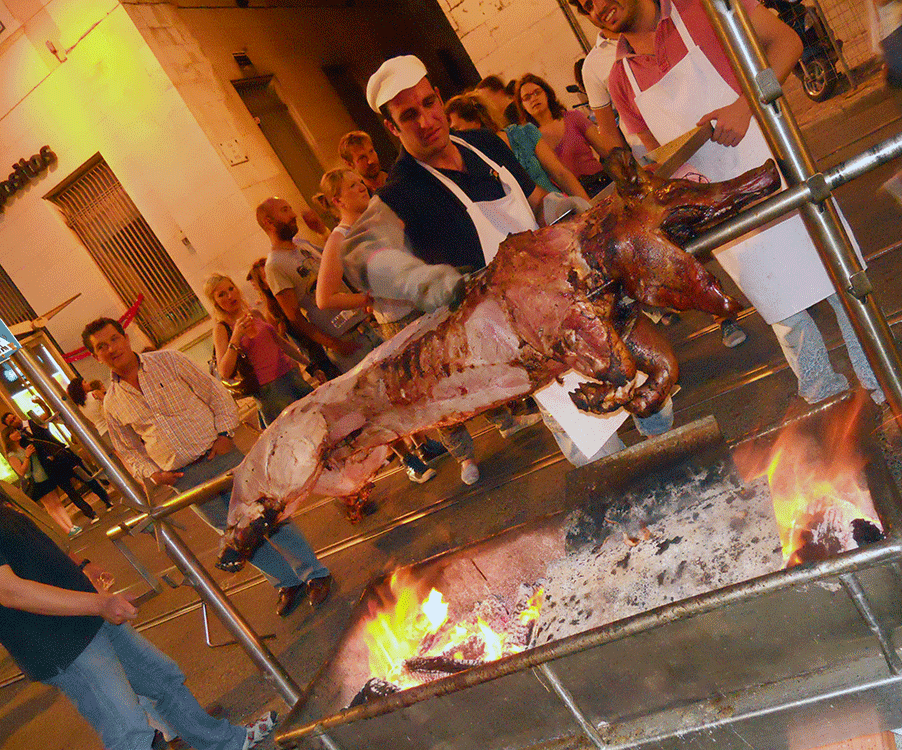
Smoke swirls around booths set up in the streets on the Feast Day of Saint Anthony, and many nights surrounding the date, vending fresh sardines and grilled meats slapped into sandwiches. Some vendors just go whole hog, speared from head to tail.


 Postcards from Barton Springs