Saint Dominic (1170-1221) was born and educated in Spain, with extensive studies in theology and the arts. During a famine in 1191, he sold all of his belongings to purchase food for the poor.
The Dominican Order he founded was based on strict discipline and prayer and embraced an austere lifestyle, contrasting with the opulence favored by many priests of his day. The bald pate in the tonsure haircut Saint Dominic favored demonstrated his humility, and he removed his sandals to enter towns where he was preaching barefoot. Some believe he originated the saying of the Rosary following a vision of the Virgin Mary to aid in the conversion of heretics.
Even when exhausted and dying in Bologna, Saint Dominic refused a bed, insisting as always in sleeping on the floor. He was buried in the floor of the convent, but, following his canonization in 1234, there were those who dreamed of a more grandiose resting place appropriate for a saint.

altar in the Rosary Chapel

tomb from 1305

angel on the left by Niccolo dell Arca; sarcophagus panel by Nicola Pisano

Saint Dominic’s Chapel

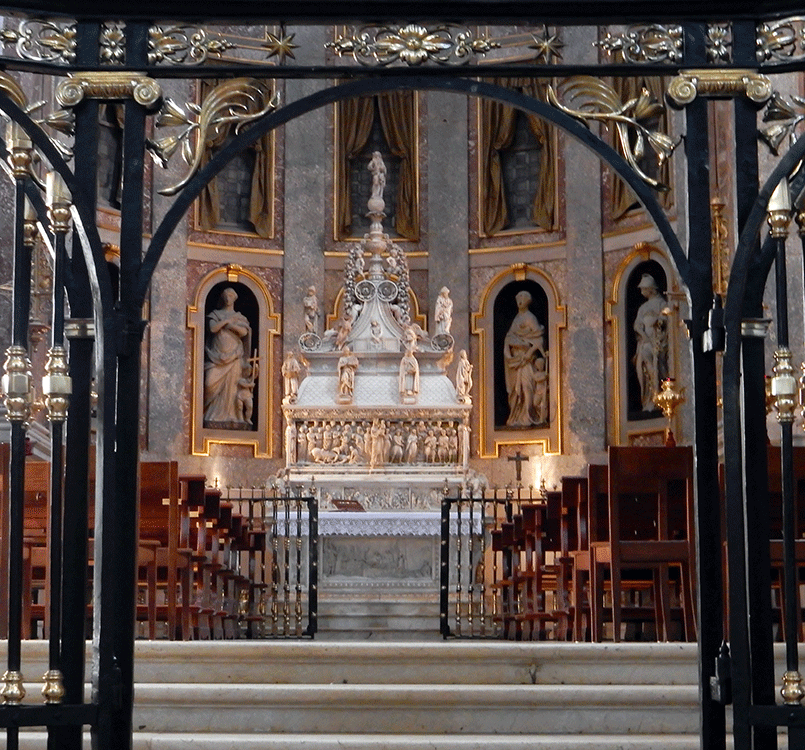
Arc of Saint Dominic

Rosary Chapel

tomb from 1289

Crucifixion by Giunta Pisano

relief panel on the sarchophagus by Nicola Pisano

Arc of Saint Dominic

figure of young Saint Dominic on right by Michelangelo

figure by Michelangelo

top of the sarcophagus by Niccolo dell Arca

Madonna commemorating the end of the plague in 1632

Saint Dominic’s Chapel
Saint Dominic’s new sarcophagus is ringed with sculptural depictions of his life carved by Nicola Pisano in 1267. Two centuries later this arc was crowned by a new tier of sculpture crafted by Niccolo da Bari, attaining such notoriety for the artist he became known as Niccolo dell Arca. Among other artists later adding additional ornamentation to the saint’s final resting place was Michelangelo.
The Basilica of San Domenico is no humble resting place but an exuberant celebration of the religious arts.




 Postcards from Barton Springs