
We arrived on a holiday, a three-day weekend for Madrilenos as they honor their patron saint, San Isidro Labrador (1070-1130). San Isidro was credited with hundreds of miracles, but the one most coveted by working stiffs? Angels would fill in for him, kindly taking over his plowing while Isidro lost himself in religious meditation and prayer.
Madrid has changed a lot since adopting the patron saint of farmers as its own. Arriving here after staying in small cities surrounded by farmland, we were shocked and a bit overwhelmed by the city’s size, both in the scale of the buildings and the number of people. Major sidewalks and pedestrian-only streets were packed.
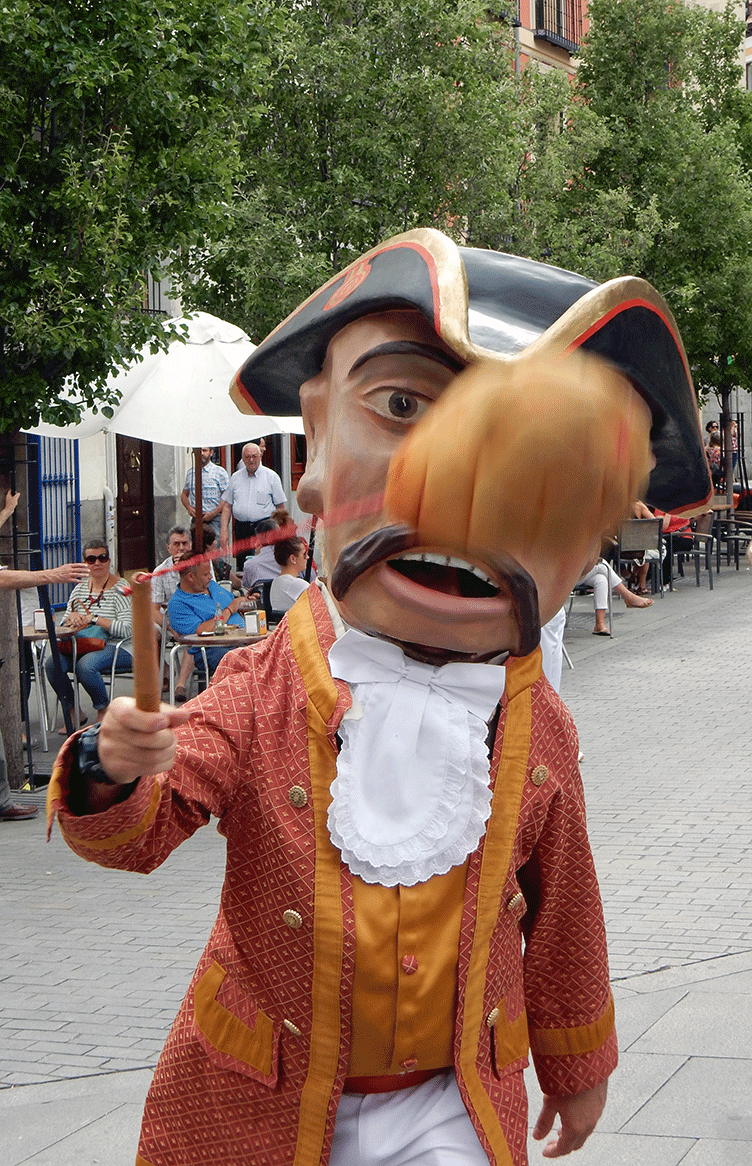
But celebrations for San Isidro Labrador brought things back to a more human scale for us. The first thing we encountered was a hokey, hometown, colorful parade of Gigantes (Giants) and Cabezudos (Big-Heads) weaving through the streets. One of the shorter advance enforcers, a big-nosed Kiliki, hurled his foam weapon at Mister photographer; the event would be at home in any small town in Mexico.


San Isidro’s remains still reside here, or most of them, behind nine locks in the church bearing his name. Only the King of Spain has the key, and even he is not allowed access without the approval of the Archbishop of Madrid.
The high level of security might seem extreme, but even royalty can’t be trusted from temptation to take a bit of a saint home with them to provide a few miracles needed around the kingdom. Supposedly, Charles II had one of San Isidro’s teeth pulled to keep underneath his pillow. And what of San Isidro’s wife, Santa Maria de la Cabeza? Her head used to be trotted out and paraded around every time the farmers in the area needed rain.
Which brings us back to the parade of big-heads on May 14, followed by the saint’s official day on May 15 that began with many Madrilenos donning traditional fashions of yore and ended with an explosion of fireworks.




 Postcards from Barton Springs