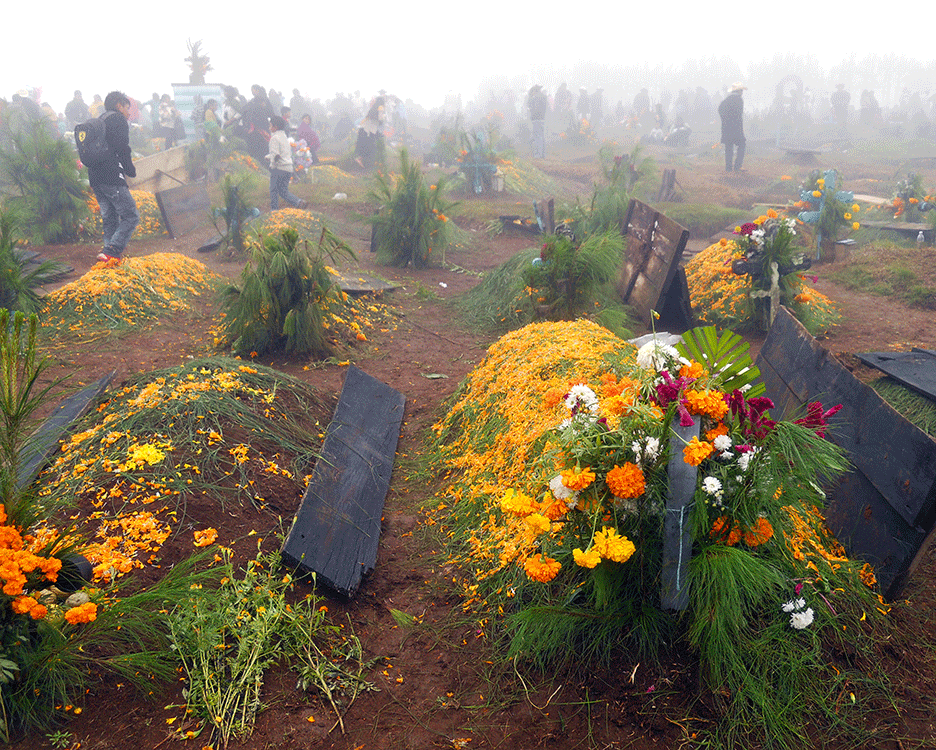
As the cab climbed higher into the towering pines lining the uncomfortably curvaceous road, the sides of which plunged into deep valleys below, the climate changed. Suddenly we were in a world shrouded by clouds spitting mist. And they must have done a lot more than spit last night because the unpaved area we reached was oozing mud.
Romerillo only has about 1,300 residents, and they seemingly all have family visiting for their Day of the Dead festivities this weekend because Chamulans were everywhere.
While some indigenous communities of Mexico lay out family feasts on the graves of their departed relatives, the residents of Romerillo lay out a whole fiesta. A Ferris wheel, merry-go-rounds, typical carnival games, food booths. They all crowd right up next to the outermost graves. Perfect bait for enticing ninos lost back for a family reunion.
And, plenty of locals crowding amongst the plots to offer you fruit, pan de muerto, flowers and posh – a potent cane version of moonshine that will have incapacitated many before day’s end – if you arrive ill-prepared to honor the dead. And, of course, Coca-Cola. A colorful band marched through the mud out into the midst of the cemetery as arriving families removed the boards to allow those underneath to escape and join the fiesta.
We arrived guideless and standing a head or two taller than anyone else around. Call us quite conspicuous as we were jostled by the crowds trying to maintain balance on the slip-and-slide grounds. Not another tourist was spotted during our visit. Given the Chamulans’ known antipathy for photographers, we were rather camera-timid. Plus, the clouds touching the ground limited visibility. But there are plenty of other photographs available on the internet of sunnier events.
This slideshow requires JavaScript.
Chamulan men and women wear black or white garments made of long, combed sheep wool. Unprepared for the drop in temperature, I found myself envious of that wool until I looked down at their feet. The women had on warm, wooly skirts, but generally were wearing open sandals. Their wet toes with mud packed in between them must have been freezing.
As it was, the mud sucked on my slip-ons with every step, as though trying to consume them. But we were able to lift our lodo-laden shoes into the poor driver’s cab and head back down to a toastier casa. No posh to warm or obliterate our innards, but a nice bottle of red wine in a restaurant awaited.
My shoes are drying in the sun, while my toes are tucked warmly into comfy slippers.


 Postcards from Barton Springs