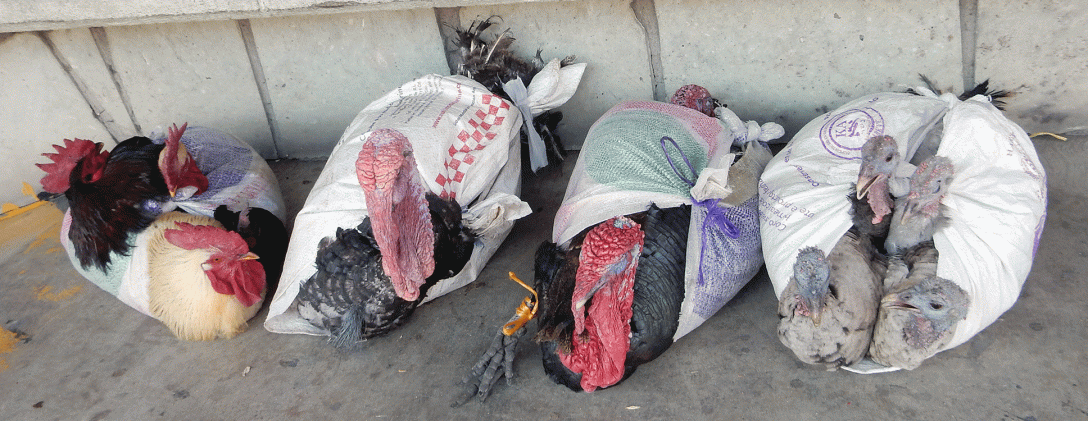
Postcard from Villa de Etla, Oaxaca, Mexico: Chicken and turkey bagged to go

Etla, a word meaning “land of beans” in Nahuatl, reflects the fertility of the valley located only a few miles from Oaxaca City. The population of Villa de Etla is less than 8,000, and Wednesdays bring all of them and farmers from throughout the valley to market, crowding blocks and blocks with their regional products. Tuk-tuks zip in and out of traffic ensnared by larger vehicles seeking to score scarce parking spots.

So many more vendors than buyers. Rows of women hopefully wait to sell bushel-size bags of plate-size tostadas. Huge bags of dried chiles scent the air surrounding tables of beautiful fresh produce, flowers and dulces.

Pop-up restaurants were packed. The variety of dishes a woman can prepare over a single comal never ceases to amaze. Evidence of the Coke vs. Pepsi war invades the main market house.

The Mister wisely steered me clear of the animal market, knowing I’d want photos of all. But a few vendors of live chickens and turkeys ready for the pot were peppered in among the fresh foods.

The unprepped poultry reminds of my city-raised mother’s (Thelma Virginia Williams Brennan) brief exile to the remote Eastern Shore of Virginia at the beginning of her marriage. She said she would stand out in the backyard holding a squirming live chicken until finally noticed by a sympathetic more experienced neighbor willing to be the executioner.

And, of course, I, a major believer in the middleman enabling the purchase of boneless skinless chicken breasts, proved even less fit for the self-sustaining country lifestyle. Our organic vegetable garden kept caterpillars and deer well-fed. After a year of raising chickens and ducks whose only eggs must have been gathered by raccoons and possums, we found them all a good home before moving from Boerne into San Antonio.

Postcard from Oaxaca, Mexico: Valentine’s Day Battle

DSCN2846

The fight spilled out onto the sidewalk in front of us.

Alas, the piñata-maker had but one heart remaining.

Mickey lost, cursed to live a heartless existence before his inevitable fate, being beaten to smithereens by a gang of young children.

Postcard from San Martin Tilcajete, Oaxaca: Carnaval customs as creative as their carvings

Brightly painted, intricately carved copal figures of real and fantasy animals, alebrijes, from the small town of San Martin Tilcajete, Oaxaca, are known around the world. Whole families of carvers pass down their traditional techniques to provide their livelihoods, with every home seeming to double as a retail outlet.

Every year they unleash that creativity to stage a mezcal-infused celebration of Carnaval, the final day of wild indulgence before Lent. Despite the loss of young men who have left to find work in el norte, there seemed to be no shortage of volunteers willing to smear their bodies in motor oil in hopes of planting kisses on young women unafraid of ruining their clothes. We witnessed no such embraces, but the afternoon was still young.

Other young men engaged in crossdressing, some quite convincing, as though there were not more women than men remaining in the community. The formally attired bridesmaids created a colorful entourage parading through the streets prior to the sham wedding of the bride and groom performed by a jovial padre of sorts.

Outsiders were embraced, so much to the point that our friend, Clyde, padre-looking himself, was drafted into the ceremony to provide the blessing of the bride and groom by exuberantly splashing water on them and anyone standing in close proximity.

American politicians should take note. We didn’t meet the town’s mayor, but he or she knows how to encourage enthusiastic support. The mayor’s ambassadors were freely distributing shots of mezcal and dipping into buckets of tepache and horchata to quench the thirst of all, whether residents or tourists.

Maybe San Antonio should forget spending money on expensive advertising for visitors. Mayor Ivy Taylor simply needs to enlist volunteers to offer complimentary shots of tequila and margaritas along the River Walk. Word of mouth about San Antonio’s hospitality would spread like wildfire.