
Sometimes because of colors. Sometimes the patterns. Or a shimmering reflection.
These random spots demanded to be shot. Just because.


Gayle Brennan Spencer – sending random thoughts to and from South Austin
Sometimes because of colors. Sometimes the patterns. Or a shimmering reflection.
These random spots demanded to be shot. Just because.
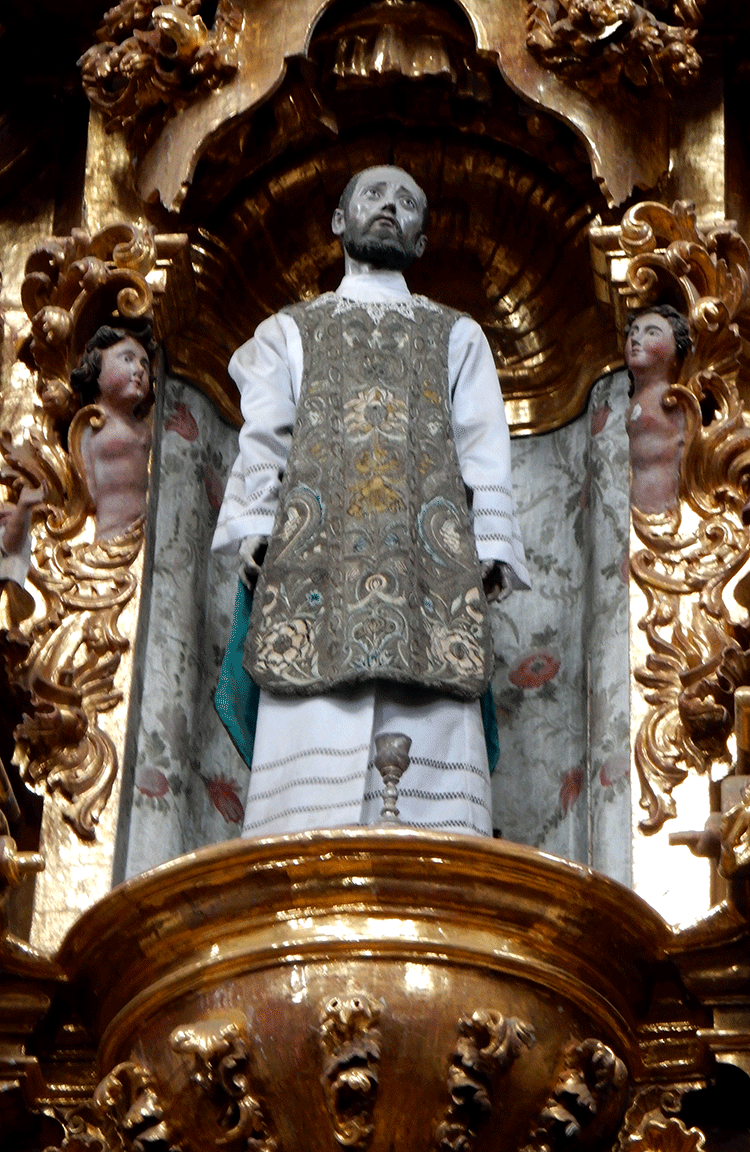
The amazingly rich vein of silver discovered in the mine of La Valenciana provided Antonio de Obregon y Alcocer with more than enough wealth to commission a major church in honor of his patron saint, San Cayetano.
The Churrigueresque church perched above the city of Guanajuato was constructed of cantera rosa, pink volcanic stone, between 1765 and 1788. The second tower either collapsed or was never built, perhaps because the original architect died before the church was completed. Three enormous gilded altars reflect the profits mined nearby.


San Cayetano (1480-1547) was not a fan of wealth, however. In fact he turned his back on greedy clergymen he encountered in Rome and worked in Vicenzia, Italy, for reform of the church. Becoming a priest at age 33, he distributed his riches to the poor. He dedicated himself to helping the lower classes and those in need of work. To combat usurious lenders preying on the poor, he founded a charitable organization accepting pawned objects in exchange for loans.
As San Cayetano is regarded as a patron saint of laborers, he probably comforted the miners. He is considered the saint to answer prayers for pan y trabajo.
Struggling to land a job? Maybe it’s time for a pilgrimage to La Valenciana to light a candle to San Cayetano.

It’s hard to resist focusing on Guanajuato’s landmark people perched up high. Muses grace the roofline of Teatro Juarez. Father Hidalgo, famed for his grito igniting the revolt against Spain, stands near the city’s presa, or dam.
The giant statue of El Pipila lords over the city. As pipila means a female turkey, the nickname given to Juan Jose de los Reyes Martínez Amaro (1782–1863) probably was not meant as flattery. But El Pipila earned respect as a hero of the Mexican Revolution when he strapped a large stone on his back for protection against weapons above to storm the Spaniards holed up in Alhondiga de Granaditas. He slathered the granary’s large wooden door with tar and set it ablaze, allowing the citizens of Guanajuato to overtake the forces inside.


The woman representing peace who presides over Plaza de la Paz, the city’s main plaza, was commissioned by President Porfirio Diaz in 1903. Her peaceful reign soon was interrupted. President Diaz did not care for his opponent in the 1910 election so he locked him up in jail. When Diaz declared himself victorious, the citizenry sensed the election results were rigged. Diaz was forced from power, and years of civil war marked by frequent violent changes in presidents followed.
Wish the threat of locking opponents up and talking about rigged elections did not sound familiar.
 Postcards from Barton Springs